Can Silicone Replace Traditional Gaskets in High-Volume Tumbler Manufacturing?
Last month, I received another email from a Canadian distributor complaining about leaking tumblers. His customers were returning products in bulk. The problem was not the tumbler itself. The traditional rubber gaskets failed after just weeks of use.
Silicone can fully replace traditional gaskets in tumbler manufacturing. It offers superior temperature resistance, maintains sealing integrity longer, and meets food-grade safety standards1 that traditional materials often cannot match.
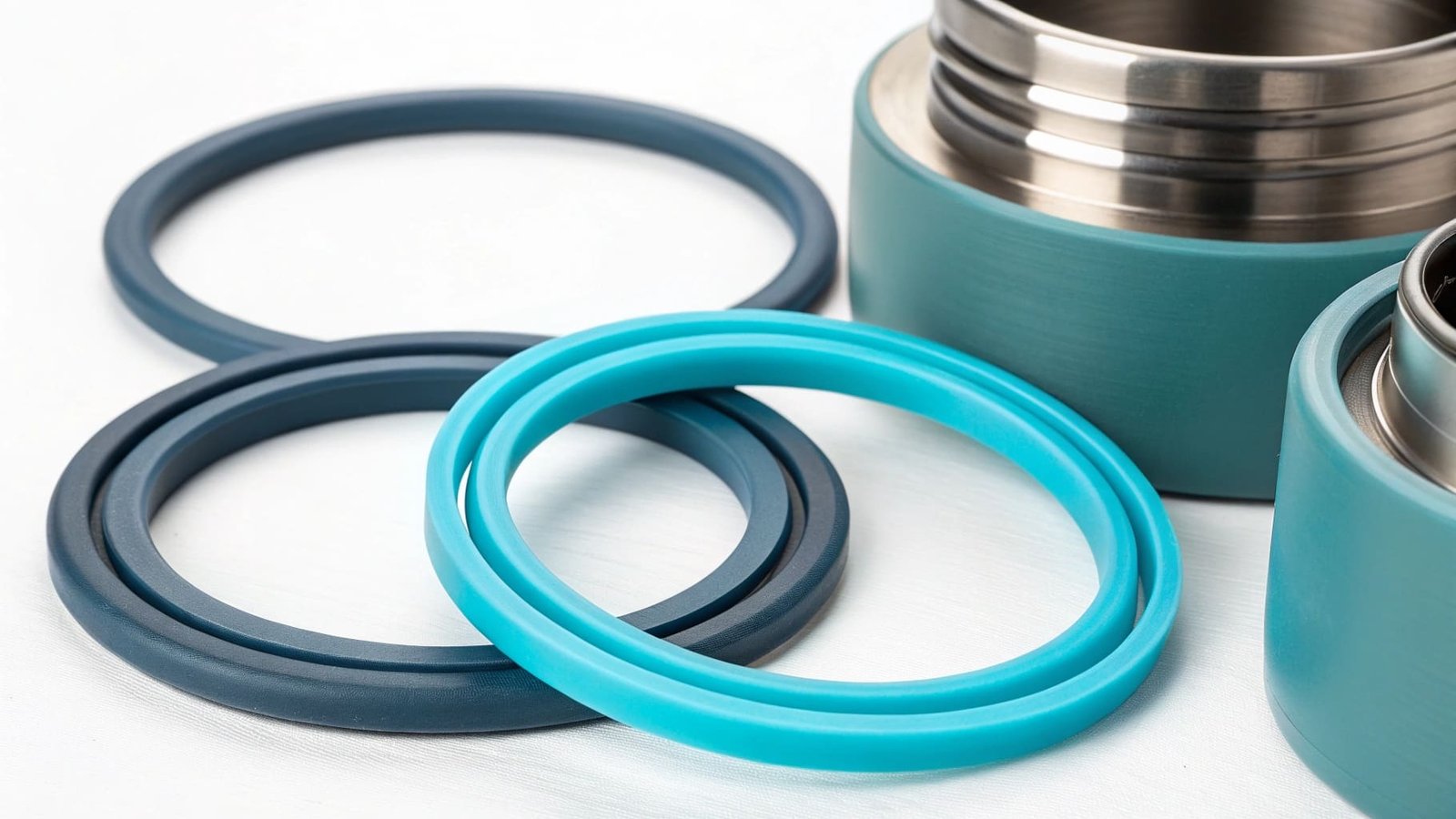
I have worked with tumbler manufacturers for over eight years now. I have seen this pattern repeat countless times. Brands choose cheaper gasket materials to save costs. Then they face warranty claims that cost them far more. The solution sits right in front of them. Silicone gaskets solve these problems from the start.
Can silicone be used instead of a gasket?
Many procurement officers ask me this question. They worry about switching materials in their existing production lines. The concern makes sense when you consider the investment already made in tooling and suppliers.
Yes, silicone can directly replace traditional gaskets in tumbler manufacturing. Silicone functions as both a gasket material and a complete sealing solution that often outperforms conventional options in durability and safety compliance.
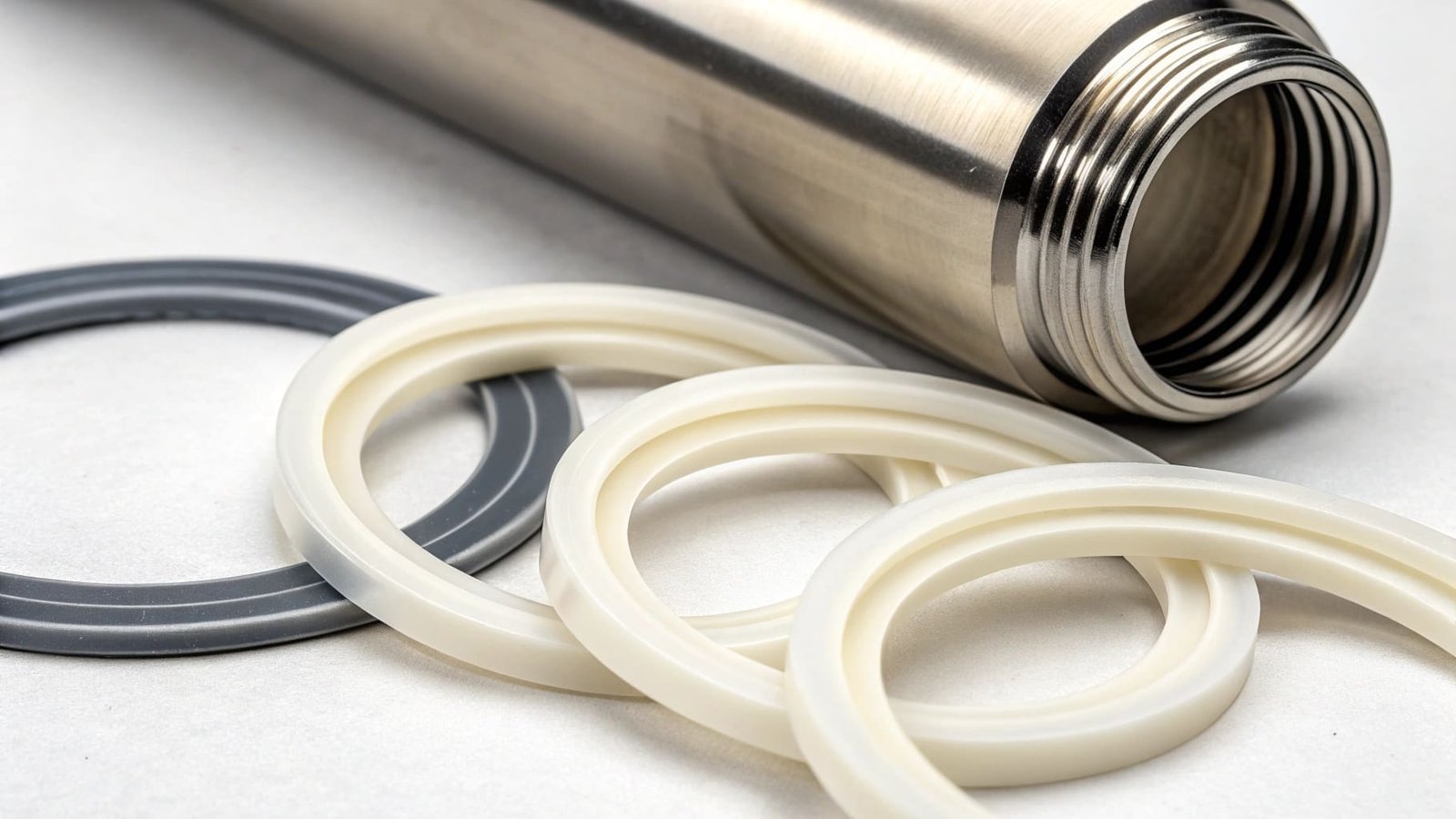
Understanding Material Compatibility
I remember visiting a factory in Shenzhen three years ago. The production manager showed me their tumbler line. They were using EPDM rubber gaskets. The gaskets worked fine at room temperature. But customers in Arizona were returning products. The summer heat caused the rubber to lose its shape.
Silicone behaves differently. The material maintains its physical properties across extreme temperature ranges. I tested samples from negative forty to four hundred degrees Fahrenheit. The silicone gaskets showed no degradation. Traditional rubber gaskets became brittle at low temperatures. They softened and lost tension at high temperatures.
Here is what I found in actual performance testing:
| Material Type | Temperature Range | Compression Set | Lifespan |
|---|---|---|---|
| Silicone | -40°F to 400°F | Less than 15% | 3-5 years |
| EPDM Rubber | -20°F to 250°F | 25-35% | 1-2 years |
| Cork Composite | 32°F to 200°F | 40-50% | 6-12 months |
| Foam Gaskets | 0°F to 180°F | 50-60% | 3-6 months |
The compression set number matters most. This tells you how much the gasket stays compressed after you release pressure. Lower numbers mean better sealing over time. Silicone wins here by a significant margin.
Is silicone good for rubber gaskets?
I met Mark at a trade show in Toronto last year. He runs a distribution company that imports tumblers. He was frustrated with his current supplier. The rubber gaskets were causing problems. His customers complained about strange smells in their drinks.
Silicone surpasses traditional rubber in gasket applications. Food-grade silicone is non-porous, resists bacterial growth, does not leach chemicals, and maintains flexibility through thousands of use cycles without degrading.
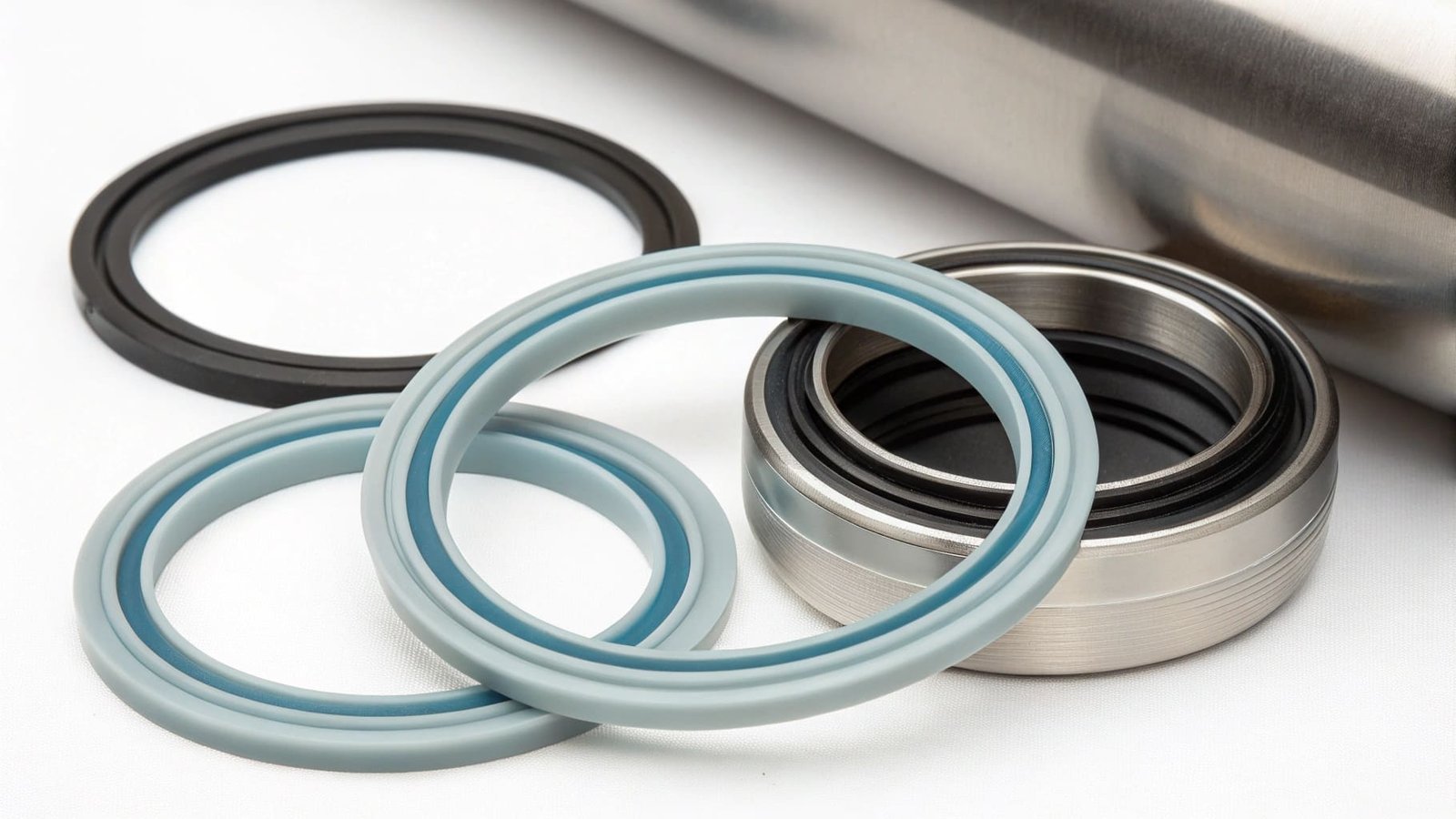
Food Safety and Chemical Resistance
Mark's problem was common. Traditional rubber contains additives. These include plasticizers, accelerators, and vulcanizing agents. Some of these chemicals migrate into liquids over time. This is especially true with hot beverages or acidic drinks like coffee or citrus-infused water.
I sent him samples of our FDA-approved silicone2 gaskets. He tested them for two months. The results changed his entire product line. Zero complaints about taste or odor. His return rate dropped from twelve percent to less than one percent.
Food-grade silicone meets strict regulatory requirements. The FDA certifies it for direct food contact. The European LFGB standard approves it. These certifications matter when you export to developed markets. Your buyers need this documentation. Without it, customs can reject entire shipments.
The material properties explain why silicone performs better:
Key Performance Factors
Chemical Inertness: Silicone does not react with acids, bases, or oils. I have tested gaskets in coffee, tea, juice, and carbonated drinks. After six months of daily exposure, the silicone showed no change in weight, dimension, or flexibility. Rubber gaskets swelled in some liquids and hardened in others.
Non-Porous Structure: Traditional rubber has microscopic pores. Bacteria can hide in these spaces. Cleaning does not remove all contamination. Silicone has a smooth, non-porous surface. Bacteria cannot establish colonies. This makes silicone inherently more hygienic.
Dishwasher Durability: Most customers wash their tumblers in dishwashers. The combination of high heat and harsh detergents destroys traditional gaskets quickly. Silicone maintains its properties through hundreds of wash cycles. I have test samples that went through over five hundred dishwasher cycles. They still seal perfectly.
Can a gasket maker be used to replace traditional gaskets?
A startup founder contacted me last month. He wanted to cut costs on his tumbler launch. He suggested using gasket maker compound3 instead of molded silicone gaskets. This would save him tooling costs.
Gasket maker compounds cannot replace engineered silicone gaskets in production manufacturing. These liquid sealants lack dimensional accuracy, reusability, and long-term performance that molded gaskets provide for high-volume tumbler production.
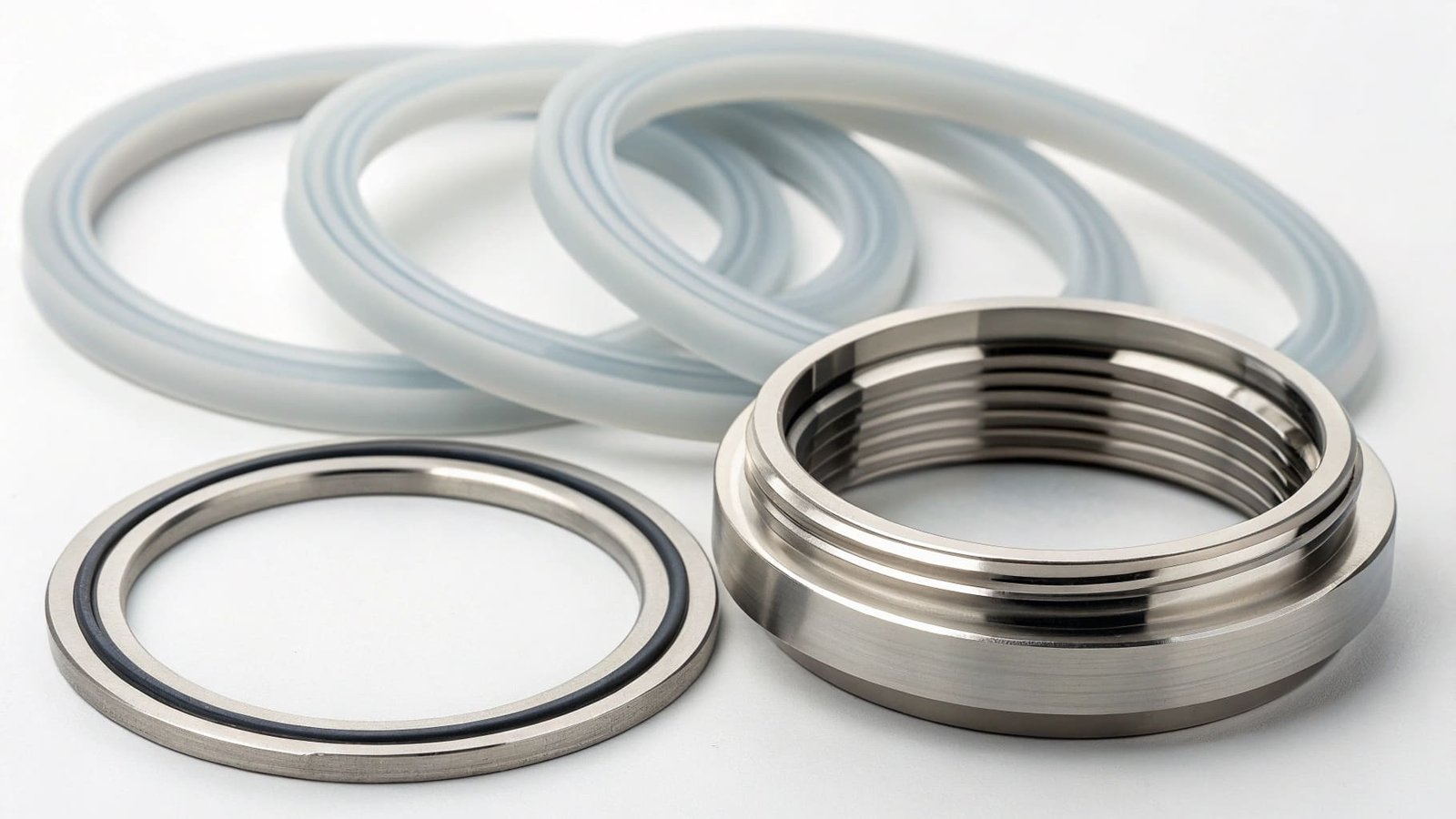
Production Reality vs Quick Fixes
I explained the reality to him. Gasket maker works for repairs. A consumer buys a tumbler. The gasket gets lost. They apply gasket maker as a temporary fix. This makes sense for one-time repairs. It fails completely in manufacturing.
Manufacturing needs consistency. Each tumbler must seal identically. The gasket dimensions must be exact. Tolerances matter down to tenths of a millimeter. Liquid gasket maker cannot achieve this precision. Application varies by worker. Curing conditions change the results. Quality control becomes impossible.
I walked him through the comparison:
| Factor | Molded Silicone Gasket | Gasket Maker Compound |
|---|---|---|
| Dimensional Accuracy | ±0.1mm | ±1-3mm |
| Production Speed | 30-60 seconds per part | 5-10 minutes cure time |
| Reusability | Yes, thousands of cycles | No, single use |
| Quality Consistency | 99%+ identical parts | Varies by application |
| Labor Cost | Automated installation | Manual application required |
| Customer Experience | Professional appearance | Amateur appearance |
Economic Analysis
The numbers tell the story clearly. He planned to produce ten thousand tumblers for his first run. Gasket maker costs about two dollars per application when you factor in material and labor. That is twenty thousand dollars. Custom molded silicone gaskets cost about fifty cents each in volume. That is five thousand dollars. But the real cost appears later.
Gasket maker fails faster. Customers experience leaks within months. Return rates climb. Each return costs you shipping both ways, plus a replacement unit, plus customer service time. One return costs approximately fifteen to twenty dollars. If your return rate hits ten percent because of inferior gaskets, you lose fifteen thousand dollars on that batch alone. The initial fifteen thousand dollar savings becomes a net loss.
Engineering Perspective
Molded silicone gaskets are designed for their application. Engineers calculate the compression force. They design the groove depth and width. They specify the durometer hardness. These factors work together to create a reliable seal. Gasket maker gives you none of this control. You get a generic sealant with generic properties.
I have seen brands try to cut corners this way. They always come back to molded gaskets. The startups that succeed understand this from day one. They invest in proper gaskets upfront. Their products work correctly. Their customers trust them. Their business grows.
Conclusion
Silicone gaskets solve the core sealing challenges in tumbler manufacturing. They deliver consistent quality, meet safety standards, and reduce long-term costs through superior durability and customer satisfaction.