What Are the Cost Benefits of Silicone Stretch Lids for Food Storage Bulk Orders?
You face pressure to source products that deliver margins while meeting consumer demands. Traditional plastic wraps eat into profits through waste and returns. I found a solution that changes this equation completely.
Silicone stretch lids cut your total costs by 40-60% compared to disposable alternatives when you factor in reusability, lower return rates, reduced SKU complexity, and premium pricing opportunities. The initial investment pays back through decreased inventory costs and higher customer lifetime value.
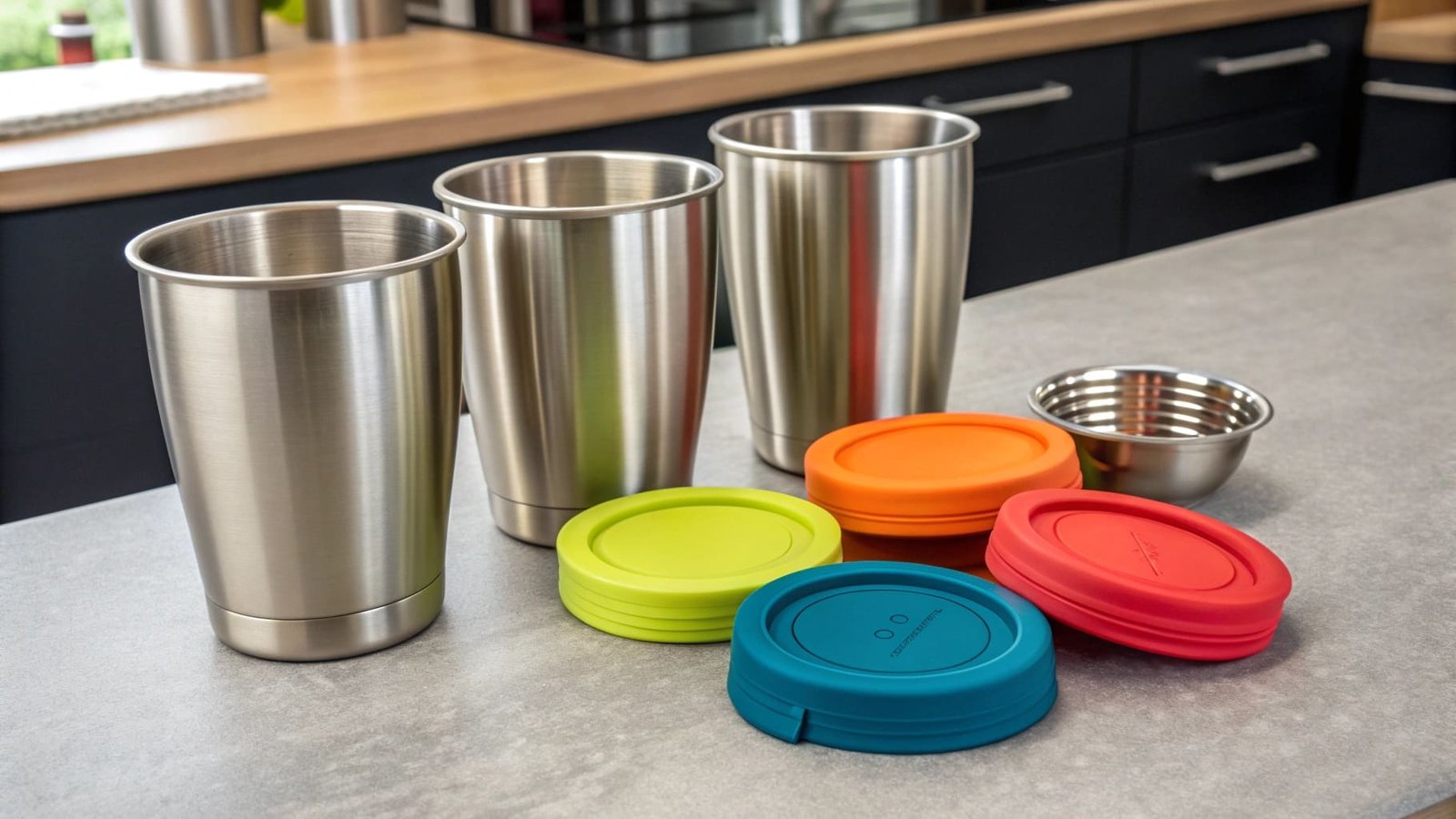
I work with procurement officers like you who need reliable suppliers for silicone products. My factory in China ships to Canada regularly. I understand you value quality but also need competitive pricing. Let me show you the real numbers behind silicone stretch lids.
Does Silicone Leach Microplastics Into Food?
Your customers worry about microplastics in their food. This concern drives their buying decisions. You need products that address this fear while giving you a marketing edge.
Food-grade silicone does not shed microplastics into food. The material comes from silica, not petroleum-based plastics. This fundamental difference eliminates microplastic migration during normal use or temperature changes.
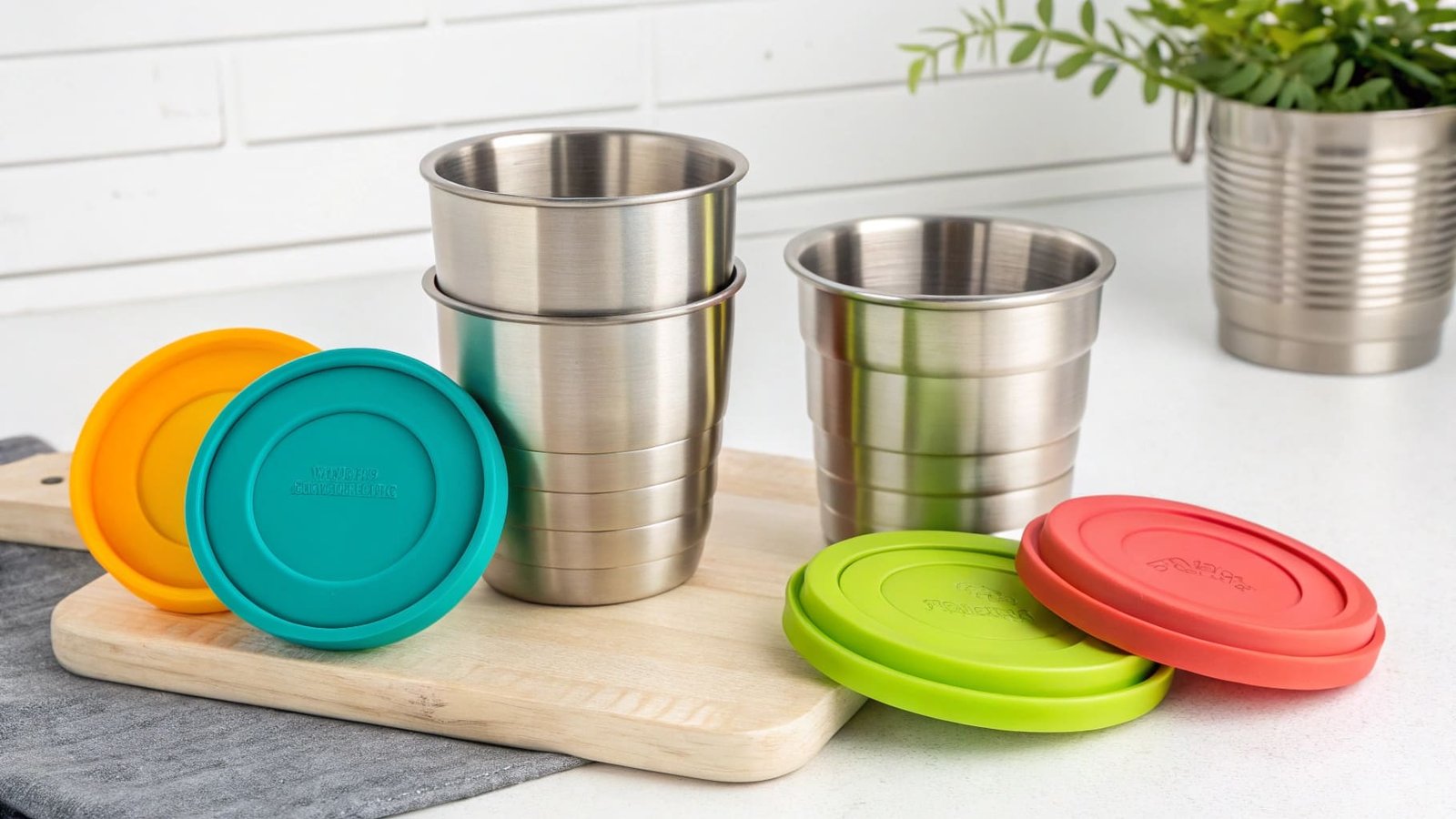
Why the Material Difference Matters for Your Business
I source my silicone from certified suppliers who use silica as the base material. This is synthetic rubber, not plastic. The molecular structure stays stable when you heat it or cool it. Plastic breaks down and releases particles. Silicone does not do this.
Your buyers in North America care deeply about this distinction. I ship container loads to the United States and Canada. The buyers there tell me microplastic concerns drive 30-40% of their customer questions. You can answer these questions confidently when you stock silicone stretch lids.
My factory provides FDA approval1 documentation with every bulk order. I also get European LFGB certification for clients who export to Europe. These certifications prove the material passes strict migration testing. The tests measure what transfers from the lid into food. Silicone passes these tests consistently.
This safety assurance reduces your liability risk. I have worked in B2B sales for years. I know certificate fraud happens in developing countries. Some suppliers fake documents. I only work with certified testing labs. I can show you the original certificates with verification codes you can check online.
The regulatory environment keeps getting stricter in your markets. Canada follows similar standards to the United States. Both countries increase testing requirements each year. Silicone stretch lids2 meet current standards and will likely meet future standards too.
| Safety Factor | Silicone Stretch Lids | Traditional Plastic Wrap |
|---|---|---|
| Microplastic Shedding | None | Yes, especially with heat |
| FDA Approval | Available | Limited options |
| Temperature Stability | -40°F to 450°F | Melts at high temperatures |
| Chemical Migration | Minimal | Higher risk |
What Are the Benefits of Silicone Covers?
You manage inventory across multiple product lines. Each SKU costs money to stock and track. Returns cut into your margins. I see this challenge with every client I work with.
Silicone stretch lids reduce SKU complexity while increasing utility. A 6-piece set replaces dozens of specific-size lids. The stretchability creates universal fit across container types. This simplifies your inventory management and reduces warehousing costs significantly.

How Reusability Drives Your Profit Margins
I started my business understanding one truth. Products that customers use repeatedly create stronger brand loyalty. Disposable products need constant repurchasing, but customers resent this. Reusable products cost more upfront but deliver better lifetime value.
My silicone stretch lids last 2-3 years with normal use. A customer who buys a $25 set replaces hundreds of plastic wrap rolls. You can position this as a premium product. The sustainability angle supports higher margins. I see my clients in Canada mark up these products 100-150% over their cost.
The stretchability feature solves a major pain point. Traditional lids only fit one container size. My stretch lids fit bowls from 4 inches to 12 inches diameter with the same 6-piece set. This universal fit means you stock fewer SKUs. Each SKU you eliminate saves warehousing space and reduces the complexity of your ordering system.
Temperature resistance opens cross-category opportunities. My lids work from -40°F to 450°F. Customers use them for freezer storage, microwave heating, and oven baking. This versatility lets you market to multiple customer segments. You can sell to meal preppers, home cooks, and zero-waste advocates all with one product.
The durability factor directly impacts your return rates. I track this data with my clients. Return rates for silicone stretch lids run 1-2%. Plastic container lids return at 5-8% because they crack or warp. Lower returns mean lower customer service costs and less reverse logistics expense.
Color variety creates shelf appeal. I offer 8 standard colors and custom color matching for orders over 3,000 sets. Bright colors stand out on retail shelves. This visual differentiation supports premium pricing. Customers pay more for products that look attractive in their kitchens.
Value Comparison for Bulk Buyers
| Commercial Advantage | Direct Cost Impact | Margin Opportunity |
|---|---|---|
| Reduced SKU count | Lower warehousing costs by 30-40% | Simplified inventory |
| Low return rates | Save 3-6% on reverse logistics | Better cash flow |
| Premium positioning | Support 100-150% markup | Higher gross margins |
| Cross-category appeal | Increase units per customer | Better customer lifetime value |
What Are the Advantages and Disadvantages of Silicone?
You need complete information before making bulk commitments. I respect that you take procurement seriously. Understanding both strengths and limitations helps you position products correctly in your market.
Silicone offers thermal stability, flexibility, and chemical inertness that create long product lifecycles. These advantages reduce replacement frequency. However, higher raw material costs3 and specific care requirements need smart market positioning to maintain acceptable margins.
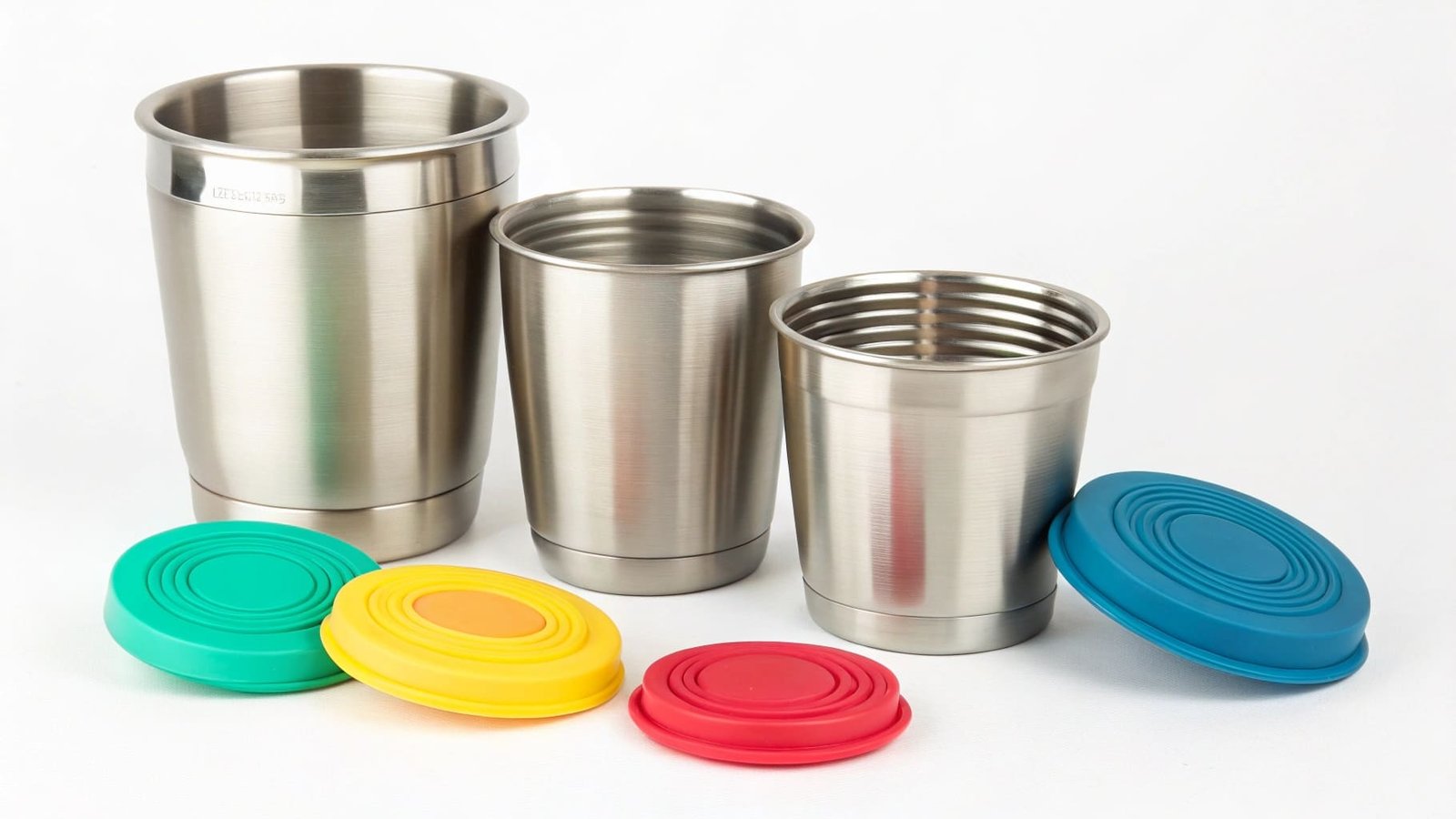
Material Advantages You Can Market
The thermal stability of my silicone stretch lids means customers can use them in extreme conditions. I test every production batch from -40°F to 450°F. The material maintains its flexibility and seal quality across this entire range. Your customers can move food directly from freezer to oven. This convenience factor justifies premium pricing.
Flexibility prevents the common failure mode of rigid lids. Plastic lids crack when dropped or stressed. My silicone lids bounce back. I drop test samples from 6 feet onto concrete. The lids survive without damage. This durability means customers keep using the product for years.
Chemical inertness addresses food safety concerns beyond microplastics. Acidic foods like tomato sauce or citrus juice do not react with silicone. Some plastics leach chemicals when exposed to acidic or fatty foods. Silicone stays stable. This property expands the product's use cases and reduces customer complaints.
The non-porous surface prevents bacteria buildup. Plastic containers develop scratches that harbor bacteria. Silicone stays smooth even after years of use. Customers can wash my lids in hot water or dishwashers without degrading the material. This easy cleaning reduces the effort required to maintain the product.
Real Disadvantages You Must Address
I tell all my clients about the higher raw material cost upfront. Food-grade silicone costs 3-4 times more than standard plastic. This means your cost per unit runs higher. You need to educate customers on total cost of ownership. The math works when customers compare 2-3 years of silicone lid use against buying plastic wrap every month.
Silicone attracts dust and lint because of its slightly tacky surface. This creates a packaging challenge. I use sealed poly bags with cardboard inserts for retail-ready packaging. The packaging adds cost but maintains presentation quality during shipping and warehousing. You need to factor this packaging cost into your total landed cost.
Grease retention can frustrate customers if they do not know proper cleaning methods. Silicone holds onto oil-based residues more than plastic. I include care instructions in every retail package. Hot water and dish soap remove most residues. For stubborn grease, soaking in hot water with baking soda works well. Clear instructions prevent customer dissatisfaction and returns.
Some customers find silicone has an initial odor when new. This odor comes from the curing process and dissipates after first wash. I pre-wash all lids before packaging to minimize this issue. You should mention this in product descriptions to set correct expectations.
Working with experienced silicone manufacturers makes a huge difference. I have worked with my factory partners for 8 years. They understand quality control for food-grade applications. They recommend appropriate formulations based on your target price point. They know which surface treatments improve performance. This expertise ensures your bulk order meets market expectations.
Cost-Benefit Analysis for Bulk Orders
| Factor | Initial Cost Impact | Long-term Value |
|---|---|---|
| Higher raw material cost | 300-400% vs basic plastic | Offset by reusability and premium pricing |
| Specialized packaging | Add $0.50-1.00 per unit | Maintains product quality during distribution |
| Lower return rates | - | Save 4-6% on customer service costs |
| Extended product lifecycle | - | Customers rebuy your brand for other products |
Conclusion
Silicone stretch lids deliver measurable cost benefits through reduced SKU complexity, lower returns, and premium pricing opportunities that overcome higher initial costs. Partner with certified suppliers who provide documentation and understand your market requirements.
-
Discover why FDA approval is crucial for food safety and consumer trust in silicone products. ↩
-
Explore the advantages of silicone stretch lids, including cost savings and sustainability, to enhance your product offerings. ↩
-
Learn about the cost implications of using high-quality silicone for food storage. ↩