Can Silicone Seal Rings Be Integrated into Automated Assembly Lines?
Working with B2B buyers who struggle with manual assembly inefficiencies, I see a common problem. Labor costs keep rising while quality remains inconsistent.
Yes, silicone seal rings1 can be fully integrated into automated assembly lines. This integration cuts costs by up to 40% and maintains strict quality standards that manual assembly cannot match.
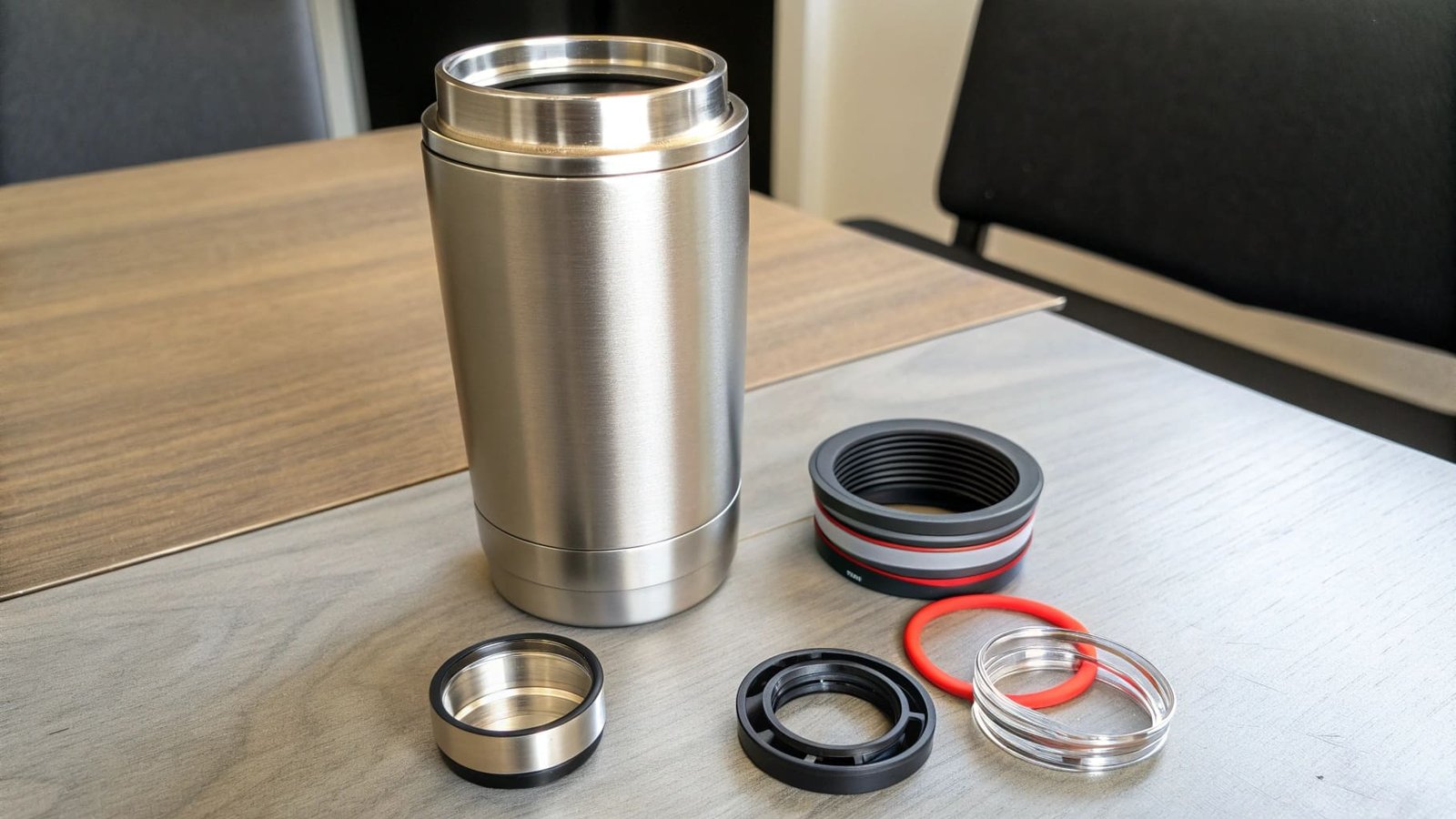
Over my years at silijoy, I have watched automation transform how manufacturers handle silicone components. When a Canadian client first asked me about automating their tumbler seal ring assembly, I knew this was becoming a critical question for serious buyers. The shift from manual to automated assembly is not just a trend. It is a necessity for businesses that want to stay competitive in today's market.
What is the Main Advantage of Using an Automated Assembly Line?
Many manufacturers hesitate to invest in automation because they worry about upfront costs. They fear the learning curve. They question if the benefits are real.
Consistency paired with cost efficiency is the core benefit. Automated systems eliminate human error, reduce contamination, and increase production speed significantly.
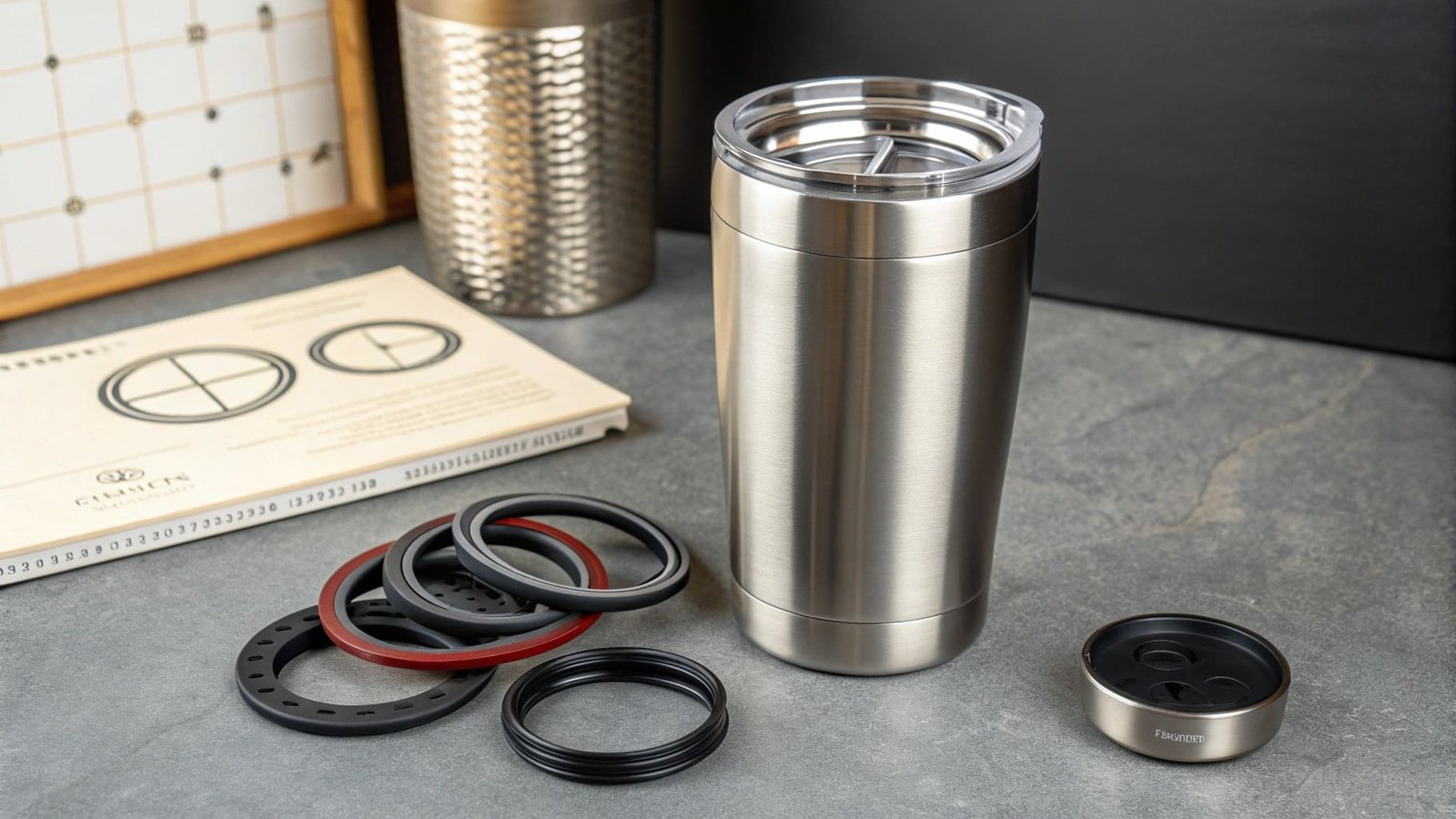
Why Automation Beats Manual Assembly
I remember visiting a factory where workers manually placed seal rings into tumbler lids. Each worker had their own technique. Some pressed too hard and deformed the rings. Others left gaps that caused leaks later. The quality varied from batch to batch.
Automation solves these problems in three ways:
| Benefit | Manual Assembly | Automated Assembly |
|---|---|---|
| Consistency | Varies by worker skill and fatigue | Same precision every cycle |
| Speed | 500-800 units per shift | 3000-5000 units per shift |
| Defect Rate | 2-5% typical | Under 0.5% with vision systems |
| Cost per Unit | Higher labor costs | Lower cost at high volumes |
The cost savings are real. When you factor in labor, training, and error correction, automation pays for itself within 18-24 months for most high-volume operations. I have seen clients reduce their assembly costs by 35-45% after switching to automated systems. But the benefit goes beyond money. Your product quality becomes predictable. Your delivery times become reliable. Your customers trust you more.
Which Jobs Are Done in an Automated Assembly Line by Robots?
Some buyers think robots can only do simple repetitive tasks. They worry that delicate silicone parts need a human touch. They doubt machines can handle the flexibility of silicone materials.
Robots handle pick-and-place operations, vision inspection, lubrication application, and precision insertion. Modern systems manage these tasks with better accuracy than human workers.
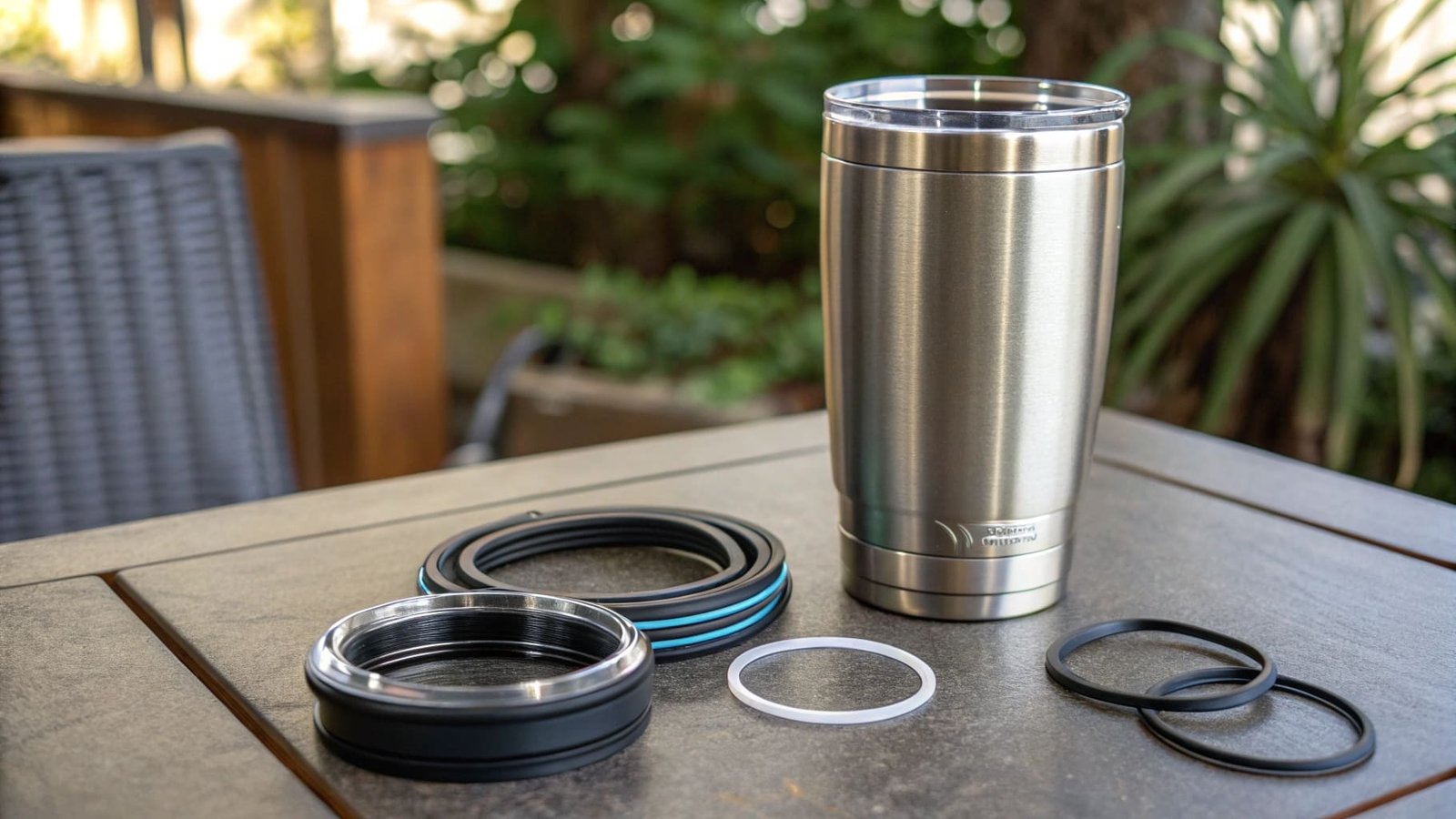
The Complete Robot Workflow
At silijoy, I design our products to work seamlessly with automated systems. Let me walk you through what robots actually do in a typical assembly line for silicone seal rings.
Pick-and-Place Operations: Robots equipped with vacuum grippers lift seal rings from feeders. The vacuum pressure is calibrated specifically for silicone's flexibility. Too much suction causes deformation. Too little causes drops. Getting this right took me years of testing, but now our seal rings work perfectly with standard vacuum systems.
Vision Inspection: High-resolution cameras scan each ring before assembly. The system checks for:
- Flash or excess material on edges
- Surface tears or contamination
- Dimensional accuracy within 0.1mm
- Proper shape without distortion
I have tested many vision systems. The best ones use AI to learn what good parts look like. They catch defects that even experienced inspectors miss. One client discovered that 3% of their manually inspected parts had micro-tears. Vision systems caught every single one.
Lubrication Stations: Some applications need lubricated seals for easy installation. Automated spray systems apply precise amounts. This is critical because too much lubricant contaminates the product, while too little makes insertion difficult. Manual application is inconsistent. Automation gets it perfect every time.
Robotic Insertion: The final step places the seal ring into its groove or housing. This requires sophisticated force feedback. The robot must press firmly enough to seat the ring properly but gently enough to avoid damage. Modern insertion tools can adjust in real-time based on resistance feedback. This level of control is impossible with manual assembly.
How Are Silicone O-Rings Made?
Understanding manufacturing methods confuses many buyers. They do not know which process works best for automation. They struggle to specify requirements to suppliers.
Silicone seal rings are produced through compression molding2, injection molding, or extrusion. Each method creates different characteristics that affect automation compatibility.
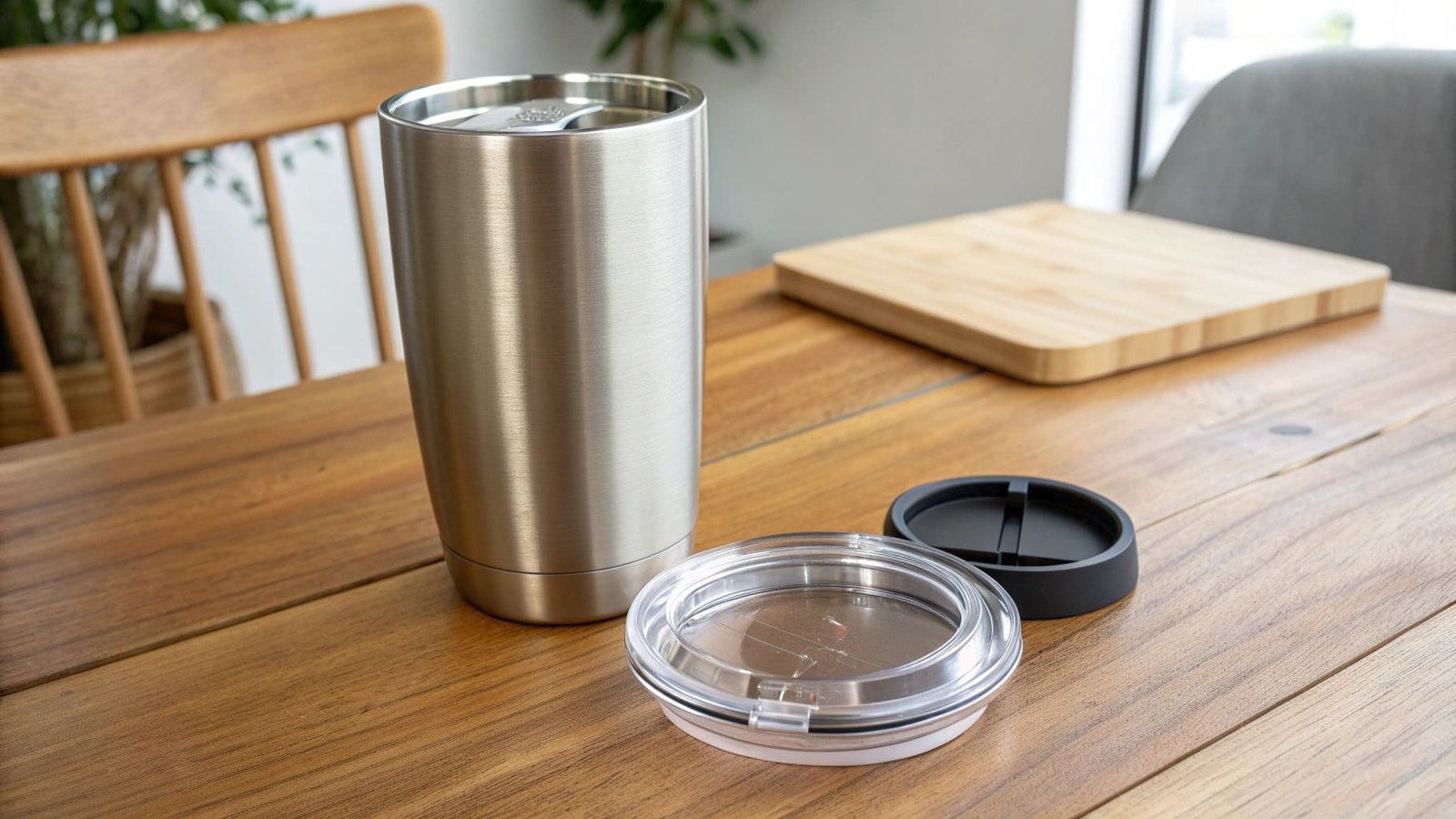
Manufacturing Methods and Automation Compatibility
I manufacture silicone seal rings using all three methods at silijoy. Each has unique advantages for automated assembly.
Compression Molding: This traditional method places uncured silicone in a mold cavity. Heat and pressure cure the material. The result is strong, consistent parts. However, compression molding creates parting lines where the mold halves meet. These lines mean the ring has a specific orientation. Your automation system must track this orientation during assembly. I solve this by adding small guide features that robots can detect. This adds complexity but ensures proper installation.
Injection Molding: Liquid silicone rubber is injected into closed molds under high pressure. This process creates parts with minimal parting lines and excellent dimensional consistency. For automation, injection-molded rings are ideal. They have no preferred orientation. They feed smoothly through automated systems. They maintain tight tolerances batch after batch. When clients tell me they plan to automate, I recommend injection molding3 if their volume justifies the higher tooling cost.
Extrusion and Splicing: Continuous silicone extrusion can create O-rings by cutting and joining ends. This method is cost-effective for custom sizes but creates a splice point. The splice is a weak spot that can fail under stress. For automated assembly, I do not recommend extruded rings unless the application involves very low stress. The splice point also creates orientation issues similar to compression molding.
Here is what I tell buyers planning automation:
| Factor | Compression | Injection | Extrusion |
|---|---|---|---|
| Dimensional Consistency | Good | Excellent | Fair |
| Automation Compatibility | Moderate | High | Low |
| Tooling Cost | Medium | High | Low |
| Best Use | Medium volumes | High volumes | Prototypes |
The manufacturing method affects more than just the ring itself. It determines feeder design, vision system requirements, and insertion tool complexity. I always discuss automation plans with clients before finalizing the manufacturing approach.
What About Material Handling Challenges?
Traditional rigid part feeders fail with flexible silicone. Parts nest together. They stick to surfaces. They deform under their own weight.
I have developed specialized feeding solutions through trial and error. Vibratory bowl feeders need custom track designs. The track walls must be smooth and slightly angled. A light coating of food-grade anti-stick compound helps parts separate. For very soft silicone, I recommend vision-guided robotic picking from bulk containers. The robot uses AI to identify individual parts even when they overlap.
Temperature matters too. Cold silicone becomes stiffer and easier to handle. Some automated lines include cooling stations right before the pick station. We keep parts at 15-18 degrees Celsius for optimal feeding. This simple trick cut feeding errors by 60% for one automotive client.
Conclusion
Silicone seal rings integrate successfully into automated lines when you understand material properties, manufacturing methods, and handling requirements. The investment pays back quickly through consistency and cost savings.