Should Wholesalers Offer Silicone Bottom Protector Bundles with Tumblers?
I watch wholesalers struggle every day. They miss obvious upsell opportunities. Their customers buy tumblers but damage furniture later.
Yes, wholesalers should offer silicone bottom protector bundles1 with tumblers. This pairing solves real customer problems like furniture scratches and noise while increasing order values. The key is transparent positioning about what silicone does well.
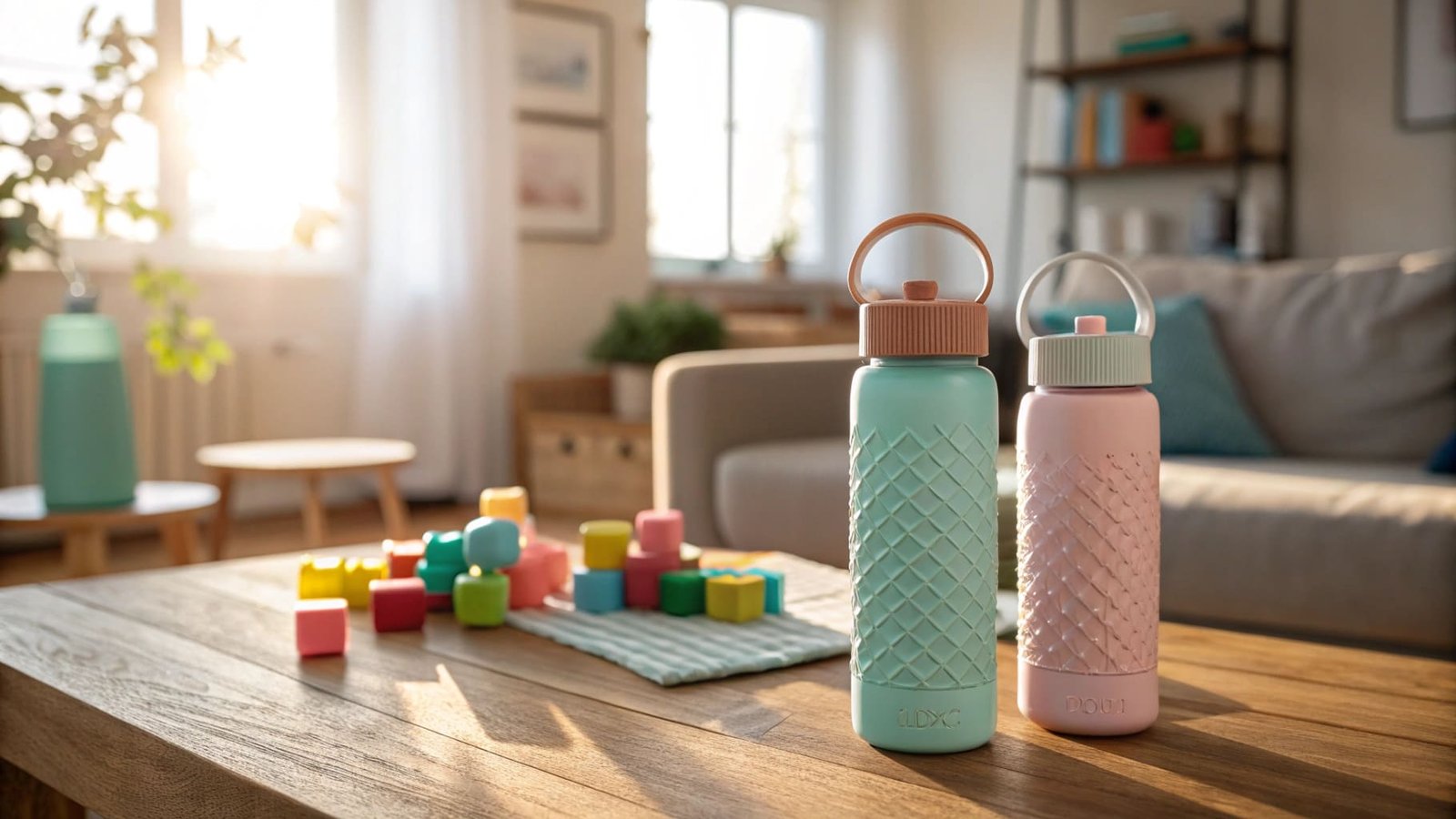
I have worked in B2B silicone products for over ten years. I learned that bundling works when you match product strengths to actual use cases. Let me show you why this bundle makes sense and what you need to know about silicone's limitations.
Is Silicone Cup Heat Resistant?
Your customers ask this question constantly. They worry their protectors will melt or warp. I hear this concern in every trade show conversation.
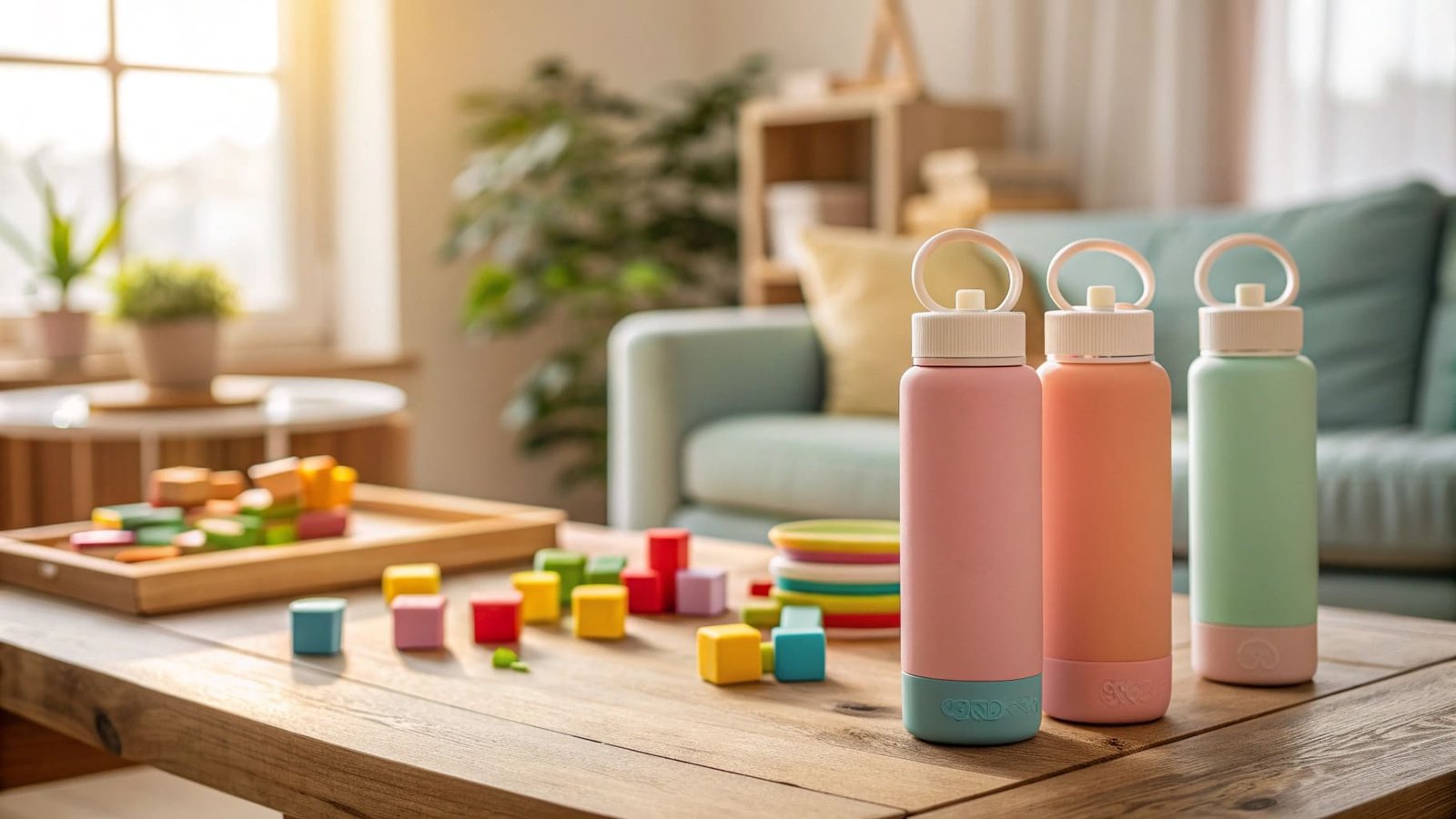
Yes, silicone cup protectors resist heat effectively. They handle temperatures from negative forty degrees Fahrenheit to four hundred sixty degrees Fahrenheit. This range covers all typical beverage temperatures safely.
Why This Matters for Your Bundle Strategy
I test silicone products daily at our factory in China. The thermal stability is not marketing hype. It is real performance data.
Your customers use tumblers for hot coffee in the morning. They switch to iced drinks in the afternoon. The silicone bottom protector handles both without breaking down.
This temperature range means the protector will not:
- Melt from hot beverages
- Crack from cold drinks
- Degrade from temperature cycling
- Release any harmful substances
Here is what I tell my B2B buyers:
| Temperature Range | Silicone Performance | Practical Application |
|---|---|---|
| Below 0°F | Remains flexible | Cold storage safe |
| 32°F to 150°F | Optimal performance | Daily beverage use |
| 150°F to 460°F | Heat resistant | Hot drinks and dishwashers |
| Above 460°F | May degrade | Avoid direct flame |
I once had a customer from Seattle. He imported five thousand tumbler sets. His end users complained about bottom heat transfer damaging wood tables. We added silicone protectors to his next order. The complaints stopped completely.
The heat resistance creates a barrier. This barrier protects surfaces from temperature extremes. Your wholesale customers value this dual function.
Why Do Some Bakers Choose Not to Use Silicone Bakeware?
I need to be honest here. Not every silicone application works perfectly. Some professional bakers avoid silicone completely. This fact matters for your credibility.
Professional bakers avoid silicone bakeware because of poor heat conduction2. This causes uneven baking, pale surfaces, and longer cooking times. The flexibility also creates handling problems with heavy batters.
Understanding Silicone's Limitations Builds Trust
I learned this lesson the hard way. A buyer from Toronto asked about silicone baking molds. I praised silicone without mentioning drawbacks. He tried them and came back angry. Now I always explain limitations upfront.
The heat conduction issue is real. Metal pans transfer heat quickly and evenly. Silicone insulates instead. This means:
Bakers get these problems:
- Longer baking times by ten to fifteen minutes
- Pale bottom crusts that never brown
- Uneven cooking between edges and center
- Soggy textures in some recipes
The flexibility creates another challenge. I saw this at a bakery in Vancouver last year. The baker filled a large silicone pan with heavy cake batter. When she lifted it, the pan bent. Batter spilled everywhere. She switched back to metal immediately.
Some users also report odors. Lower-grade silicone absorbs food smells. It can transfer these smells to new batches. Professional kitchens cannot accept this.
Here is the comparison I show wholesale buyers:
| Feature | Metal Bakeware | Silicone Bakeware |
|---|---|---|
| Heat conduction | Excellent | Poor |
| Browning | Perfect | Minimal |
| Stability | Rigid | Flexible |
| Weight capacity | High | Limited |
| Release | Needs grease | Natural |
| Durability | Scratches | Tears possible |
But here is the key point. Bottom protectors for tumblers do not need heat conduction. They need heat resistance. They leverage silicone's strengths while avoiding its weaknesses.
I tell my buyers this truth. Silicone works perfectly for cushioning and protecting. It works poorly for cooking applications that need even heat distribution. Your bundle focuses on the right application.
How to Prevent Silicone from Degrading?
Your wholesale customers will ask about longevity. They want products that last. I deal with this question in every quality discussion.
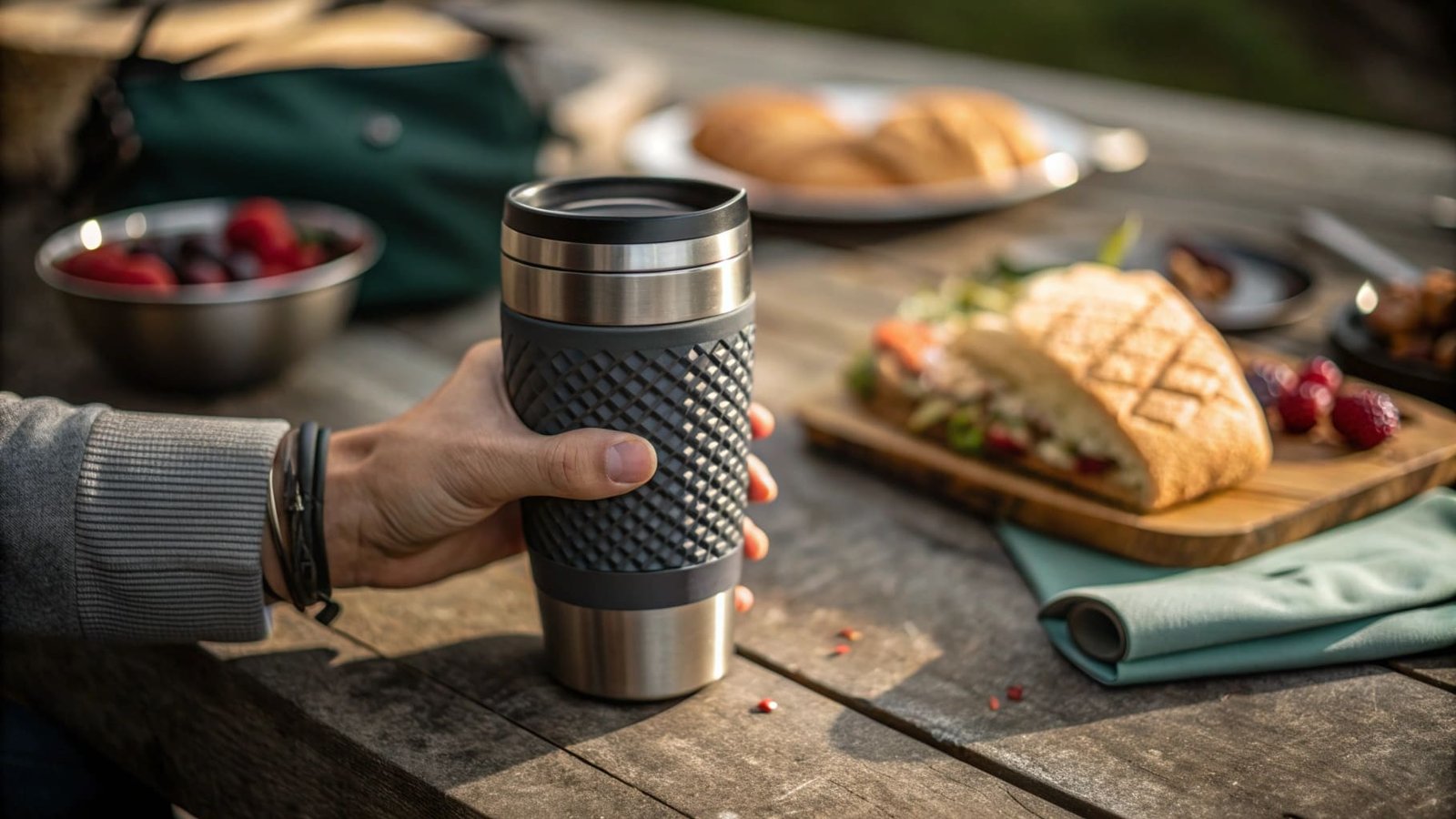
Prevent silicone degradation3 by avoiding extreme heat above four hundred sixty degrees, harsh chemicals, and sharp objects. Proper cleaning and storage extend product life significantly.
Practical Guidelines for Maximum Durability
I created these guidelines after years of customer feedback. Our return rate dropped from five percent to under one percent when we started educating buyers properly.
Your customers need simple care instructions to pass to their end users. Here is what works:
Temperature Control
Keep silicone away from direct flames. Ovens and dishwashers are fine. Open flames cause immediate damage. I saw a customer place a silicone protector directly on a gas stove once. It melted within seconds.
The four hundred sixty degree limit is real. Most household situations never reach this temperature. But inform your buyers anyway.
Chemical Exposure
Avoid these substances:
- Strong acids like concentrated vinegar
- Harsh alkalis like oven cleaners
- Petroleum-based solvents
- Bleach in high concentrations
Regular dish soap works perfectly. I use it on all our samples. The silicone stays flexible and clear for years.
Physical Damage Prevention
Sharp knives and pointed objects tear silicone easily. This is different from scratching metal. Silicone tears create permanent damage.
Rough surfaces during storage also cause problems. I recommend smooth shelves or protective boxes for wholesale storage.
Cleaning Best Practices
Here is the maintenance guide I give to all my wholesale partners:
| Maintenance Task | Frequency | Method | Why It Matters |
|---|---|---|---|
| Basic washing | After each use | Warm soapy water | Removes residue |
| Deep cleaning | Monthly | Baking soda paste | Eliminates odors |
| Inspection | Monthly | Visual check | Catches tears early |
| Proper storage | Always | Flat or hanging | Prevents deformation |
| UV protection4 | Always | Indoor storage | Stops material breakdown |
I had a distributor in New York. His customers complained about cloudy, sticky protectors after six months. We investigated his storage. The products sat in a sunny warehouse window. UV exposure caused the degradation. We moved the inventory. The problem disappeared.
The bundle you offer needs care instructions. Print them on small cards. Include them with each tumbler set. This small addition prevents customer service issues later.
Your B2B buyers appreciate transparency. They know every material has limits. When you explain these limits honestly, you build long-term relationships. The buyers who only care about the lowest price will leave anyway. The quality-focused importers and brand owners will stay.
I position our silicone bottom protectors as protective solutions. They excel at cushioning, grip, and thermal barriers. They do not excel at heat conduction for cooking. This honest positioning attracts better wholesale customers.
Conclusion
Bundle silicone bottom protectors with tumblers. Be transparent about what silicone does well. This approach builds trust and increases your wholesale order values effectively.
-
Explore how silicone bottom protectors can enhance tumbler sales and protect furniture. ↩
-
Learn about the differences in heat conduction and their effects on baking. ↩
-
Get tips on maintaining silicone products to extend their lifespan. ↩
-
Find out how UV exposure can affect silicone and how to protect it. ↩