Can Silicone Straw Hole Plugs Be Produced in Pantone-Matched Custom Colors?
Your brand identity depends on exact color matching. Your previous supplier delivered inconsistent shades across batches. You need precision, but you wonder if silicone products can truly match Pantone standards.
Yes, silicone straw hole plugs can be produced in Pantone-matched custom colors1. The process requires specialized color mixing expertise and proper equipment. Manufacturers use Pantone references as matching guides, though achieving exact matches in silicone involves unique technical challenges.
I have worked with hundreds of B2B buyers who faced this same color matching challenge. Many came to me after disappointing experiences with suppliers who promised perfect Pantone matches but delivered inconsistent results. The gap between expectation and reality often stems from misunderstanding how silicone material behaves during color production2.
Is it illegal to use Pantone colors?
You worry about legal issues. Your lawyer asked about trademark infringement. You need clarity before placing your order.
Using Pantone colors3 for manufacturing is legal. Pantone owns trademarks on their system and naming conventions. Manufacturers can match colors to Pantone standards without legal concerns.
Understanding Pantone Legal Boundaries
I remember when a Canadian buyer called me in panic. His lawyer had warned him about potential Pantone licensing issues. He was ready to abandon his color specifications completely. I walked him through the actual legal landscape.
Pantone owns intellectual property rights to their color system. They trademarked their color names and codes. They copyright their physical color guide books. But here is what matters for your production needs.
Manufacturers can legally reference Pantone colors as matching targets. We use Pantone guides as tools to achieve your desired shade. What we cannot do is claim official Pantone certification without paying licensing fees. We cannot reproduce Pantone guide books and sell them. We cannot use the Pantone trademark in ways that suggest official partnership.
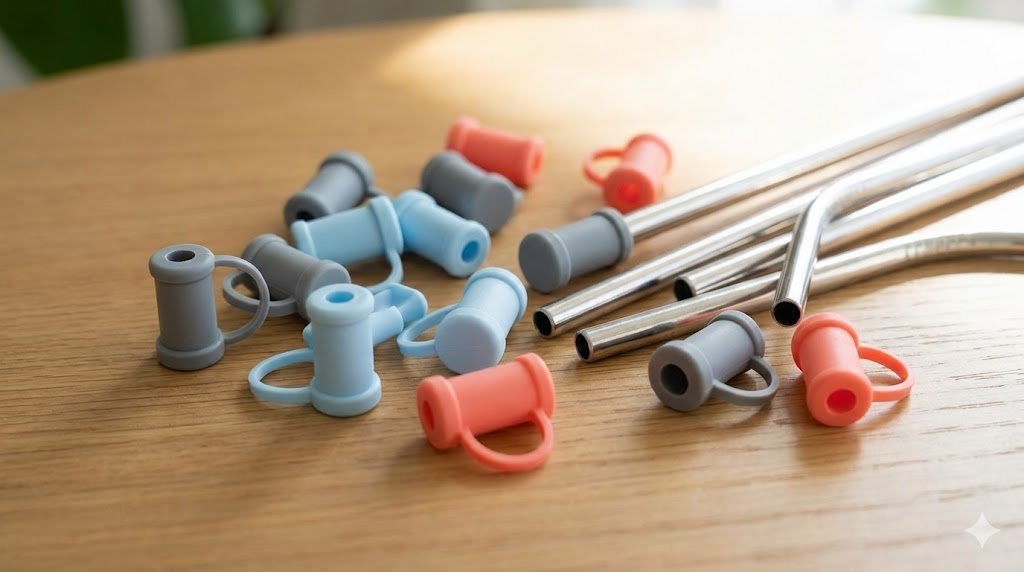
For silicone straw hole plugs4, the process works this way. You give me a Pantone code like PMS 186C. I use that code as a reference point. My color mixing team creates a silicone compound that matches that shade as closely as possible. I deliver the product to you. You use it in your branded tumbler accessories. No legal issues arise.
The confusion often comes from different industries. Fashion and printing face stricter rules about Pantone usage. Manufacturing for custom products operates under different standards. I have never encountered a legal challenge in fifteen years of producing custom-colored silicone products.
| Legal Aspect | Allowed | Not Allowed |
|---|---|---|
| Using Pantone codes as color references | Yes | Claiming official Pantone certification |
| Matching colors to Pantone standards | Yes | Reproducing Pantone guide books |
| Producing custom colors based on PMS codes | Yes | Using Pantone trademark misleadingly |
| Requesting Pantone-matched samples | Yes | Selling products as "Pantone certified" |
Can I translate a color into a Pantone?
You have a physical sample. You found the perfect shade on a competitor's product. You need to communicate this color to your supplier.
You can translate any color into a Pantone equivalent. Manufacturers use spectrophotometers or visual comparison tools. The closest Pantone match serves as your production specification reference.
The Color Translation Process
I once worked with a buyer who brought me a coffee cup lid. He wanted his straw hole plugs to match that exact burgundy shade. He had no Pantone code. He had no color specification. He just had that physical sample.
My team uses several methods for color translation. The most accurate approach involves a spectrophotometer. This device measures the exact wavelengths of light reflected by your sample. It generates a numerical color profile. We compare this profile against the Pantone library database. The system identifies the closest Pantone matches.
Visual comparison provides another option. We place your sample next to physical Pantone color chips under controlled lighting conditions. Daylight bulbs at 5000K color temperature give the most accurate results. We identify which Pantone chip matches most closely. This method works well but introduces some human interpretation.
Digital images present the biggest challenges. Your phone camera captures colors differently than your eyes see them. Monitor screens display colors inconsistently. Color profiles vary between devices. I always advise against relying solely on digital images for color specification.
The key challenge with silicone material is that final color appearance changes based on several factors. Silicone has natural translucency that affects how light interacts with the surface. The thickness of your straw hole plug impacts color depth. A 2mm thick plug looks lighter than a 5mm thick plug in the same color compound. Surface finish matters too. Matte surfaces appear different than glossy surfaces in identical colors.
I recommend this workflow for color translation. Send me your physical sample. I use spectrophotometry to identify the three closest Pantone matches. I create small test batches in each of those three shades. I ship you physical samples for approval under your lighting conditions. You select the best match. We proceed to full production with that specification locked in.
| Translation Method | Accuracy | Best For | Limitations |
|---|---|---|---|
| Spectrophotometer | Highest (95%+) | Any physical sample | Requires actual item |
| Visual comparison | Good (85-90%) | Color chips, samples | Lighting dependent |
| Pantone guide matching | Good (85-90%) | When sample unavailable | Subject to perception |
| Digital image matching | Low (60-70%) | Initial concepts only | Screen variations |
How does the Pantone color matching system work?
You need to understand the system. Your team must communicate accurately with suppliers. Mistakes cost time and money.
The Pantone Matching System5 assigns unique codes to standardized colors. Each code represents a specific shade with precise mixing formulas. This creates universal color language for global manufacturing communication.

Pantone System Mechanics in Silicone Manufacturing
I started learning the Pantone system twenty years ago when I first entered manufacturing. The concept seemed simple initially. I quickly discovered the complexity involved in practical application, especially with silicone materials.
Pantone created their system in 1963 to solve a fundamental problem. Designers needed reliable ways to specify colors that printers could reproduce consistently. The system assigned each color a unique identifier. PMS 186C means a specific red shade. Anyone with a Pantone guide can see exactly what that red looks like.
The letter suffix matters significantly. C stands for coated paper. U means uncoated paper. Different materials absorb and reflect light differently. This same principle applies dramatically to silicone. A Pantone match that looks perfect on coated paper may require adjustment for silicone material.
Pantone guides use standardized printing with specific inks on controlled paper stocks. The physical fan decks or chip books serve as the reference standard. When you specify PMS 186C, you reference a physical color chip that exists in the official Pantone guide.
In silicone manufacturing, we start with pigment masterbatches. These concentrated color compounds get mixed into clear or white silicone base material. The mixing ratios determine the final shade. My color lab maintains detailed formulas for achieving close Pantone matches.
The silicone curing process introduces variables. Heat affects how pigments develop. Curing at 160°C for four minutes might produce a slightly different shade than curing at 180°C for three minutes. We control these parameters strictly to maintain consistency.
I test every batch with color measurement equipment. We compare the cured silicone against the Pantone reference under standard D65 illumination. This lighting simulates natural daylight. I aim for a Delta E value below 1.5, which represents the threshold where human eyes typically cannot detect color differences.
For straw hole plugs specifically, the small size amplifies any color inconsistency. A buyer once rejected an entire shipment because one batch appeared slightly lighter. The Delta E measured 2.1 - barely detectable but visible when plugs from different batches sat side by side. I remade that entire order at my cost because precision matters for brand consistency.
| Pantone Component | Function | Impact on Silicone |
|---|---|---|
| Unique code (e.g., 186C) | Identifies specific color | Must adapt for material |
| Physical reference chip | Shows target appearance | Silicone surface differs |
| Mixing formula | Guides ink ratios | Translated to pigment ratios |
| Lighting standard | Ensures consistent viewing | Critical for final QC |
| Material substrate | Paper type in original | Silicone properties vary |
Conclusion
Silicone straw hole plugs can absolutely be produced in custom Pantone-matched colors. The process demands technical expertise, proper equipment, and realistic expectations about material-specific challenges.
-
Explore this link to understand how Pantone-matched colors can enhance your brand identity. ↩
-
Gain insights into the color production process and its challenges in manufacturing. ↩
-
Find out about the legal aspects of using Pantone colors in your products. ↩
-
Learn about silicone straw hole plugs and their benefits for your products. ↩
-
Understand the mechanics of the Pantone Matching System for better color communication. ↩