What Marketing Materials Do Suppliers Provide with Bulk Silicone Boot Orders?
Last month, I received a call from a buyer who seemed frustrated. He told me his previous supplier sent him only a basic product catalog. His sales team struggled to explain the product value to retailers. I realized then how many suppliers miss this point.
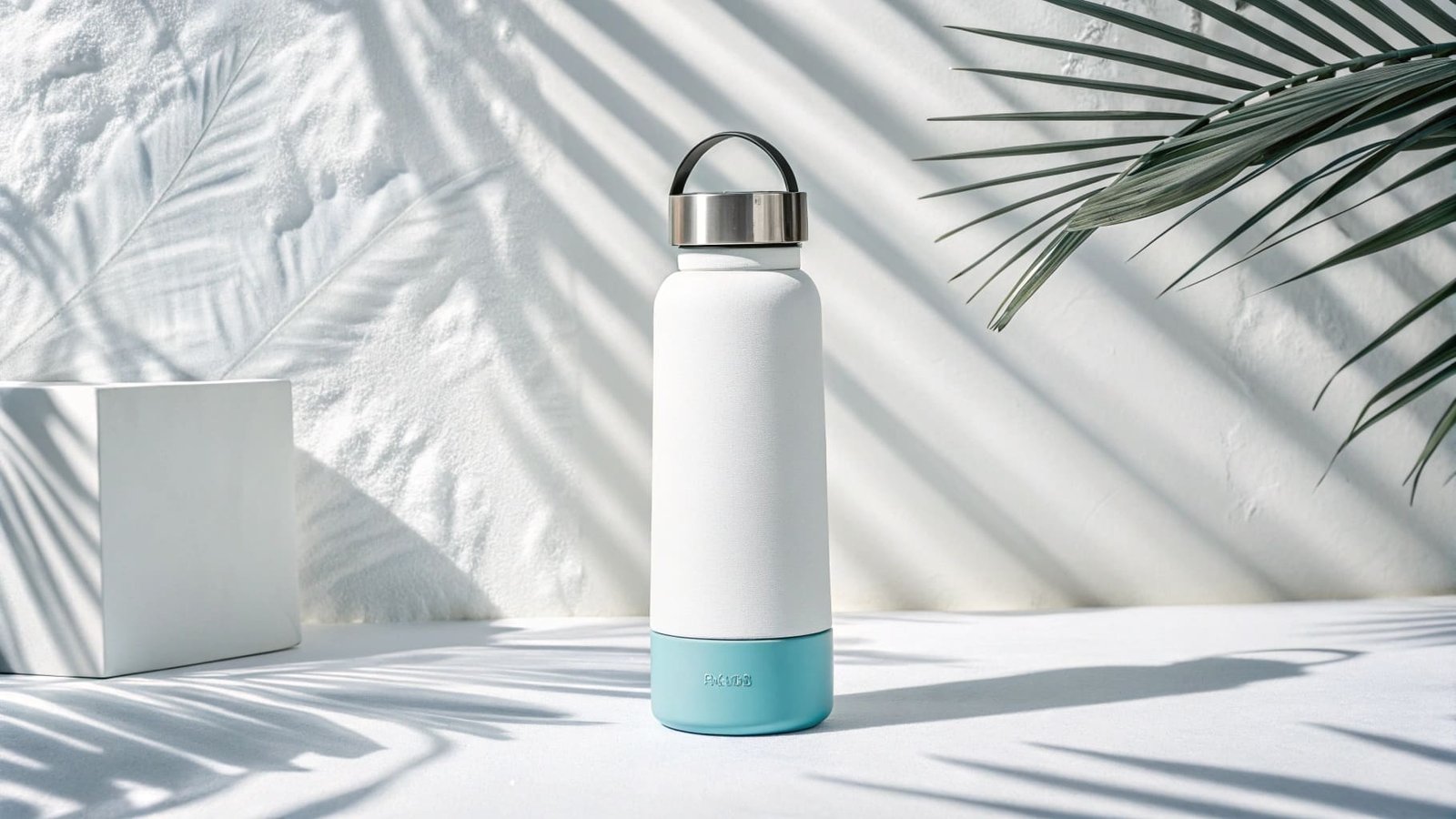
When you place bulk orders for silicone boots, most professional suppliers provide high-resolution product photos, technical specification sheets1, material certification documents, lifestyle images, comparison charts, packaging design templates, and brand positioning guides. These materials help you sell the products effectively to your customers.
I have worked with hundreds of buyers over the years. The ones who succeed share one thing in common. They choose suppliers who understand marketing support matters just as much as product quality. Let me walk you through what you should expect.
What is the best material for rubber boots?
You might feel confused when suppliers throw terms like TPR, PVC, and silicone at you. Each material has its fans, but picking the wrong one costs money. Your end customers will notice the difference fast.
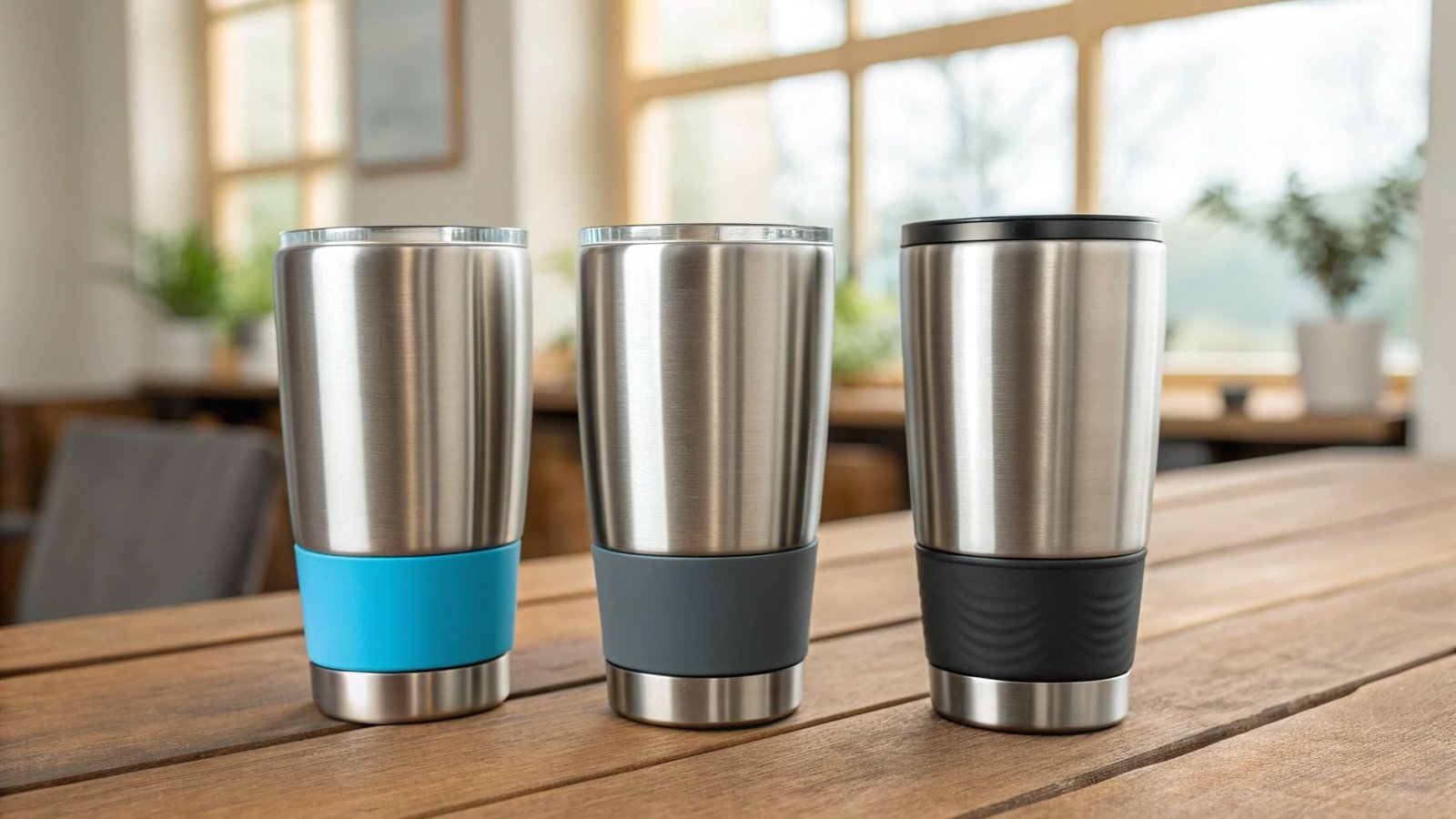
Medical-grade silicone outperforms traditional rubber in temperature resistance, flexibility, and durability. It stays stable from -40°C to 230°C, resists UV damage, and carries FDA and LFGB certifications2 for food-grade applications. Silicone also offers hypoallergenic properties that matter in medical and food industry settings.
I remember when a buyer came to me last year. He was selling boot protectors to restaurant supply chains. His previous rubber boots failed health inspections. The material contained phthalates that violated food safety standards. We switched him to silicone. His certification issues disappeared overnight.
Natural rubber breaks down when exposed to oils and chemicals. PVC becomes brittle in cold weather. TPR shows decent performance but lacks the premium feel that high-end markets demand. Silicone stands out because it maintains its properties across extreme conditions. I have tested our boots in freezing warehouses and hot loading docks. The material keeps its grip and flexibility in both environments.
The cost difference makes some buyers hesitate. Silicone costs more upfront than rubber alternatives. But I tell buyers to look at the full picture. Silicone boots last three times longer than rubber ones. Your customers replace them less often. That means fewer complaints and better reviews. The lifetime value justifies the initial investment.
Here is a quick comparison I share with my buyers:
| Material | Temperature Range | Food Safety | Durability | Price Point |
|---|---|---|---|---|
| Silicone | -40°C to 230°C | FDA approved | Excellent | High |
| Natural Rubber | -20°C to 80°C | Limited | Good | Medium |
| TPR | -30°C to 100°C | No | Fair | Low |
| PVC | -10°C to 60°C | No | Poor | Low |
What is the best rubber boot brand?
You probably noticed something interesting in this market. Few dominant brands exist. This confuses buyers who come from industries with clear market leaders. But this gap creates your opportunity.
Most silicone boot suppliers operate as white-label manufacturers. This means you can build your own brand with the right marketing materials. Strong suppliers provide customizable packaging designs3, brand story templates, and market positioning guides that help you establish brand presence without starting from scratch.
I work mostly with buyers who want to create their own brands. They see the silicone boot market lacks the big names that control rubber boot sales. This makes entry easier. You do not compete against century-old brands with massive marketing budgets.
One of my Canadian buyers started three years ago. He had no brand recognition. We provided him with packaging design templates4 that matched his target market aesthetic. I gave him technical spec sheets he could rebrand. We helped him develop a brand story around premium quality and environmental responsibility. Today, his brand appears in major retail chains across Ontario.
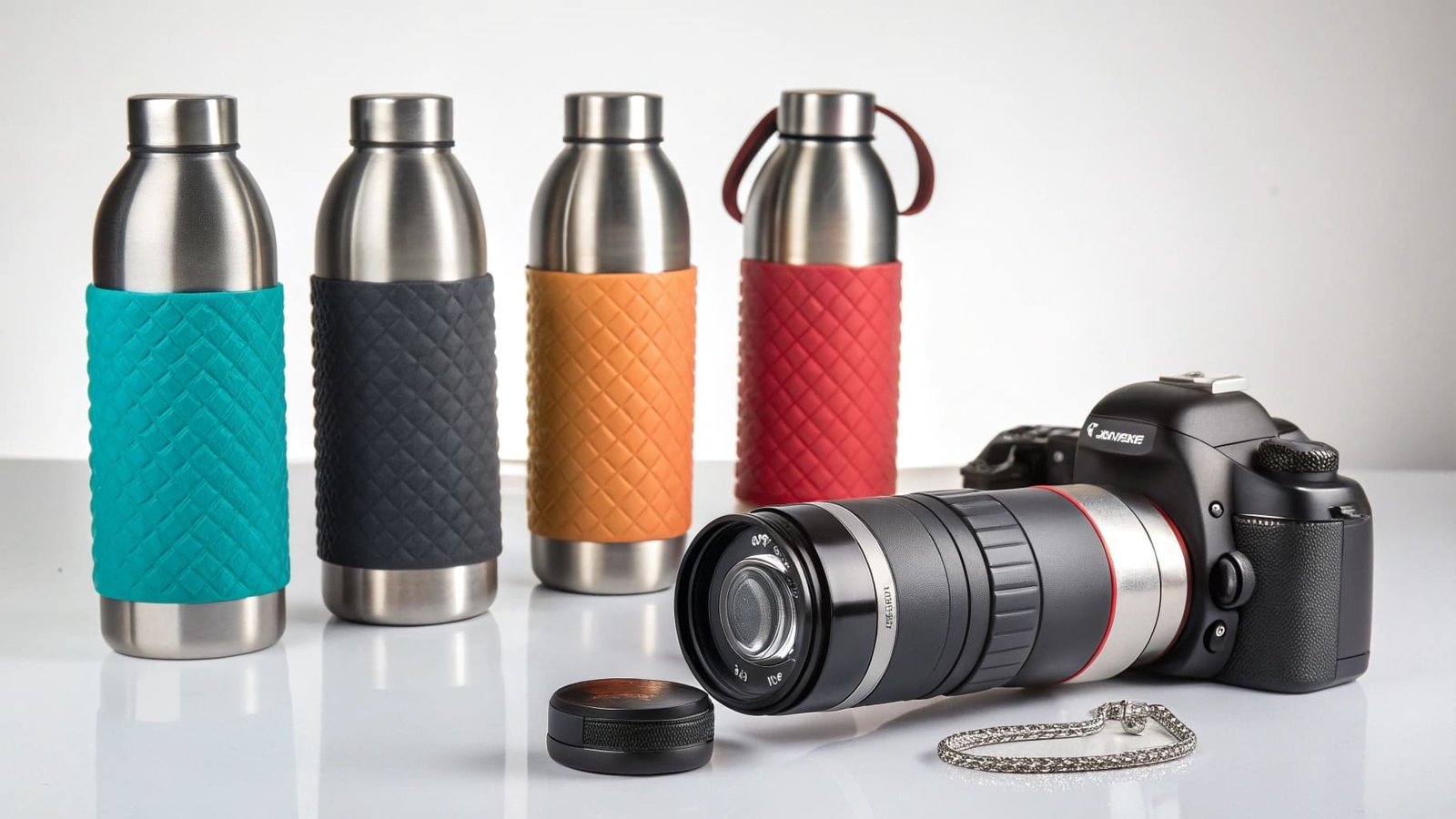
The marketing materials matter here. When you receive your bulk order, you should get editable design files for packaging. You need high-quality product photos you can use on your website and social media. I provide my buyers with lifestyle images showing the boots protecting expensive drinkware. These images tell a story that generic product shots cannot match.
I also create comparison guides for my buyers. These documents show why silicone beats cheaper alternatives. Your sales team needs these tools. When a retailer asks why your boots cost more than the competition, your team needs clear answers. The comparison guides I provide break down the value proposition in language that makes sense to non-technical buyers.
Building a brand takes time. But the right marketing materials accelerate the process. I have seen buyers go from unknown startups to recognized suppliers within two years. The key lies in the foundation you build with your initial marketing collateral.
What is the point of Owala boot?
Your customers ask this question more than you think. They see a silicone sleeve on a tumbler and wonder why they need it. If you cannot answer this clearly, your sales suffer. The explanation needs to be simple and compelling.
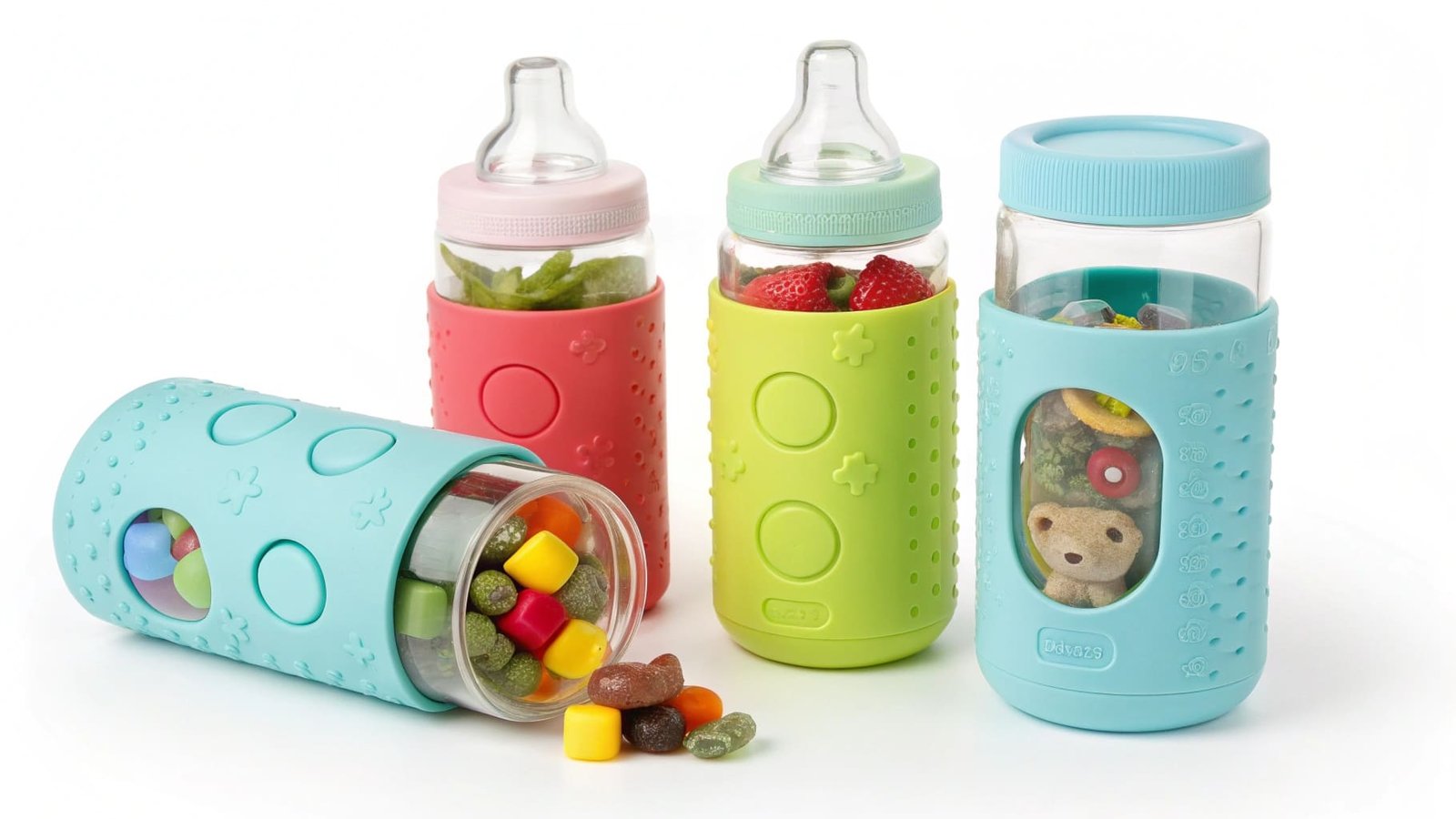
Silicone tumbler boots protect surfaces from scratches, reduce noise when setting down the cup, provide better grip to prevent slipping, and extend the tumbler lifespan by absorbing impact. They also add personalization options and improve insulation. These practical benefits justify the purchase for end users.
I learned to explain product value through stories. Last winter, a buyer told me about his customer feedback. People loved how the silicone boots stopped their expensive tumblers from sliding off car cup holders. Others mentioned the boots protected wooden tables from condensation rings. Some customers just liked how the boots let them customize their tumbler colors.
The marketing materials I provide focus on these real-world problems. I create use-case scenarios that buyers can share with their sales teams. For example, I show how office workers benefit from quieter cup placement during meetings. I demonstrate how gym users appreciate the extra grip during workouts. I explain how parents value the added protection against accidental drops.
The ROI calculation matters too. A quality tumbler costs between thirty and fifty dollars. A silicone boot costs three to five dollars wholesale. But it can prevent a cracked tumbler from a single drop. The math makes sense when you present it this way. I include these calculations in the marketing materials I send with bulk orders.
Here is how I break down the value proposition for different market segments:
| Customer Segment | Primary Benefit | Secondary Benefit | Price Sensitivity |
|---|---|---|---|
| Office Workers | Noise reduction | Professional appearance | Medium |
| Gym Users | Better grip | Durability | Low |
| Parents | Drop protection | Easy cleaning | High |
| Outdoor Enthusiasts | Temperature insulation | Rugged protection | Low |
The functionality-focused approach works better than feature lists. When I send marketing materials with bulk orders, I include problem-solution frameworks like this. Your sales team can adapt these frameworks to their specific markets. The consultative selling approach converts better than traditional product pitching.
I also provide technical details for buyers who sell to engineers or quality control managers. These buyers need material certifications, stress test results, and compatibility specifications. I include all these documents in my marketing material packages. Different buyer types need different information. Your supplier should recognize this and provide comprehensive coverage.
Conclusion
The right marketing materials transform you from a product reseller into a market expert. Choose suppliers who understand this and provide the tools you need to succeed in your specific market.
-
Learn how these sheets provide essential product details that can help in decision-making. ↩
-
Explore the significance of these certifications in ensuring product safety for consumers. ↩
-
Explore how customizable packaging can enhance your brand's appeal and marketability. ↩
-
Explore how effective packaging design can elevate your brand's presence in the market. ↩