Can Silicone Water Repellent 10oz Bottles Work for Industrial Gasket Kits?
I remember the day a Canadian distributor called me in panic. His water pump gaskets were failing, and he blamed the silicone sealant I supplied. The real problem? He used the wrong type for his application.
Silicone water repellent bottles can work for industrial gasket kits1, but success depends on matching the formulation to your specific operating conditions. The bottle size matters less than the silicone's temperature rating, chemical resistance, and compatibility with your gasket materials2.
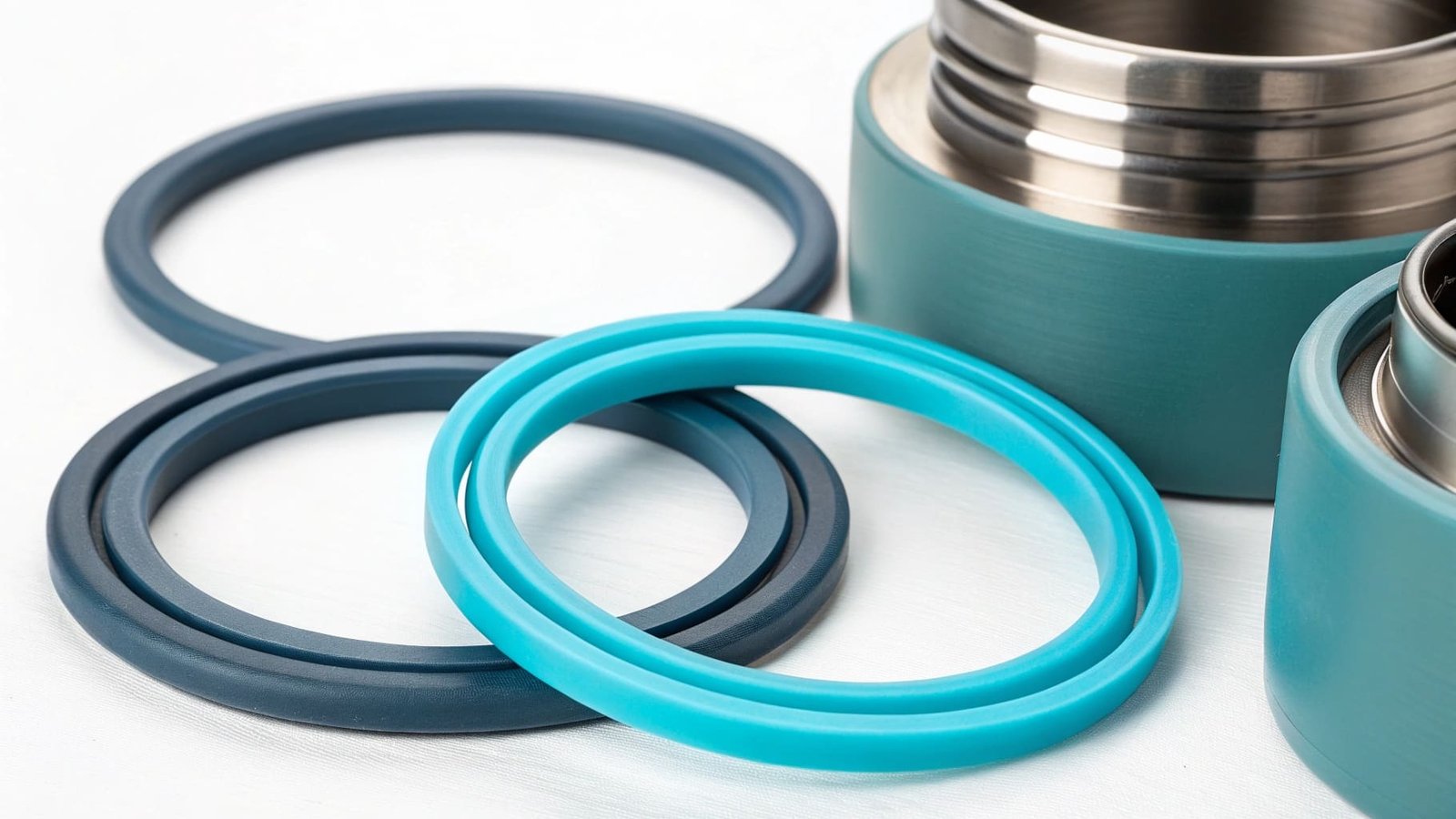
Most procurement officers focus on packaging formats like 10oz bottles when they should prioritize technical specifications. I learned this after years of helping distributors avoid costly mistakes. The questions you ask your supplier determine whether your gaskets will perform or fail in the field.
Is There a Difference Between Marine Silicone and Regular Silicone?
Marine environments destroy regular silicone within months. I watched this happen to a customer who tried saving costs by using standard formulations on boat engine gaskets.
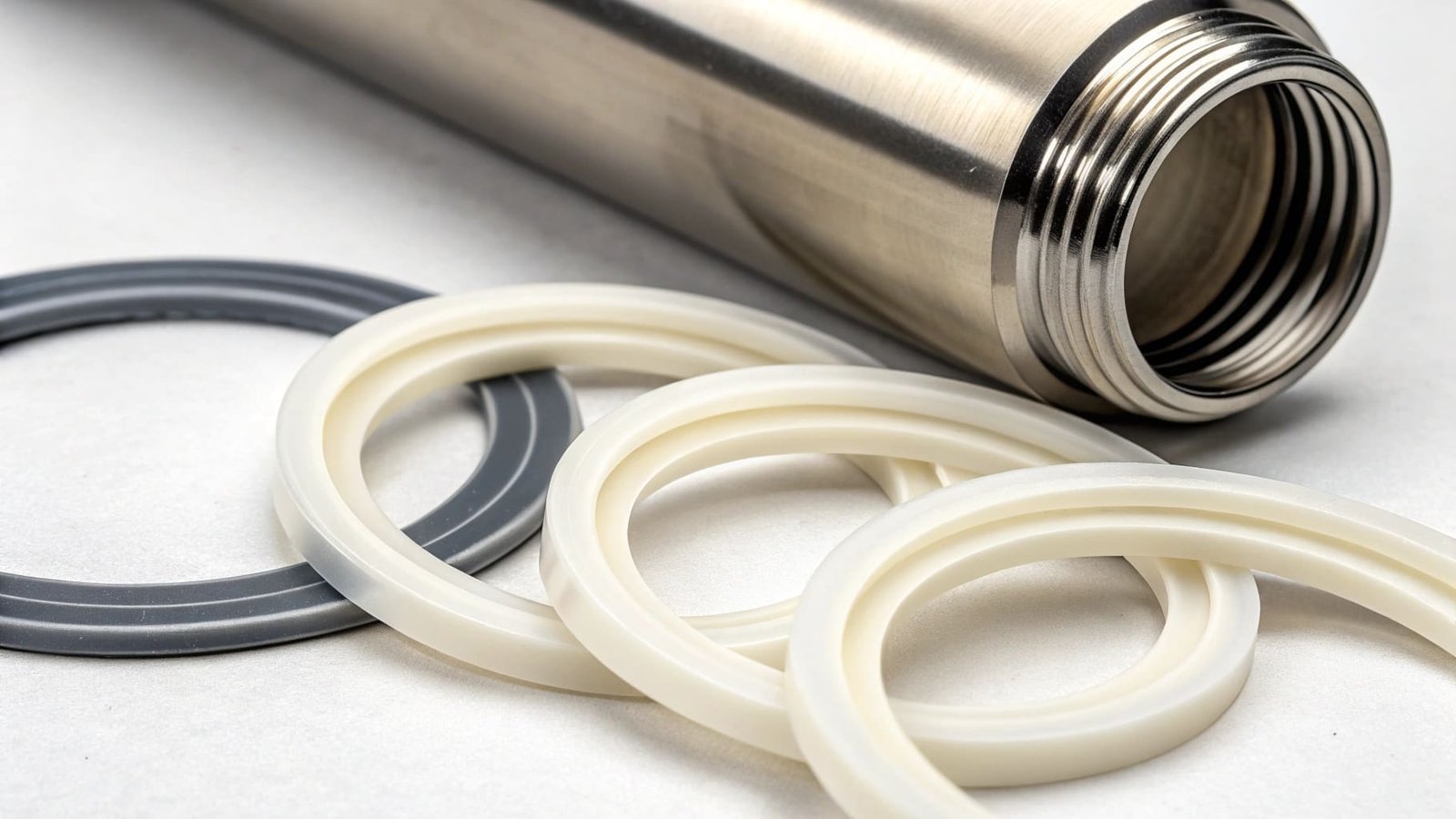
Marine silicone contains specialized additives that resist saltwater corrosion, UV degradation, and extreme temperature swings. Regular silicone lacks these protective compounds and fails quickly in harsh marine conditions.
Understanding Marine-Grade Formulations
Marine silicone costs more because manufacturers add specific protective agents. These additives create a barrier against salt crystallization. Salt crystals form when seawater evaporates, and they tear apart standard silicone structures at the molecular level.
I source marine-grade silicone for clients who ship products to coastal regions. The key differences include:
| Property | Marine Silicone | Regular Silicone |
|---|---|---|
| Salt resistance | High | Low |
| UV stability | Enhanced | Basic |
| Temperature range | -65°F to 450°F | -40°F to 350°F |
| Adhesion in wet conditions | Superior | Poor |
| Cost per unit | 30-50% higher | Standard |
UV stabilizers in marine formulations prevent the polymer chains from breaking down under direct sunlight. Regular silicone turns brittle and cracks after just a few months of sun exposure. I have seen this destroy entire shipments of gaskets that customers installed on outdoor equipment.
The temperature range matters more than buyers realize. Marine engines experience rapid temperature changes when cold water contacts hot metal surfaces. These thermal shocks cause regular silicone to lose flexibility and create leak paths. Marine-grade formulations maintain their elastic properties through these cycles.
Can You Use Silicone on a Rubber Gasket?
A procurement officer once ordered 5,000 units from me without checking compatibility. The silicone reacted with his EPDM gaskets, creating an oily mess that ruined his entire inventory.
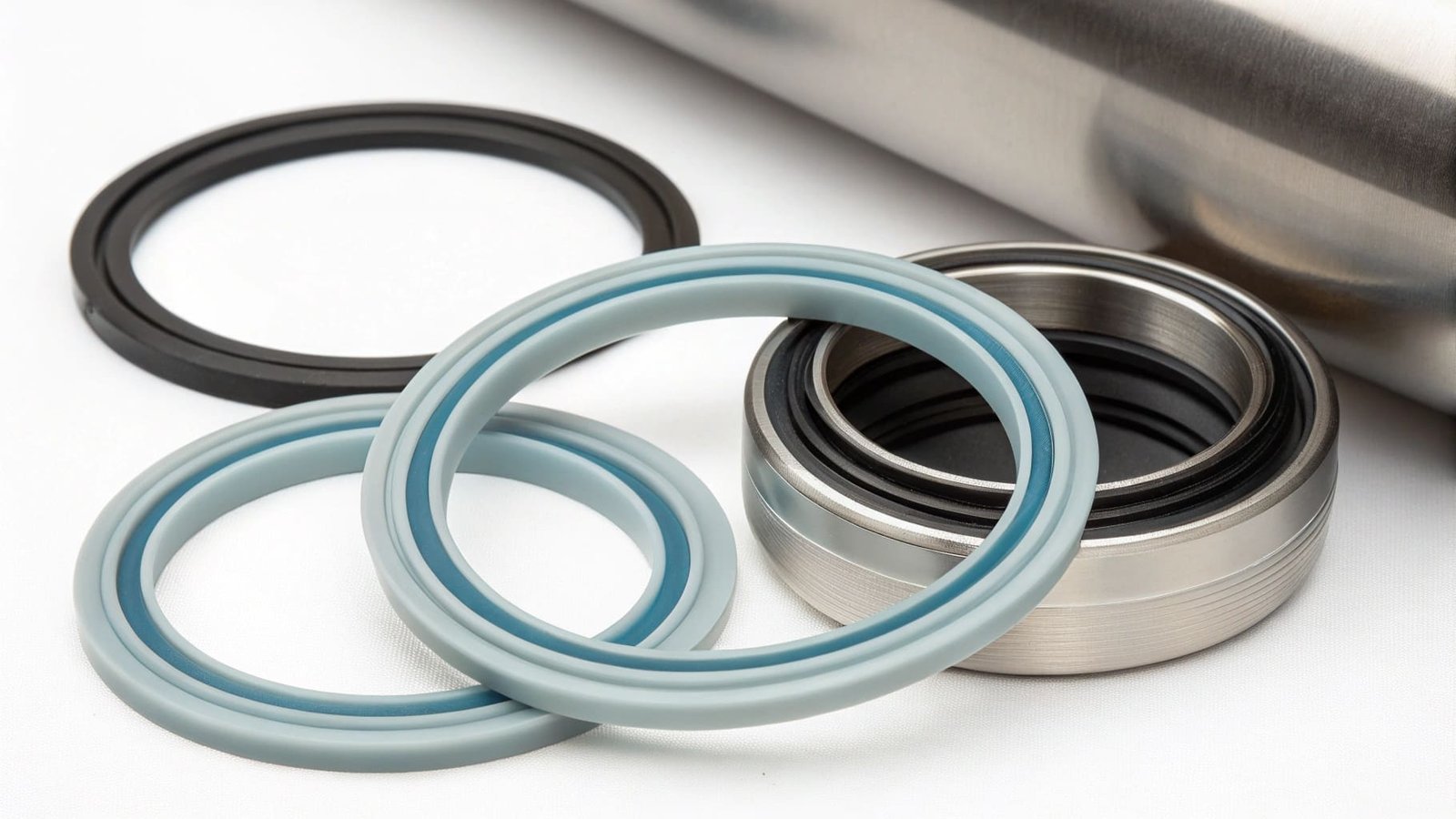
You can use silicone on some rubber gaskets, but certain rubber types reject silicone bonding or experience chemical reactions. EPDM, neoprene, and oil-saturated rubbers often fail to bond properly with standard silicone sealants.
Compatibility Testing Requirements
I always tell buyers to request compatibility data before placing large orders. Chemical incompatibility shows up in several ways. The silicone might not cure properly. It might slide off the rubber surface. Or it might cause the rubber to swell and deform.
Oil content in rubber creates the biggest problems. EPDM gaskets contain oils that migrate to the surface. These oils prevent silicone from forming strong molecular bonds with the rubber. The seal might look good initially, but it fails under pressure or temperature stress.
Here is what I test before recommending silicone for rubber gaskets:
Testing Parameters
Surface Preparation
The rubber surface needs cleaning with isopropyl alcohol. Any residual oils or mold release agents block adhesion. I have seen buyers skip this step and then complain about seal failures.
Cure Time Verification
Some rubber compounds release chemicals that slow silicone curing. A seal that should cure in 24 hours might take 72 hours or never fully cure. This creates soft spots that leak under pressure.
Temperature Cycling
I recommend testing gasket assemblies through three temperature cycles. Heat them to the maximum operating temperature, then cool them to ambient. This reveals whether the silicone maintains its bond and flexibility.
| Rubber Type | Silicone Compatibility | Special Requirements |
|---|---|---|
| Nitrile (NBR) | Good | Clean surface thoroughly |
| Silicone rubber | Excellent | Use primer for best results |
| EPDM | Poor to Fair | Requires special primers |
| Neoprene | Fair | Test before large orders |
| Natural rubber | Good | Avoid high-temperature silicone |
The table shows general guidelines, but you need specific testing for your application. I have helped buyers source compatible combinations after they experienced field failures. Those failures cost them customer relationships and thousands in warranty claims.
What is the Best Sealant for a Water Pump Gasket?
I supply gasket solutions to automotive distributors across North America. The most common mistake they make is choosing sealant based on price instead of temperature requirements.
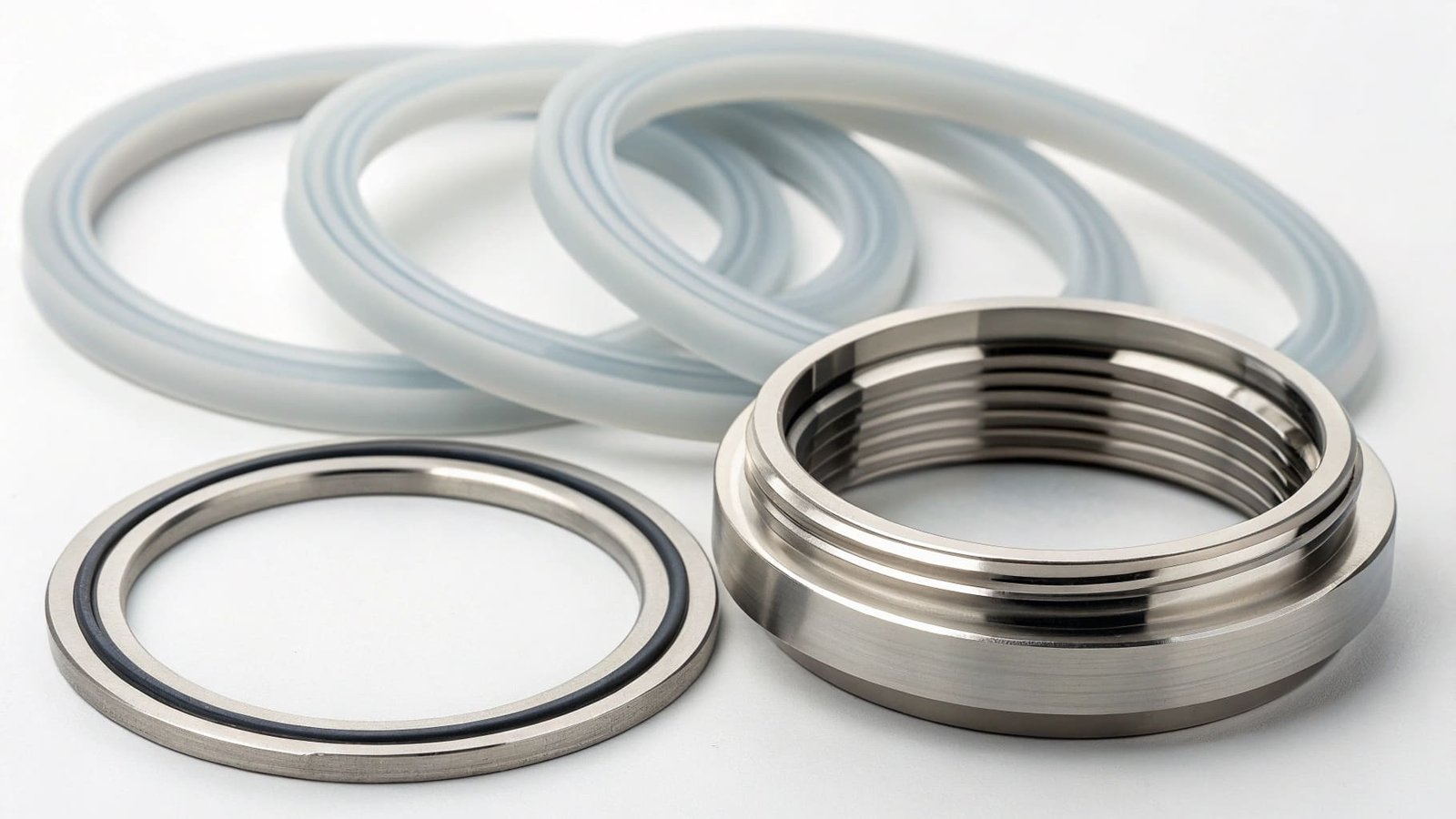
RTV silicone rated for continuous exposure above 300°F works best for high-temperature water pumps. Automotive water pumps can use lower-grade formulations, but you must verify the temperature rating matches your operating conditions.
Selecting Sealant by Operating Conditions
Temperature determines everything in water pump applications. I learned this when a customer's gaskets failed on industrial pumps operating at 280°F. He used automotive-grade silicone rated for only 250°F continuous use. The silicone turned soft and blew out under pressure.
Water pumps create unique challenges. The combination of water, pressure, and temperature cycling stresses gasket materials more than most applications. You need a sealant that maintains its properties through these conditions.
Critical Selection Factors
Temperature Rating
Always check continuous operating temperature, not intermittent. Marketing materials often list peak temperatures that the silicone can withstand for short periods. Your pump runs continuously, so you need the continuous rating.
Chemical Resistance
Water alone seems harmless, but antifreeze, corrosion inhibitors, and pH variations attack sealants. I recommend sealants with broad chemical resistance for industrial applications. You cannot predict what chemicals might contact the gasket during its service life.
Cure Time and Conditions
Some RTV silicones need moisture to cure. Others cure through chemical reactions. Moisture-cure silicones can fail in dry environments or when buyers assemble pumps too quickly. I have seen buyers install pumps before the silicone fully cured, then wonder why they leak.
Here is what I specify for different water pump types:
| Pump Type | Recommended Sealant | Temperature Range | Key Properties |
|---|---|---|---|
| Automotive | Standard RTV | Up to 250°F | Fast cure, moderate cost |
| Industrial | High-temp RTV | Up to 400°F | Chemical resistant |
| Food processing | FDA-approved | Up to 350°F | Non-toxic, tasteless |
| Marine | Marine-grade RTV | Up to 300°F | Salt and UV resistant |
The packaging format like 10oz bottles matters only for application convenience. I supply various sizes, but buyers should focus on the technical datasheet first. A 10oz bottle of wrong silicone causes more problems than a 3oz tube of the correct formulation.
Application Thickness
Water pump gaskets need thin, even sealant layers. Thick applications trap solvents and prevent proper curing. I recommend 0.010 to 0.020 inches maximum. Buyers often apply too much, thinking more is better. The excess squeezes out and can block water passages.
Torque Sequence
The proper torque sequence matters as much as the sealant choice. Uneven tightening creates stress points where gaskets fail. I provide torque specifications with my gasket kits, but some buyers ignore them and then blame the sealant when leaks develop.
Conclusion
Choosing the right silicone for industrial gasket applications requires understanding marine versus regular formulations, rubber compatibility, and temperature requirements. Focus on technical specifications rather than package sizes to avoid costly failures.