Why Is Silicone Naturally Waterproof for Gasket Manufacturing Applications?
I've worked with hundreds of gasket suppliers over the years. Most promise quality. Few deliver waterproof seals1 that last. You need to understand why silicone works differently.
Silicone is naturally waterproof because its molecular structure repels water. The silicon-oxygen bonds create a hydrophobic surface that prevents moisture absorption. This makes silicone gaskets2 ideal for sealing applications where water resistance is critical.
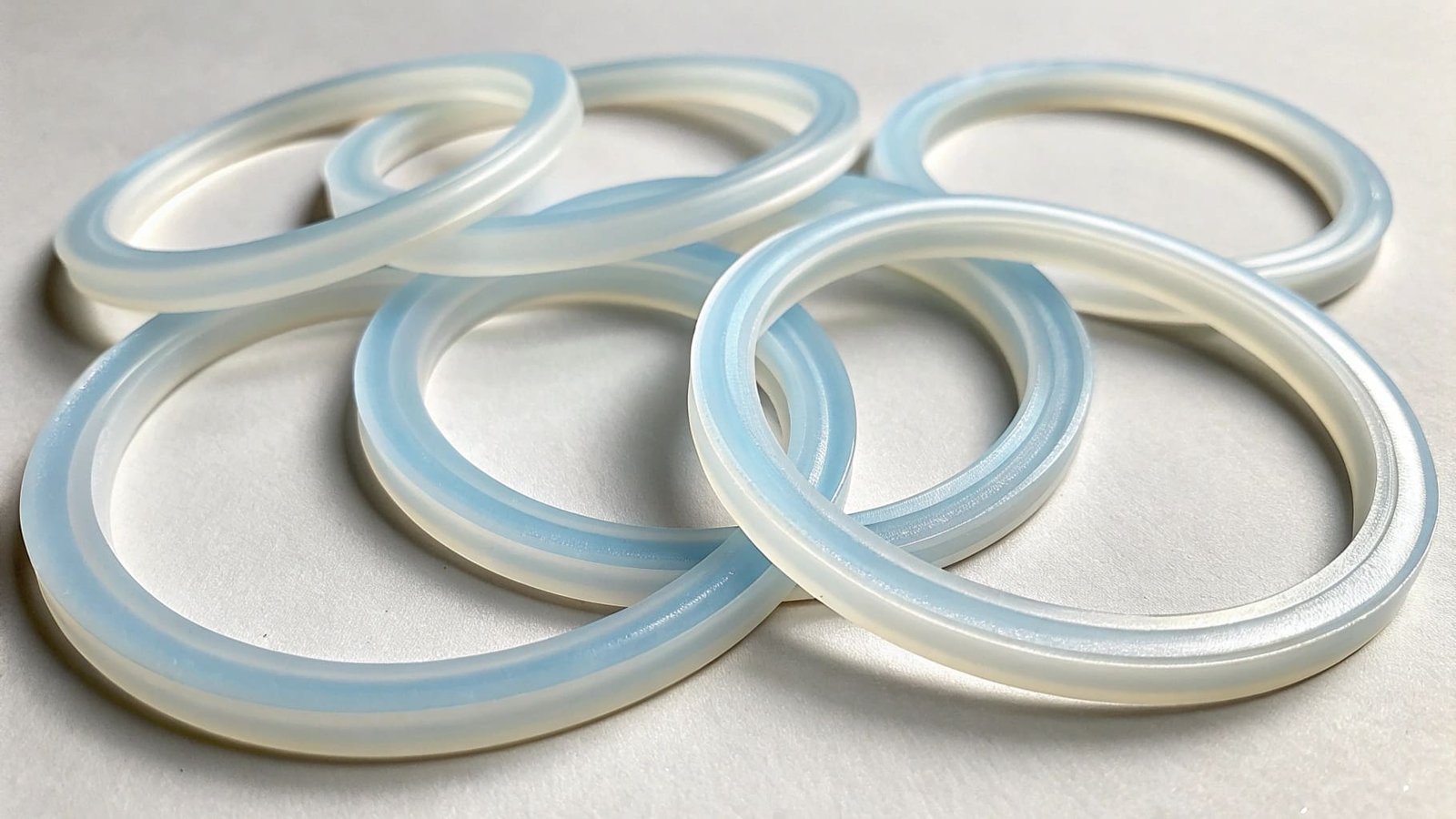
I remember my first large order of silicone gaskets. The buyer asked me point-blank: "Will these seals hold up in wet environments?" I had to give him facts, not sales talk. That conversation changed how I explain silicone properties to clients.
Is silicone naturally waterproof?
Water runs off silicone like rain on a car windshield. This isn't a coating or treatment. The material itself pushes water away at the molecular level.
Silicone polymers feature silicon-oxygen bonds with methyl groups attached. These methyl groups create a non-polar surface. Water molecules are polar. They cannot bond with the silicone surface. This is why water beads up and rolls off instead of soaking in.
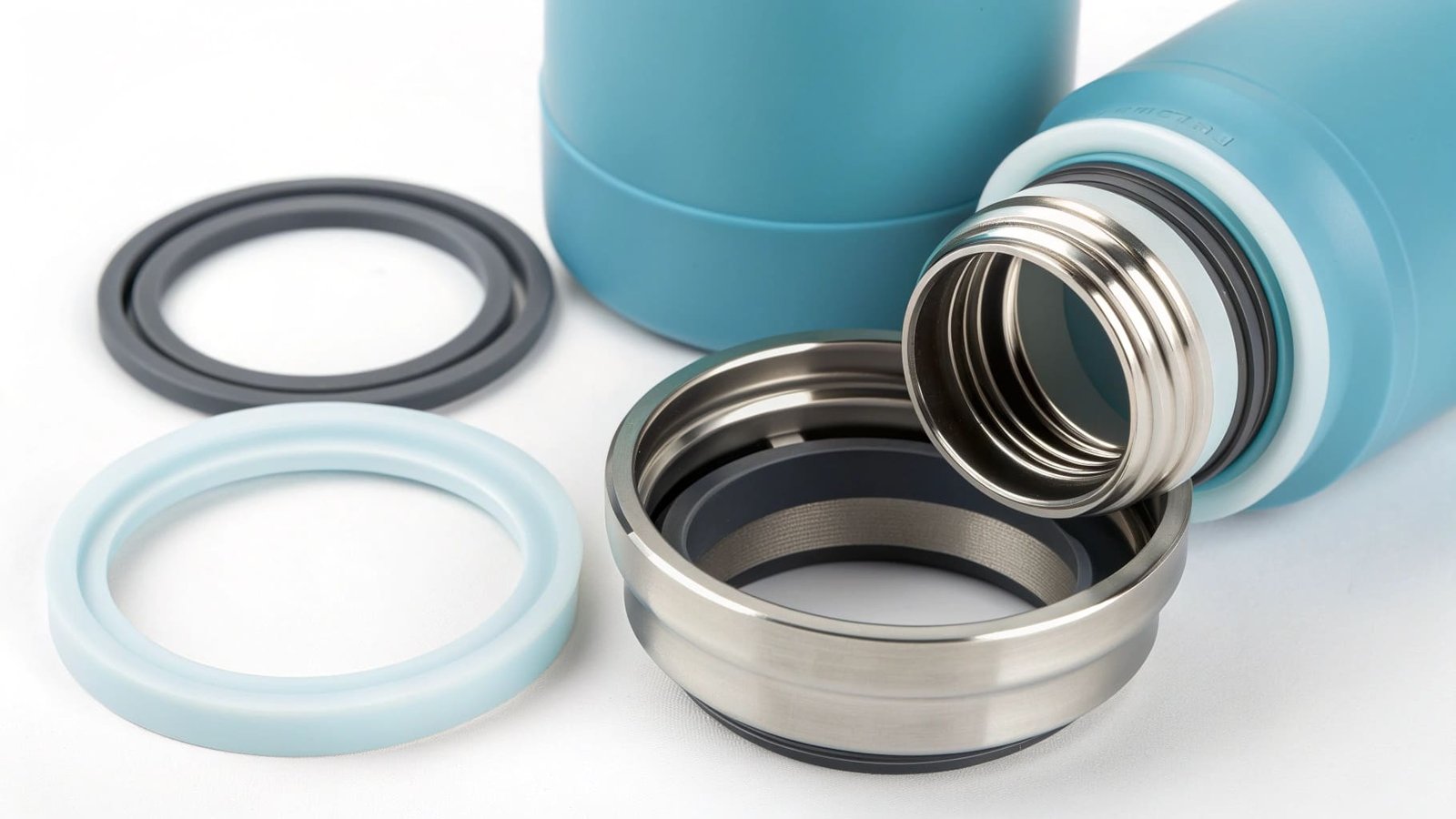
The Science Behind Silicone's Water Resistance
The chemical formula tells the story. Silicone consists of repeating units of silicon and oxygen atoms. Each silicon atom connects to two oxygen atoms and two organic groups (usually methyl groups). This creates a backbone that remains stable in wet conditions.
I tested this property myself last year. I placed silicone gasket samples in water tanks for six months. The samples showed no swelling, no degradation, no loss of flexibility. Traditional rubber gaskets in the same tanks absorbed water and lost their sealing capability3 within weeks.
The methyl groups angle outward from the polymer chain. They form a protective shield that blocks water molecules from reaching the silicon-oxygen backbone. This structure remains intact across temperature extremes and pressure changes. Your gaskets maintain their water-repellent properties regardless of environmental conditions.
Here's what makes silicone different from other sealing materials:
| Material | Water Absorption Rate | Long-term Stability | Temperature Range |
|---|---|---|---|
| Silicone | Less than 1% | Excellent | -60°C to +230°C |
| EPDM Rubber | 2-3% | Good | -40°C to +150°C |
| Nitrile Rubber | 3-5% | Moderate | -30°C to +100°C |
| Natural Rubber | 5-8% | Poor | -20°C to +80°C |
The numbers show the reality. Silicone absorbs minimal water even after extended exposure. This property comes from its chemical structure, not from additives or surface treatments that can wear off over time.
Is silicone good for gaskets?
Silicone excels as a gasket material. It combines flexibility, temperature resistance, and chemical stability. These properties create reliable seals that last years, not months.
Silicone gaskets maintain consistent compression set resistance. They return to their original thickness after being compressed. This characteristic ensures your seals stay tight even under varying pressure conditions.
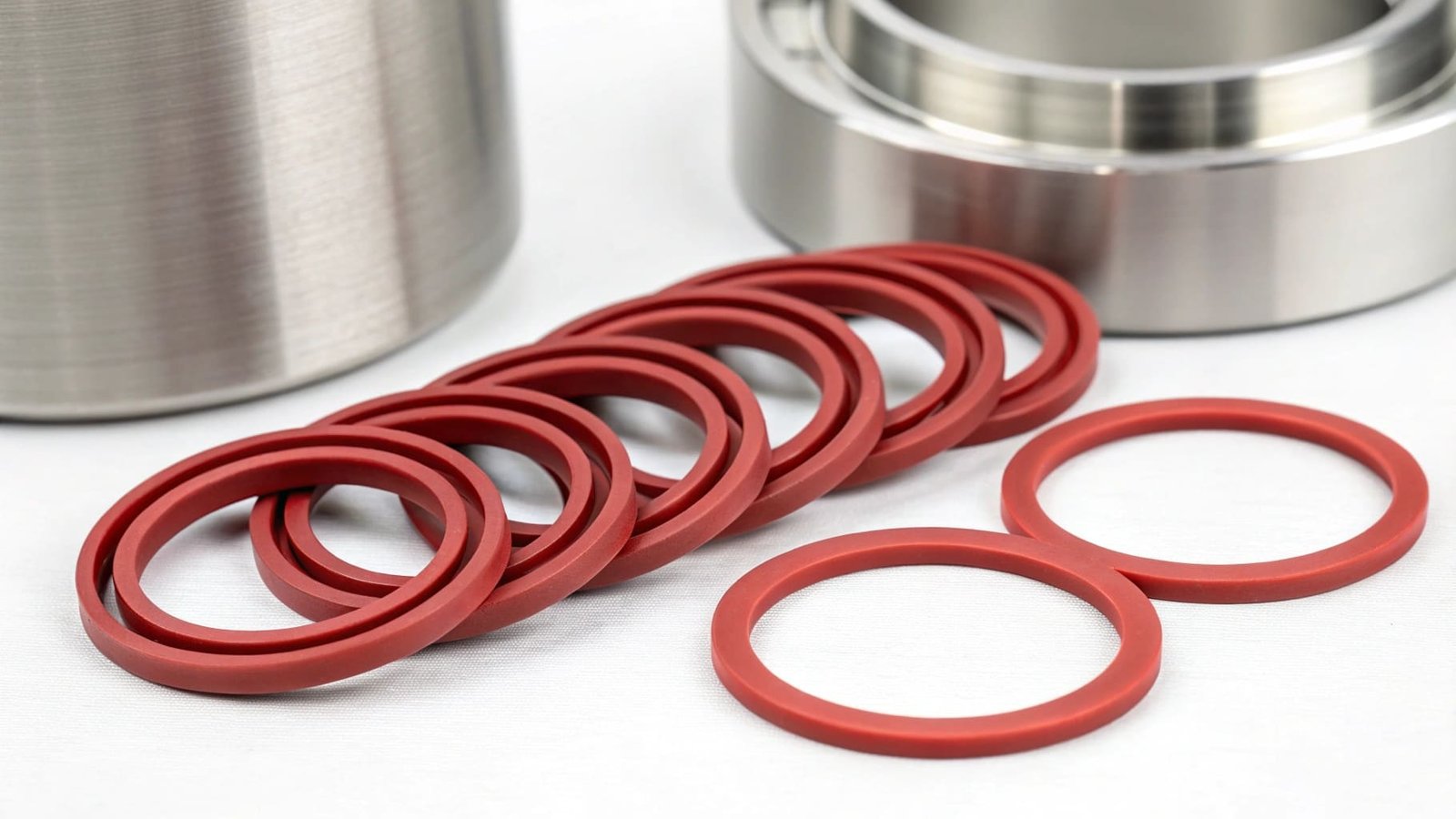
Why Silicone Outperforms Traditional Gasket Materials
I've shipped silicone gaskets to clients in extreme environments. Arctic equipment operators. Desert manufacturing plants. Marine applications with constant salt water exposure. The feedback remains consistent: silicone gaskets perform when other materials fail.
The temperature range alone sets silicone apart. Your seals function at -60°C without becoming brittle. They maintain flexibility at +230°C without breaking down. This range covers almost every industrial application you'll encounter.
Compression set resistance matters more than most buyers realize. A gasket gets squeezed between two surfaces. It must maintain pressure against those surfaces to prevent leaks. Poor compression set means the gasket takes a permanent set - it stays compressed and loses sealing force. Silicone gaskets resist this deformation. They bounce back to their original shape repeatedly.
UV resistance extends gasket life in outdoor applications. I've seen rubber gaskets crack and crumble after two years of sun exposure. Silicone gaskets in the same location show minimal degradation after five years. The silicon-oxygen backbone resists UV radiation that breaks down hydrocarbon polymers.
Chemical resistance provides another advantage. Silicone gaskets handle exposure to:
- Oils and lubricants
- Cleaning chemicals
- Weak acids and bases
- Automotive fluids
- Food processing chemicals
The material doesn't swell or dissolve when contacted by these substances. Your seals maintain their dimensions and sealing capability throughout their service life.
Here's a breakdown of silicone grades for different applications:
| Grade | Standards | Best Applications | Key Properties |
|---|---|---|---|
| Food-grade | FDA, LFGB | Beverage equipment, food processing | Non-toxic, taste-neutral |
| Medical-grade | USP Class VI | Pharmaceutical, medical devices | Biocompatible, sterilizable |
| Industrial-grade | Various | Automotive, HVAC, general manufacturing | Cost-effective, versatile |
| High-temp | Custom specs | Engines, ovens, high-heat equipment | Stable to +300°C |
How long does it take for silicone to become waterproof?
Silicone gaskets need curing time before they achieve full waterproof performance. The timeline depends on the curing method. Room temperature vulcanizing takes 24-48 hours. High-temperature vulcanizing completes during manufacturing.
RTV silicone forms a surface skin within 20-30 minutes. This skin resists water contact. Full cure depth requires additional time. Complete curing ensures maximum sealing performance and structural integrity.
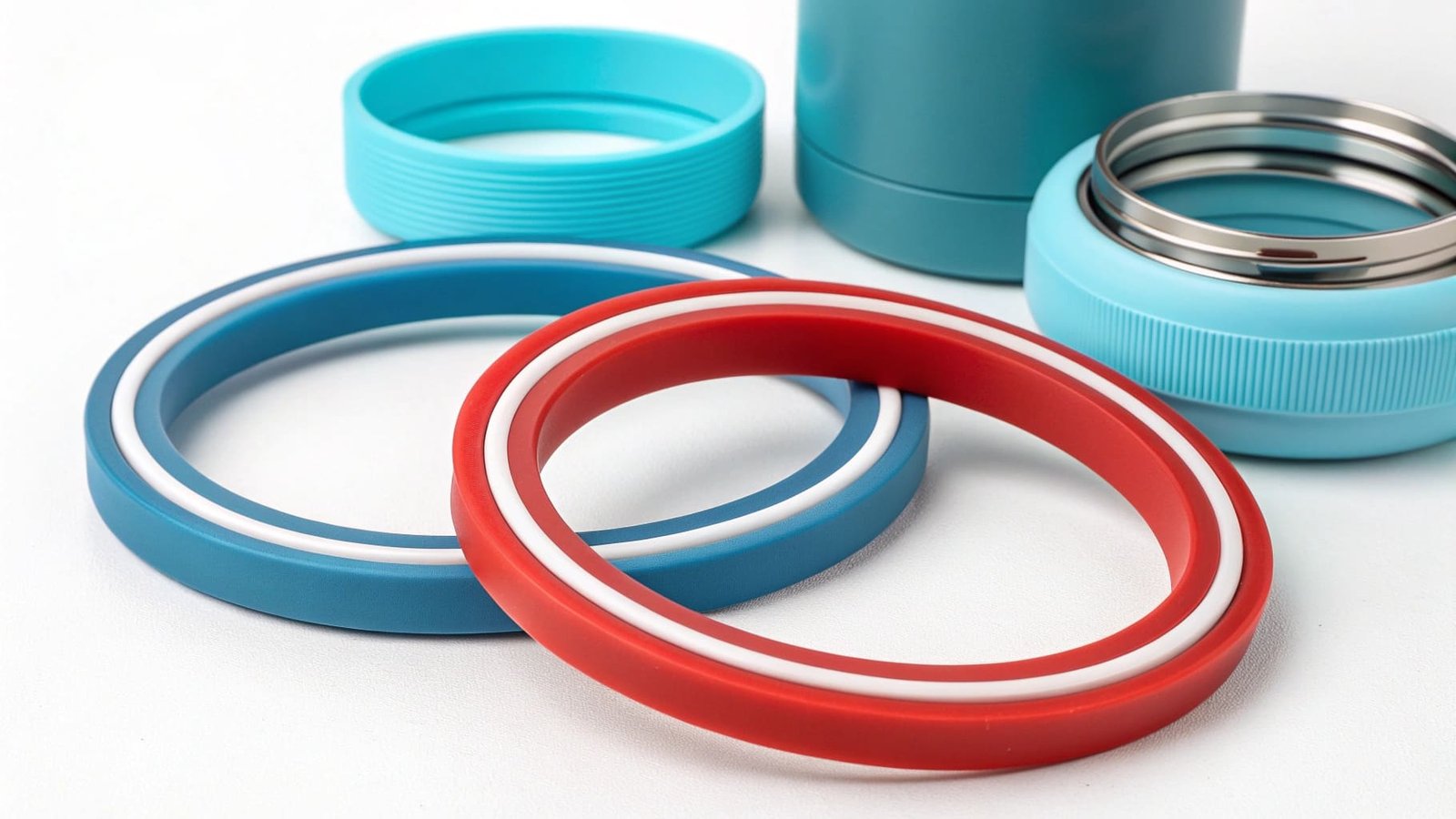
Understanding Silicone Cure Times for Production Planning
The curing process involves cross-linking of polymer chains. These cross-links create the final gasket structure. Surface curing happens first when moisture in the air triggers the reaction. Deep curing continues as the cross-linking penetrates the material thickness.
I learned this lesson the hard way. A client needed 5000 gaskets delivered urgently. We shipped them 12 hours after production. The gaskets worked initially but failed within weeks. The incomplete cure meant the cross-linking continued in the installed position. This caused dimensional changes that broke the seals.
Now I explain cure times clearly to every buyer. RTV silicone applications require patience. The 24-48 hour cure time at 25°C and 50% relative humidity cannot be rushed. Higher temperatures accelerate curing. Lower temperatures or humidity slow it down. Your production schedule must account for these variables.
HTV silicone gaskets cure completely during the molding process. Compression molding or injection molding applies heat and pressure. The gaskets exit the mold fully cured. They provide immediate waterproof performance. You can install them directly into your equipment without waiting.
This difference affects your inventory management. RTV gaskets need storage space and time before shipment. HTV gaskets ship immediately after quality inspection. For large orders, HTV manufacturing reduces lead times and warehouse costs.
Cure time also impacts your quality control procedures. Test HTV gaskets immediately. Test RTV applications after the full cure period. Testing before complete cure gives false results. The gasket properties continue changing until cross-linking finishes.
Environmental factors during curing matter. High humidity accelerates RTV curing. Contaminants in the air can interfere with the cross-linking reaction. Clean manufacturing environments produce more consistent results. This is why I specify production environment controls in our facility.
The cure depth progression follows a predictable pattern:
| Time | Cure Depth | Water Resistance | Sealing Capability |
|---|---|---|---|
| 30 minutes | 1-2mm | Surface only | Limited |
| 6 hours | 3-4mm | Partial | Developing |
| 24 hours | 6-8mm | Good | Functional |
| 48 hours | Full thickness | Complete | Maximum |
Conclusion
Silicone gaskets deliver waterproof sealing through their molecular structure and material properties. Understanding cure times, grades, and performance characteristics helps you make better procurement decisions for your manufacturing needs.