Can Silicone Wrap Sublimation Increase Profit Margins for Wholesalers?
You are buying plain silicone products at a decent price. But your competitors are charging more for theirs. The difference? Custom decoration. And it is cutting into your profits fast.
Silicone wrap sublimation can increase profit margins for wholesalers. It adds full-color, photographic-quality designs to silicone products without large setup costs. Margins on sublimated products typically reach 40–60%, compared to 25–35% for standard decorated products.1
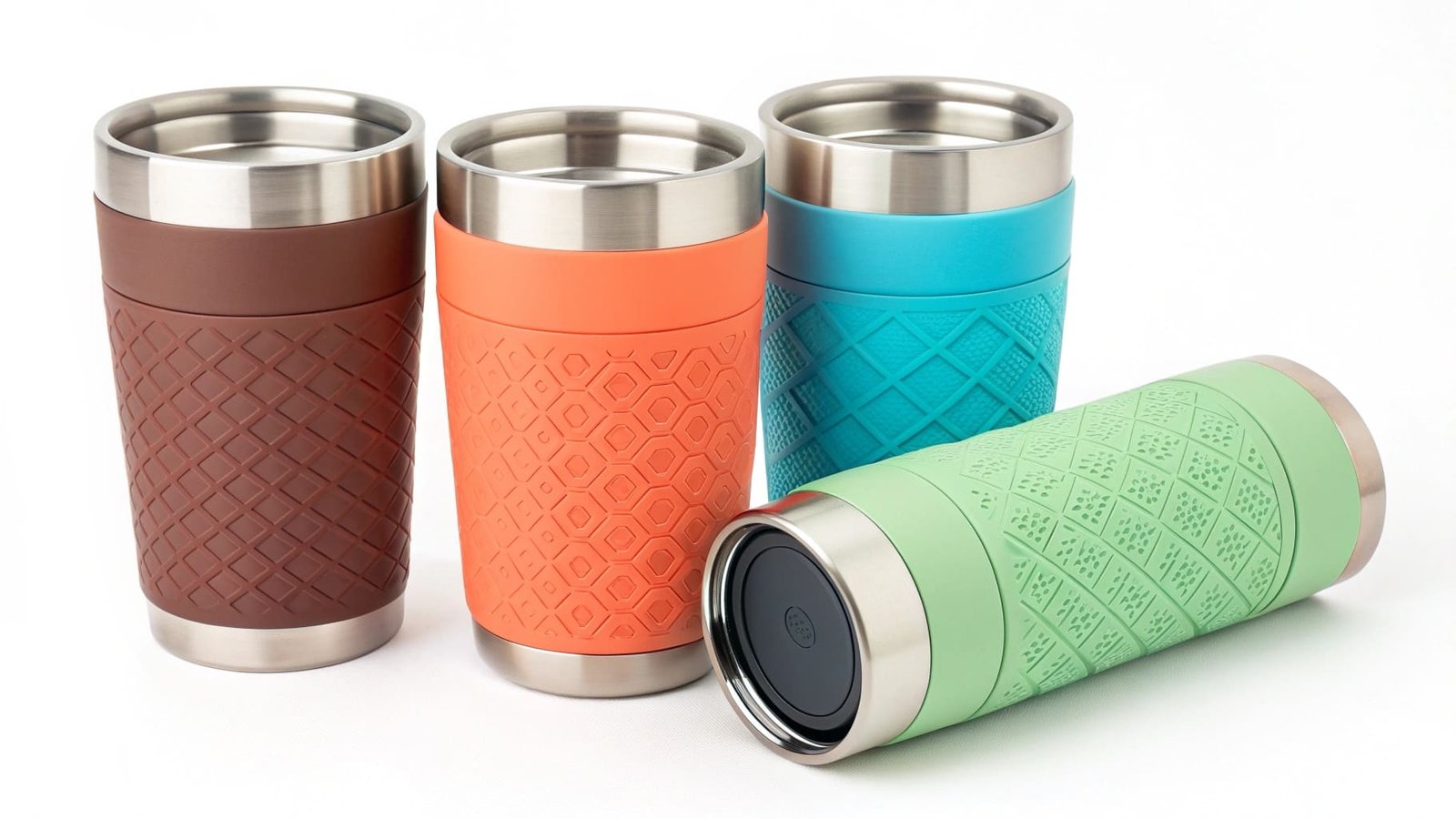
I have worked with a lot of buyers who came to me looking for ways to grow their margins without growing their costs. Most of them expected me to talk about lower unit prices. But after a few conversations, we always ended up talking about decoration. Specifically, about sublimation. The buyers who understood it early moved faster and priced smarter. The ones who ignored it kept competing on price alone. I want to show you what I have learned, so you can make a clear decision about whether sublimation fits your business.
How Do You Price Your Sublimation Products?
Most wholesalers price new products the wrong way. They add up their costs and tack on a margin. That works for basic goods. But it leaves serious money on the table when customization is involved.
Price sublimation products by the value they deliver, not by cost alone. Factor in substrate quality, design complexity, and order volume. Sublimated silicone can carry a 30–50% price premium over undecorated alternatives2 because buyers pay for uniqueness, not just material.
Why the Cost-Plus Method Fails Here
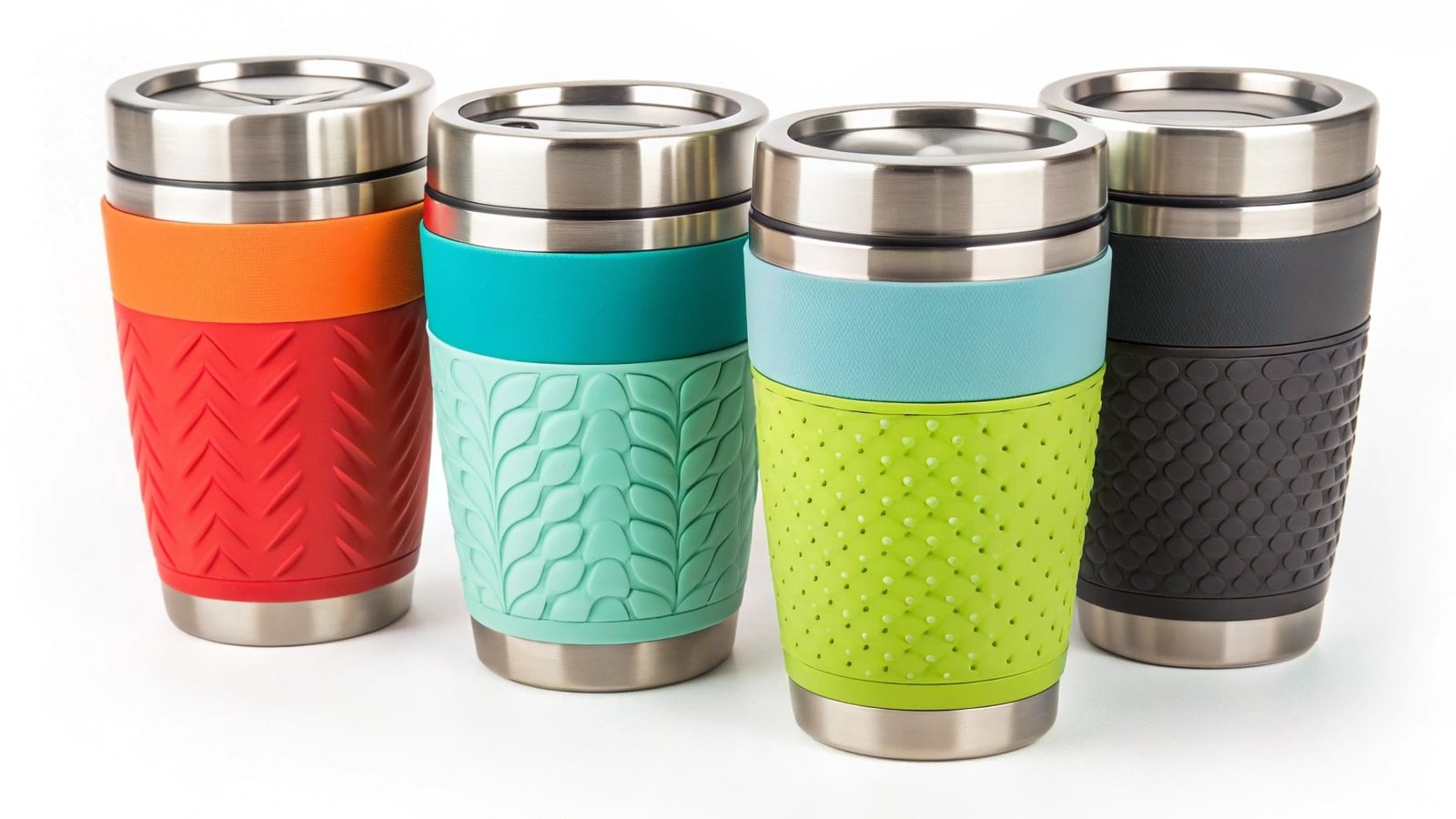
Cost-plus pricing makes sense for commodity goods. You know the cost, you add a margin, and you have a price. But sublimation changes what you are selling. You are no longer selling a silicone product. You are selling a branded, customized product that solves a specific need for your buyer's customer.
When I work with buyers on pricing, I break the cost structure into three parts.
| Cost Element | What It Includes | Impact on Pricing |
|---|---|---|
| Substrate Quality | Base silicone material grade | Sets the floor for perceived value |
| Design Complexity | Number of colors, photo detail, coverage area | Justifies higher price per unit |
| Order Volume | Total units per run | Affects per-unit labor and ink cost |
The base silicone cost stays mostly stable. What changes is the decoration cost. Sublimation adds ink, transfer paper, heat press time, and labor. These are real costs. But they are also small compared to the value jump they create.
Here is what smart pricing looks like in practice. A plain silicone tumbler boot might sell to a distributor at a certain base price. The same boot with a full-color branded wrap design sells at a price that is 30–50% higher. The customer is not buying more silicone. They are buying a product that looks like theirs, not yours or mine. That is worth more. And when you frame it that way in your sales conversations, your buyers understand it too.
Corporate gift buyers, promotional merchandise companies, and branded merchandise resellers all make decisions based on design uniqueness.3 They are not shopping for the cheapest unit. They are shopping for the product that will make their brand look the best. Sublimation puts you in that conversation.
What Are the Downsides of Sublimation?
Sublimation sounds like a perfect solution. Full color. No setup fees. Small batches welcome. But there are real limits, and if you do not know them, they will create problems with your buyers.
Sublimation on silicone only works well on light-colored or white substrates.4 The inks are dye-based and transparent, which means dark silicone kills the color. Consistency across batches can also shift if curing conditions are not controlled tightly.5
Where Sublimation Falls Short
I want to be direct with you here. I have seen suppliers oversell sublimation and buyers end up with products that do not match what was approved. This happens for predictable reasons, and I think it is better to know them upfront than to find out after a shipment arrives.
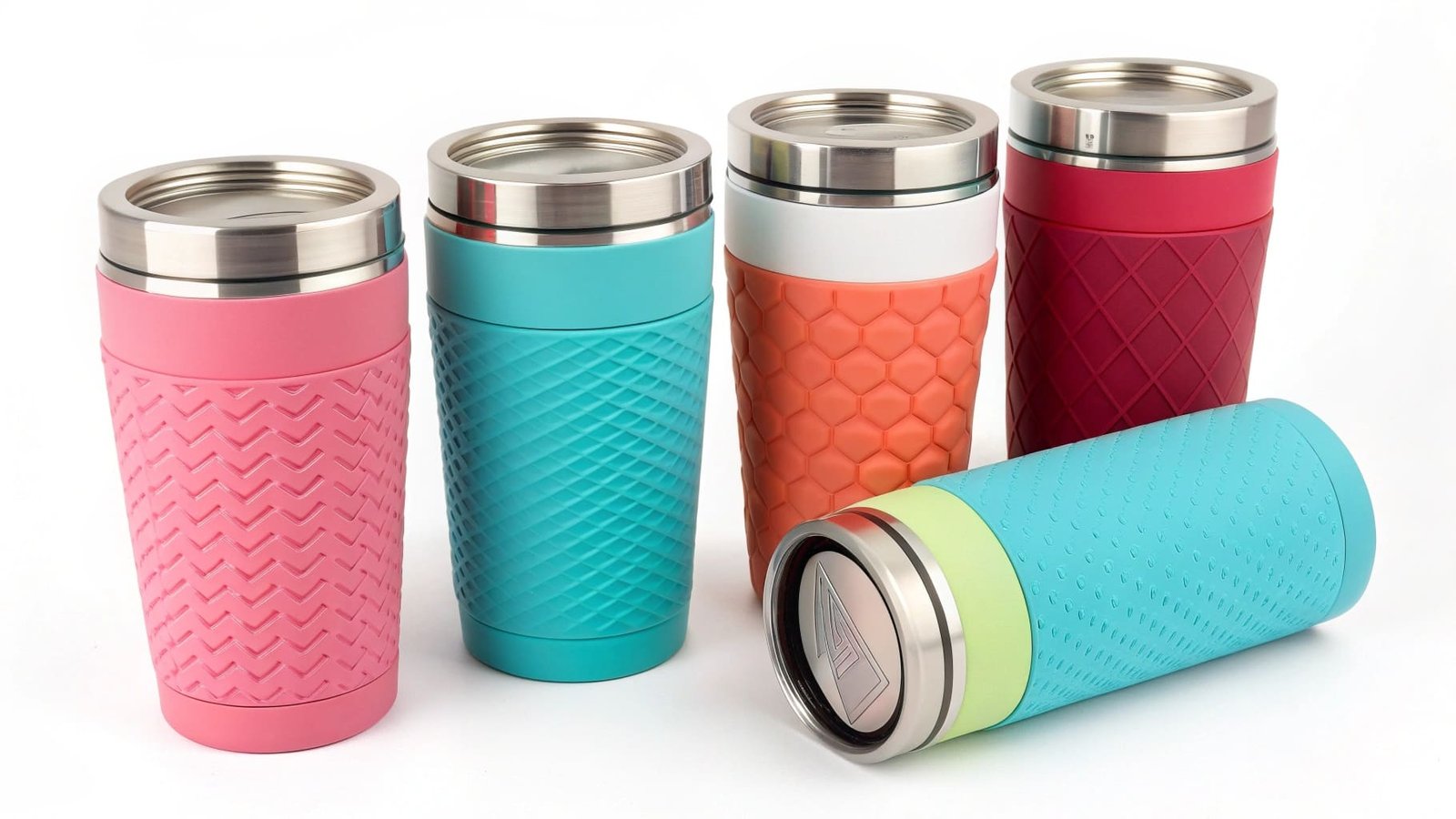
The first issue is substrate color. Sublimation inks are transparent by nature. They work by bonding with the surface of a treated substrate. On white or light-colored silicone, the colors come through bright and clean. On dark silicone, the ink disappears into the base color. There is no workaround for this. If your buyer wants a black silicone sleeve with a full-color logo, sublimation is not the right method.
| Substrate Color | Sublimation Result | Recommendation |
|---|---|---|
| White | Excellent color vibrancy | Best choice for sublimation |
| Light Grey or Pastel | Good, slight shift in tone | Acceptable with color-matching review |
| Dark Grey or Black | Colors invisible or washed out | Use screen printing or laser engraving instead |
The second issue is batch consistency. Sublimation quality depends on the heat press temperature, pressure, and timing.6 These variables can shift across a large production run if the equipment is not calibrated and the operators are not trained. I quality-check every batch before shipment for this exact reason. But not every supplier does.
The third issue is durability in specific conditions. Sublimation holds up well for everyday consumer use. A silicone tumbler boot with a sublimated design will handle normal handling, moisture, and regular cleaning without any problem. But it is less resistant to UV exposure over long periods and industrial washing cycles.7 If your buyer is sourcing products for outdoor industrial use or high-frequency commercial washing, sublimation may fade faster than they expect. That is an honest answer, and I would rather give it to you now than have you deal with a complaint later.
What Is Better Than Sublimation?
Sublimation is not the best choice for every job. That might sound strange coming from a supplier who offers it. But the truth is, the right decoration method depends on the product, the buyer's end use, and the volume being ordered.
Laser engraving, screen printing, and molded-in color each outperform sublimation in specific conditions. Knowing which method fits which situation helps you give better advice to your buyers and close more deals.
Matching the Method to the Job
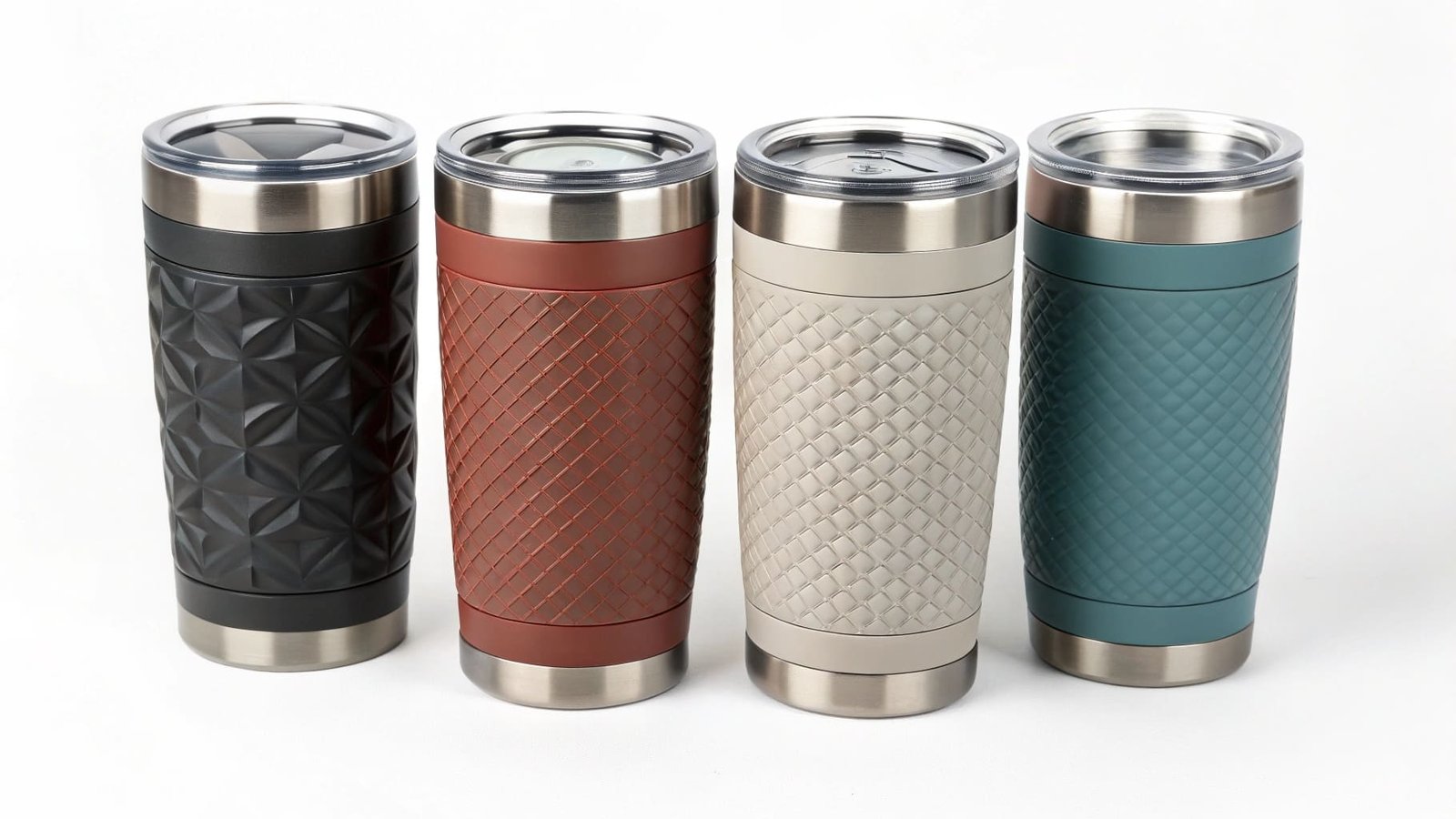
I think of decoration methods like tools. A hammer is great for nails. It is not the right tool for screws. Sublimation is the same way. It is the right tool for small-batch, full-color customization. For other needs, different tools work better.
Here is a direct comparison of the main options:
| Method | Best For | Limitation |
|---|---|---|
| Sublimation | Small batches, full-color, photo-quality designs | Light substrates only, moderate UV durability |
| Screen Printing | Large runs, dark substrates, solid color designs | Higher setup cost, less design flexibility |
| Laser Engraving | Industrial products, permanent branding, high contrast | Monochrome only, no color options |
| Molded-In Color | Maximum durability, color consistency at scale | High minimum orders, longer lead times |
Laser engraving cuts into the surface of the silicone. It creates a permanent, high-contrast mark that does not fade. It works on any substrate color. But it only produces one color result, which is usually a contrast tone against the base material. For industrial equipment, safety gear, or products that will be used in harsh environments, laser engraving is the stronger choice.
Screen printing applies ink directly to the surface with higher opacity.8 It handles dark silicone well and delivers consistent results on large runs with straightforward designs. If your buyer is ordering thousands of units with a two-color logo, screen printing will likely cost less per unit and produce more consistent results than sublimation.
Molded-in color means the color is part of the silicone itself. There is no surface decoration at all. This gives you the most durable result possible, and the color will not fade or chip under any normal use conditions.9 The tradeoff is that it requires mold changes for different colors, which drives up minimum order quantities and lead times.
The buyers I work with who grow the fastest are the ones who build a product line using multiple methods. They use sublimation for custom sample orders and small-batch corporate gifts. They use screen printing for large promotional runs. They use laser engraving for industrial clients. They match the tool to the job every time, and their buyers trust them for it.
Conclusion
Sublimation can grow your margins, but only if you price on value, know its limits, and match it to the right jobs. Use the right method for each order.
-
"A Beginner's Guide to Pricing Sublimation Products for Retail Success", https://www.coastalbusiness.com/blog/pricing-sublimation-products.html?srsltid=AfmBOoqOynfAEkaav-Ep-kxvDw2Xrv6E0ZvA6CzP4QJ0s9P4Hla79-KR. Industry benchmark data on promotional-product or specialty-printing businesses reports gross-margin ranges for sublimated and conventionally decorated products, providing context for the article's comparative margin claim. Evidence role: statistic; source type: institution. Supports: Industry benchmark data on gross-margin ranges for sublimated or digitally decorated products compared with conventional decorated products.. Scope note: Such benchmarks may cover promotional products or specialty printing generally and may not isolate silicone wrap sublimation specifically. ↩
-
"The Perils of Personalized Pricing - Yale Insights", https://insights.som.yale.edu/insights/the-perils-of-personalized-pricing. Peer-reviewed research on mass customization finds that consumers often exhibit a higher willingness to pay for customized products than for standardized alternatives, supporting the use of customization as a basis for price premiums. Evidence role: general_support; source type: paper. Supports: Research showing that customized or personalized products can command higher willingness to pay than standard products.. Scope note: This would support the economic rationale for a premium, but not the exact 30–50% range for sublimated silicone. ↩
-
"How to Design a Product Survey - Columbia CaseWorks", https://caseworks.business.columbia.edu/caseworks/how-design-product-survey. Industry survey evidence on promotional-products purchasing identifies design quality, brand fit, or product distinctiveness as factors in buyer selection, contextualizing the article's claim about design uniqueness. Evidence role: statistic; source type: institution. Supports: Survey or industry research identifying design, brand fit, or uniqueness as purchasing criteria in promotional merchandise or corporate gifting.. Scope note: The evidence may address promotional merchandise broadly rather than silicone products specifically. ↩
-
"Dye-sublimation printing - Wikipedia", https://en.wikipedia.org/wiki/Dye-sublimation_printing. Educational materials on dye-sublimation printing explain that the process is best suited to white or light-colored polymer surfaces because transparent dyes rely on the substrate's light background for color reproduction. Evidence role: mechanism; source type: education. Supports: Technical explanation that dye-sublimation color depends on a light substrate because sublimation dyes are transparent and do not create an opaque white base.. Scope note: Many technical sources discuss polyester or polymer-coated substrates generally, so the support may be contextual unless the source directly addresses silicone. ↩
-
"[PDF] Optimizing Sublimation Transfer Printing - Clemson OPEN", https://open.clemson.edu/cgi/viewcontent.cgi?article=5453&context=all_theses. Research on heat-transfer and dye-sublimation printing shows that variations in controlled process parameters can produce measurable differences in color strength and print consistency between runs. Evidence role: mechanism; source type: paper. Supports: Evidence that variation in heat-transfer or curing parameters can cause measurable color or quality variation between production runs.. Scope note: The source may address textile or polymer-coated substrates rather than silicone products directly. ↩
-
"[PDF] Optimizing Sublimation Transfer Printing - Clemson OPEN", https://open.clemson.edu/cgi/viewcontent.cgi?article=5453&context=all_theses. Studies of dye-sublimation transfer printing identify temperature, pressure, and transfer time as process parameters that influence dye transfer, color density, and final print quality. Evidence role: mechanism; source type: paper. Supports: Experimental or technical evidence that sublimation transfer quality is influenced by temperature, pressure, and transfer time.. ↩
-
"Study on the Impact of Dye – Sublimation Printing on the Eff ...", https://www.academia.edu/107962461/Study_on_the_Impact_of_Dye_Sublimation_Printing_on_the_Eff_ectiveness_of_Underwear. Color-fastness studies of dye-sublimation prints report measurable changes after ultraviolet exposure or repeated washing, supporting the article's caution about long-term UV and heavy-wash durability. Evidence role: statistic; source type: paper. Supports: Accelerated weathering or wash-fastness evidence showing that sublimation prints can experience color change or fading under UV exposure or repeated laundering.. Scope note: Many available studies are on sublimated textiles; direct evidence for silicone wraps would be stronger. ↩
-
"Screen printing - Wikipedia", https://en.wikipedia.org/wiki/Screen_printing. Reference descriptions of screen printing define it as a stencil-based process that deposits ink directly onto a substrate, with the deposited ink layer capable of greater opacity than dye-based transfer processes. Evidence role: definition; source type: encyclopedia. Supports: Definition of screen printing as a stencil process that forces ink through a mesh onto a surface, often producing a comparatively thick ink film.. ↩
-
"Ever wondered how silicone products get their vibrant colors? It's all ...", https://www.facebook.com/JamakInc/posts/-ever-wondered-how-silicone-products-get-their-vibrant-colors-its-all-about-care/1511955620588065/. Polymer-processing references explain that molded-in color is produced by compounding pigments or masterbatch into the silicone before molding, so the color is distributed through the material rather than applied as a surface layer. Evidence role: mechanism; source type: education. Supports: Technical explanation that silicone colorants or pigments can be compounded into the material before molding, making the color integral rather than a surface coating.. Scope note: This supports resistance to chipping from surface-layer loss, but fading can still depend on pigment stability, UV exposure, and service conditions. ↩