Can Weatherproof Gaskets Meet Outdoor Electrical Equipment OEM Standards?
Meeting OEM standards for outdoor electrical equipment is harder than it looks. Most buyers focus on initial fit and ignore long-term performance. That gap costs money.
Weatherproof gaskets can meet outdoor electrical equipment OEM standards—but only when properly specified.1 The key is choosing silicone gaskets with proven compression set resistance and temperature stability.2 Initial fit is not enough. The gasket must hold its seal through years of heat cycles, UV exposure, and moisture.
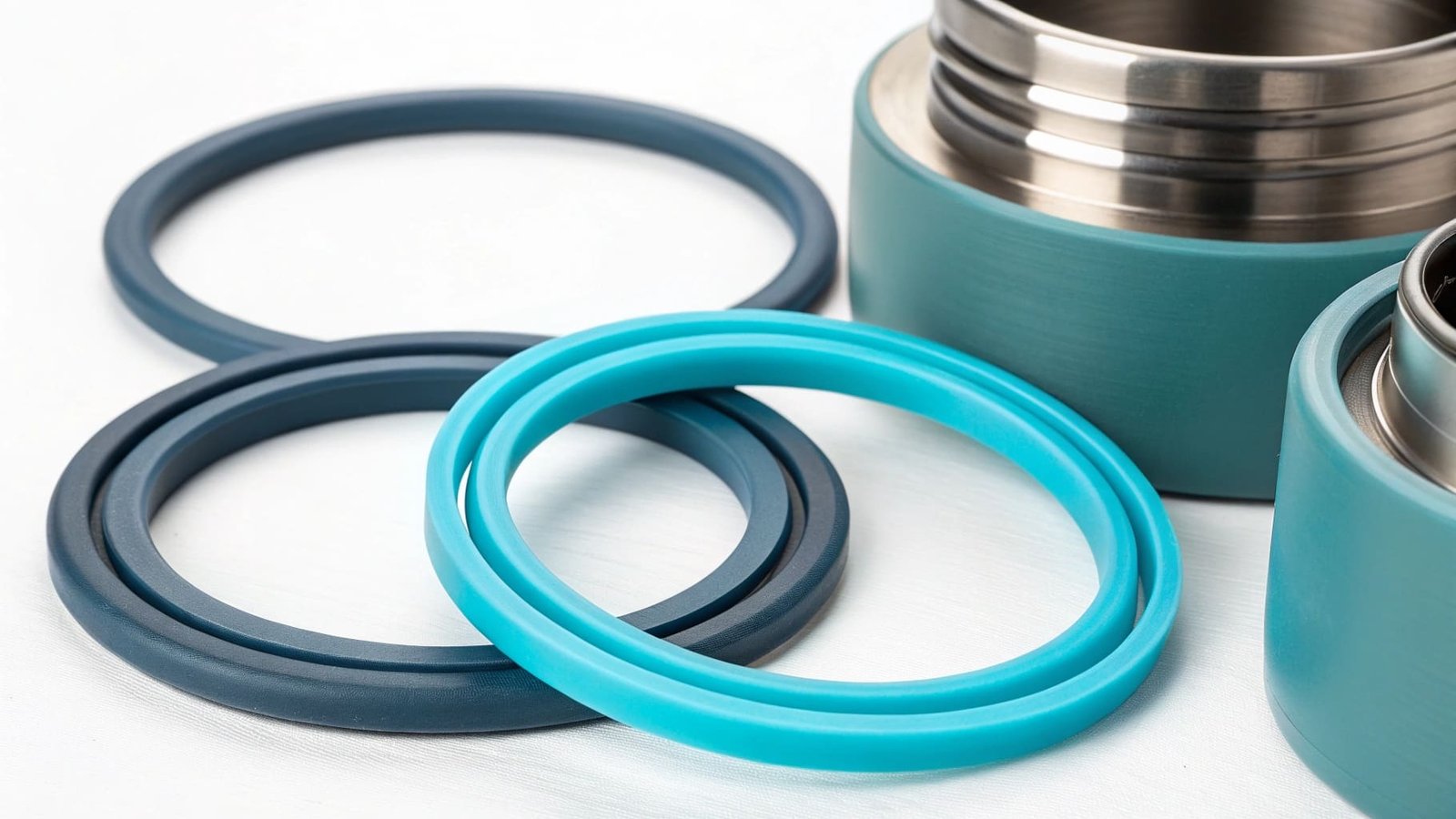
A gasket that passes day one is easy to find. A gasket that still holds its IP rating after two years of outdoor exposure is a different story. I have seen procurement teams approve a product based on a datasheet, only to face field failures six months later. The difference is always in the details—material grade, compression design, and how the product handles real conditions. Let me break this down by the three questions buyers ask me most.
Is Gasket Sealant Heat Resistant?
Heat resistance sounds simple until a field failure report lands on your desk. Most buyers assume sealant handles heat. Most are wrong.
Gasket sealant can offer some heat resistance, but it rarely matches molded silicone gaskets. Quality silicone gaskets handle temperatures from -40°C to 200°C.3 Liquid sealants lose dimensional stability under repeated thermal cycling4, which causes IP ratings to drop over time.
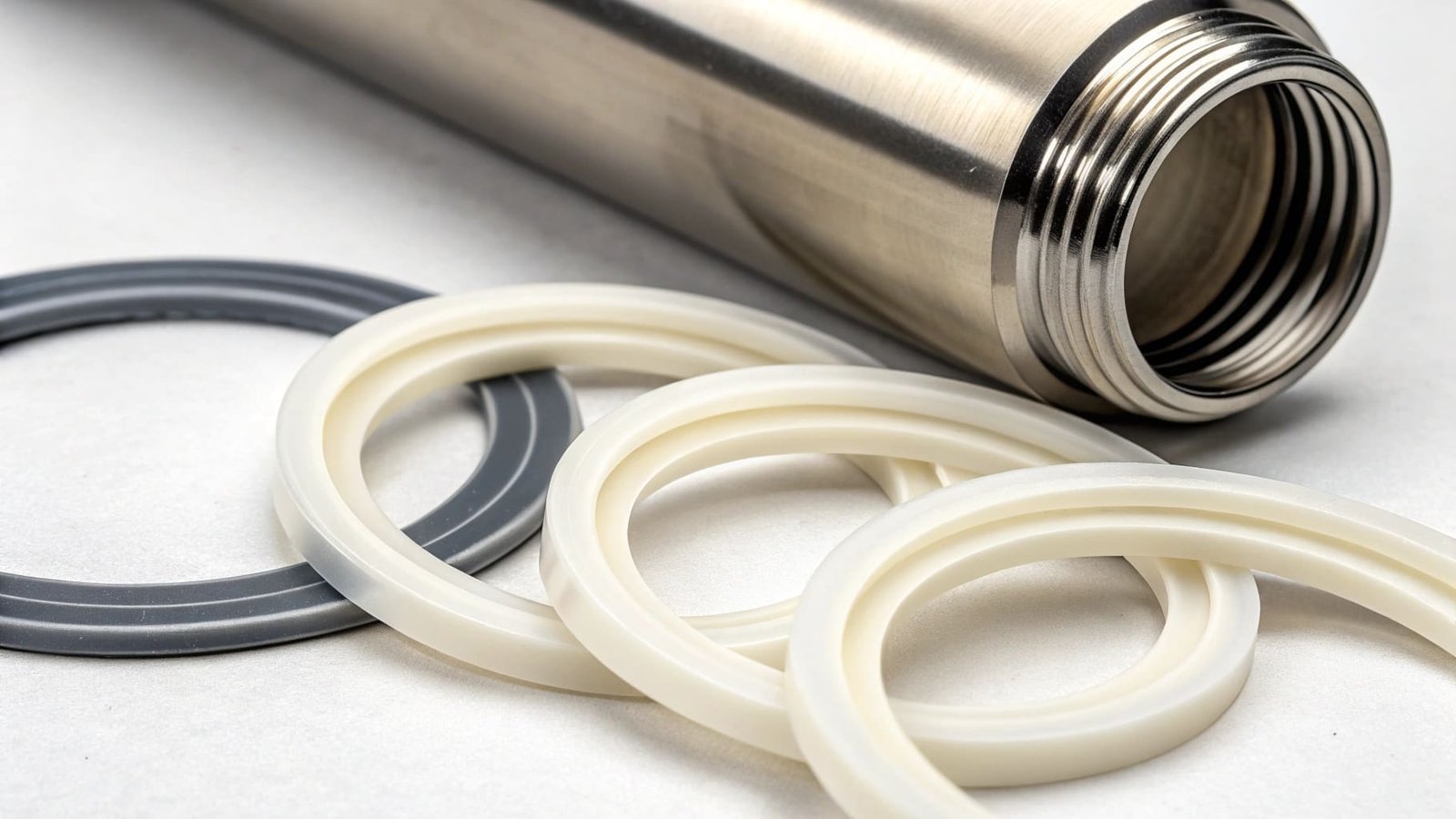
Here is what I tell buyers who ask about heat resistance in outdoor electrical enclosures. The real issue is not peak temperature. The real issue is thermal cycling—the repeated expansion and contraction that happens every day as the sun rises and sets.
Why Thermal Cycling Breaks Sealants
Liquid gasket sealants cure into a semi-rigid film. When the enclosure heats up, the housing expands. When it cools, it contracts. The sealant film has to stretch and compress with every cycle. Over time, it cracks or loses adhesion.
Molded silicone gaskets work differently. They are designed to compress and recover. The elasticity of silicone means it moves with the housing instead of fighting it.
Here is a simple comparison:
| Factor | Liquid Gasket Sealant | Molded Silicone Gasket |
|---|---|---|
| Temperature Range | Typically up to 150°C | -40°C to 200°C |
| Thermal Cycling Performance | Cracks over time | Recovers with each cycle |
| Compression Set | Poor after repeated cycling | Low compression set by design |
| IP Rating Stability | Degrades over time | Maintains rating long-term |
| Application Method | Applied wet, requires cure time | Pre-formed, immediate assembly |
The pattern I see in quality complaints follows one rule. Buyers who chose sealant for a heat-exposed enclosure eventually call back. Buyers who specified molded silicone gaskets from the start rarely do.
For outdoor electrical equipment housing components that generate heat—motor controllers, power distribution panels, junction boxes—pre-formed silicone gaskets are the right answer. Sealant alone is not.
What's the Difference Between a Gasket and a Seal?
Using the wrong word in a spec sheet leads to the wrong product arriving at your dock. This happens more than buyers realize.
A gasket is a static sealing component. It sits compressed between two fixed surfaces. A seal is a dynamic component. It is designed to work around moving parts.5 For outdoor electrical enclosures, you need gaskets—not seals.
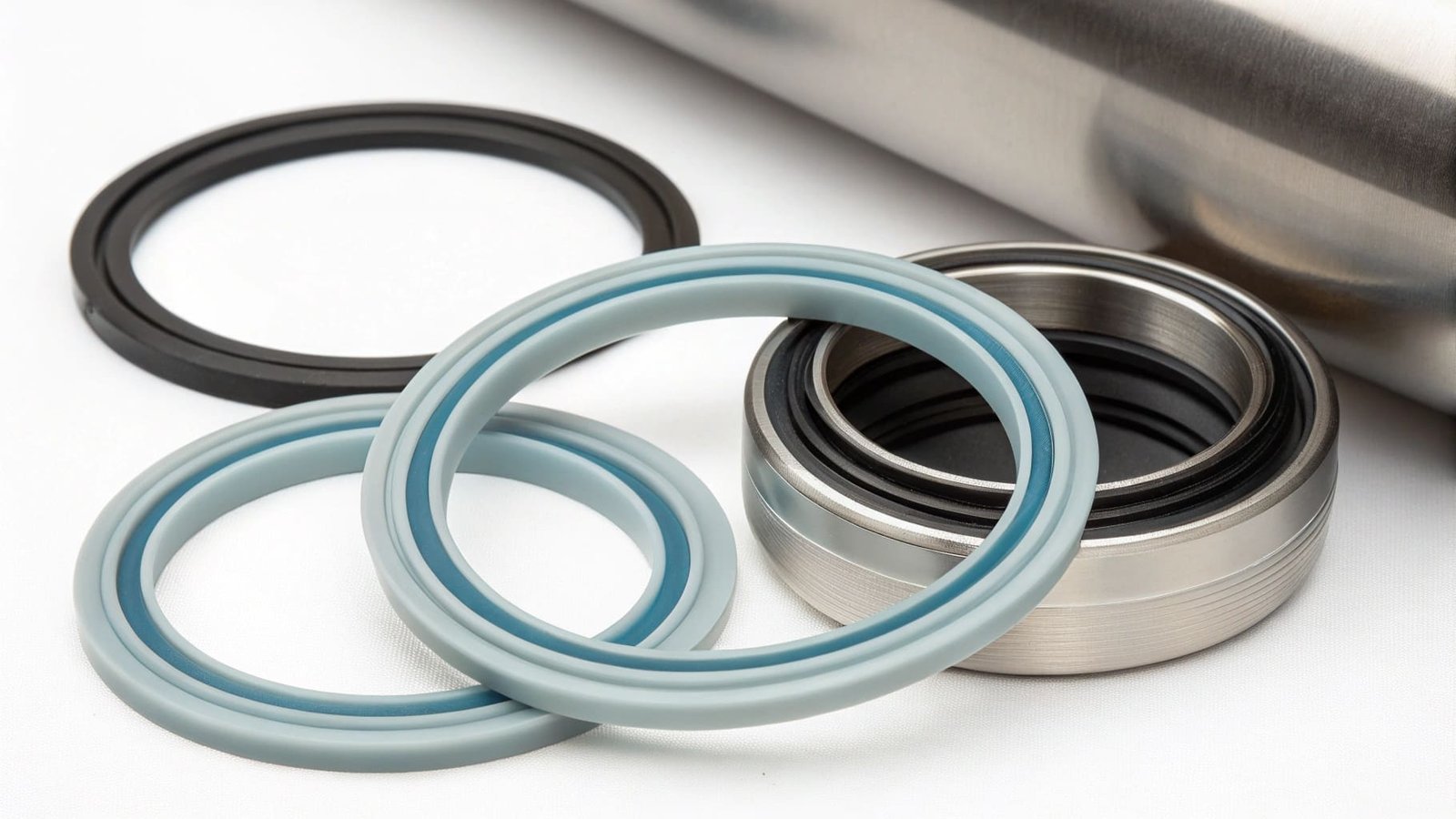
I have reviewed purchase orders where a buyer wrote "seal" when they meant "gasket." The supplier sent a dynamic O-ring profile designed for rotating shafts. It looked similar. It did not perform the same way under flat-surface compression.
Why the Distinction Changes Everything
The compression mechanics are completely different between the two.
A gasket is optimized for even load distribution across a flat or shaped mating surface. The material is selected for compression set resistance6—meaning it stays compressed without taking a permanent set that would open a leak path.
A dynamic seal is optimized for low friction and wear resistance. It is built to move. It is not built to sit under constant static load for years.
Here is how the two categories compare in an OEM electrical context:
| Characteristic | Gasket | Seal |
|---|---|---|
| Application Type | Static (fixed surfaces) | Dynamic (moving parts) |
| Primary Use in Electrical OEM | Enclosure doors, panel flanges, junction boxes | Shaft entries, rotating connectors |
| Compression Design | Optimized for long-term static load | Optimized for low friction and movement |
| Material Focus | Compression set resistance | Wear resistance |
| Failure Mode if Used Wrong | Under-compression, leak paths | Permanent deformation, loss of sealing force |
When I work with OEM buyers sourcing silicone gaskets for weatherproof housings, I ask them to confirm the mating surfaces are fixed. If the answer is yes, the spec sheet should say "gasket." That word tells the supplier exactly what design parameters to use. It removes a full category of product mismatches before the first sample is cut.
Use the right word. It is a small thing that prevents large problems.
Will Gasket Sealer Stop a Leak?
This question comes up every time a buyer discovers a leak after installation. The honest answer is: it depends on when you apply it and what condition the surfaces are in.
Gasket sealer works best as a preventive measure during first assembly.7 It does not reliably fix a leak in a gasket that has already failed in service.
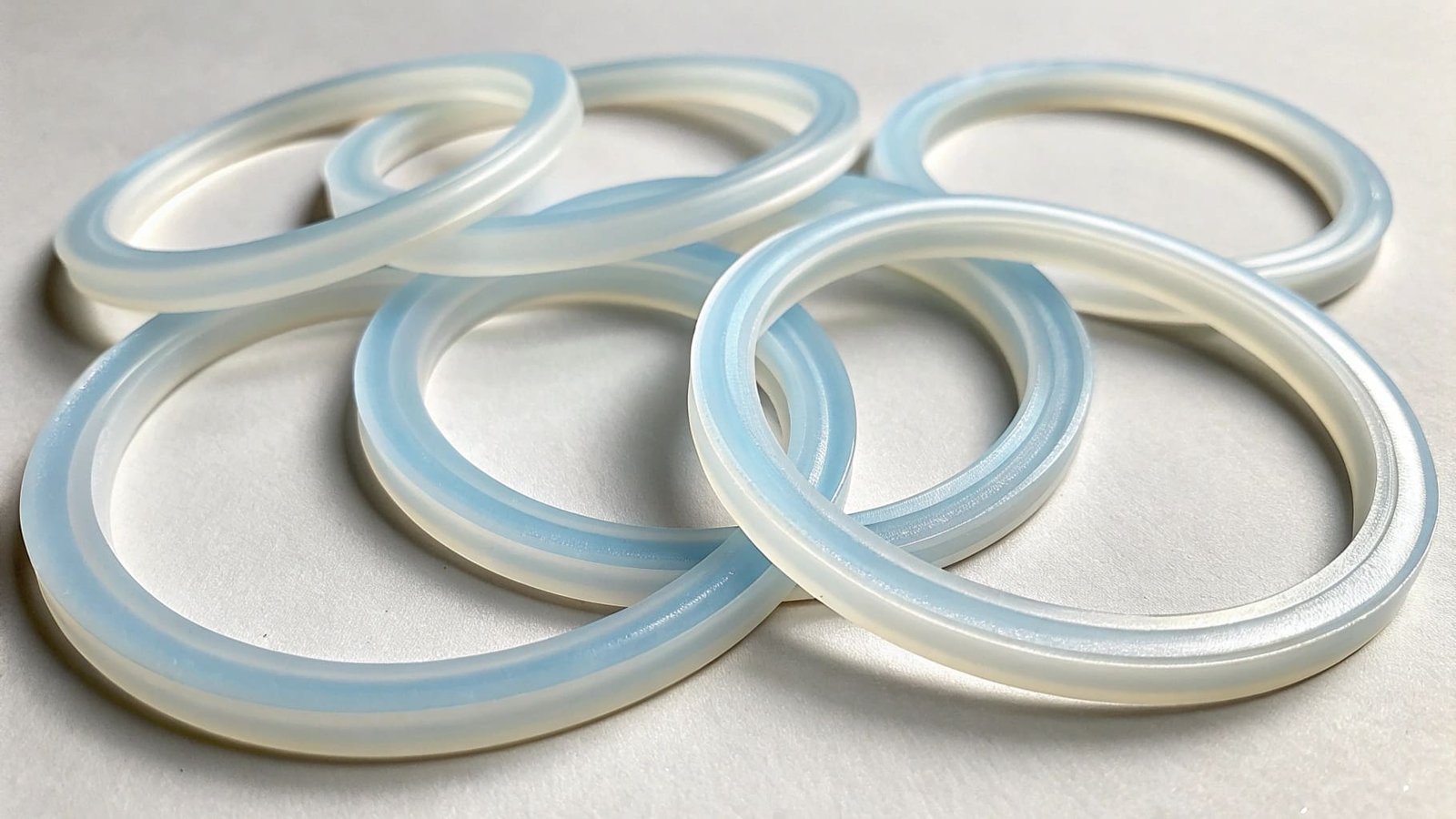
I understand the appeal. A tube of sealant is cheap and fast. When a field team reports moisture inside an enclosure, reaching for sealant feels like a solution. Sometimes it works for a few weeks. Then the leak returns—often worse because the sealant masked the real problem.
The Professional Approach to Leak Prevention
The right strategy combines precision-cut silicone gaskets with minimal sealant as a secondary barrier. This is the hybrid method that satisfies both immediate assembly requirements and long-term weatherproofing standards.
Here is how I explain the roles to buyers:
| Role | Primary Gasket | Gasket Sealant |
|---|---|---|
| Purpose | Main sealing barrier | Secondary insurance layer |
| Applied When | During initial assembly | During initial assembly only |
| Reliability Long-Term | High, if material and spec are correct | Moderate at best, degrades with age |
| IP65/IP67 Compliance | Required | Not a substitute for gasket |
| Repair Use | Replace the gasket | Not a reliable repair method |
For outdoor electrical equipment that must meet IP65 or IP67 ratings, the path is clear. Specify the right silicone gasket first. If sealant is used, it is applied at assembly as a supplement—not as the main barrier.
When a buyer tells me they are using sealant to "top up" a leaking enclosure, I ask one question. How old is the gasket? In most cases, the gasket has passed its service life or was never the right specification to begin with. Replacing the gasket solves the problem. Adding more sealant delays it.
Conclusion
Weatherproof gaskets meet OEM standards when correctly specified. Choose molded silicone for heat stability, use "gasket" in your specs, and treat sealant as a supplement—not a fix.
-
"IP Ratings for Sealed Enclosures - Stockwell Elastomerics", https://www.stockwell.com/ip-ratings-for-sealed-enclosures/. Standards for electrical enclosures, such as IEC 60529 or NEMA/UL enclosure standards, define ingress-protection performance in terms of the assembled enclosure’s resistance to dust and water, supporting the need to specify sealing components rather than rely on nominal fit alone. Evidence role: general_support; source type: institution. Supports: A standards or institutional source should show that outdoor enclosure protection ratings depend on construction and sealing provisions, making gasket specification relevant to OEM compliance.. Scope note: Such standards usually define performance tests for the complete enclosure, not a universal pass/fail rule for a particular gasket material. ↩
-
"Low Compression Set in Silicone Rubber and its Application in Seals", https://jehbco.com.au/low-compression-set-in-silicone-rubber-and-its-application-in-seals/. Elastomer sealing literature identifies compression set and temperature-dependent property retention as key determinants of whether a gasket maintains sealing force after prolonged compression and heat exposure. Evidence role: mechanism; source type: paper. Supports: A technical paper should explain that elastomer sealing force depends on elastic recovery and resistance to permanent deformation, and that temperature affects elastomer properties.. Scope note: The source may discuss elastomer gaskets generally rather than outdoor electrical equipment specifically. ↩
-
"Silicone rubber - Wikipedia", https://en.wikipedia.org/wiki/Silicone_rubber. Materials references commonly describe silicone rubber as retaining useful elastomeric properties across a broad temperature range, often reported at approximately −40°C to 200°C depending on formulation. Evidence role: definition; source type: encyclopedia. Supports: A neutral materials reference should state the typical service-temperature range of silicone rubber or silicone elastomers.. Scope note: Exact service limits vary by compound, filler system, exposure time, and acceptance criteria. ↩
-
"Effects of confined thermal cycling on sealants with different ... - PMC", https://pmc.ncbi.nlm.nih.gov/articles/PMC12444000/. Studies of polymer sealants under thermal cycling report that repeated expansion and contraction can induce stresses that contribute to dimensional change, cracking, or loss of adhesion. Evidence role: mechanism; source type: paper. Supports: A paper should support that polymeric sealants can experience stress, cracking, dimensional change, or adhesion loss when subjected to repeated thermal cycling.. Scope note: The evidence may concern construction or general polymer sealants rather than a specific electrical gasket sealant formulation. ↩
-
"What are static and dynamic seals? - Kofler Dichtungen", https://kofler-dichtungen.at/en/sealing-knowledge/what-are-static-and-dynamic-seals. Mechanical-engineering references commonly define gaskets as static seals compressed between mating surfaces, while dynamic seals are designed to maintain sealing where relative motion occurs. Evidence role: definition; source type: education. Supports: An engineering reference should define gaskets as static sealing elements and distinguish them from dynamic seals used with moving components.. Scope note: Terminology can vary by industry, and some sources use 'seal' as a broad category that includes gaskets. ↩
-
"Compression Set of Elastomeric Materials", https://www.stockwell.com/compression-set-testing/. Elastomer test standards such as ASTM D395 define compression set as the residual deformation after compressive strain, supporting its use as a selection criterion for gaskets that must retain sealing force under static compression. Evidence role: definition; source type: institution. Supports: A standards or technical source should define compression set as permanent deformation after compression and connect it to elastomer selection for seals or gaskets.. Scope note: A compression-set test result is an indicator of material behavior, not by itself proof of enclosure ingress performance. ↩
-
"Effect of metallic sealant thickness on leak arrest and composite ...", https://pmc.ncbi.nlm.nih.gov/articles/PMC12638894/. Sealant-adhesion research shows that surface condition, contamination, and curing environment strongly influence bond durability, supporting the view that sealant application is more controllable during initial assembly than during field repair. Evidence role: mechanism; source type: paper. Supports: A source should show that sealant adhesion and durability depend on clean surfaces, proper application, and curing conditions, which are harder to control after a leak has occurred.. Scope note: This provides mechanistic support and may not directly compare first-assembly gasket sealer with every possible leak-repair method. ↩