What Quality Standards Apply to Rubber Gasket Strips in European Markets?
Sourcing rubber gasket strips for Europe is not just about price. One missing certificate can block your shipment at customs and cost you an entire sales season.
Rubber gasket strips sold in European markets must meet REACH regulations1, which restrict hazardous substances in rubber compounds. Many applications also require RoHS certification. Material certificates, Shore hardness ratings, and temperature resistance data are standard requirements from European buyers during supplier audits.2
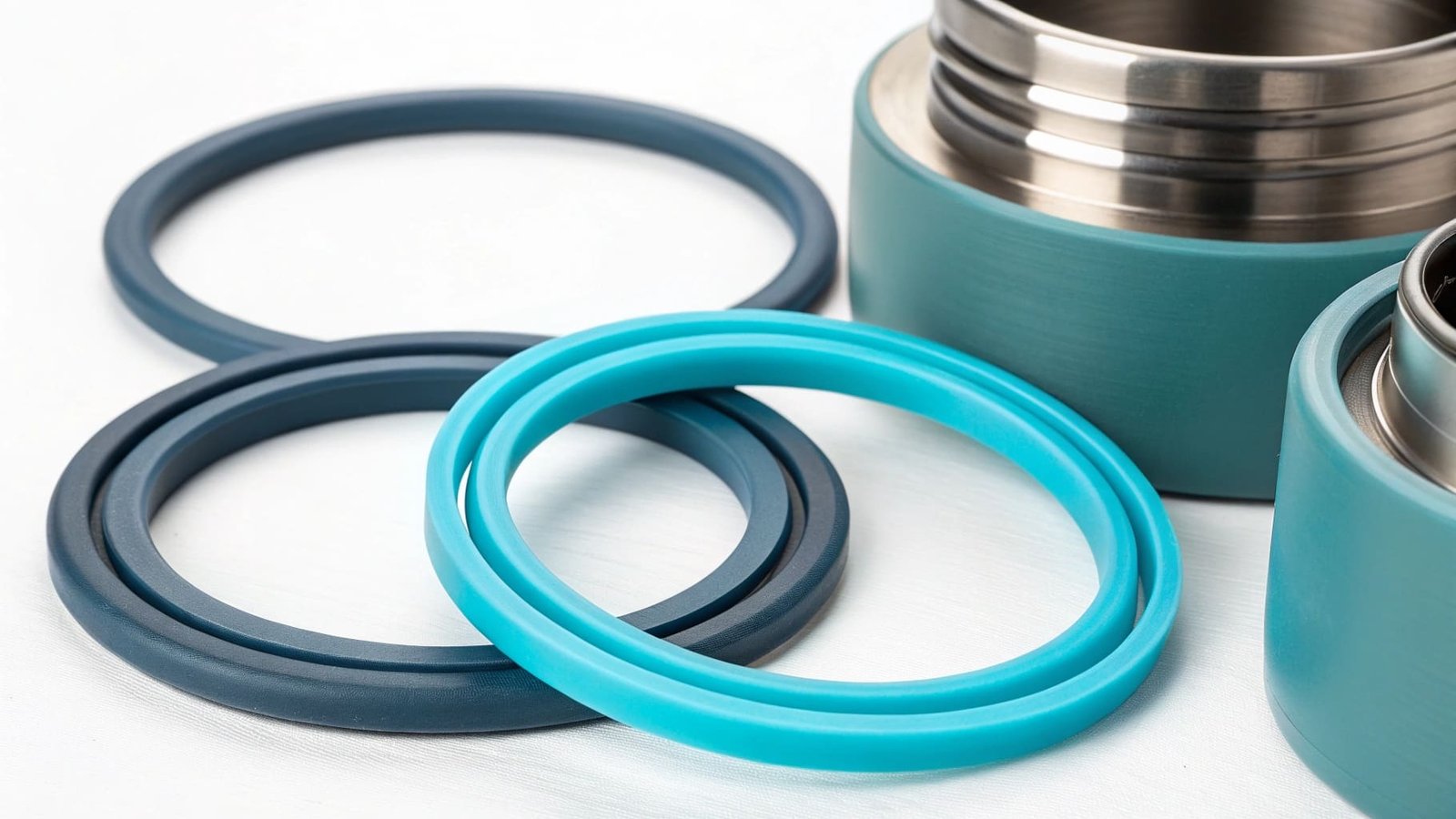
Getting into European markets takes more than finding a cheap supplier. The buyers there are experienced. They know what to ask for, and they will ask. If you cannot provide the right documents and test reports, they will move on to someone who can. The good news is that most of the requirements follow a clear pattern. Once you understand the rules, you can prepare for them. Let me walk you through what matters most.
What Is the HS Code for Rubber Gaskets?
You filled out your shipping documents. Customs held your container anyway. The wrong HS code can delay your shipment and cost you more in duties than you expected.
The HS code for rubber gaskets and seals made from vulcanized rubber is typically 4016.93.3 This code covers non-cellular vulcanized rubber items used for sealing purposes. European importers use this code to determine import duties and to confirm that the product category matches the material declarations.
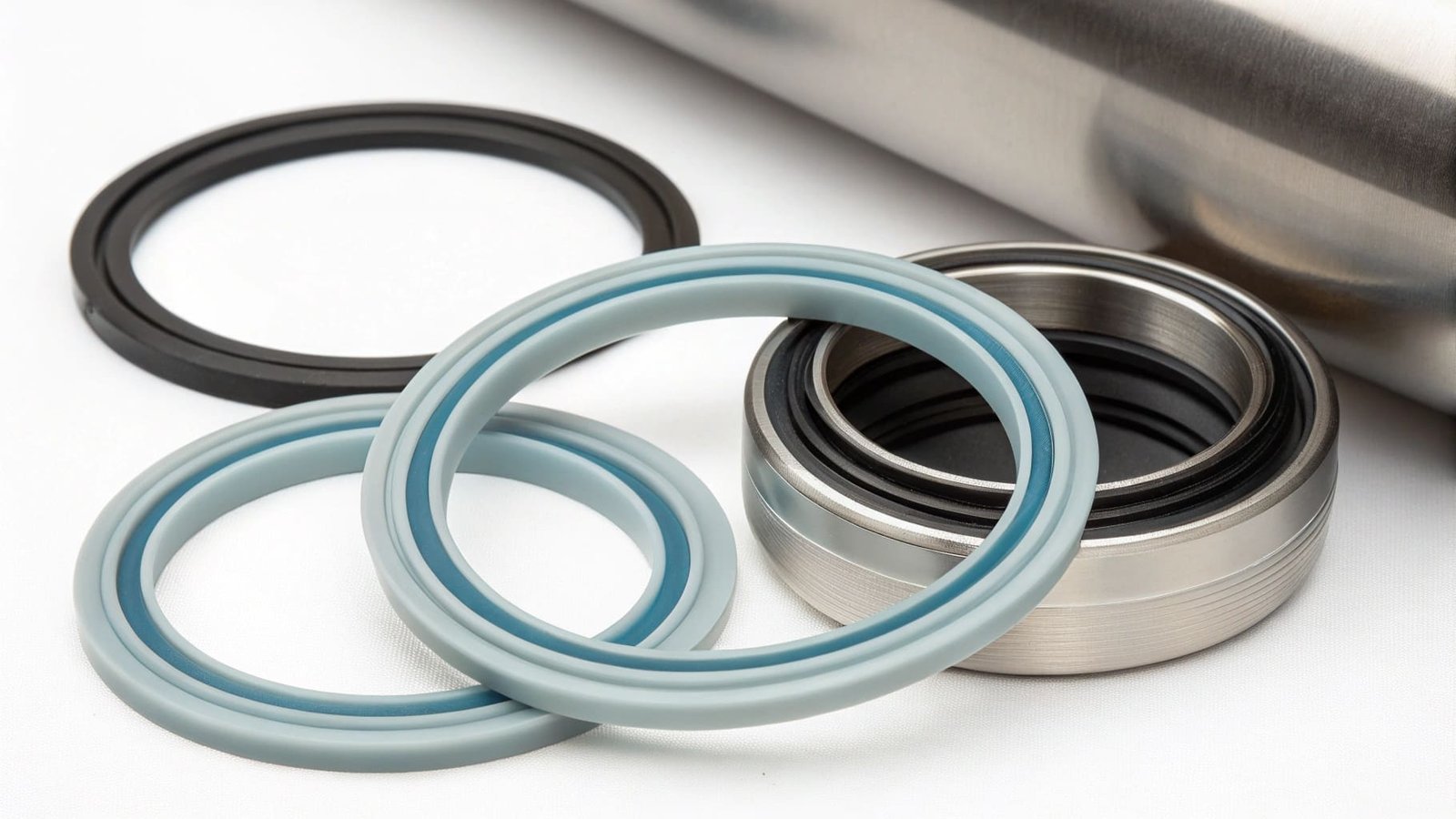
The HS code is the first thing customs officers check when your shipment arrives. Getting it right speeds up clearance. Getting it wrong creates delays that you cannot always predict.
Here is something many suppliers overlook. The HS code does not just affect import duties. It also signals the product type to the buyer's procurement team. If the code does not match the material type listed on your invoice or certificate, it raises questions. European buyers are trained to spot inconsistencies, and they treat them as red flags.
I have seen shipments held at ports in Germany and the Netherlands because the HS code on the invoice did not match the material description on the test report. This is a small detail, but it carries real consequences.
Key Points About HS Code Classification for Rubber Gaskets
| Factor | Detail |
|---|---|
| Standard HS Code | 4016.93 for vulcanized rubber gaskets and seals |
| Determines | Import duty rate and customs classification |
| Risk of Wrong Code | Shipment delays, reclassification fees, buyer distrust |
| Buyer Expectation | Code must match material declarations and test reports |
| Tip for Suppliers | Confirm the code with a freight forwarder before shipment |
The European Union uses the Combined Nomenclature (CN), which adds two more digits to the standard HS code4 for more precise classification. If you are shipping to Germany, France, or the Netherlands, your freight forwarder should verify the full CN code before the shipment leaves your facility. A pre-shipment check here saves real time and money on the other side.
What Type of Rubber Are Gaskets Made Of?
A buyer asks what your gaskets are made of. You say rubber. They stop replying. That answer is not enough for European procurement.
Gaskets are made from several rubber types, each with different properties. The most common are EPDM, silicone, NBR (nitrile), and neoprene. European buyers specify the rubber type based on the application, environment, and compliance requirements of their market.
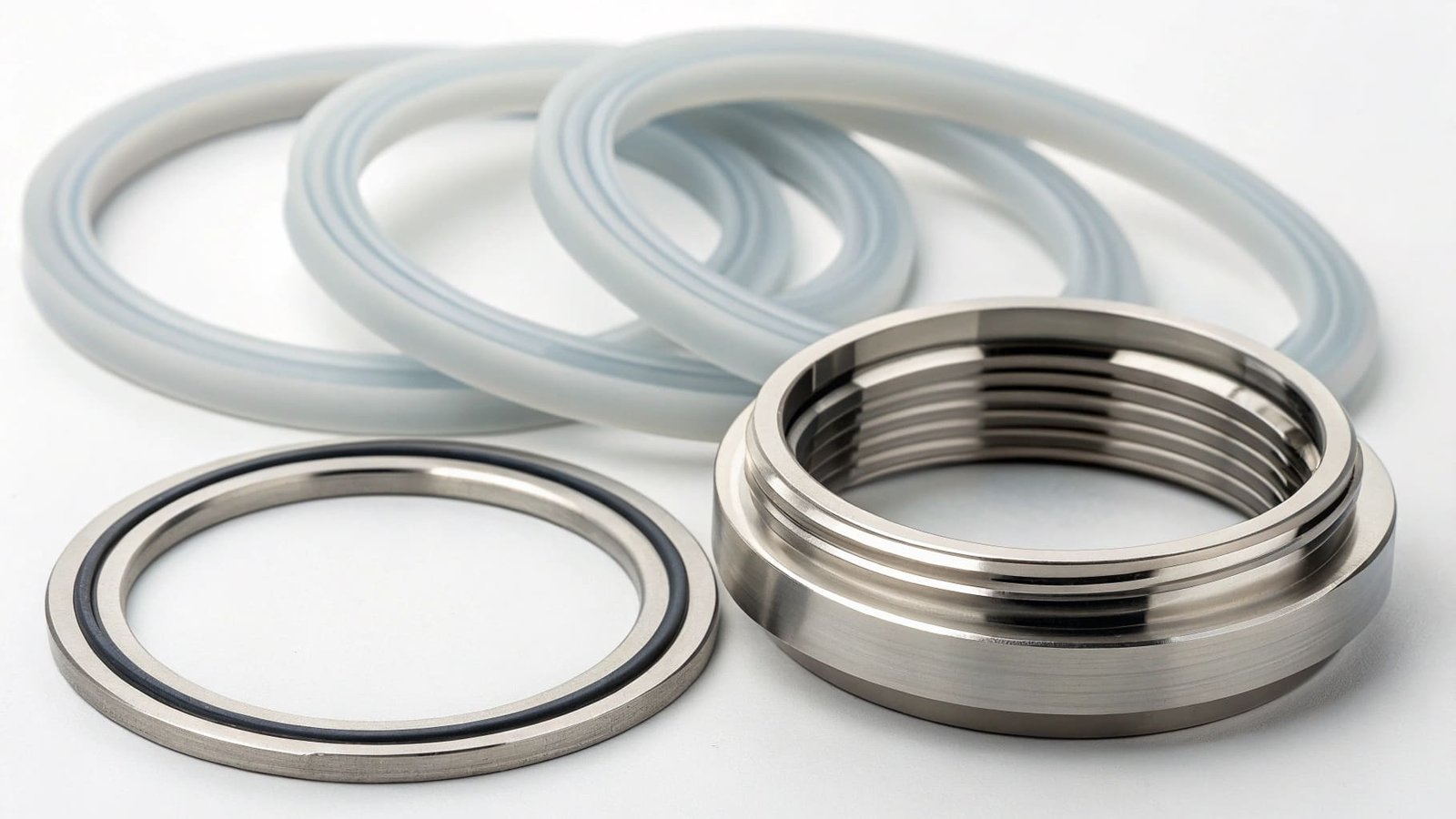
Each rubber type behaves differently under pressure, heat, and chemical exposure. European buyers know this. They will ask for the exact compound, not just the general material category.
EPDM is the most common choice for outdoor and automotive applications. It handles UV exposure and weather changes well.5 Silicone is the preferred material for food contact and high-temperature environments.6 NBR holds up against oils and fuels, which makes it the standard in industrial sealing. Neoprene sits in the middle, offering decent resistance to both weather and chemicals.
The type of rubber you offer tells the buyer whether you understand their application. If you only offer one option, you limit the buyer's choices and reduce your own chances of winning the order.
Rubber Types and Their Primary Applications
| Rubber Type | Key Strength | Common Application |
|---|---|---|
| EPDM | Weather and UV resistance | Outdoor seals, automotive, HVAC |
| Silicone | High-temperature and food-safe | Food equipment, medical, cookware |
| NBR (Nitrile) | Oil and fuel resistance | Industrial machinery, hydraulics |
| Neoprene | General weather and chemical resistance | Marine, HVAC, general sealing |
| PTFE-coated | Chemical inertness | Pharmaceutical, aggressive chemicals |
Experienced European buyers often ask for the compound data sheet, not just the material name. This sheet shows the Shore hardness, elongation at break, tensile strength, and compression set.7 These numbers tell the buyer how the gasket will perform in their specific use case. If you cannot provide this sheet, the buyer assumes you do not test or control your production process. That assumption ends most conversations before they go anywhere useful.
What Is the Best Material for a Rubber Gasket?
There is no single best material for rubber gaskets. Every supplier who claims otherwise is selling you their inventory, not solving your problem.
The best material for a rubber gasket depends on the application. For food contact in European markets, medical-grade silicone or EPDM meeting EU 10/2011 regulations is required.8 For industrial sealing under oil or fuel exposure, NBR is the standard choice. The application defines the material requirement.
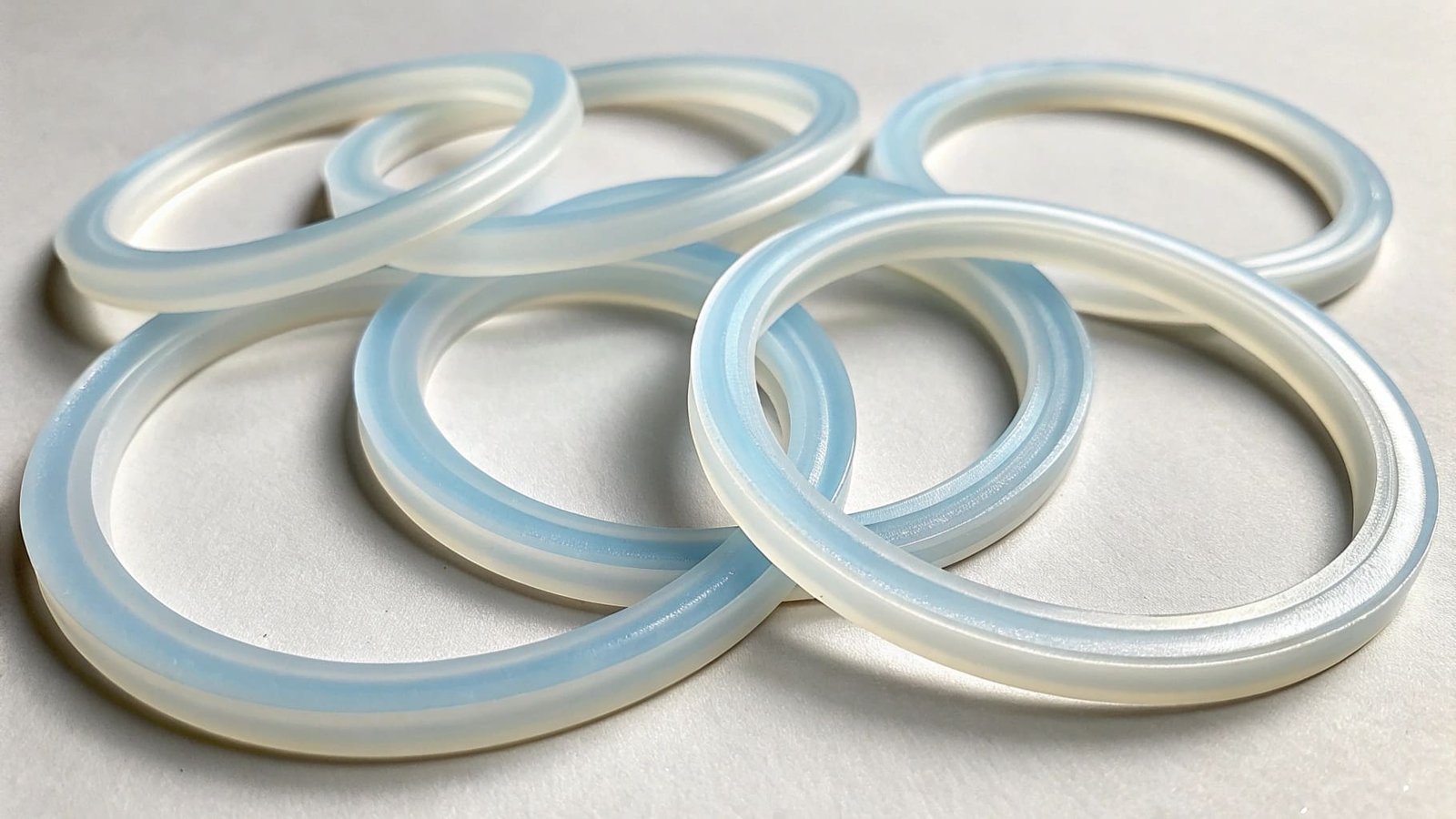
This is the question European buyers ask most often, and it is also the question that reveals the most about a supplier's technical knowledge. A good answer requires asking questions back. What is the gasket sealing? What temperatures will it face? Will it come into contact with food, chemicals, or pressurized water?
I always ask three things before recommending a material: the operating temperature range, the media in contact with the gasket, and whether the product needs food or medical certification. Those three answers narrow the field quickly.
Material Selection by Application and Compliance Requirement
| Application | Recommended Material | Relevant Standard |
|---|---|---|
| Food contact equipment | Silicone or EPDM | EU 10/2011, FDA, LFGB |
| Outdoor and automotive sealing | EPDM | ISO 3302, EN 681-1 |
| Industrial machinery (oil exposure) | NBR | ISO 6072 |
| High-temperature industrial use | Silicone | EN 549 |
| Medical and pharmaceutical | Medical-grade silicone | ISO 10993 |
| General-purpose indoor use | Neoprene | Application-specific |
European quality managers do not just want the right material. They want proof. They want test reports from accredited labs that confirm the material meets the standard for their market. Germany and France, in particular, often apply stricter national requirements on top of the base EU standards. Suppliers who prepare pre-shipment test reports from EU-recognized labs get to the purchase decision faster. Buyers see this as risk reduction, and they are right.
A portfolio approach works best here. Offering EPDM, silicone, and NBR options with clear technical datasheets for each tells the buyer that you understand their world. It removes the back-and-forth that slows procurement down. And it gives buyers confidence that you will not send them the wrong compound with the right label on the bag.
Conclusion
European buyers require clear material data, correct HS codes, and compliance documents. Knowing what they need before they ask puts you ahead of most suppliers competing for the same orders.
-
"EU REACH - International Trade Administration", https://www.trade.gov/eu-reach. European Chemicals Agency guidance on REACH explains that obligations can apply to substances in articles placed on the EU/EEA market, supporting the need to assess rubber gasket materials for REACH-restricted substances. Evidence role: general_support; source type: government. Supports: REACH applies to substances manufactured, imported, or placed on the EU market, including substances present in articles such as rubber components where relevant conditions are met.. Scope note: The source supports the regulatory framework generally; product-specific obligations depend on the gasket composition, tonnage, and the presence of restricted or candidate-list substances. ↩
-
"SQ-Mark Audit Report for Rubber Supplier | PDF - Scribd", https://www.scribd.com/document/317678684/Worksheet-in-SQ-Checksheet-Part1. Quality-management standards such as ISO 9001 require organizations to control externally provided products and retain documented evidence that specified requirements are met, giving contextual support for buyer requests for material certificates and technical performance data. Evidence role: general_support; source type: institution. Supports: Quality-management and supplier-evaluation frameworks commonly require documented product specifications, verification records, and evidence that purchased materials meet defined requirements.. Scope note: This supports the documentation practice in quality systems rather than proving that all European buyers request the same documents. ↩
-
"4016.93 - Harmonized Tariff Schedule", https://hts.usitc.gov/search?query=4016.93. EU tariff nomenclature entries for code 4016.93 identify the category as gaskets, washers, and other seals of vulcanised rubber other than hard rubber, supporting the stated classification for typical rubber gasket products. Evidence role: definition; source type: government. Supports: HS/CN heading 4016.93 covers gaskets, washers, and other seals of vulcanised rubber other than hard rubber.. Scope note: Final classification can vary with product construction, material details, and national customs interpretation. ↩
-
"Combined Nomenclature - Taxation and Customs Union", https://taxation-customs.ec.europa.eu/customs/common-customs-tariff-cct/tariff-classification-goods/combined-nomenclature_en. European Commission and Eurostat explanations of the Combined Nomenclature describe it as an eight-digit goods classification based on the six-digit Harmonized System, supporting the statement that the CN adds two digits for EU classification. Evidence role: definition; source type: government. Supports: The EU Combined Nomenclature is an eight-digit classification system based on the six-digit Harmonized System.. ↩
-
"EPDM Rubber In Automotive Seals: Weathering, Compression Set ...", https://eureka.patsnap.com/blog/research-report/epdm-rubber-automotive-seals-weathering-compression-set-ev-thermal-compatibility/. Materials-engineering references describe EPDM as having strong resistance to ozone, weathering, and outdoor environmental exposure, supporting its use in outdoor and automotive sealing applications. Evidence role: mechanism; source type: education. Supports: EPDM has good resistance to ozone, weathering, and outdoor exposure, which explains its use in exterior and automotive sealing applications.. Scope note: The source supports the performance rationale; market share or frequency of use would require separate industry data. ↩
-
"Risk Assessment of Food Contact Materials II - PMC - NIH", https://pmc.ncbi.nlm.nih.gov/articles/PMC9131608/. Food-contact and materials references describe silicone elastomers as suitable for many food-contact uses and as retaining properties at elevated temperatures, supporting their common selection for food-contact and high-temperature gasket applications. Evidence role: general_support; source type: institution. Supports: Silicone elastomers are used in food-contact applications and are known for retaining useful properties across comparatively high temperature ranges.. Scope note: Suitability depends on the specific silicone formulation, migration testing, and applicable food-contact rules. ↩
-
"[PDF] INTERNATIONAL STANDARD ISO 815-1", https://ptacts.uspto.gov/ptacts/public-informations/petitions/1557676/download-documents?artifactId=kaTB5bWAkvKWqd2ZVYhYljUHNydNoddOdWpaDhLhNxhN-LrdGkWx_tY. Rubber-testing standards, including ISO and ASTM methods, define measurements for hardness, tensile properties such as elongation at break and tensile strength, and compression set, supporting their use as core values in rubber compound data sheets. Evidence role: definition; source type: institution. Supports: Rubber testing standards define methods for measuring hardness, tensile strength, elongation at break, and compression set.. ↩
-
"Risk Assessment of Food Contact Materials II - PMC - NIH", https://pmc.ncbi.nlm.nih.gov/articles/PMC9131608/. EU food-contact legislation establishes safety requirements for materials intended to contact food, and Regulation (EU) No 10/2011 specifically addresses plastic food-contact materials, providing context for compliance checks on gasket materials used in food-contact applications. Evidence role: definition; source type: government. Supports: EU food-contact rules require materials intended to contact food not to transfer constituents in unsafe amounts, while Regulation EU 10/2011 specifically governs plastic food-contact materials.. Scope note: This does not directly prove that all silicone or EPDM rubber gaskets must meet EU 10/2011; elastomeric and silicone materials may also be subject to other EU framework requirements or national recommendations. ↩