Do Custom Silicone Straw Hole Plugs Require MOQ Commitments from Suppliers?
Last month I turned down a potential client because they wanted just 100 pieces. It hurt to say no. But my factory simply cannot run production lines profitably at that volume. MOQs exist for real reasons.
Yes, custom silicone straw hole plugs1 typically require MOQ commitments ranging from 500 to 3,000 pieces. The exact number depends on customization complexity, mold costs, and supplier production capacity. Smaller orders face higher unit prices due to setup costs being spread across fewer units.
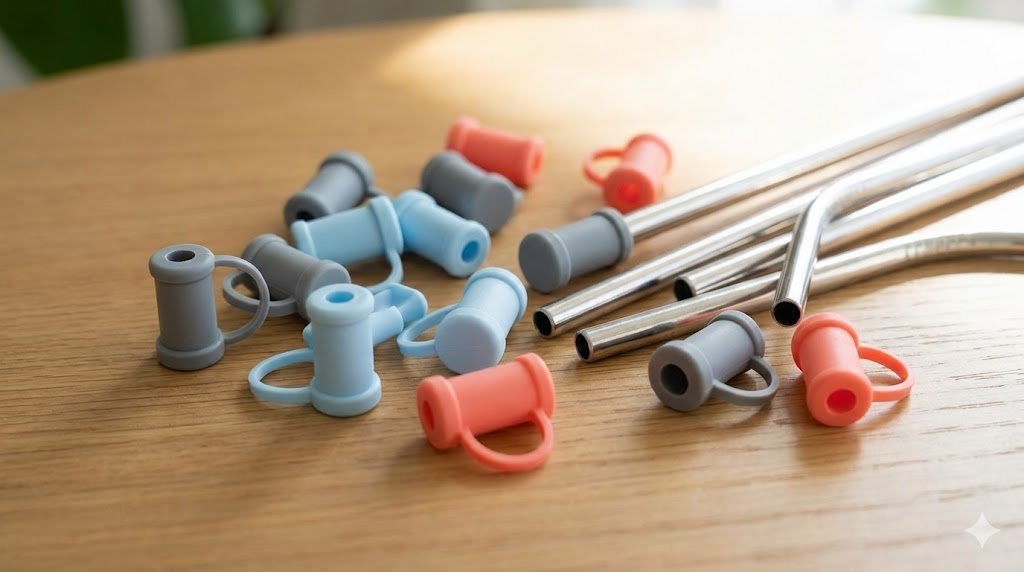
I have worked with over 200 B2B clients at silijoy. Every single one asked about MOQ flexibility during initial contact. Some suppliers advertise no MOQ to attract customers. But I found those arrangements often hide problems. Either quality suffers or lead times stretch unbearably long. Understanding why MOQs matter helps you negotiate better deals with manufacturers like us.
Are Silicone Straw Caps Safe?
Safety concerns keep procurement officers awake at night. One client once told me he fears regulatory issues more than profit loss. I understand that fear completely. Product recalls destroy brands overnight.
Food-grade silicone straw caps meeting FDA or LFGB standards2 are safe for consumer use. These materials contain no BPA, phthalates, or toxic chemicals. Quality suppliers provide certificates proving compliance with international safety regulations for food-contact products.
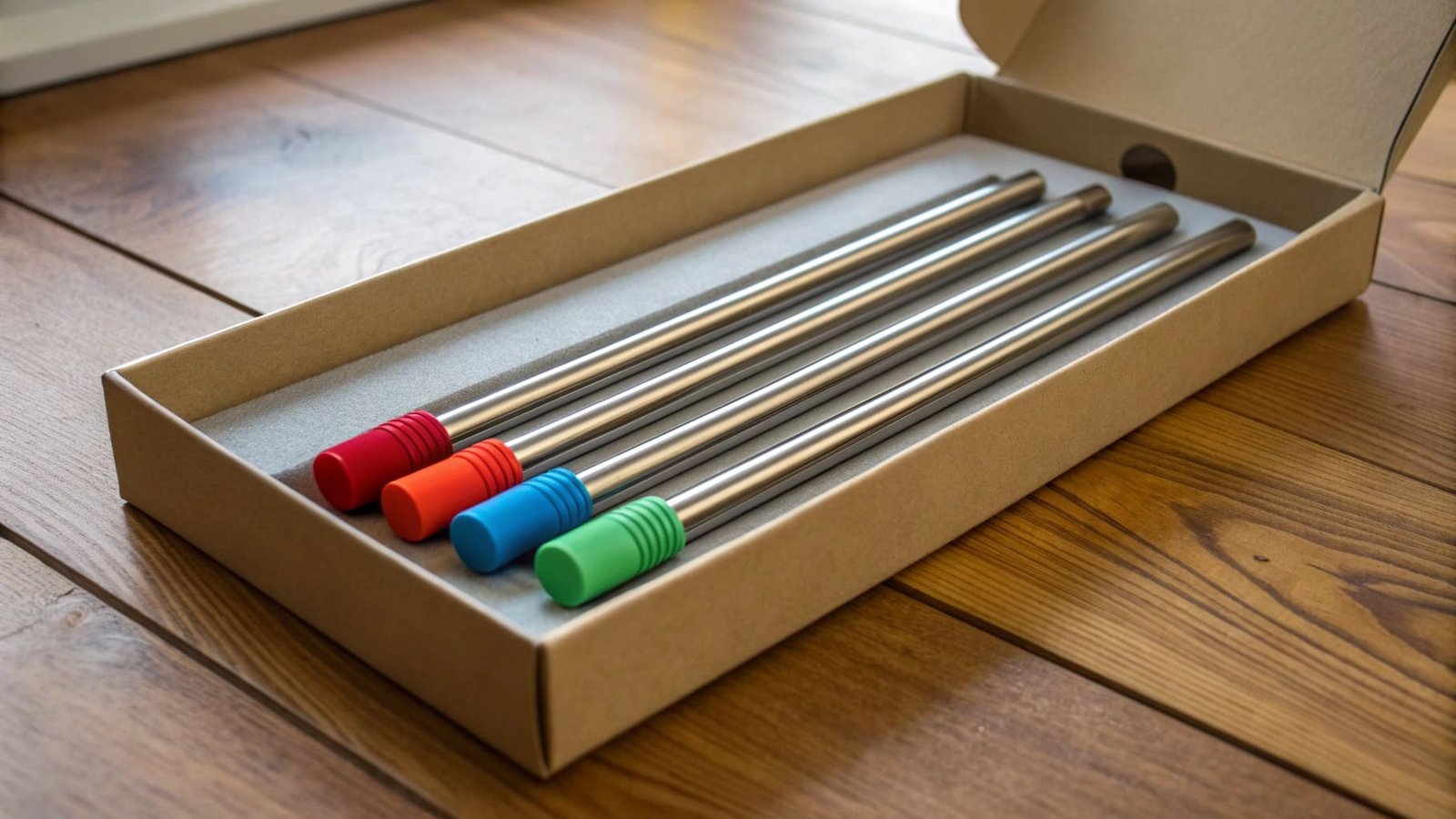
What Makes Silicone Straw Caps Actually Safe
I test every batch we produce at silijoy. The material composition determines everything. Food-grade silicone consists of silicon, oxygen, carbon, and hydrogen. Nothing else should appear in the formula. We source raw materials only from certified suppliers in China. Each shipment arrives with test reports.
Temperature resistance matters tremendously. Our straw caps withstand temperatures from -40°F to 450°F without degrading. Cheap alternatives start releasing compounds at lower temperatures. I have seen competitors use industrial-grade silicone to cut costs. That material looks identical but fails safety tests.
Certification verification protects your business. I recommend requesting copies of FDA certificates before placing orders. Real certificates include specific test results and batch numbers. Some factories provide fake documents. I caught three suppliers doing this last year during quality audits. Cross-checking certificate numbers with issuing laboratories takes effort but prevents disasters.
| Safety Feature | Food-Grade Silicone | Low-Quality Alternatives |
|---|---|---|
| BPA Content | Zero | May contain traces |
| Temperature Range | -40°F to 450°F | Limited to 200°F |
| Chemical Leaching | None | Possible under heat |
| Certification | FDA/LFGB verified | Often unverified |
| Durability | 3-5 years | 6-12 months |
Why Do Dentists Tell You Not to Use a Straw?
My dentist lectured me about straws last year. I felt confused because our company sells straw accessories. Then I researched the actual dental concerns. The issue has nothing to do with silicone materials.
Dentists discourage straw use because prolonged liquid contact concentrates sugary or acidic beverages against specific teeth. This creates localized decay spots. The silicone straw plug itself poses no dental risk. Drinking habits matter more than accessories used.

The Real Dental Science Behind Straw Concerns
Tooth enamel erosion happens gradually. When someone sips through a straw repeatedly, liquid bypasses natural saliva flow that normally neutralizes acids. I spoke with Dr. Chen, a dental consultant we hired for product development. She explained the positioning creates problems.
Straws direct beverages toward the back of the mouth. This seems beneficial initially. But users often hold liquid in their mouths longer while drinking through straws. Extended contact time allows acids to attack enamel more effectively. The material of the straw or cap makes zero difference to this chemical process.
Context matters for your product marketing. Straw hole plugs actually help dental health indirectly. They keep beverages sealed during transport. This reduces the temptation to sip constantly throughout the day. I suggest emphasizing this benefit to customers. Fewer sipping occasions means less acid exposure overall.
Our silicone plugs also prevent spills that create sticky residues. Dried sugary residues attract bacteria. Keeping cups properly sealed until drinking time reduces this risk. Some dental professionals actually recommend our products for this reason.
Can Mold Grow on Silicone Straw?
I discovered mold on a competitor's product sample last month. The black spots appeared around the rim seal. My quality control team examined the issue immediately. Mold growth depends on several factors beyond material choice.
Mold can develop on silicone straws if moisture remains trapped in crevices or porous surfaces. However, medical-grade silicone's non-porous structure naturally resists bacterial colonization better than plastic alternatives. Proper cleaning and drying prevent virtually all mold issues with quality silicone products.
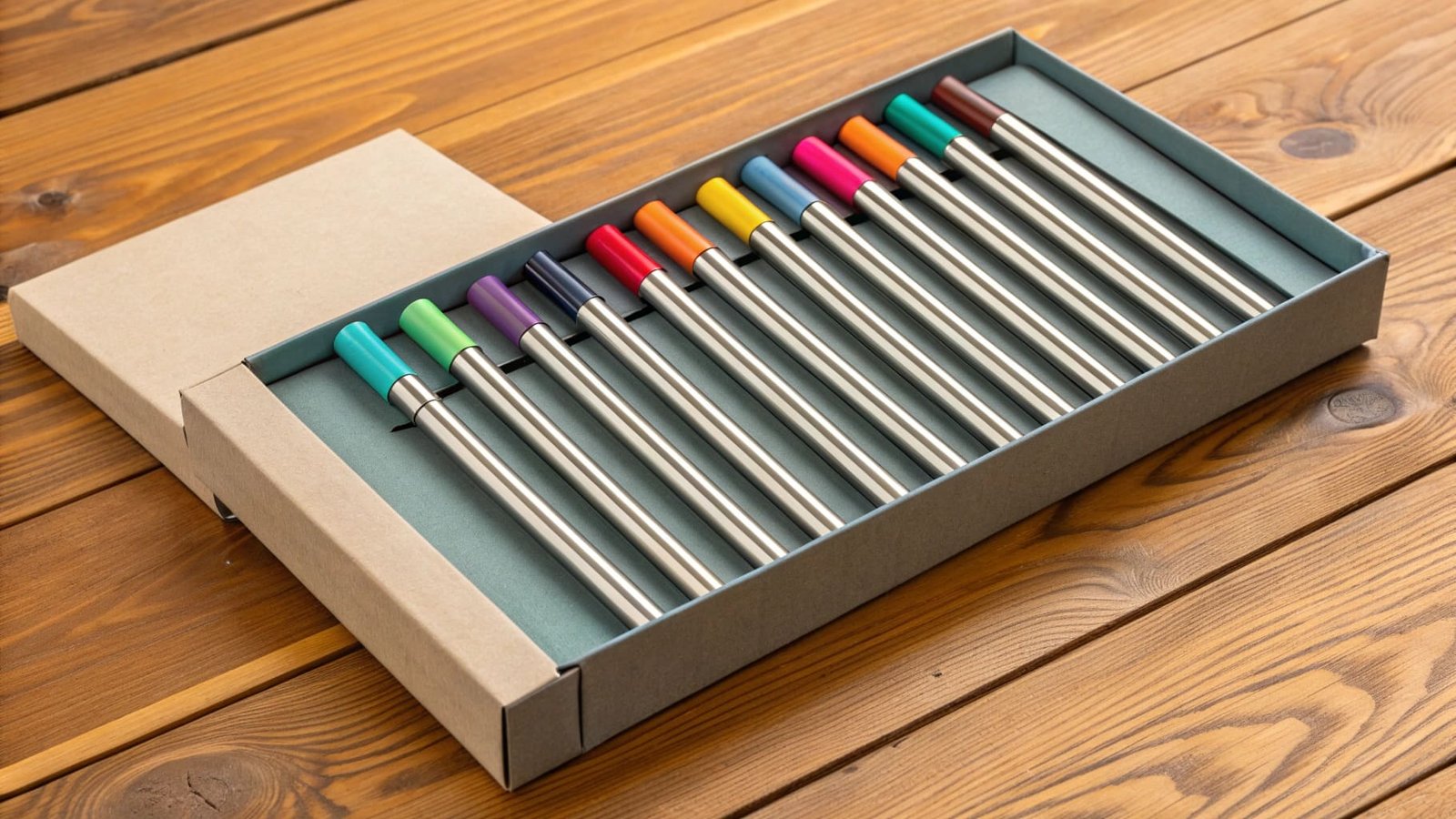
How Design Prevents Mold Problems
Surface texture determines everything. I designed our straw hole plugs with completely smooth exteriors. No threads, no decorative ridges, no unnecessary detail. Every tiny crevice becomes a potential mold habitat. Smooth surfaces wipe clean in seconds.
Material density matters equally. Low-quality silicone contains microscopic pores that trap water and food particles. We use platinum-cure silicone3 at silijoy. This curing process creates denser molecular structures. Water cannot penetrate the surface. Bacteria find nothing to grip.
Drainage design separates good products from mediocre ones. Our plugs include subtle angles that encourage water runoff during drying. Flat surfaces hold water droplets. Angled surfaces shed moisture naturally. This tiny detail prevents most mold problems without requiring customer effort.
Some suppliers now add antimicrobial additives to silicone formulas. I tested these materials last quarter. The additives reduce bacterial growth by roughly 40% in laboratory conditions. Real-world results vary based on usage patterns. I consider this feature optional rather than essential for quality products.
| Mold Prevention Factor | Impact Level | Implementation Cost |
|---|---|---|
| Smooth Surface Design | Very High | Low |
| Platinum-Cure Process | High | Medium |
| Antimicrobial Additives | Medium | Medium-High |
| Drainage Angles | Medium | Low |
| Care Instructions | High | Minimal |
Customer education reduces complaints significantly. We include cleaning cards with every order showing proper washing techniques. Most mold issues stem from leaving wet plugs in sealed containers. Simple air-drying solves 90% of potential problems.
Conclusion
MOQ commitments reflect real production economics, but negotiation remains possible with the right supplier approach. Quality certifications and smart design features matter more than minimum order quantities for building lasting B2B relationships in this market.