Should B2B Buyers Request Sample Testing for Silicone Bottom Protectors?
You order a batch of silicone bottom protectors. They look good in photos. But when your customers use them, complaints flood in. The material cracks. Strange odors appear. Your brand reputation suffers.
Yes, you should always request sample testing for silicone bottom protectors1. This step helps you verify material purity, confirm safety standards, and protect your business from costly quality failures before placing bulk orders.
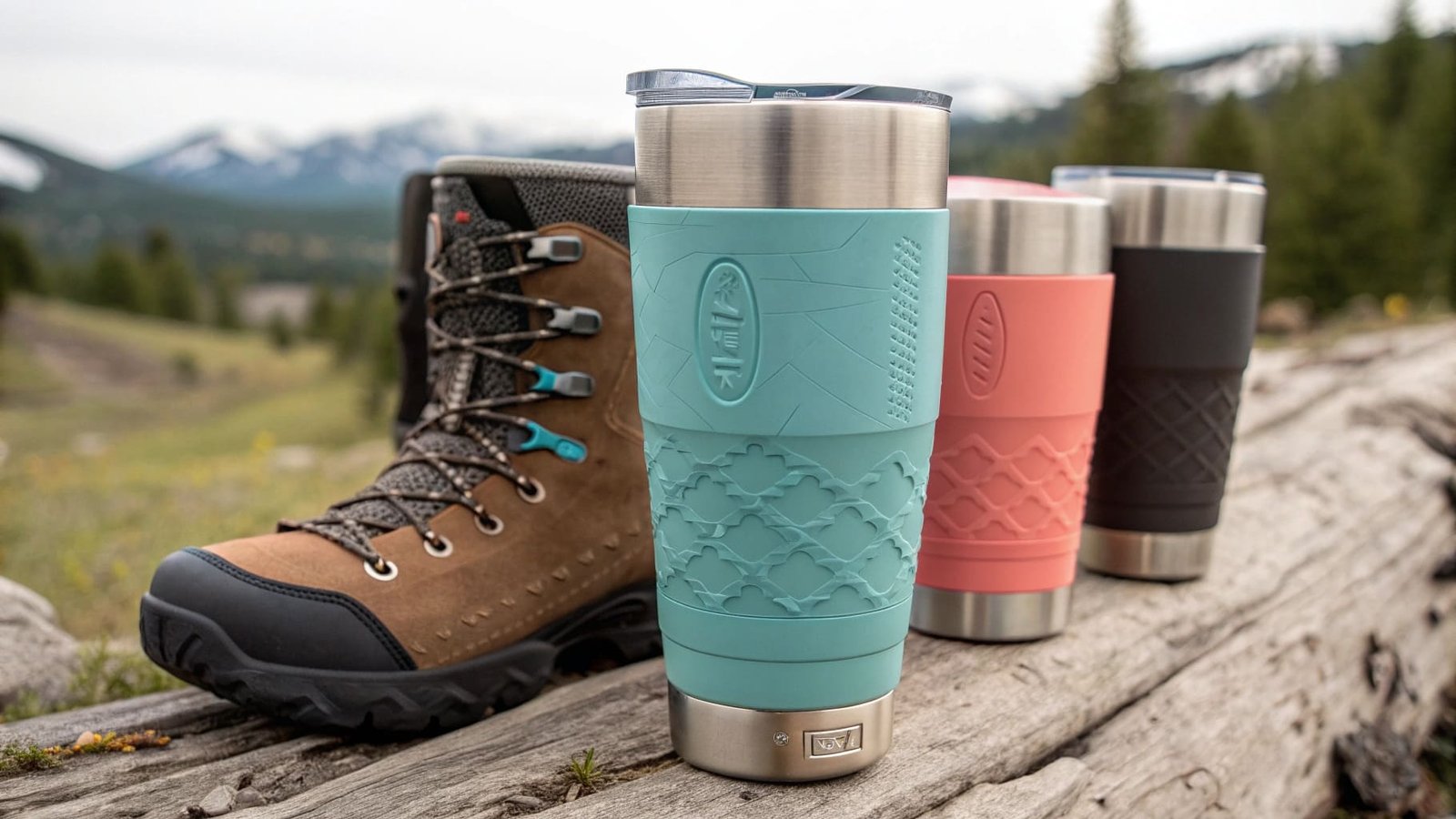
I learned this lesson the hard way years ago at silijoy. A client once skipped our sample testing2 process. They trusted photos and price quotes alone. Three months later, they faced returns worth thousands of dollars. The silicone contained fillers that caused premature wear. Since then, I always tell buyers the same thing: test samples first, order later.
How to Test for Silicone Contamination?
Your supplier sends samples. They claim the material is pure silicone. But how do you know for sure? Contamination issues hide beneath the surface. They only show up after weeks of use.
Test silicone contamination3 through physical inspection, pinch testing, and requesting third-party lab certificates that verify material composition and confirm absence of fillers or harmful additives.
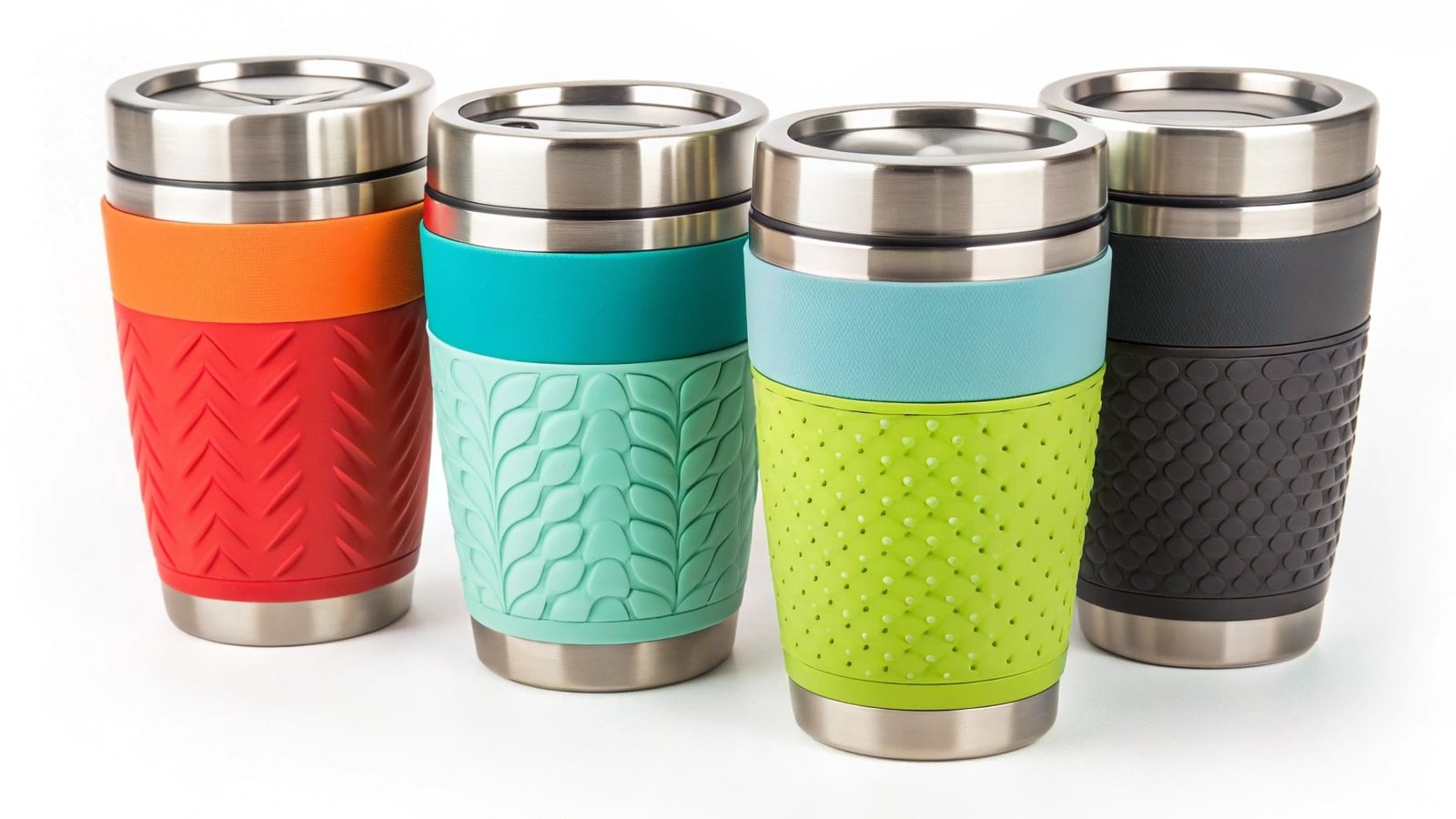
I recommend starting with visual checks. Pure silicone has a consistent color throughout. Look for any discoloration or uneven texture. These signs often indicate mixing problems during manufacturing.
Next, check the smell. Good quality silicone has almost no odor. A strong chemical smell suggests the presence of plasticizers or other additives. I once rejected an entire sample batch because of this issue. The smell was subtle but noticeable. Lab tests later confirmed my suspicion.
Here is my practical testing checklist:
| Test Type | What to Check | Red Flags |
|---|---|---|
| Visual | Color uniformity | Streaks or patches |
| Smell | Chemical odors | Strong plasticky scent |
| Touch | Surface texture | Sticky or oily feel |
| Documentation | Certificates | Missing FDA or REACH papers |
Temperature testing also helps. Heat a small piece to 200 degrees Celsius. Pure silicone stays stable. Contaminated material may melt, smoke, or release fumes. I do this test in my factory workshop whenever I doubt a supplier's quality claims.
Always ask for Material Safety Data Sheets. These documents list every component in the silicone mixture. Compare the MSDS against industry standards for your target market. European buyers need REACH compliance. American buyers need FDA food-contact approval. I keep a file of required certifications for each country I export to.
What Is the Silicone Pinch Test?
The pinch test sounds simple. Many buyers skip it or do it wrong. But this basic test reveals more about silicone quality than most people realize. I teach this method to every new buyer who visits our facility.
The silicone pinch test involves firmly pinching and twisting the material, then releasing it to check if white stress marks appear, which indicates the presence of fillers or low-grade materials.
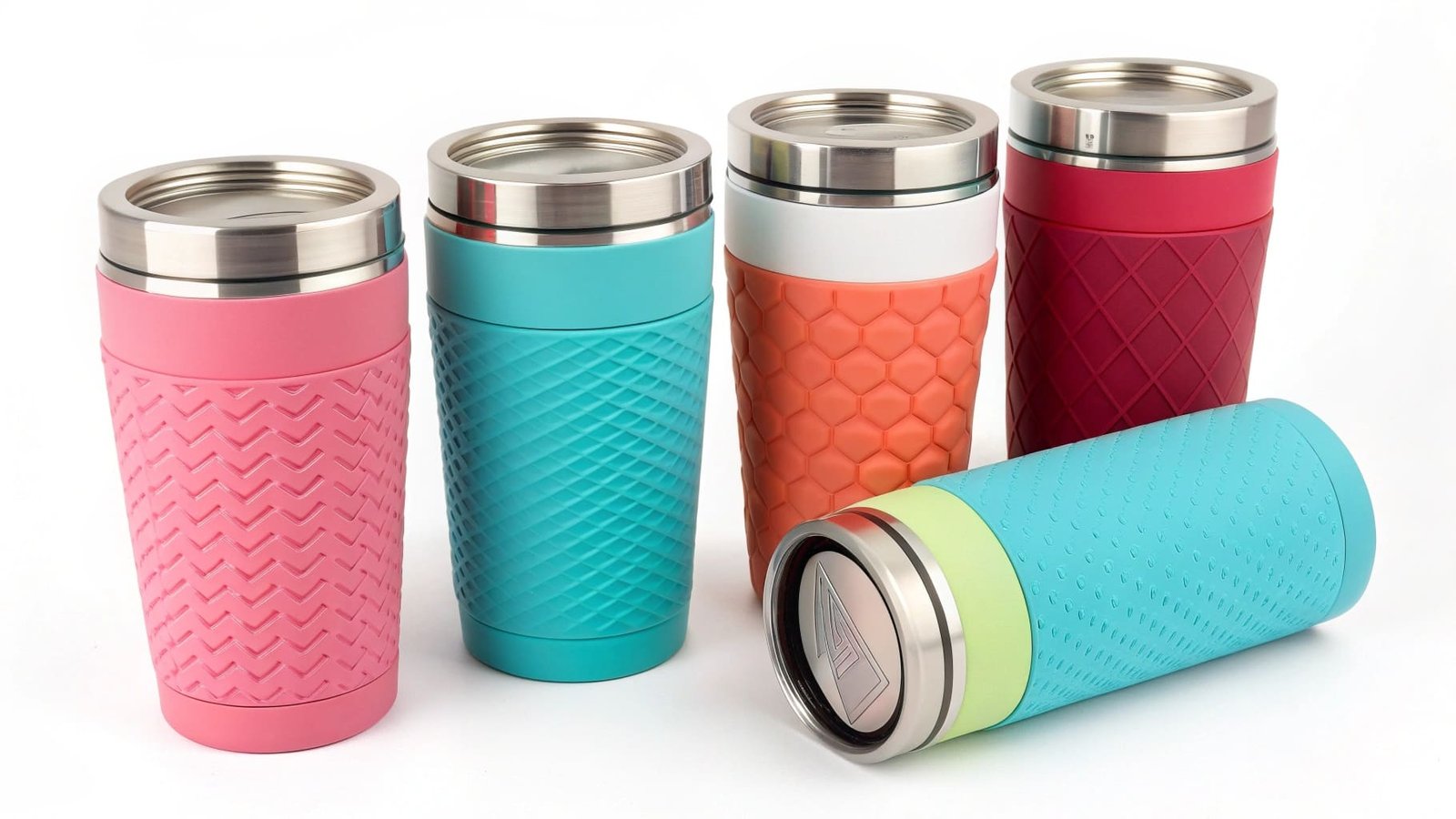
Here is how I perform the test correctly. Fold a section of the silicone bottom protector between your thumb and index finger. Apply strong pressure while twisting the material. Hold this position for five seconds. Then release and observe the surface immediately.
Pure silicone bounces back to its original shape. No marks remain visible. The color stays uniform. The material feels elastic and responsive. This happens because true silicone has excellent memory properties. The molecular structure resists permanent deformation.
When white lines appear, you have a problem. Those marks indicate filler materials mixed into the silicone. Common fillers include calcium carbonate, talc, or cheap synthetic rubbers. Manufacturers add these to reduce costs. But fillers compromise durability and safety.
I remember testing samples from three different suppliers last year. Two samples showed obvious white marks during the pinch test. The third sample stayed perfect. Lab analysis confirmed my field observations. The first two contained over thirty percent filler material. The third was pure platinum-cure silicone.
The test works because fillers and silicone have different physical properties. When you stress the material, fillers separate slightly from the silicone matrix. This separation creates visible white areas. The effect is temporary in contaminated material. But pure silicone never shows this reaction.
You can also check recovery speed. Pure silicone returns to shape instantly. Contaminated material takes a few seconds. Some low-quality samples never fully recover their original shape. I have seen samples that remained permanently deformed after one pinch test.
Is There a Way to Test for Silicone Allergy?
Buyers often worry about allergic reactions to silicone products. Customer safety matters to your brand. But many people confuse silicone allergies with reactions to other materials or additives mixed into low-quality products.
True silicone allergies are extremely rare. Request biocompatibility test reports following ISO 10993 standards and Material Safety Data Sheets from your supplier to verify the silicone contains no allergenic additives or catalysts.
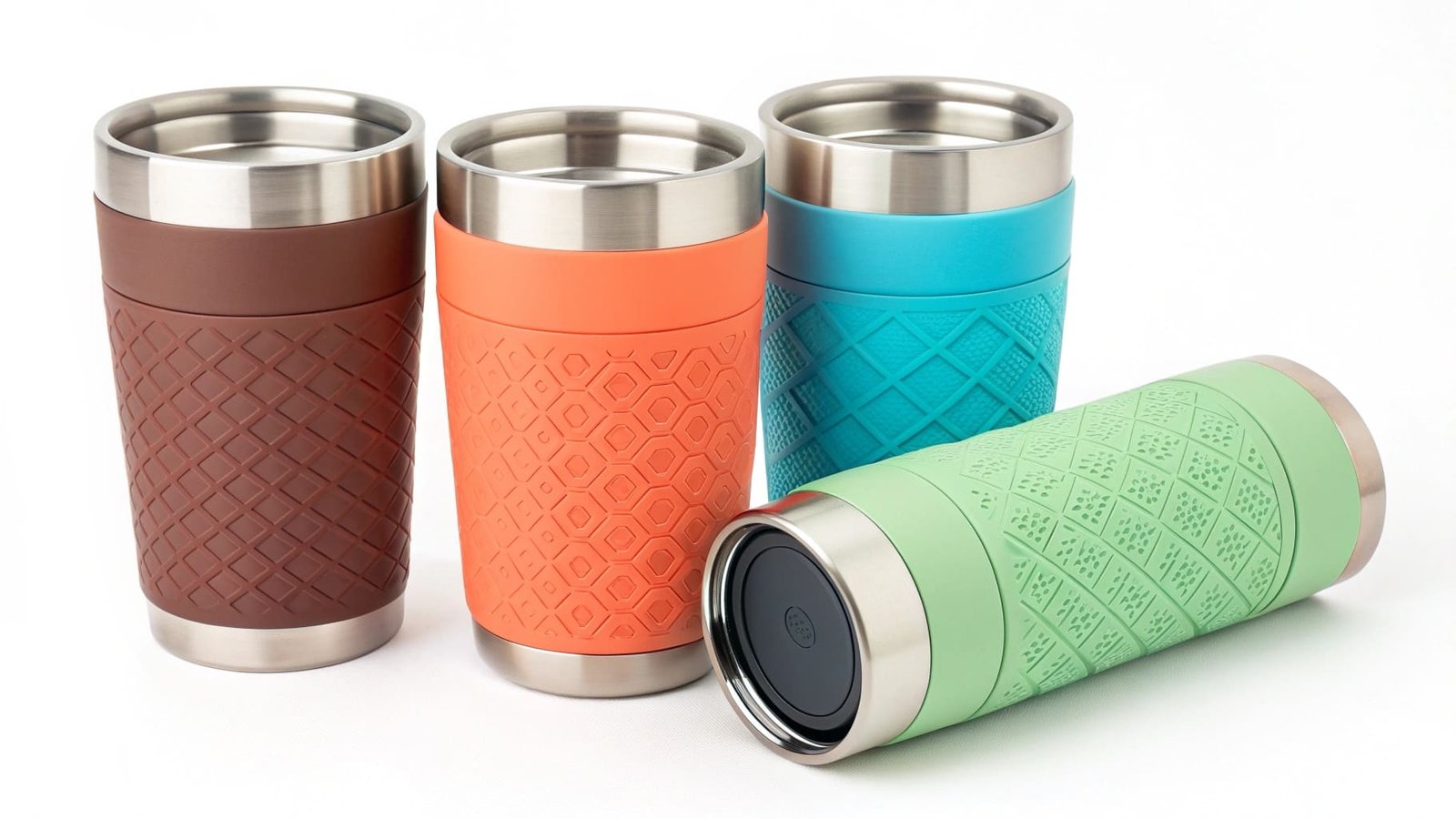
I need to be clear about this. Medical research shows pure silicone causes allergic reactions in less than one percent of people. The real problem comes from additives in cheap silicone products. These additives include accelerators, colorants, and processing aids. Some of these chemicals can trigger skin reactions.
When buyers ask me about allergy testing, I first explain what they should request from suppliers. ISO 10993 is the gold standard for biocompatibility. This certification proves the material is safe for skin contact. Part ten of this standard specifically covers skin sensitization testing.
Here are the documents I always verify:
| Document | Purpose | Critical Information |
|---|---|---|
| ISO 10993 Report | Biocompatibility proof | Skin sensitization results |
| MSDS | Chemical composition | Additive disclosure |
| RoHS Certificate | Heavy metal limits | Lead and cadmium levels |
| FDA Letter | Food contact safety | Migration test results |
Many buyers confuse silicone allergies with latex allergies. They are completely different. Latex comes from rubber trees. Silicone is a synthetic polymer. Someone with severe latex allergies can safely use pure silicone products. I have customers in the medical device industry who specifically choose silicone for this reason.
Patch testing is the medical standard for verifying allergic reactions. But as a B2B buyer, you cannot conduct medical tests on every potential customer. Instead, focus on supplier documentation. Request allergen declarations. Ask if the manufacturer uses any latex-based mold release agents. Some factories contaminate silicone products through poor production practices.
I once worked with a buyer who had customer complaints about skin irritation. We traced the problem to residual platinum catalyst in the silicone. The supplier had not properly cured the material. Our factory uses extended curing cycles and post-cure processing to eliminate this issue. The problem disappeared after the buyer switched to our products.
Conclusion
Sample testing protects your investment and reputation. The pinch test, contamination checks, and documentation review take minimal time but prevent massive problems later.