Do Hydration Bladder Connectors Support Tool-Free Installation for OEM Lines?
Yes. Most modern silicone hydration bladder connectors now feature push-click or quick-twist designs. Your assembly team can install them without any tools. This saves time and cuts labor costs by up to 40%.
Modern OEM production lines demand speed and simplicity. Tool-free connector systems deliver both. These connectors use precision-molded silicone gaskets1 with mechanical locking features. They create leak-proof seals while your workers simply push or twist components together. I have seen production managers reduce their assembly time from minutes to seconds per unit.
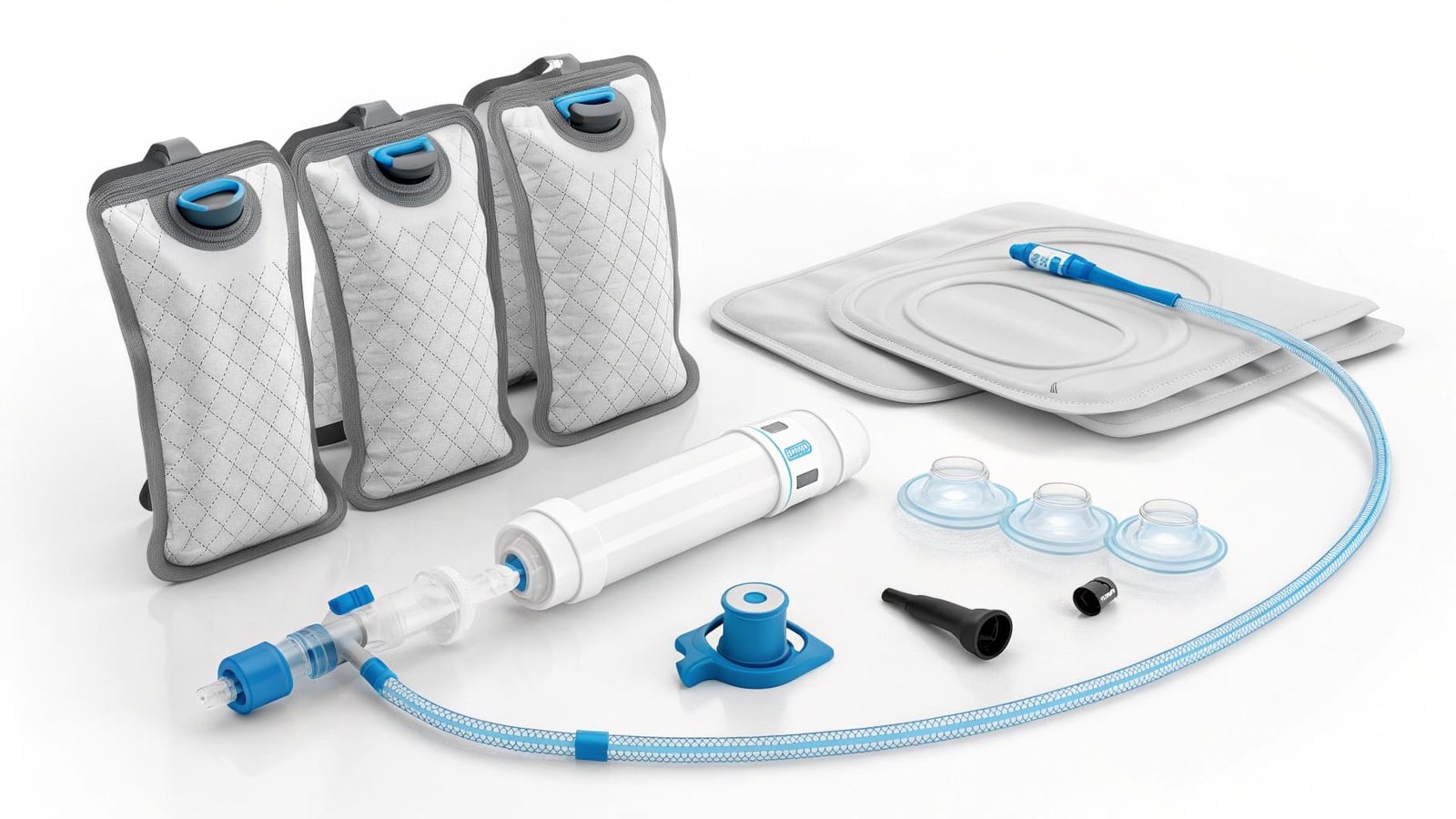
The connector design directly impacts your bottom line. When I work with large distributors, they always ask about assembly efficiency first. Tool-free systems mean you need fewer skilled workers on the line. Your team assembles faster. Your quality control becomes easier because there are fewer variables in the installation process.
How to put bladder in hydration vest?
Wide-mouth bladder openings make installation frustrating for end users. Your customers struggle with collapsed bladders that refuse to slide into vest pockets. This creates returns and negative reviews that hurt your brand reputation.
The solution lies in reinforced silicone frames around the bladder opening. These frames maintain the bladder shape during insertion. Your customers can slide the bladder into the vest compartment in one smooth motion. The frame prevents the bladder walls from sticking together or folding awkwardly.
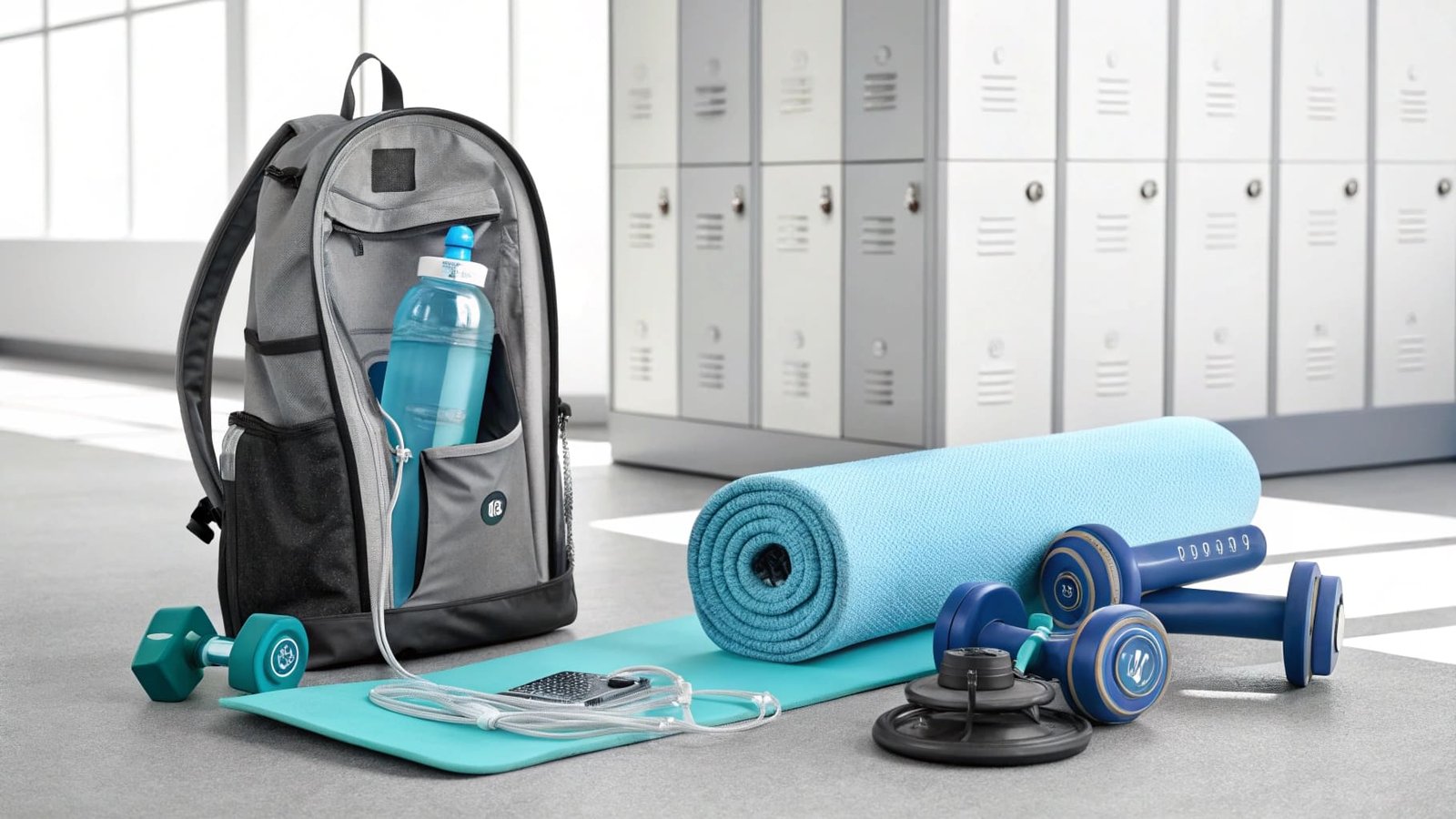
The installation process breaks down into three steps
First, the user fills the bladder through the wide-mouth opening. Second, they seal the closure system which typically uses a zip-lock mechanism or roll-top design with a silicone seal. Third, they slide the filled bladder into the vest's dedicated compartment with the hose exit point aligned properly.
The key technical specification here is the silicone frame thickness. I recommend frames between 2-3mm thickness. Thinner frames collapse too easily. Thicker frames add unnecessary weight. The silicone shore hardness2 should range from 50-70A to provide structure without rigidity.
| Bladder Component | Specification | Purpose |
|---|---|---|
| Frame Thickness | 2-3mm | Maintains shape during insertion |
| Shore Hardness | 50-70A | Balances structure and flexibility |
| Opening Width | 80-100mm | Allows easy filling and cleaning |
| Silicone Grade | Food-grade FDA/LFGB | Ensures drinking water safety |
When sourcing bladders for your distribution business, look for designs where the hose connection sits at the top corner. This positioning prevents kinking when the bladder sits in the vest. The connection point should use the same tool-free mechanism we discussed earlier. Your end users appreciate consistency across all connection points in the hydration system.
How tight should a hydration vest be?
Loose vests cause water to slosh around during movement. Your customers experience an uncomfortable bouncing sensation. The shifting weight throws off their balance during running or hiking. This discomfort leads to abandoned products and poor word-of-mouth marketing for your brand.
Proper vest compression creates a snug fit that eliminates water movement. The vest should feel like a second skin without restricting breathing. Industry testing shows the ideal pressure point sits just below discomfort level when the user takes a deep breath.
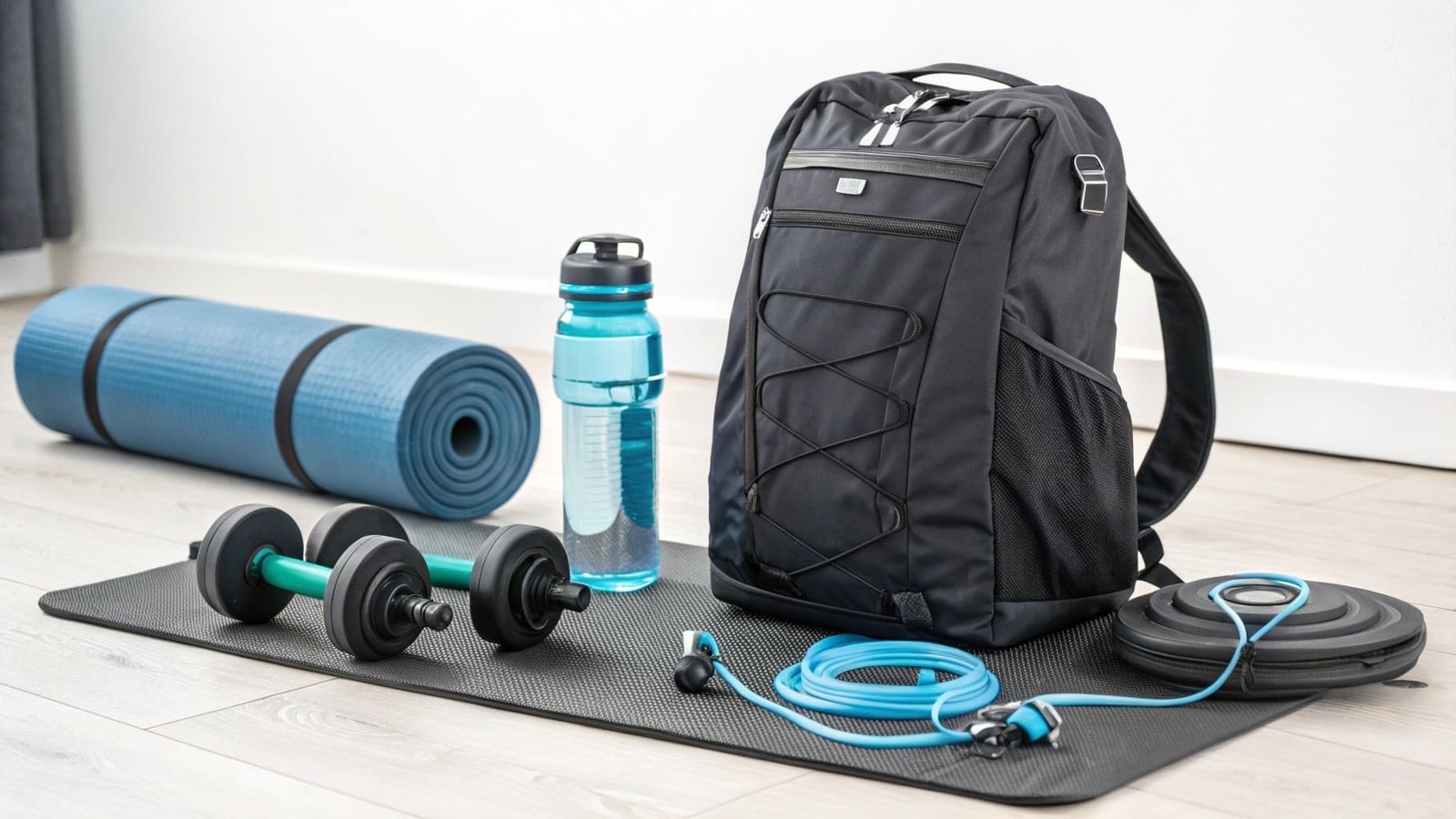
Finding the right compression balance requires understanding biomechanics
The chest strap serves as the primary adjustment point. Quality vests use elastic webbing that stretches 15-20% during movement. This elasticity maintains contact pressure while accommodating breathing patterns. I always recommend adding silicone anti-slip strips to the interior panels. These strips measure 30-50mm wide and use 40A shore hardness silicone. They grip the user's clothing without causing irritation.
The vest should pass the jump test. When your customer jumps up and down with a full bladder, the vest should move as one unit with their torso. Any independent movement indicates insufficient tightness. However, if the user feels pressure points or breathing restriction, the vest is too tight.
Side straps provide secondary adjustment. These straps should allow 5-10cm of adjustment range to accommodate different torso sizes and clothing layers. The buckle systems need to be tool-free for field adjustments. I have found that ladder-lock buckles with silicone grips work best. They hold securely under load but release easily when the user wants to adjust.
The relationship between vest tightness and bladder performance is direct. A properly fitted vest compresses the bladder evenly. This even compression pushes water toward the bite valve consistently. It prevents air pockets that create suction problems. For your B2B specifications, look for vests with adjustable compression straps that use silicone components at stress points. These components last longer and maintain their grip properties through thousands of adjustment cycles.
Do I have to bite my hydro pack for water to come out?
Old-style bite valves require constant jaw pressure to maintain water flow. Your customers develop jaw fatigue during long activities. They complain about sore teeth and difficulty drinking while breathing hard. These usability problems create support tickets and reduce repeat purchases for your distribution business.
Modern silicone bite valves eliminate this problem through self-sealing technology3. The user bites gently to open the valve then releases while water continues to flow. The valve closes automatically when they finish drinking. This mechanism uses the natural elasticity of medical-grade silicone.
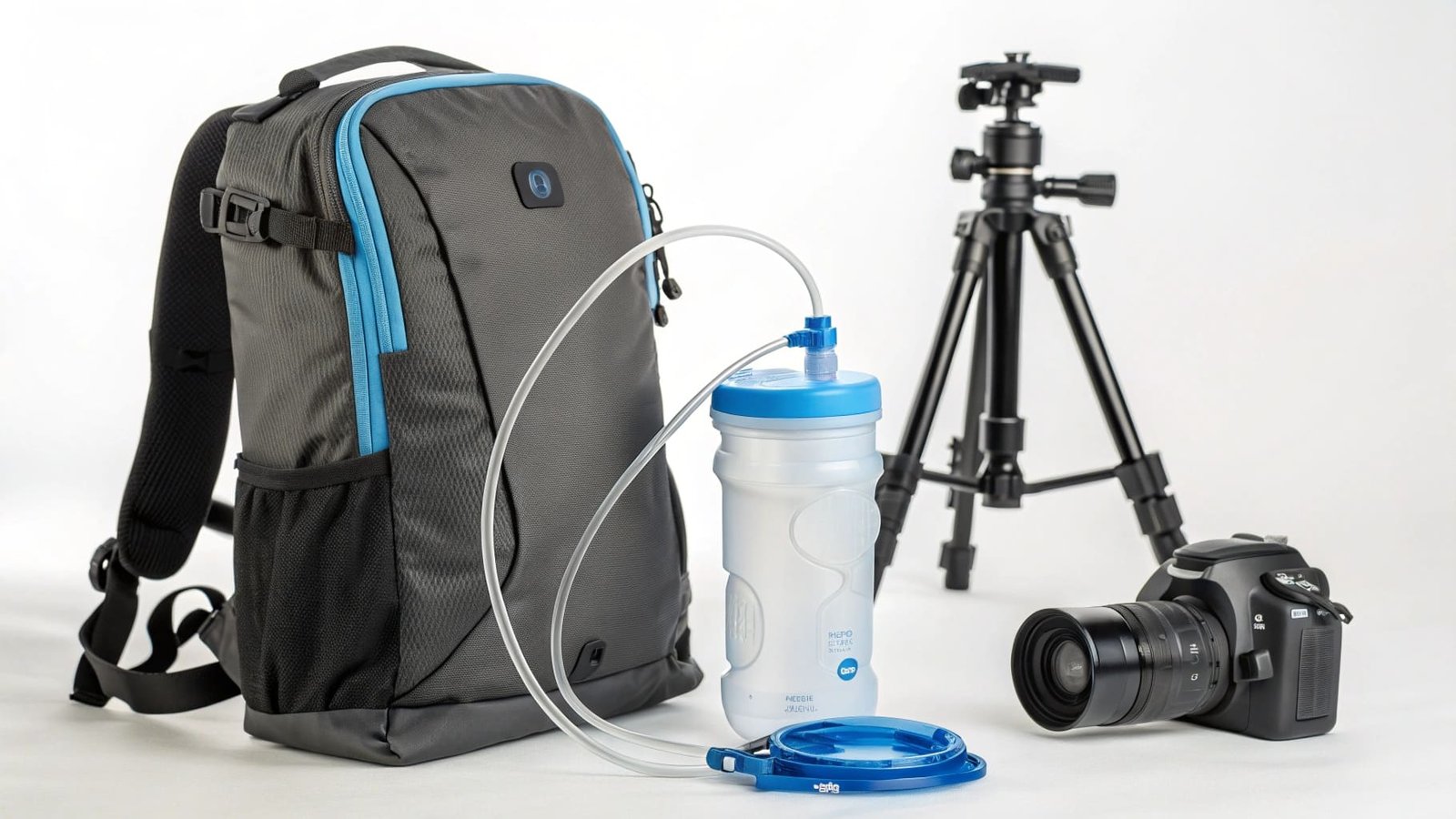
The engineering behind self-sealing bite valves involves precise material selection
Shore hardness ratings between 40-60A create the optimal balance. Softer silicone opens too easily and leaks during transport. Harder silicone requires too much bite force. The valve mechanism typically uses a slit design where the silicone naturally stays closed under ambient pressure. When the user bites down, the slit opens and allows water flow. The bite pressure also creates slight vacuum suction that continues drawing water even after bite pressure releases.
The silicone memory properties ensure the valve returns to its sealed position within milliseconds. This quick response prevents dripping between sips. For buyers evaluating suppliers, test the valve's closing speed. Fill a bladder, bite the valve open, then release quickly while holding the hose upward. Good valves stop water flow immediately. Poor valves dribble for several seconds.
The mouthpiece shape matters as much as the valve mechanism. Ergonomic designs use oval cross-sections that match natural bite patterns. The mouthpiece should measure 18-22mm at its widest point and taper to 12-15mm at the tip. Surface texture prevents the valve from slipping out during vigorous activity. I recommend micro-ribbing patterns molded into the silicone surface. These patterns provide grip without creating discomfort against the user's lips.
| Bite Valve Specification | Standard Range | Impact on Performance |
|---|---|---|
| Shore Hardness | 40-60A | Controls opening force and seal integrity |
| Slit Length | 8-12mm | Determines flow rate |
| Mouthpiece Width | 18-22mm | Affects comfort and grip |
| Material Grade | Medical-grade silicone | Ensures taste-free water and safety |
When you specify bite valves for your product line, request FDA or LFGB certification documents. These certifications verify the silicone meets food-contact safety standards. The certification also indicates the manufacturer follows quality control processes4 that ensure consistent performance across production batches. This consistency reduces your customer complaint rates and protects your brand reputation in competitive markets.
Conclusion
Tool-free connector systems, proper bladder installation design, correct vest compression, and self-sealing bite valves work together to create reliable hydration systems. These specifications reduce your production costs while improving end-user satisfaction and minimizing returns.
-
Find out how precision-molded silicone gaskets enhance the performance of hydration systems. ↩
-
Learn about silicone shore hardness and its impact on the performance of hydration products. ↩
-
Explore how self-sealing technology in bite valves enhances user convenience and hydration. ↩
-
Understand the significance of quality control processes in ensuring product reliability and safety. ↩