What Are the Insurance Requirements for High-Value Silicone Gasket Shipments?
You place a $50,000 order for custom silicone gaskets. The shipment gets damaged during transit. Your supplier says they are not responsible. You lose money and time.
High-value silicone gasket shipments need insurance coverage1 of at least 110% of the invoice value. You should request all-risk coverage that protects against temperature damage, contamination, and handling errors during international shipping.
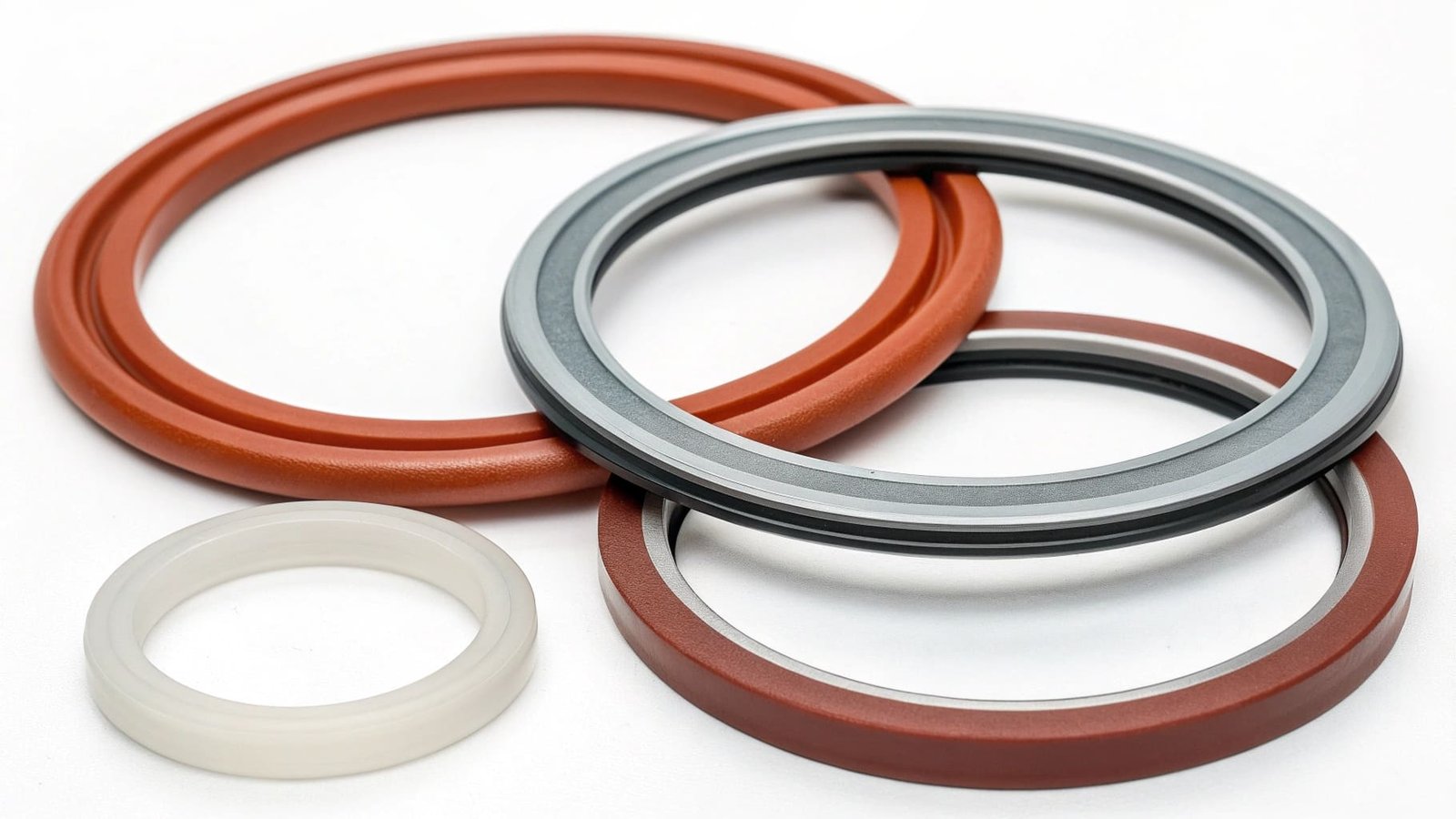
I learned this lesson five years ago when a customer's shipment of medical-grade gaskets arrived with water damage. The buyer had no insurance. I had basic coverage only. We both lost money. That experience changed how I handle insurance for every high-value order at silijoy.
What is the best way to ship high value items?
You have two main shipping options. Air freight costs more but offers faster delivery. Sea freight takes longer but handles bulk orders better. The wrong choice wastes money.
The best shipping method depends on your order value and urgency. Orders above $10,000 benefit from air freight with dedicated handling. Bulk orders work well with sea freight2 when you add container-specific insurance riders.
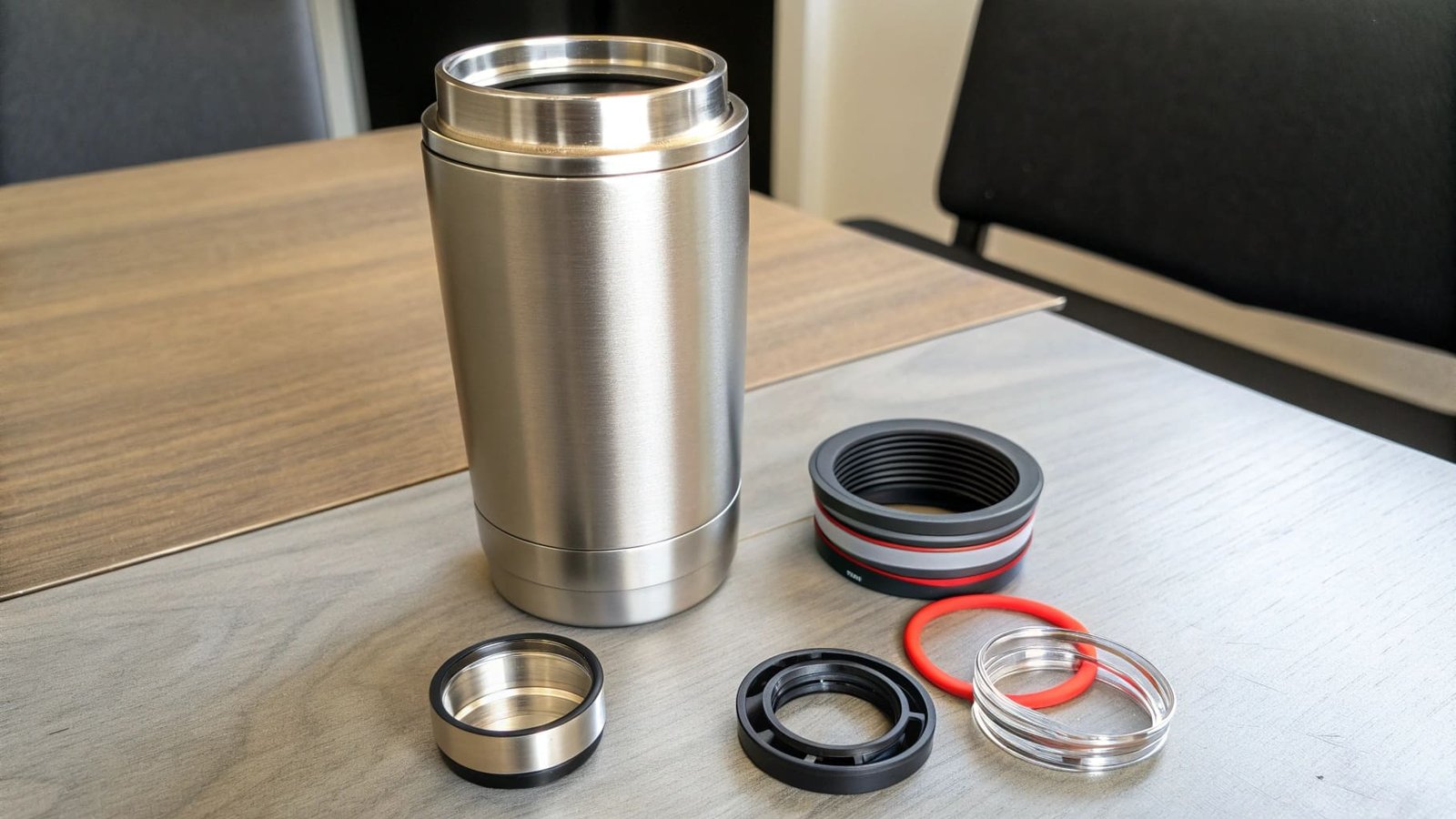
Breaking Down Your Shipping Options
I ship hundreds of orders each year to North America and Europe. The decision between air and sea freight comes down to three factors.
Order value per kilogram matters most. When your silicone gaskets cost more than $50 per kilogram, air freight3 makes sense. You pay extra for shipping but save on insurance costs. The transit time drops from 30-45 days to 5-7 days.
Your inventory timeline affects the choice. One buyer told me his production line stops when parts arrive late. He always chooses air freight for orders above $15,000. Another customer plans three months ahead. She uses sea freight and saves 60% on shipping costs.
| Shipping Method | Best For | Insurance Cost | Transit Time | Risk Level |
|---|---|---|---|---|
| Air Freight | Orders > $10,000, Urgent needs | 0.3-0.5% of value | 5-7 days | Low |
| Sea Freight (FCL) | Bulk orders > 1000kg | 0.4-0.7% of value | 30-45 days | Medium |
| Sea Freight (LCL) | Mixed orders 100-1000kg | 0.6-1.0% of value | 35-50 days | Higher |
Handling requirements drive the decision. Medical-grade silicone gaskets need temperature control. Food-grade products require contamination prevention. I recommend air freight with climate-controlled storage for these products. The extra cost protects your investment.
Some buyers combine both methods. They air ship the first batch to start production. The bulk order follows by sea. This strategy balances cost and risk.
What is the highest quality silicone?
Quality standards vary across different applications. Medical-grade silicone passes strict purity tests. Food-grade silicone meets FDA requirements. Industrial silicone focuses on durability. You need to match the grade to your use case.
The highest quality silicone meets USP Class VI standards for medical applications or FDA 21 CFR 177.2600 for food contact. Premium silicone contains no fillers, maintains stable properties from -60°C to 230°C, and shows minimal compression set.
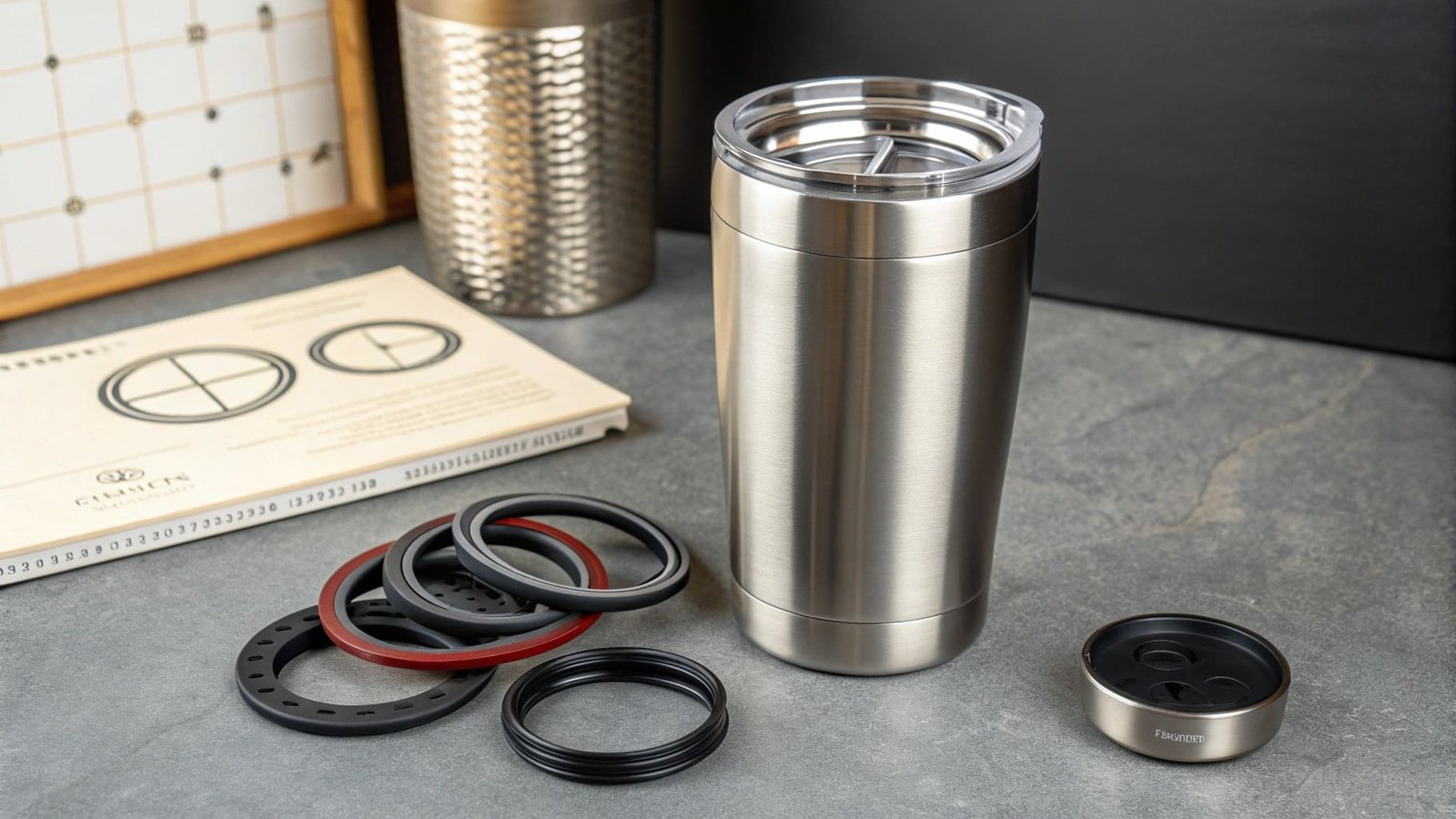
Understanding Silicone Quality Grades
I work with different silicone grades every day. Buyers often ask me which grade they need. The answer depends on where you use the gaskets.
Medical-grade silicone represents the top tier. This material passes biocompatibility testing. It contains platinum-cured compounds with zero peroxide residue. I source this grade for customers making pharmaceutical equipment seals. The cost runs 3-4 times higher than standard silicone.
Food-grade silicone follows strict FDA guidelines. Your gaskets touch food or beverages. The material cannot leach chemicals. I test every batch before shipping to customers in the drinkware industry. One failed test means I reject the entire production run.
Industrial-grade silicone prioritizes physical properties. High tensile strength matters more than purity. These gaskets seal industrial equipment. The material resists oils, chemicals, and extreme temperatures.
The raw material quality forms just one part of the equation. I learned this when a customer complained about gasket failure. The silicone grade was correct. The compression molding temperature was wrong. The post-curing cycle was too short.
Manufacturing process controls determine final quality. At silijoy, I run three quality checkpoints4. First, we test incoming raw silicone for shore hardness and tensile strength. Second, we monitor molding temperatures every hour during production. Third, we inspect finished gaskets using coordinate measuring machines.
Post-curing affects long-term performance. High-quality gaskets undergo secondary vulcanization. This process removes volatile compounds. The gaskets maintain their seal integrity longer. Many suppliers skip this step to save time. You cannot tell the difference by looking at the product.
I once visited a factory that claimed to make premium gaskets. Their post-curing oven sat empty. They shipped products straight from the molding press. Those gaskets failed within six months.
Who is the largest manufacturer of silicone?
Global chemical companies dominate raw silicone production. These manufacturers supply the base material. Smaller companies like silijoy transform this material into finished gaskets. Understanding the supply chain5 helps you evaluate supplier capabilities.
The largest silicone manufacturers are Wacker Chemie from Germany, Dow Silicones from USA, and Momentive from USA. These companies produce high-purity silicone raw materials but rarely make finished gasket products.
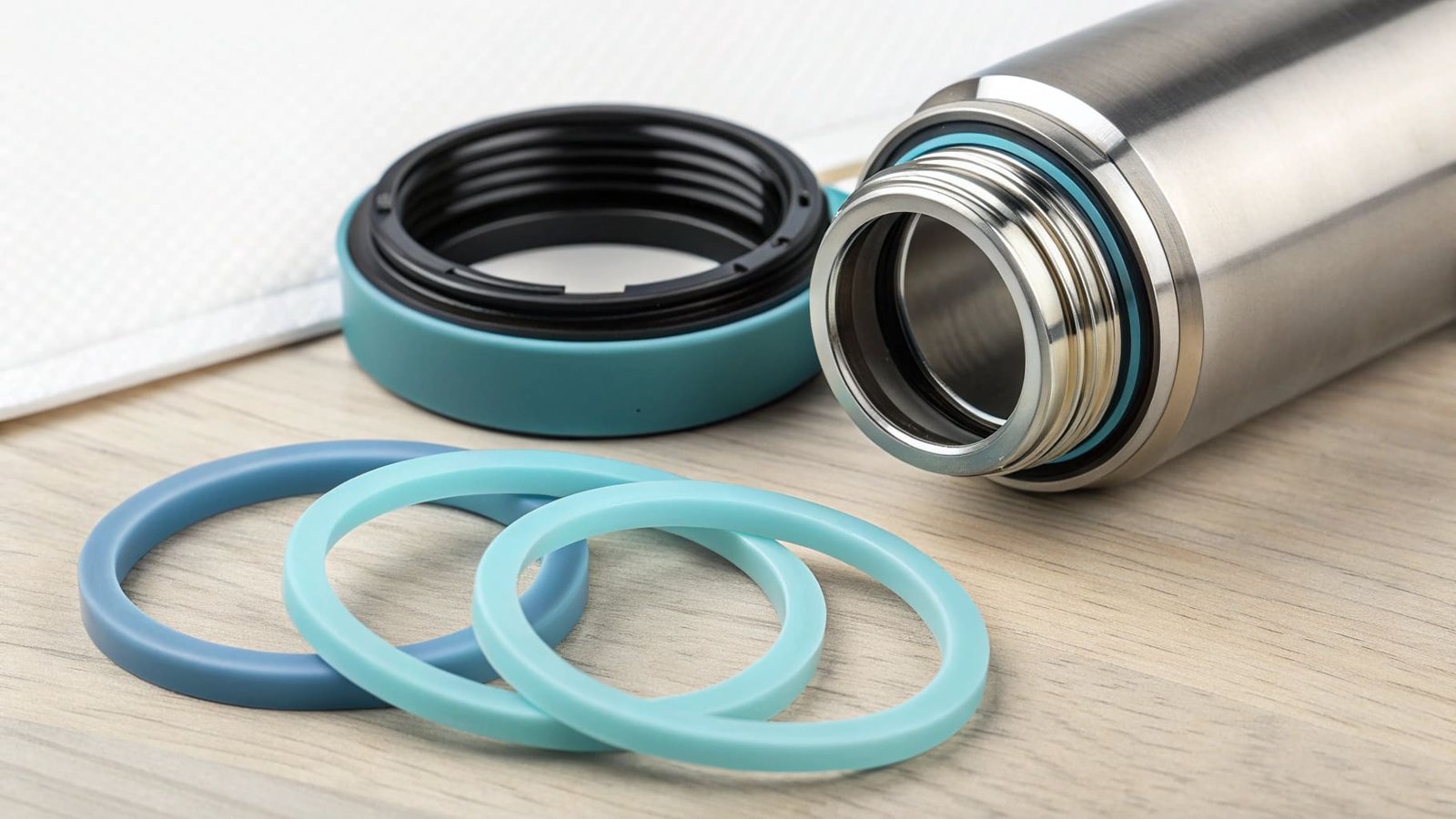
The Silicone Supply Chain Reality
I buy raw silicone from authorized distributors of these major manufacturers. My customers think I make the silicone myself. I explain that my expertise lies in converting raw material into precision gaskets.
Raw material suppliers focus on chemistry. Wacker Chemie produces silicone polymers in large reactors. They control molecular weight distribution. They ensure batch-to-batch consistency. This work requires massive capital investment.
Gasket manufacturers focus on application engineering. I take that raw silicone and solve specific sealing problems. My team designs mold cavities. We select shore hardness grades. We optimize curing cycles for different thicknesses.
The distinction matters for B2B buyers. Some suppliers claim they are the largest manufacturer. They want you to think they control the entire supply chain. I tell customers the truth. I source from the same major suppliers as my competitors. My advantage comes from quality control and customer service.
One buyer asked me to switch to a cheaper silicone brand. The price dropped 20%. The gaskets failed quality testing. We went back to Dow silicones material. Sometimes you cannot compromise on raw material quality.
Regional differences affect supply. Chinese silicone producers like Bluestar have grown rapidly. Their material quality has improved. I test Chinese silicone against German silicone. For industrial applications, the performance gap has narrowed. For medical applications, I still prefer European or American sources.
The brand name on raw silicone matters less than consistent quality. I track every batch with lot numbers. If a customer reports a problem, I can trace it back to the specific raw material batch.
Protecting Your Investment Through Proper Insurance
I handle insurance documentation for every shipment above $5,000. The process takes extra time but prevents disasters.
Start with the Certificate of Insurance6. Your supplier should provide this document before shipping. I generate COI documents through my freight forwarder. The document lists the insured value, coverage type, and claim procedures.
Check three details on every COI. First, verify the insured amount equals 110% of your invoice value. Second, confirm the coverage type shows "all-risk" not "named perils." Third, check the beneficiary name matches your company exactly.
Add riders for special circumstances. Temperature-sensitive products need climate control coverage. Custom-formulated gaskets need coverage for reformulation costs. I add these riders even though they increase premiums by 15-20%.
Consider business interruption insurance. One customer's production line stopped for two weeks due to a delayed shipment. They lost $200,000 in revenue. Standard cargo insurance only covered the $30,000 product value. Now they buy business interruption coverage for critical components.
The insurance cost ranges from 0.3% to 1.0% of shipment value. You might think this is expensive. Compare it to the cost of replacing an entire order plus the production delays. Insurance always costs less than disaster recovery.
I recommend working with suppliers who maintain ISO 9001 certification. These companies have documented quality systems. Insurance companies offer better rates when suppliers hold proper certifications. Your claims get processed faster when problems occur.
Conclusion
Insurance requirements for high-value silicone gasket shipments protect both buyers and suppliers. Start with 110% coverage, choose shipping methods that match your risk tolerance, and verify all documentation before finalizing orders.
-
Understanding insurance coverage can save you from significant financial losses during shipping. ↩
-
Explore how sea freight can be cost-effective for shipping large quantities of goods. ↩
-
Find out why air freight is often the best choice for urgent and high-value shipments. ↩
-
Discover the importance of quality checkpoints in ensuring the reliability of silicone products. ↩
-
Understanding the supply chain can help you evaluate the capabilities of your suppliers. ↩
-
Learn about the significance of a Certificate of Insurance in protecting your shipments. ↩