Do Silicone Bite Valves Meet NSF/ANSI 61 Standards for Drinking Water Contact?
I've received dozens of emails from buyers asking about water safety certifications. They worry about product recalls. They fear customer complaints about toxic materials. NSF/ANSI 61 compliance has become their top concern.
Yes, quality silicone bite valves can meet NSF/ANSI 61 standards when manufactured with platinum-cured food-grade silicone1 and proper testing protocols. The certification confirms that these components do not leach harmful substances into drinking water during extended contact periods.
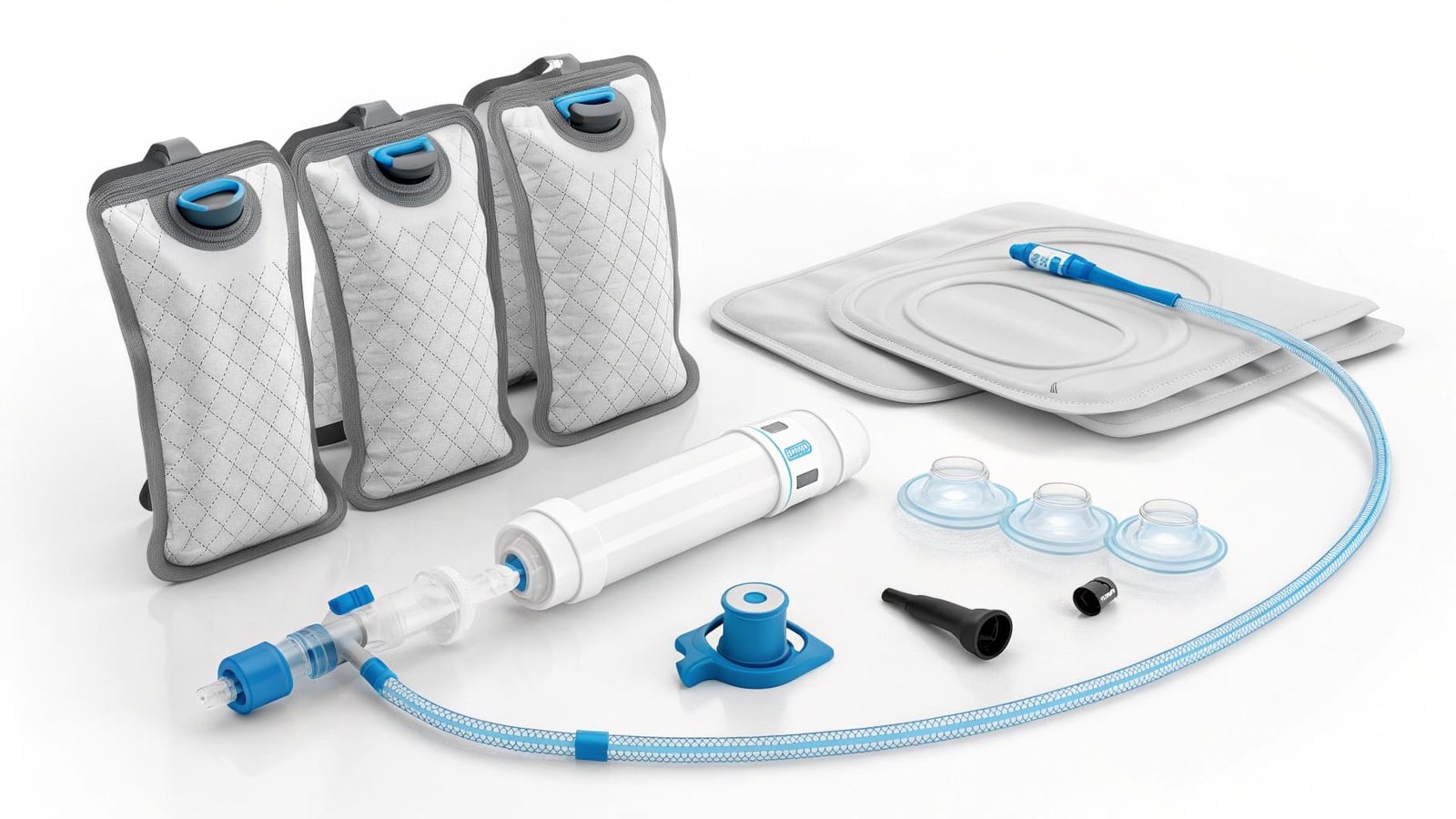
I remember when Mark first contacted me about bite valves for his hydration bladder line. He'd just had a competitor's product fail safety testing. His retail partners demanded documentation before placing orders. That conversation changed how I explain material certifications to every new client.
Is Silicone Safe for Potable Water?
I once lost a major deal because the buyer didn't understand silicone grades. He assumed all silicone was the same. His concerns were valid. Not all silicone materials meet drinking water standards.
High-quality silicone is safe for potable water when it's medical-grade or platinum-cured food-grade material. These grades maintain chemical stability without releasing additives. They resist bacterial growth and withstand temperature fluctuations that drinking water products typically face.
I need to explain the difference between silicone types clearly. Consumer-grade silicone often uses peroxide curing methods. This process can leave residual chemicals in the finished product. These residuals might migrate into water over time. Platinum-cured silicone uses a different process. It creates a more stable molecular structure. The curing agents in platinum systems are less likely to remain in the final material.
I've tested both types in my factory. The results speak for themselves. Platinum-cured samples show minimal extraction levels in migration tests2. Peroxide-cured samples sometimes exceed acceptable limits for drinking water contact. This is why I only offer platinum-cured options to clients targeting the North American market.
The manufacturing process matters as much as the base material. I control every step at my facility. We maintain clean room conditions during mixing and molding. Post-cure baking removes any remaining volatiles. Each batch undergoes internal testing before it reaches quality inspection. My team tracks temperature profiles and cure times for every production run.
| Silicone Type | Curing Method | Water Safety | Typical Use |
|---|---|---|---|
| Medical-grade | Platinum | Excellent | Implants, baby products |
| Food-grade (platinum) | Platinum | Excellent | Drinkware, bite valves |
| Food-grade (peroxide) | Peroxide | Moderate | Bakeware, general tools |
| Consumer-grade | Peroxide | Poor | Non-food applications |
Is It Safe to Drink Water from Silicone?
A buyer from Europe once asked me if his customers would get sick from silicone bottles. He'd read online articles about chemical leaching. His fear was genuine. I showed him our test reports to ease his concerns.
Drinking water from properly manufactured silicone products is safe. Quality silicone does not break down or release chemicals under normal use conditions. It remains stable across a wide temperature range from freezing to boiling.
I want buyers to understand what "properly manufactured" actually means. It starts with raw material selection. We source silicone compounds from suppliers who provide full material safety data sheets. These documents list every ingredient and its concentration. They include CAS numbers for chemical identification. I verify this information against NSF/ANSI 61 approved materials lists.
The vulcanization process creates the safety foundation. When silicone cures correctly, long polymer chains cross-link into a stable network. This structure cannot dissolve in water or break apart during normal use. Incomplete curing leaves unreacted components that might migrate into water. This is why cure verification tests are part of my quality protocol.
I've worked with labs to conduct extraction testing3 on my bite valves. We follow EPA Method 200.7 for metals analysis. We use headspace gas chromatography for volatile organic compounds. The test protocol mimics real-world use conditions. Samples soak in water at various temperatures for extended periods. Then labs analyze the water for contaminants.
My products consistently pass these tests because I don't cut corners on production. I've seen competitors rush production cycles to meet deadlines. They skip post-cure baking. They use lower-quality base materials. Those choices save a few cents per unit. But they create liability risks that far exceed the savings. I explain this to buyers who only focus on unit price. Some understand. Some choose cheaper suppliers and regret it later.
Does Silicone Leach Toxins?
I recently helped a startup founder troubleshoot a failed retail launch. His silicone bottles had strange odors. Customers complained on social media. He didn't know that cheap silicone can release compounds that smell bad even when they're not toxic.
Quality food-grade silicone does not leach significant toxins. Unlike plastics containing BPA or phthalates, pure silicone has a stable polymer structure without harmful additives. However, low-grade silicone may contain unreacted catalysts, fillers, or contaminants that can migrate into liquids.
I need to clarify what happens at the molecular level. Silicone polymers consist of silicon-oxygen bonds with organic side groups. This structure is very different from carbon-based plastics. The silicon-oxygen backbone is highly stable. It resists breakdown from UV light, heat, and chemical exposure. This is why silicone outperforms plastic in durability tests.
The potential for leaching comes from additives and manufacturing residues. Some producers add fillers to reduce costs. Calcium carbonate and silica are common fillers. While generally safe, these materials can affect extraction test results. Processing aids used during mixing might not fully evaporate during curing. Color pigments need careful selection to ensure they're approved for drinking water contact.
I maintain strict incoming material controls to prevent contamination. Every raw material batch goes through acceptance testing. We measure platinum catalyst levels to ensure proper ratios. We verify that no unauthorized fillers are present. We test color masterbatches for heavy metal content. This adds cost and time to my procurement process. But it prevents the problems I see other manufacturers face.
My factory participates in third-party audits4 for quality system verification. Auditors review our material traceability records. They inspect our storage conditions to prevent cross-contamination. They verify that we segregate food-grade materials from industrial-grade products. These practices might seem excessive to small suppliers. But they're necessary for NSF/ANSI 61 compliance and long-term business relationships.
The NSF/ANSI 61 standard sets maximum contaminant levels for dozens of substances. Lead must stay below 5 parts per billion. Mercury has even stricter limits. The standard covers organic compounds like toluene and vinyl chloride. It addresses taste and odor issues that affect consumer acceptance. Meeting all these requirements demands attention to every production detail.
Conclusion
Quality silicone bite valves meet NSF/ANSI 61 standards through careful material selection and controlled manufacturing. Smart buyers verify certifications and test reports. This protects their brands and satisfies increasingly health-conscious consumers.
-
Explore the advantages of platinum-cured silicone for safe drinking water applications. ↩
-
Understand the significance of migration tests in ensuring the safety of silicone used in drinking water. ↩
-
Learn about extraction testing and its role in verifying the safety of silicone materials. ↩
-
Explore the importance of third-party audits in maintaining quality and compliance in production. ↩