How to Calculate Landed Costs for Container Loads of Silicone Cup Lid Imports?
I see many buyers make the same mistake. They focus only on the product price. Then shipping day arrives and surprise costs appear everywhere.
Landed cost is the total amount you pay to get goods from the supplier's factory to your warehouse. It includes product cost, shipping fees, duties, taxes, insurance, and all handling charges. For silicone cup lids, this calculation determines if your import deal makes profit or loses money.

I remember when a Canadian buyer ordered 10,000 silicone cup lids from me last year. He budgeted based on FOB price alone. When the container arrived, extra charges ate half his expected profit. He called me frustrated. I walked him through every cost element. Now he calculates landed costs before placing any order.
How to calculate import landed cost?
Your landed cost calculation seems simple at first. You add up all the numbers. But hidden fees wait to surprise you.
Import landed cost equals product cost plus international freight plus insurance plus customs duties1 plus port fees plus inland transport plus broker fees. Each component needs accurate data. One wrong number throws off your entire budget and pricing strategy.

Breaking Down Each Cost Component
I always tell my buyers to create a spreadsheet. Start with the FOB price from your supplier. This covers the product and local transport to the port.
Next comes international freight. Ocean freight rates change constantly. A twenty-foot container to North America costs different amounts each month. I check current rates with three freight forwarders. This gives me a reliable average.
Insurance typically runs 0.5% to 1% of cargo value. Many buyers skip this. Then one damaged shipment wipes out profits from ten successful ones.
Customs duties depend on the HS code. Silicone cup lids usually fall under 3924.10 for tableware. But classification varies by specific design and intended use. US duty rates differ from EU rates. Canada has its own schedule. I always confirm the exact code with a customs broker before quoting final costs.
| Cost Component | Typical Range | Notes |
|---|---|---|
| Product FOB | Baseline | Negotiate volume discounts |
| Ocean Freight | $2000-4000 per 20ft | Highly volatile, check weekly |
| Insurance | 0.5-1% of value | Worth the investment |
| Customs Duty | 3-8% | Varies by country and HS code |
| Port Handling | $200-500 | Includes unloading and documentation |
| Customs Broker | $100-300 | Saves time and ensures compliance |
| Inland Transport | $300-800 | Depends on distance to warehouse |
What is the landed cost of import duty?
Import duty sounds straightforward. You pay a percentage to customs. But the calculation base confuses many buyers.
The landed cost of import duty is the customs duty calculated on CIF value2, which includes cost, insurance, and freight. Your duty percentage applies to this combined amount, not just the product price. This means freight costs increase your duty payment too.
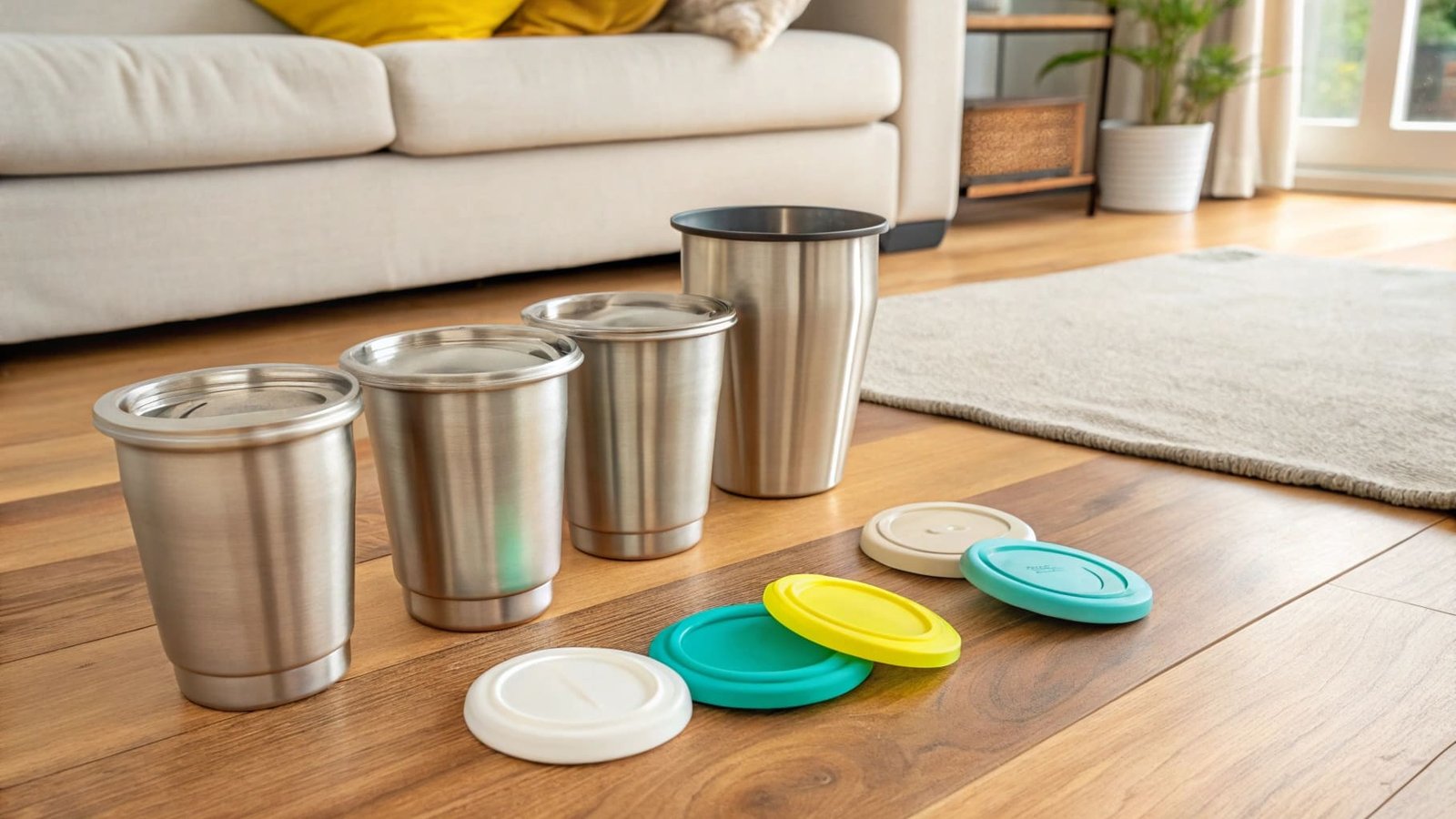
Understanding Duty Calculation Base
I had a buyer once who thought duty applied only to product value. He calculated 5% on $10,000 worth of lids. His actual duty bill came much higher because customs calculated 5% on $13,500 after adding freight and insurance.
The formula works like this: CIF Value equals FOB Price plus Freight plus Insurance. Then Duty Amount equals CIF Value multiplied by Duty Rate.
For silicone cup lids shipped to the US, let me show you a real example. Product FOB costs $10,000. Freight adds $3,000. Insurance costs $100. Your CIF value becomes $13,100. If the duty rate is 5.3%, you pay $694.30 in duties.
But wait. Some countries also charge VAT or GST on the duty-paid value. This means you calculate VAT on CIF plus Duty. The costs stack up quickly.
I always advise buyers to contact a licensed customs broker in their country. They know the exact rates and calculation methods. They also understand exemptions and trade agreements that might reduce your duty burden. The broker fee of $200 saves you thousands in potential miscalculations.
Additional Import Taxes
Different countries add different taxes. The EU charges VAT ranging from 19% to 25% depending on the member state. The UK applies 20% VAT. Canada uses GST and sometimes PST.
These taxes apply after duty calculation. So your tax base includes CIF plus Duty. This compounds your costs significantly. A $10,000 shipment can easily require $15,000 or more in total payment by the time it reaches your warehouse.
What are silicone lids for?
Many buyers ask me about silicone lid applications. They want to know market potential before committing to container loads.
Silicone lids seal food containers, cover cups and mugs, protect beverages during transport, and create airtight storage. They fit multiple container sizes because silicone stretches. This versatility makes them popular in household, commercial kitchen, and travel product markets.
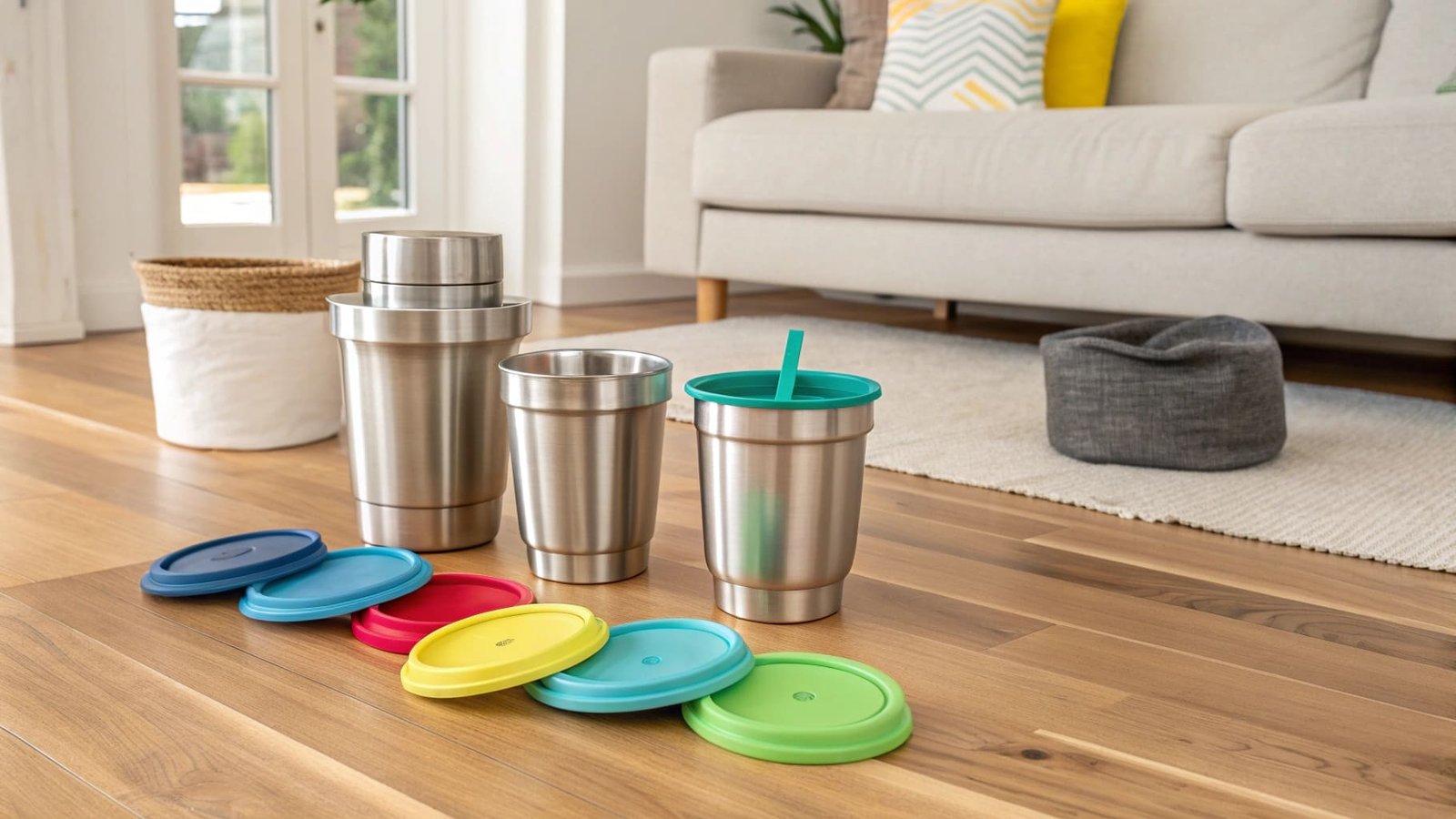
Market Applications and Buyer Considerations
Silicone cup lids serve several distinct markets. I ship to retailers who sell them for home food storage. Restaurant supply companies buy them for commercial kitchens. Travel product distributors use them for portable coffee mugs and water bottles.
The food contact aspect matters enormously. Any silicone lid touching food or beverages needs proper certification. FDA approval for US markets. LFGB for Europe. Different countries require different standards.
I always include certification costs in my landed cost3 calculations. Testing runs $1,000 to $3,000 per product line. You also need regular compliance documentation. These costs spread across your container load, adding $0.10 to $0.30 per unit.
Material quality directly affects market acceptance. Food-grade silicone costs more than industrial grade. But trying to save money on material quality destroys your brand reputation fast. I use only platinum-cured silicone for all food contact products.
The versatility of silicone lids4 creates interesting import economics. You can target multiple customer segments with one product. A lid that fits coffee cups also works for food storage containers. This flexibility means larger order volumes, which improves your per-unit landed cost through better freight efficiency and volume discounts.
| Application | Target Customer | Key Requirements |
|---|---|---|
| Food Storage | Retail consumers | FDA/LFGB certified, airtight seal |
| Travel Mugs | Commuters, travelers | Leak-proof, temperature resistant |
| Restaurant Use | Commercial kitchens | Durable, dishwasher safe |
| Retail Packaged | Gift shops, home stores | Attractive packaging, multi-size sets |
Certification Impact on Landed Costs
When I quote landed costs for silicone cup lids, I always break out certification expenses separately. This helps buyers understand where money goes.
Testing costs money upfront. But it protects you from customs seizures and legal liability. I have seen shipments rejected at ports because buyers lacked proper certificates. The cost of returning or destroying a container load far exceeds testing fees.
Documentation also requires ongoing maintenance. Certificates expire. Standards change. You need a system to track compliance requirements. I help my long-term buyers maintain proper documentation as part of our partnership.
Conclusion
Accurate landed cost calculation protects your profit margins and enables smart business decisions. Take time to account for every expense before committing to container loads.
-
Understanding customs duties is essential to avoid surprises in your total landed cost. ↩
-
Understanding CIF value is key to calculating accurate customs duties and taxes. ↩
-
Understanding landed cost is crucial for accurate budgeting and profit calculation in imports. ↩
-
Exploring the applications of silicone lids can help you identify potential markets and customers. ↩