Do Silicone O-Rings Sets Include Installation Guides for B2B Customers?
Most B2B buyers worry about incorrect installation ruining their silicone O-rings. I have seen this happen many times. Poor installation leads to leaks, product returns, and angry customers.
Yes, quality silicone O-ring sets from professional suppliers include installation guides. These guides cover proper sizing, installation techniques1, and common mistakes to avoid. They help B2B customers reduce failure rates and save money.
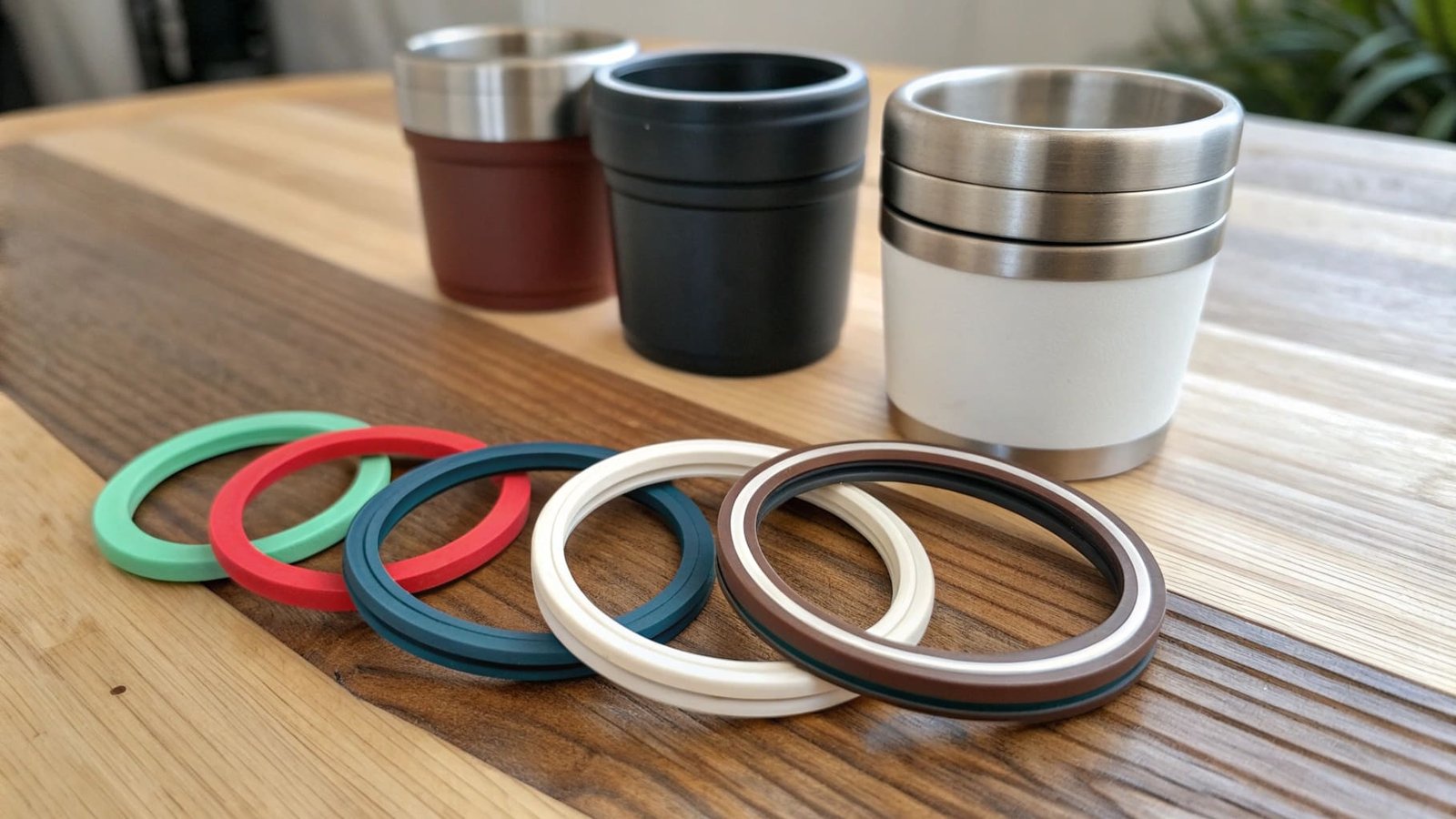
I started silijoy ten years ago in China. Back then, I shipped O-ring sets without any guides. My customers called me every week with installation problems. I learned that good products need good instructions. Now I always include detailed guides with every B2B order.
What is the purpose of silicone O-ring?
Silicone O-rings fail when people do not understand their real job. Many buyers think they just stop leaks. This simple view causes problems later.
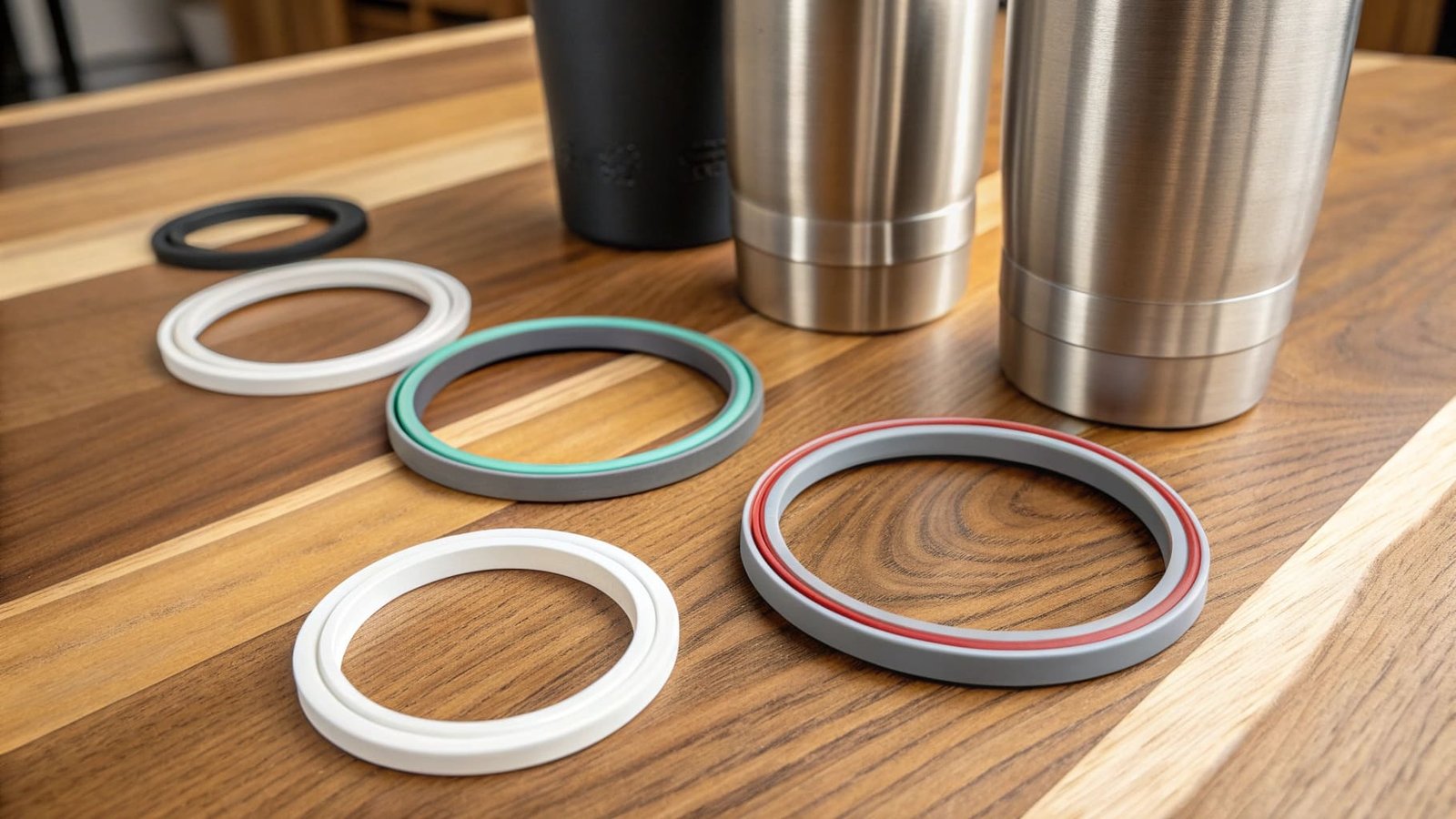
Silicone O-rings create reliable seals between two surfaces under pressure. They prevent fluids and gases from escaping while withstanding temperature extremes from -60°C to 230°C. Their flexibility allows them to maintain seal integrity even when surfaces shift or vibrate.
I work with procurement officers like Mark from Canada. He buys O-rings for his distribution company. He told me his biggest mistake was choosing O-rings based only on size. He did not consider the chemical resistance needed for his customer's application. The O-rings swelled and failed within weeks.
The purpose of silicone O-rings2 goes beyond basic sealing. They must survive in specific environments. Food processing plants need FDA-approved silicone3 that resists cleaning chemicals. Medical device manufacturers require biocompatible materials that can handle sterilization cycles. Automotive clients need O-rings that resist engine oils and transmission fluids at high temperatures.
Different applications demand different hardness levels. We measure this in Shore A durometer. Most applications use 50A to 70A hardness. Softer O-rings seal better at low pressures but wear faster. Harder O-rings last longer but need more compression force.
| Application Type | Recommended Hardness | Temperature Range | Key Chemical Resistance |
|---|---|---|---|
| Food Processing | 50-60A | -40°C to 180°C | Cleaning agents, oils |
| Medical Devices | 50-70A | -50°C to 200°C | Sterilization chemicals |
| Automotive | 60-80A | -30°C to 200°C | Engine oils, fuels |
| Industrial Machinery | 70-90A | -20°C to 150°C | Hydraulic fluids, solvents |
The real purpose becomes clear when you match the O-ring to its working conditions. I help my B2B customers understand their specific needs before they order. This prevents costly mistakes and returns.
How to properly install an O-ring?
Installation errors cause most O-ring failures. I receive photos from customers showing twisted, pinched, and cut O-rings every month. These problems come from poor installation technique.
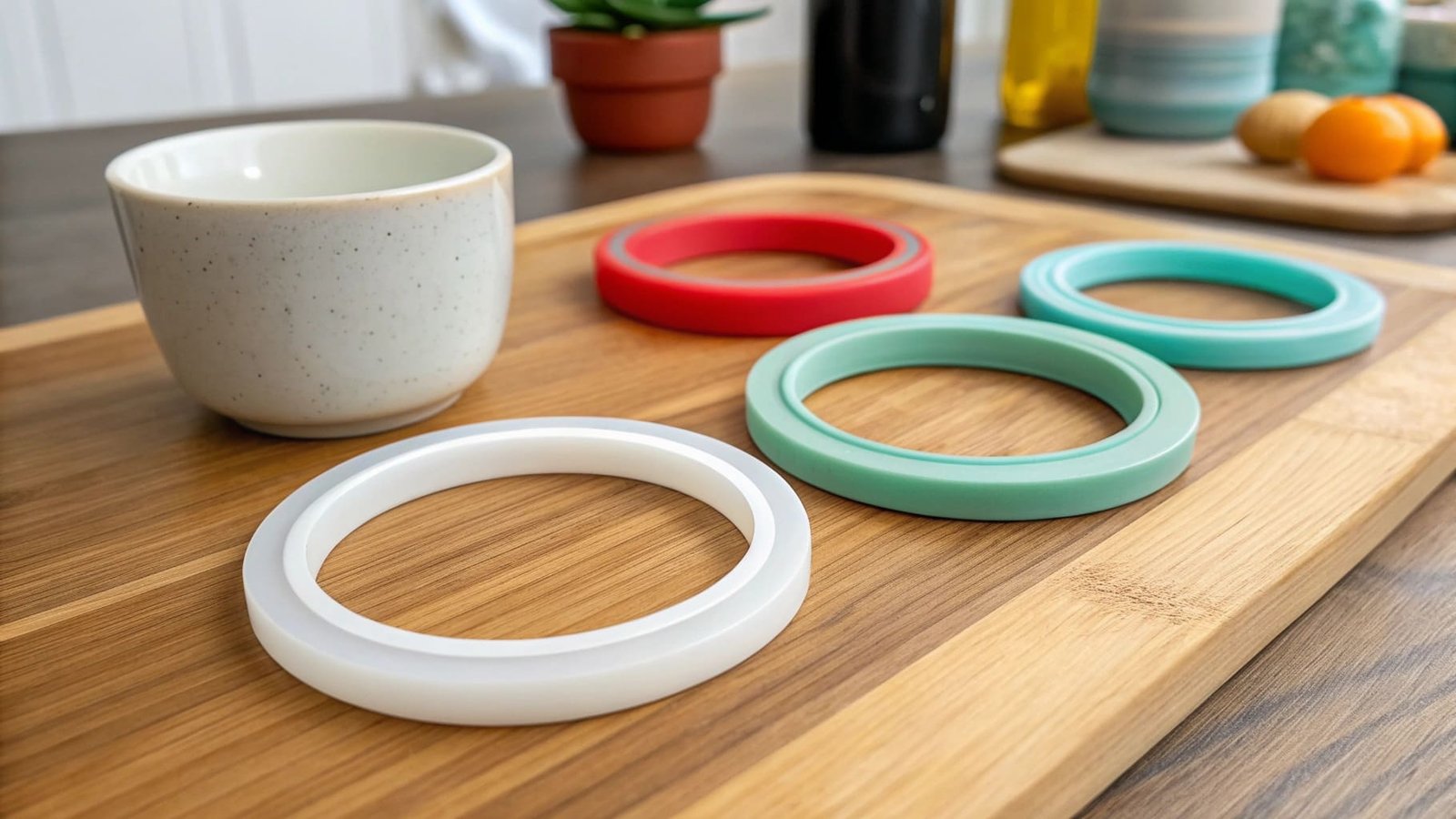
Proper O-ring installation requires clean surfaces, correct lubrication, and careful handling. You must inspect the groove for sharp edges or contamination. Apply compatible lubricant to reduce friction during installation. Never roll or twist the O-ring into place.
Mark once told me about a batch of O-rings that failed within days. His customer complained about leaks in their new product line. He blamed my quality. I asked him to send photos of the installation process. The problem was clear. His customer's workers stretched the O-rings over sharp corners during assembly. The O-rings developed micro-tears that caused leaks later.
I created an installation guide for Mark. It broke down the process into simple steps. First, measure the groove dimensions. The groove width should be slightly larger than the O-ring cross-section. The groove depth should compress the O-ring by 10-25% of its original size. Too much compression damages the material. Too little compression fails to create a proper seal.
Surface preparation matters more than most people realize. Clean both the O-ring and the groove with isopropyl alcohol or soap and water. Remove any dirt, oil, or metal particles. Even tiny contaminants can create leak paths. Dry everything completely before installation.
Lubrication reduces installation damage and improves seal performance. Choose a lubricant compatible with your application. Silicone grease works well for most uses. Food-grade applications need FDA-approved lubricants. Apply a thin, even coating to the O-ring. Too much lubricant attracts dirt and causes problems.
The actual installation technique depends on your application. For static seals in grooves, lay the O-ring in place without stretching. For dynamic seals on shafts, use installation tools to avoid over-stretching. Never stretch an O-ring more than 50% of its original diameter. Excessive stretching reduces the cross-section and weakens the seal.
| Installation Step | Critical Points | Common Mistakes |
|---|---|---|
| Groove Measurement | Width: 1.05-1.15x O-ring size | Ignoring tolerance stack-up |
| Surface Cleaning | Remove all contaminants | Using incompatible cleaners |
| Lubrication | Thin, even coating | Using wrong lubricant type |
| Placement | No twisting or rolling | Forcing O-ring over sharp edges |
| Final Check | Visual inspection for damage | Skipping pre-assembly testing |
I include these details in my installation guides. My B2B customers appreciate having clear instructions they can share with their own customers or assembly workers. This reduces their technical support calls and return rates.
What's the point of silicone rings?
Silicone rings confuse many buyers who do not see the difference from other materials. They often ask me why they should pay more for silicone instead of buying cheaper rubber alternatives.
Silicone rings offer superior temperature resistance, chemical stability, and biocompatibility compared to standard rubber materials. They maintain their properties across extreme temperature ranges and resist degradation from UV light, ozone, and aging. This makes them ideal for demanding industrial and medical applications.
I remember a conversation with Mark about material selection. He wanted the cheapest option for a large order. His customer planned to use the O-rings in outdoor equipment exposed to sunlight. I explained that standard rubber O-rings would crack and fail within months from UV exposure. Silicone rings would last for years in the same conditions. He understood when I showed him the total cost of ownership calculation.
The point of choosing silicone becomes clear when you look at long-term performance. Natural rubber and nitrile rubber break down faster in many environments. They become brittle at low temperatures and soft at high temperatures. Silicone maintains consistent properties from -60°C to 230°C. This wide temperature range eliminates the need for seasonal material changes in outdoor applications.
Chemical resistance gives silicone another advantage. Many industrial processes use aggressive cleaning chemicals or harsh solvents. Standard rubber materials swell, crack, or dissolve when exposed to these substances. Silicone resists most acids, bases, and alcohols. It does not absorb water or support bacterial growth, which matters in food processing and medical applications.
Biocompatibility makes silicone essential for medical devices and food contact applications. Medical-grade silicone meets USP Class VI standards for biological safety. Food-grade silicone complies with FDA regulations for direct food contact. These certifications require extensive testing that proves the material will not leach harmful chemicals or cause allergic reactions.
The durability of silicone reduces maintenance costs over time. While silicone O-rings cost more upfront than rubber alternatives, they last longer and need fewer replacements. I show my B2B customers this equation: Initial cost per piece multiplied by replacement frequency equals true cost. Silicone wins in most long-term applications.
Here is how different materials compare:
| Material Type | Temperature Range | UV Resistance | Chemical Resistance | Initial Cost | Typical Lifespan |
|---|---|---|---|---|---|
| Silicone | -60°C to 230°C | Excellent | Very Good | Higher | 5-10 years |
| Nitrile | -40°C to 120°C | Poor | Good | Medium | 2-5 years |
| Natural Rubber | -50°C to 80°C | Poor | Fair | Lower | 1-3 years |
| EPDM | -50°C to 150°C | Good | Good | Medium | 3-7 years |
I include material comparison charts in my installation guides. This helps B2B customers explain the value to their own customers. Mark now uses these charts in his sales presentations. He told me they help him justify premium pricing for silicone products.
My installation guides also cover storage and handling requirements. Silicone O-rings need protection from sharp objects and extreme compression. Store them in sealed bags away from direct sunlight. Keep them at room temperature. Do not stack heavy items on top of O-ring packages. These simple precautions prevent damage before installation.
I learned to include troubleshooting sections in my guides. This helps customers solve problems without calling me. Common issues include leaks after installation, premature wear, and material swelling. Each problem has specific causes and solutions. Leaks usually come from improper installation or wrong size selection. Premature wear suggests chemical incompatibility or excessive movement. Material swelling means the O-ring contacts incompatible fluids.
The guides I provide to B2B customers include QR codes linking to video tutorials. Some people learn better by watching than reading. My videos show proper installation techniques, common mistakes, and quality inspection methods4. Mark told me his assembly workers watch these videos during training. This reduced his customer complaints by 60%.
I also include certification documents with my O-ring sets. B2B customers need proof that materials meet industry standards. I provide FDA certificates for food-grade silicone and material safety data sheets for all products. These documents help my customers meet their own regulatory requirements and pass audits from their clients.
Conclusion
Quality B2B suppliers include comprehensive installation guides with silicone O-ring sets. These guides reduce installation errors, extend product life, and build customer confidence in your products.
-
Discover effective installation techniques to enhance the performance and longevity of silicone O-rings. ↩
-
Explore the advantages of silicone O-rings, including durability and chemical resistance, to enhance your product offerings. ↩
-
Explore the advantages of FDA-approved silicone for safety and compliance in food applications. ↩
-
Explore quality inspection methods to ensure product reliability and customer confidence. ↩