Should OEM Manufacturers Stock Multiple Sizes of Tumbler Seal Rings?
I face this question from buyers every week. They run out of stock mid-season and scramble for replacements. The problem is real: wrong sizes mean production delays.
Yes, OEM manufacturers should stock multiple sizes. I keep 5-8 core sizes that cover 80% of tumbler models1. This approach prevents production stops and meets urgent orders from buyers like you.
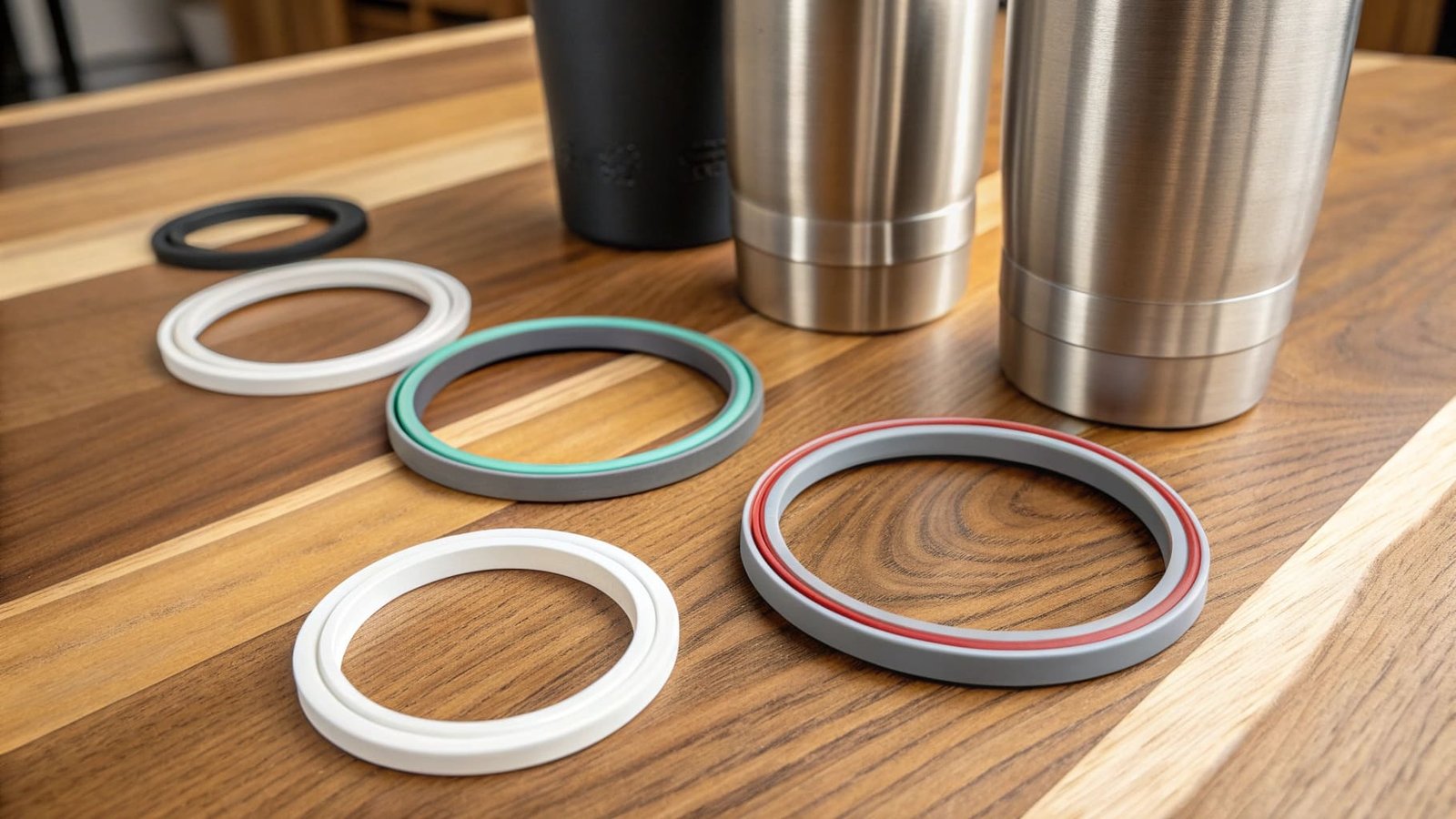
I learned this lesson the hard way. Three years ago, I lost a 15,000-unit order because I only stocked two standard sizes. The buyer needed a 75mm inner diameter seal ring, and I had 70mm and 80mm in stock. He could not wait two weeks for custom production. That experience changed how I manage inventory. Now I can ship most orders within 48 hours.
Do O-rings have to be exact size?
My buyers often worry about precision. They ask if a 0.5mm difference will ruin their tumblers. The fear of product recalls keeps them awake at night.
O-rings need to match industry tolerance standards, not exact micron-level precision. A variance within ±0.3mm usually works fine. The critical factor is maintaining proper compression ratios between the seal and the groove.
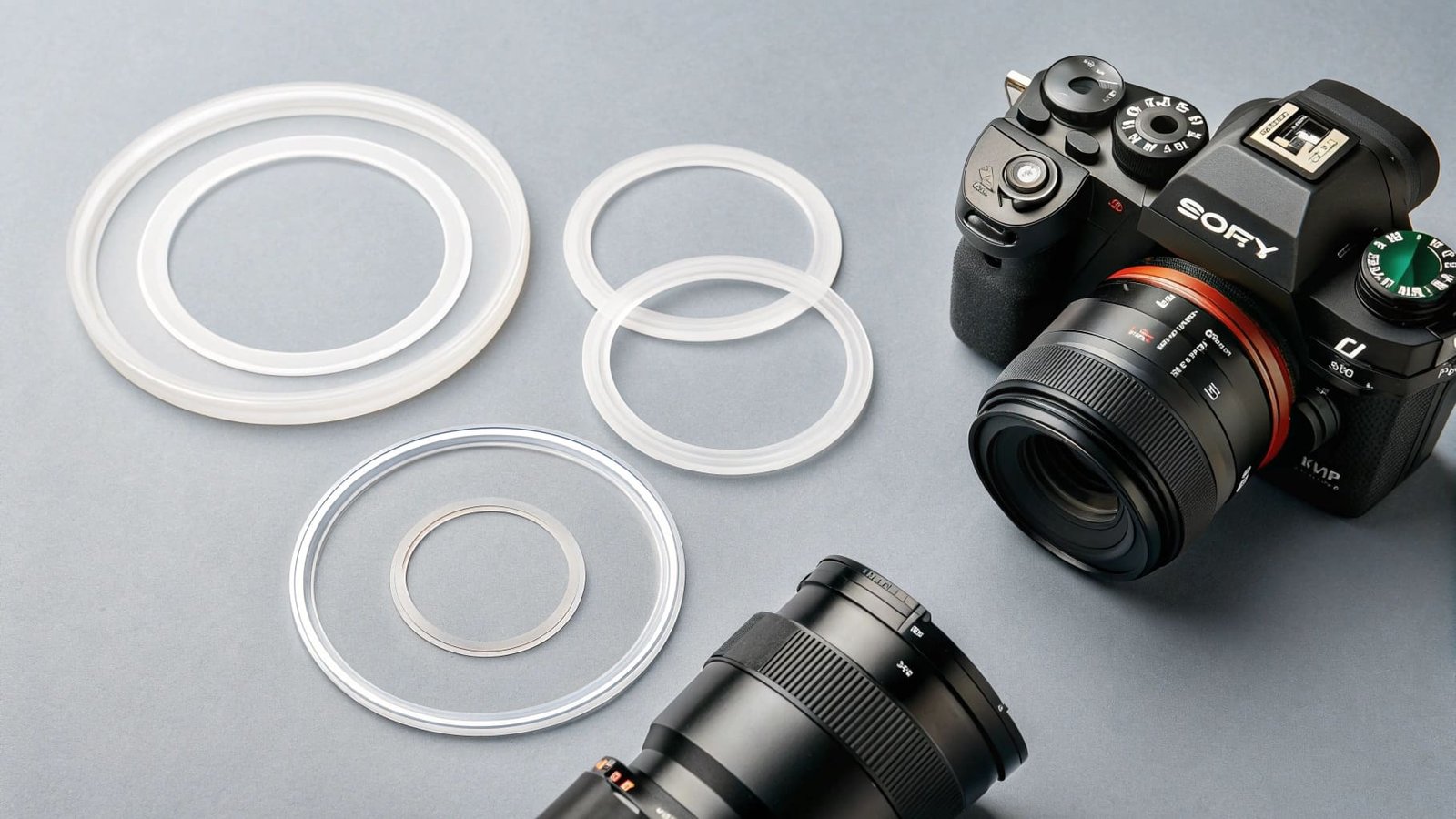
Understanding Size Tolerances
I tested this myself last year. I received a batch of seal rings where the supplier measured 74.7mm instead of the specified 75mm. I was nervous about using them. I installed these rings on 200 tumbler samples and ran leak tests. All samples passed. The compression still fell within the acceptable range of 15-25%.
The key measurement is not just the inner diameter. The cross-section thickness2 matters just as much. For tumbler applications, I use 3mm or 3.5mm cross-sections most often. The groove depth should compress the O-ring by 20% on average. This means a 3mm O-ring needs a groove depth of about 2.4mm.
I always check three dimensions before accepting a batch:
- Inner diameter tolerance: ±0.3mm
- Cross-section tolerance: ±0.2mm
- Surface finish: no visible defects
Temperature also affects size requirements. Silicone expands slightly when heated. I account for this by testing seal rings at both room temperature and after exposure to 80°C water. The expansion rate for food-grade silicone is about 2-3%. This means a 75mm seal might measure 75.2mm when hot. The groove design must accommodate this expansion.
Buyers from cold regions like Canada need to consider low-temperature performance too. Silicone remains flexible at -40°C, but the material contracts slightly. I recommend a slightly tighter fit for products sold in northern markets.
What are the classification of O-rings?
Buyers get confused by technical specifications. They receive quotes from different suppliers using different classification systems. This makes comparison difficult.
O-rings are classified by two main systems: material type and size standards. Material classifications include silicone, EPDM, NBR, and Viton. Size standards follow AS568 for American markets or ISO 3601 for international markets.
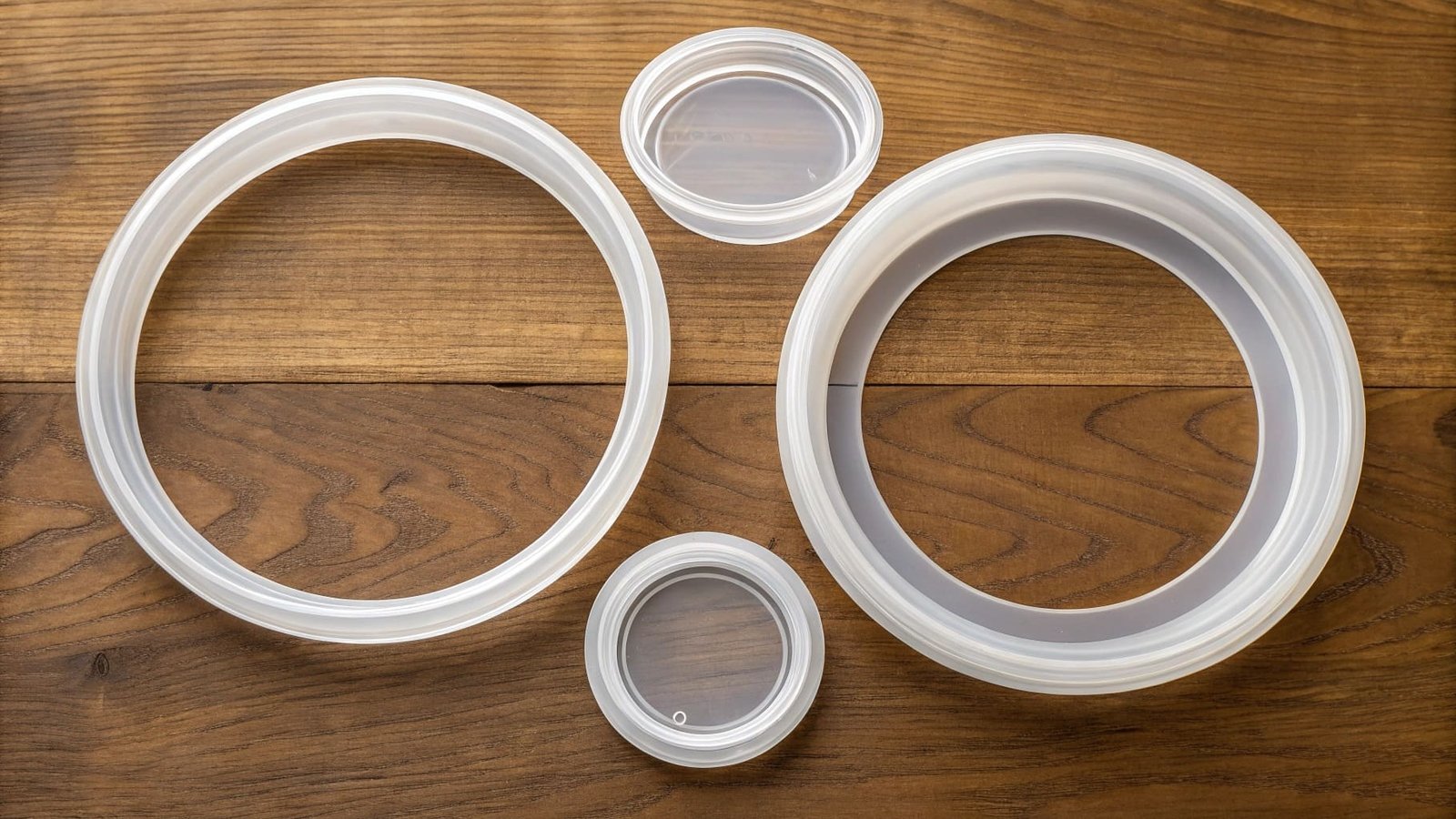
Material Classifications
I work primarily with four material types:
| Material | Temperature Range | Best Use Case | Cost Level |
|---|---|---|---|
| Food-grade Silicone | -40°C to 200°C | Beverage tumblers | Medium |
| EPDM | -45°C to 150°C | Outdoor water bottles | Low |
| NBR (Nitrile) | -30°C to 100°C | Industrial containers | Low |
| Viton (FKM) | -20°C to 200°C | Chemical resistance | High |
For tumbler seal rings, food-grade silicone dominates 95% of orders. It meets FDA standards and tastes neutral. I rarely recommend EPDM despite its lower cost because it leaves a rubber smell. NBR is unsuitable for food contact. Viton only makes sense for industrial applications.
Size Standard Systems
The AS568 system defines 369 standard sizes. These sizes use a dash number, like AS568-210 or AS568-214. Each dash number corresponds to specific inner diameter and cross-section dimensions. Most tumbler lids use sizes between AS568-210 (around 70mm ID) and AS568-220 (around 85mm ID).
The ISO 3601-1 standard works similarly but uses metric measurements exclusively. I prefer this system because my Chinese production equipment uses metric tooling. Converting between systems creates opportunities for errors.
I stock sizes based on actual demand patterns. My current inventory includes:
- 60mm ID × 3mm CS (for small tumbler lids)
- 65mm ID × 3mm CS
- 70mm ID × 3.5mm CS (most popular size)
- 75mm ID × 3.5mm CS
- 80mm ID × 3.5mm CS
- 85mm ID × 4mm CS (for large tumbler lids)
These six sizes cover approximately 85% of orders I receive. Special sizes account for the remaining 15%, which I produce on demand.
Are Viton O-rings better than regular O-rings?
I hear this question from buyers who read technical specifications online. They assume higher-priced materials automatically mean better performance. This thinking wastes money.
Viton O-rings excel in chemical resistance and high temperatures, but food-grade silicone performs better for beverage tumblers. Silicone costs 40% less, remains flexible at freezing temperatures, and carries no odor or taste.
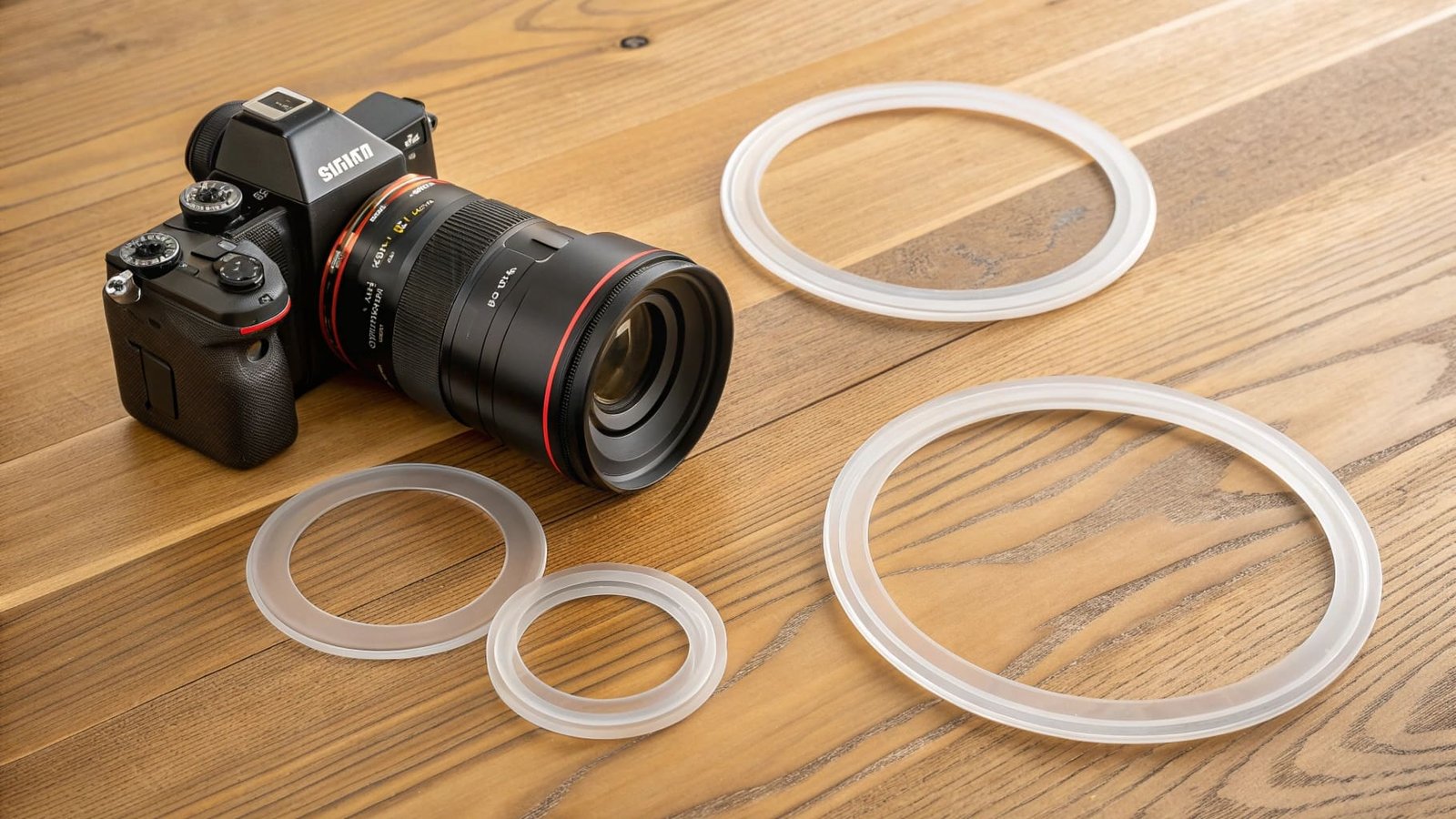
When Viton Makes Sense
Viton is a fluoroelastomer compound. It resists acids, oils, and aggressive chemicals that would degrade silicone. I recommend Viton only for industrial containers or specialized applications. For example, a buyer once needed seal rings for laboratory chemical storage bottles. Viton was the correct choice there.
The temperature resistance of Viton looks impressive on paper: -20°C to 200°C. But regular beverage tumblers rarely see temperatures above 100°C. I tested silicone seals at 95°C for 1,000 heat cycles. They showed no degradation. Coffee and tea applications do not justify Viton's premium cost.
Practical Cost Analysis
I ran a cost comparison for a buyer who insisted on Viton last year. For a 75mm seal ring:
- Food-grade silicone: $0.08 per piece (10,000-unit order)
- Viton FKM: $0.32 per piece (same order quantity)
The Viton option increased his product cost by $0.24 per tumbler. He sold tumblers at $12 retail. The extra material cost provided zero additional value to his end customers. I convinced him to use silicone and invest the savings in better packaging design instead.
Real Performance Factors
Material selection matters less than proper design. I focus on these factors:
- Groove design (depth and width)
- Compression ratio (15-25% is ideal)
- Surface finish (smooth contact surfaces prevent leaks)
- Assembly process (proper installation training for workers)
I have seen cheap silicone O-rings outperform expensive Viton seals simply because the groove design3 was correct. The seal must compress evenly around the entire circumference. Any gaps create leak paths.
For buyers serving retail markets in North America or Europe, I always recommend food-grade silicone. It meets all regulatory requirements, performs reliably across normal use temperatures, and keeps product costs competitive. Viton adds complexity without solving actual customer problems.
Conclusion
Stocking multiple seal ring sizes protects your production schedule and customer relationships. I maintain diverse inventory because buyers need reliable, fast delivery more than rock-bottom pricing.