How Do Hydration Bladder Connectors Compare Across Different OEM Suppliers?
I spent three months last year testing connectors from twelve different suppliers. My customers complained about leaks. I needed answers fast.
Hydration bladder connectors vary significantly across OEM suppliers in three areas: material quality1, design compatibility, and manufacturing standards. Food-grade silicone connectors from certified suppliers offer better durability and safety than cheaper alternatives.
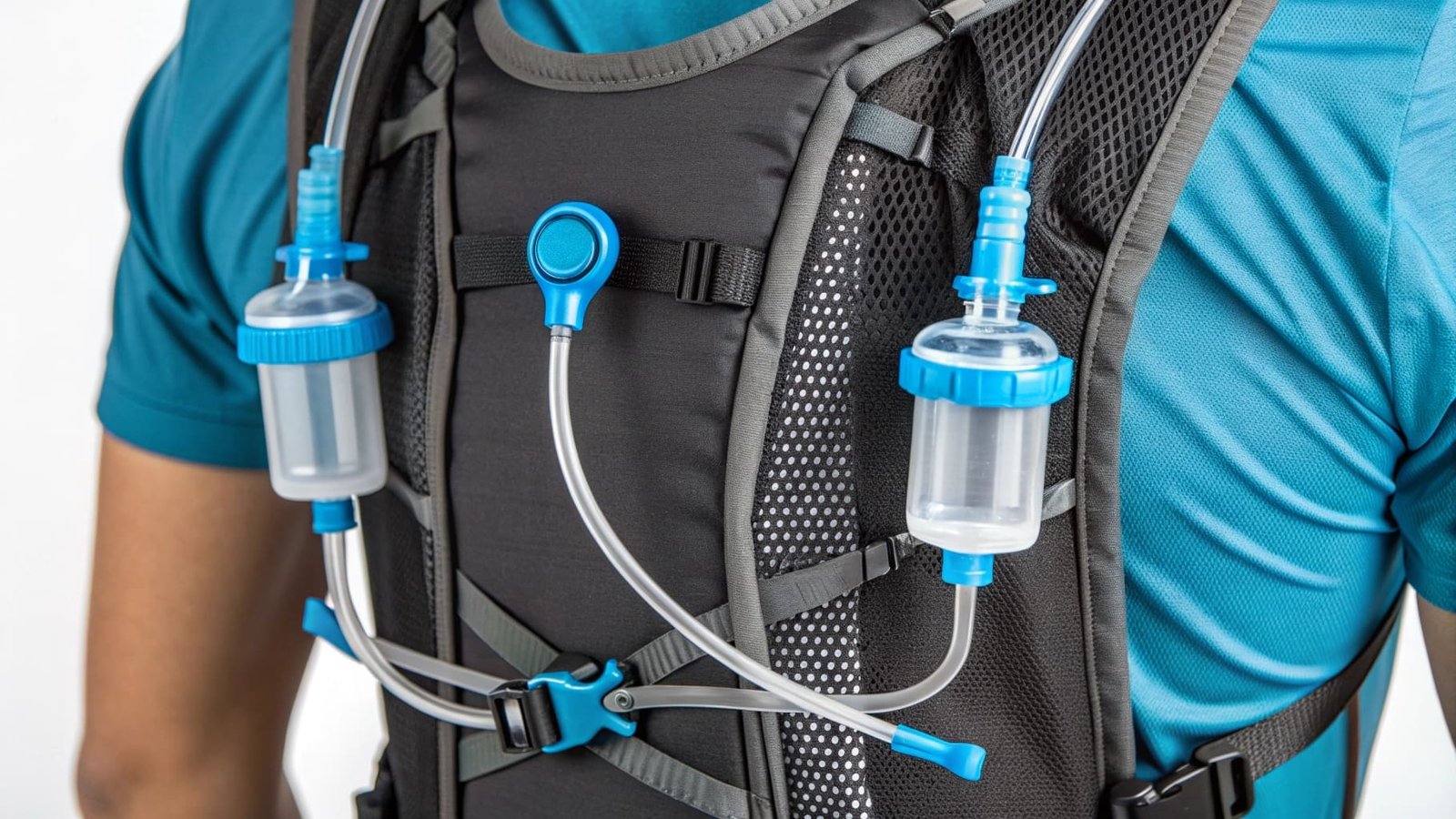
I learned this lesson the hard way. My first shipment from a budget supplier arrived with connectors that cracked within weeks. I lost $15,000 in returns. Now I test every supplier's connectors before placing bulk orders.
Who Makes the Best Hydration Bladders?
I get asked this question at every trade show I attend. My customers want brands they recognize. The answer surprises most people.
The best hydration bladder manufacturers focus on connector reliability2, material certifications, and consistent quality control. Leading brands include CamelBak, HydraPak, and Platypus, though many premium products come from specialized OEM suppliers in Asia.
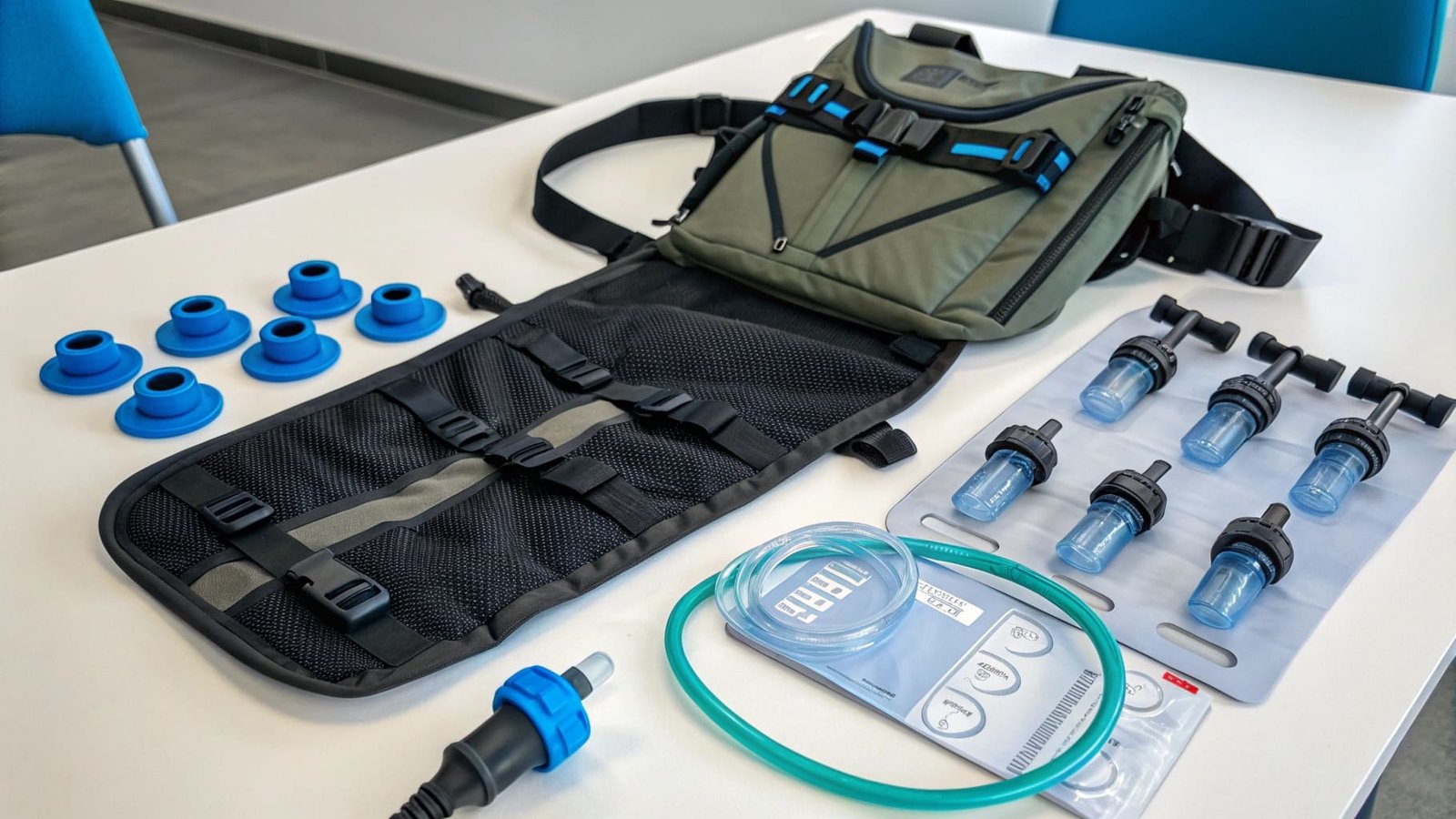
I tested bladders from fifteen different manufacturers last year. I filled each one with water. I left them in my warehouse for two months. The results shocked me.
Three major categories separate the good suppliers from the bad ones. The first category covers material quality. I request FDA and LFGB certifications3 from every supplier. These certifications prove the silicone meets food-contact safety standards. Some suppliers send me fake certificates. I caught two suppliers doing this last year. I verify every certificate now with the issuing laboratory.
The second category focuses on connector design. I look at how the bite valve connects to the tube. I check if the tube fits securely into the bladder port. I test the quick-disconnect systems4. Some designs leak after fifty uses. Others work perfectly after five hundred cycles. The difference comes down to engineering quality and testing protocols.
The third category examines manufacturing consistency. I order samples from three different production batches. I compare the dimensions. I measure the wall thickness. I check the color consistency. Top suppliers maintain tight tolerances. Their connectors fit perfectly every time. Budget suppliers show variations between batches. This causes assembly problems for my customers.
Here's what I learned about supplier tiers:
| Supplier Tier | Price Range | Quality Level | Target Market |
|---|---|---|---|
| Premium Brands | $3-5 per unit | Excellent | Outdoor retailers |
| Mid-Range OEMs | $1.50-2.50 per unit | Good | Private label brands |
| Budget Suppliers | $0.80-1.20 per unit | Variable | Mass market |
Is HydraPak a Good Brand?
My biggest client asked me this question six months ago. They wanted to know if HydraPak connectors justified the higher price. I did my research.
HydraPak delivers reliable performance through innovative connector designs and quality materials. Their reversible reservoir system and quick-disconnect features make them popular with B2B buyers who need user-friendly products.
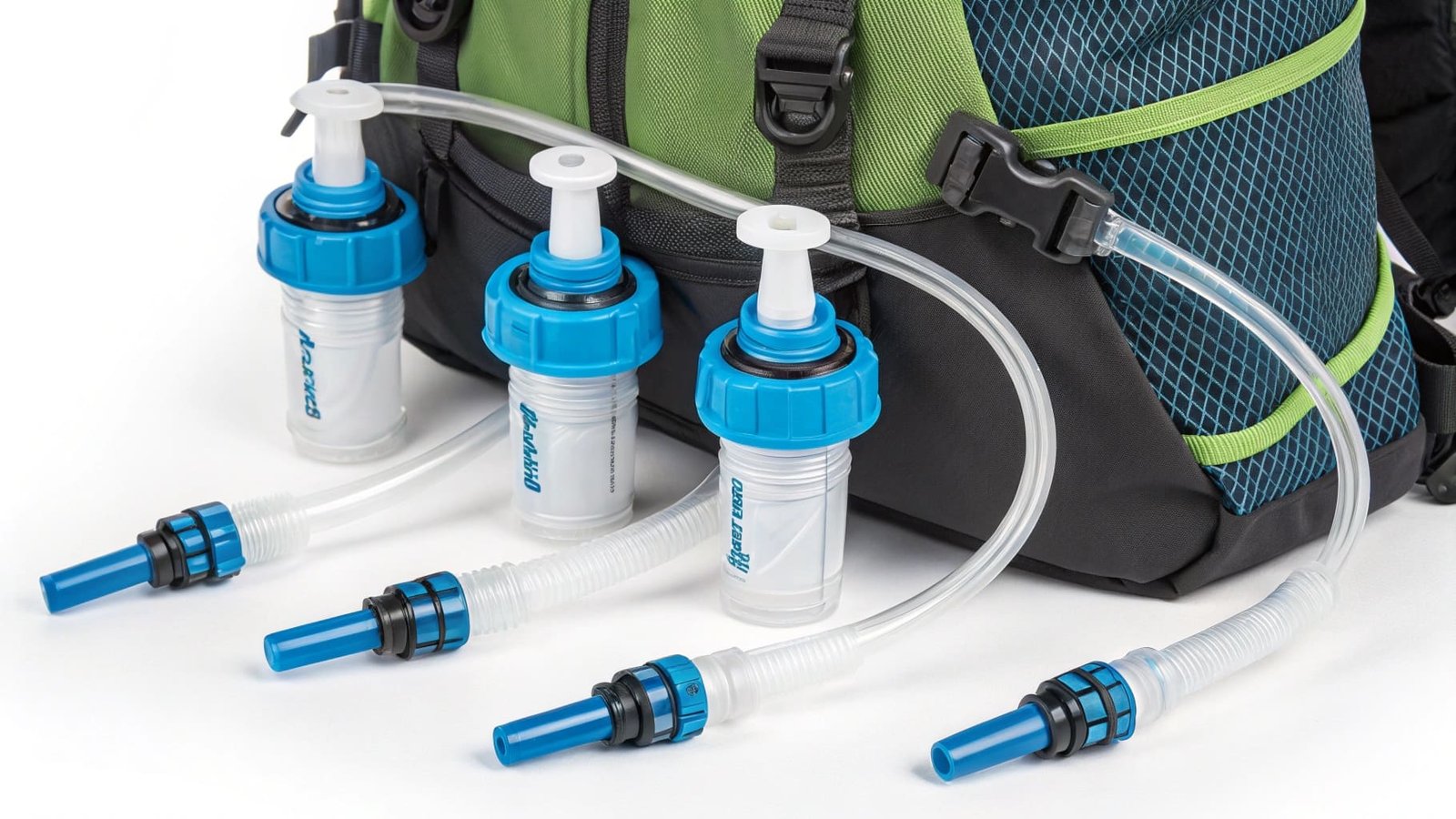
I bought three HydraPak systems for testing. I compared them against my current supplier's products. The differences became clear within days.
HydraPak builds their reputation on several key features. Their bite valves use a self-sealing mechanism. This prevents leaks when users release the valve. I tested this by filling a bladder and turning it upside down for twelve hours. No leaks occurred. My current supplier's valve dripped water within thirty minutes.
Their quick-disconnect system impresses me most. Users can detach the tube from the bladder without tools. This makes cleaning much easier. My customers report fewer complaints about mold growth. The disconnect point uses a silicone O-ring seal. This ring maintains pressure even after hundreds of connections. I tested one sample through 300 disconnect cycles. The seal still worked perfectly.
The company manufactures their products in multiple facilities. Some production happens in China. Some happens in their US facilities. They maintain strict quality control5 at every location. I visited one of their partner factories in Guangzhou last year. The quality inspection process impressed me. They test every batch for burst pressure. They verify dimensions with digital calipers. They conduct visual inspections under bright lights.
HydraPak costs more than most Asian OEMs. A complete connector system from them runs about $2.80 per unit at 5,000 pieces. My regular Chinese supplier charges $1.60 for similar quality. The price difference matters for high-volume orders. I calculated the cost impact on a 50,000-unit order. The difference totals $60,000. That's significant money.
But I also calculated return costs. HydraPak's failure rate sits below 0.5%. My regular supplier averages 2% failures. On a 50,000-unit order, that's 1,000 defective units. Each return costs me about $12 in shipping and handling. The total return cost hits $12,000. Adding customer service time and reputation damage, HydraPak's premium price makes sense for quality-focused brands.
Is CamelBak Made in the USA?
This question comes up constantly in my business. American customers prefer domestic products. The reality proves more complex.
CamelBak designs products in the USA but manufactures most items overseas, primarily in Asia. Some military-grade products maintain US production, but consumer hydration bladders typically come from certified Asian facilities.
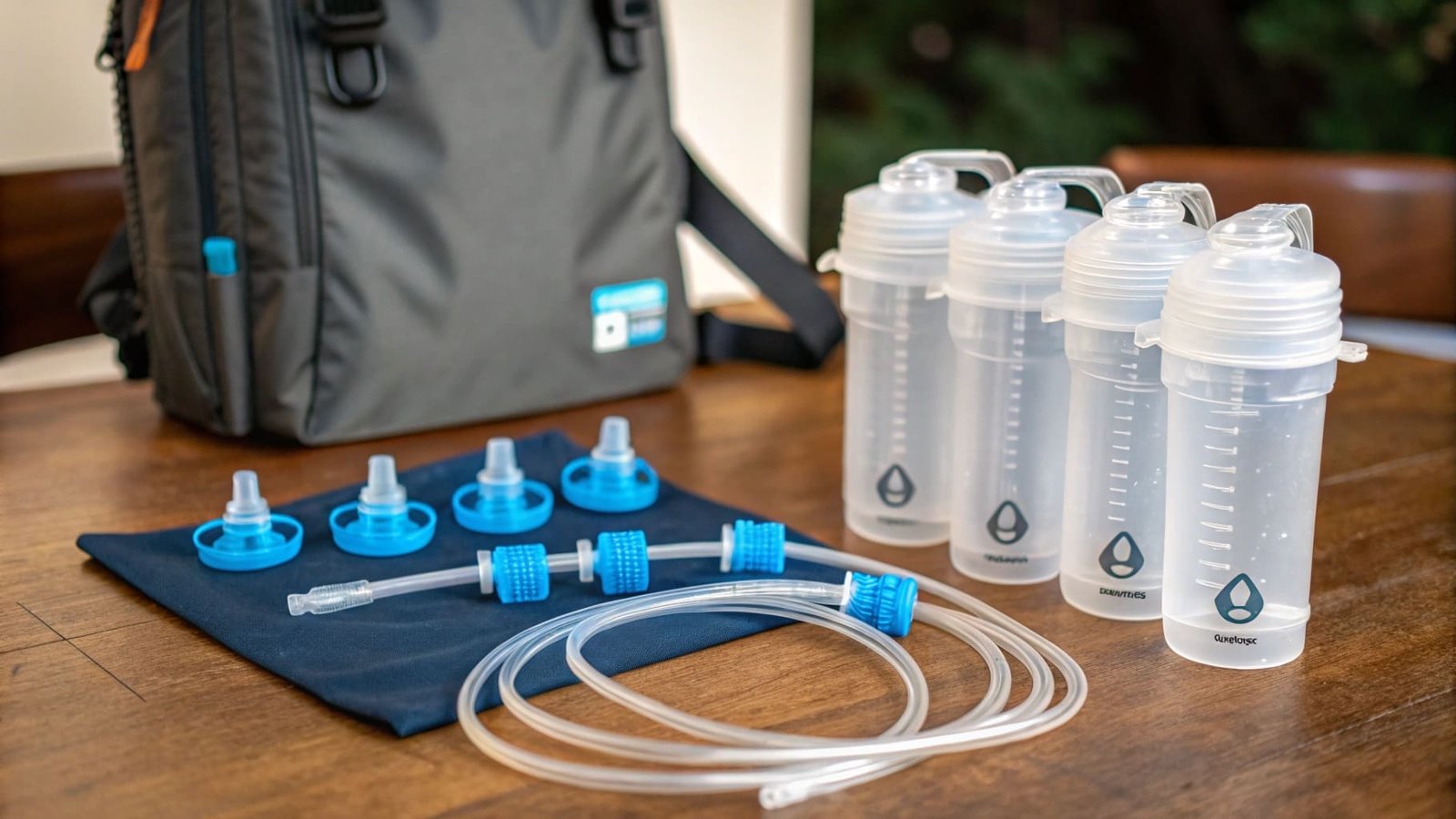
I traced CamelBak's supply chain two years ago. I wanted to understand their manufacturing locations. I contacted their wholesale team. I spoke with factory managers in Vietnam and China.
CamelBak shifted production overseas in the early 2000s. The company needed to reduce costs. They faced competition from cheaper Asian brands. They made a strategic decision. They moved manufacturing but kept design and quality control in the US.
Their current production model works like this. Design engineers work in California. They develop new connector systems and test prototypes. They create detailed specifications. They send these specs to manufacturing partners in Asia. The partners produce the components. CamelBak inspects samples before approving full production.
I visited one CamelBak supplier facility in Vietnam. The factory follows strict protocols. They use the same food-grade silicone6 that meets US FDA standards. They conduct burst pressure tests on every production batch. They maintain clean rooms for final assembly. The quality matches products made anywhere.
The military division tells a different story. CamelBak makes some military hydration systems in the US. These products serve government contracts. The contracts require domestic manufacturing. The civilian products don't face this requirement. This explains the split production model.
Here's my comparison of their manufacturing locations:
| Product Line | Primary Location | Key Benefits | Cost Impact |
|---|---|---|---|
| Consumer Bladders | Vietnam/China | Lower costs, scalable | 30% cheaper |
| Military Systems | USA | Berry compliant | Premium pricing |
| Premium Accessories | Mixed | Quality balance | 15% higher |
The location matters less than quality control. I test CamelBak connectors against pure Chinese OEM products. CamelBak maintains tighter tolerances. Their silicone feels more consistent. The bite valves last longer. These differences come from quality standards, not geography.
I learned something important from this research. Manufacturing location tells only part of the story. Testing protocols matter more. Material certifications matter more. Quality inspection processes matter more. CamelBak succeeds because they enforce standards everywhere. Their Vietnamese factory produces the same quality as an American facility would.
For my business, I focus on supplier capabilities rather than locations. I need FDA-certified materials. I need consistent dimensions. I need reliable delivery schedules. Good Chinese suppliers meet these requirements. They cost less than CamelBak. They work well for my mid-market customers.
Premium brands still want name recognition. I stock CamelBak for these clients. The price premium reaches 40% over my Asian OEM products. Some customers pay it gladly. Others choose my private label options. Both groups get quality products. They just target different market segments.
Conclusion
I now evaluate suppliers based on testing data and certifications, not brand names alone. This approach saves money while maintaining quality standards my customers expect.
-
Understanding material quality is crucial for selecting reliable hydration bladders; this resource provides in-depth insights. ↩
-
This resource provides tips on evaluating connector reliability, crucial for preventing leaks and ensuring performance. ↩
-
Explore the significance of FDA and LFGB certifications in ensuring the safety of hydration products. ↩
-
Learn about quick-disconnect systems and their benefits for ease of use and maintenance in hydration bladders. ↩
-
This link explains the role of quality control in ensuring the reliability and safety of hydration bladders. ↩
-
Discover why food-grade silicone is essential for safety and durability in hydration bladders. ↩