Which Silicone Waterproof Gasket Thicknesses Suit Heavy-Duty Applications?
Every year, I see buyers lose money because they pick the wrong gasket thickness. Their equipment fails during peak season. They scramble to find replacements.
For heavy-duty applications, gaskets between 2mm to 6mm work best. The right thickness depends on your surface condition and pressure load. Thicker options handle rough surfaces better, while thinner ones suit smooth, machined flanges.

I remember when a Canadian distributor called me at midnight. His client's production line had stopped. The gaskets had failed. He needed answers fast. That conversation taught me something important. Choosing gasket thickness1 is not about guessing. It is about understanding what your application truly needs.
What Thickness Gasket Should I Use?
You stand in your warehouse looking at gasket samples. Some feel thin and flexible. Others seem thick and sturdy. Which one will protect your investment?
Your application determines your gasket thickness. Surface roughness, pressure levels, and thermal cycling all play a role. Most heavy-duty applications need gaskets between 2mm and 6mm thick.
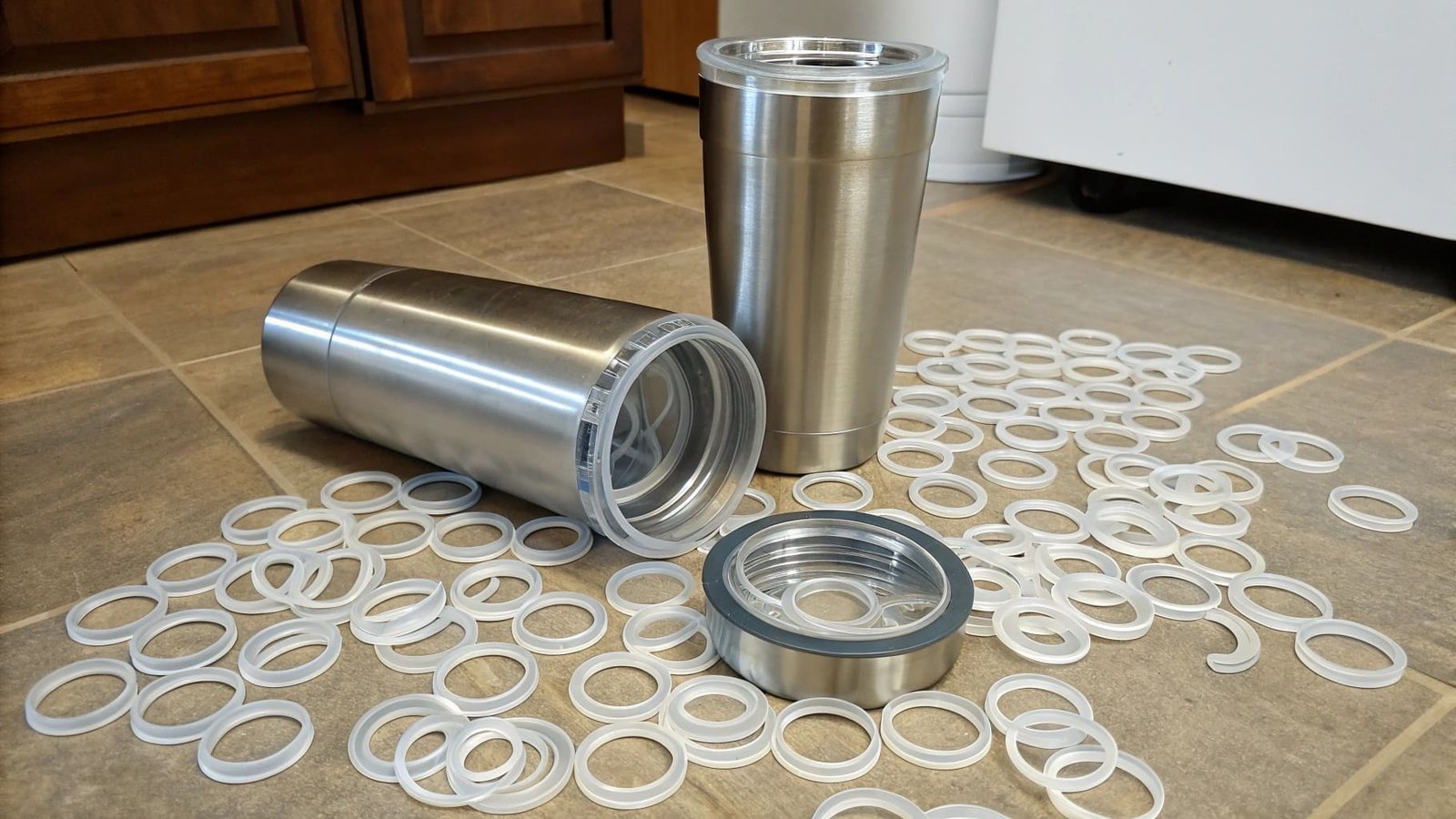
Understanding Thickness Requirements
I work with procurement officers every day. They ask me the same question. How do I know which thickness fits my needs? Let me break this down for you.
First, you need to check your flange surface. I pick up my surface roughness gauge and measure the peaks and valleys. Rough surfaces need thicker gaskets. The extra material fills those gaps. Smooth surfaces work fine with thinner options.
Second, you must consider your pressure loads. Higher pressure demands different approaches. I created this table to help you decide:
| Surface Condition | Pressure Range | Recommended Thickness | Key Consideration |
|---|---|---|---|
| Smooth (Ra < 3.2μm) | Low to Medium | 1-2mm | Minimal compression set |
| Moderate (Ra 3.2-6.3μm) | Medium | 2-4mm | Balanced performance |
| Rough (Ra > 6.3μm) | Medium to High | 4-6mm | Gap compensation |
| Very Rough | High | 5-6mm | Maximum conformability |
Third, thermal cycling matters more than most people think. I have seen gaskets fail not from pressure but from temperature changes. Thicker gaskets handle thermal expansion better. They maintain their seal when temperatures fluctuate.
Your bolt load capacity also affects your choice. Thicker gaskets need more compression force. You must check if your bolts can deliver that force. I always ask buyers about their torque specifications before recommending thickness.
What Type of Material Should Be Used for High Pressure Gasket Applications?
You selected the right thickness. Now you face another challenge. The material quality will make or break your seal. Poor materials fail fast under pressure.
High-pressure applications need solid silicone rubber with Shore A hardness2 between 60 and 80. This hardness range resists compression while maintaining flexibility. Reinforcement layers add strength without losing the benefits of silicone.

Material Specifications for Demanding Environments
Last month, I visited a manufacturing facility in Ontario. The owner showed me failed gaskets scattered across his desk. They had dissolved. The culprit was solvent exposure. He had used standard silicone instead of fluorosilicone.
I learned early in my career that material selection cannot be taken lightly. Standard silicone works great for water and mild chemicals. But heavy-duty applications often involve harsh substances. You need specialized compounds.
Here is what I recommend for different scenarios:
| Application Environment | Material Type | Shore A Hardness | Special Features |
|---|---|---|---|
| Water & Steam | Solid Silicone | 60-70 | Standard grade |
| High Temperature (>200°C) | High-Temp Silicone | 70-80 | Thermal stability |
| Fuel & Solvents | Fluorosilicone | 65-75 | Chemical resistance |
| Extreme Pressure | Reinforced Silicone | 75-80 | Fabric insert layers |
Reinforcement changes everything. I add fabric inserts to gaskets for buyers who work with heavy machinery. The fabric provides structural support. The silicone maintains the seal. This combination handles pressure spikes that would destroy unreinforced gaskets.
PTFE coatings offer another advantage. I coat one side of the gasket with PTFE when buyers need chemical compatibility. The coating protects against aggressive substances. The silicone core provides compression resilience.
European buyers ask me specifically about fluorosilicone now. They deal with stricter regulations. They cannot risk chemical breakdown. Fluorosilicone costs more. But it saves money by lasting longer in harsh conditions.
The hardness value tells you how much the material resists deformation. Lower numbers mean softer material. Softer gaskets conform better to uneven surfaces. Harder gaskets resist compression set. You must find the balance for your specific pressure requirements.
Is It Better to Have a Thinner or Thicker Gasket?
You hear conflicting advice everywhere. Some experts swear by thin gaskets. Others insist thick is the only way. The debate confuses buyers and delays decisions.
Neither thin nor thick is universally better. Your application specifics determine the optimal choice. Thin gaskets (1-2mm) work best for smooth flanges and controlled environments. Thick gaskets (4-6mm) excel with rough surfaces and vibration.

The Real Performance Difference
I test gaskets in our lab every week. I compress them. I heat them. I measure how they respond. The data shows clear patterns that most buyers never see.
Thin gaskets offer specific advantages. They need less bolt force to compress. They maintain consistent tension over time. I measure compression set after 1000 hours. Thin gaskets show minimal permanent deformation. This matters for precision applications where even small gaps cause problems.
But thin gaskets have limits. I place them on rough flange surfaces. They cannot fill deep scratches. The seal fails under pressure. You waste time and money replacing them.
Thick gaskets solve different problems. I use them when flanges show visible roughness. The extra material conforms to surface irregularities. It fills gaps that thin gaskets cannot reach. This creates a reliable seal even on less-than-perfect surfaces.
Here is what the numbers tell me:
| Gasket Type | Compression Set (%) | Bolt Load Required | Surface Tolerance | Best Application |
|---|---|---|---|---|
| Thin (1-2mm) | 5-10% | Low | High precision | Machined flanges |
| Medium (2-4mm) | 10-15% | Medium | Moderate | General purpose |
| Thick (4-6mm) | 15-25% | High | Low precision | Rough surfaces |
Vibration changes the equation completely. I mount gaskets on equipment that vibrates constantly. Thick gaskets absorb movement better. They do not lose their seal when equipment shakes. Thin gaskets can work loose over time.
Thermal expansion creates another variable. Equipment heats up during operation. Metal flanges expand. Thick gaskets accommodate this movement. They compress and expand without losing contact pressure. Thin gaskets may not have enough material to handle large thermal cycles.
Some manufacturers now offer progressive thickness profiles. I have started stocking these for demanding applications. The gasket is thicker at the outer edge. It tapers to a thinner cross-section at the inner diameter. This design provides conformability where needed. It maintains low compression set in critical sealing zones.
Your choice also depends on maintenance schedules. Thin gaskets typically last longer in stable environments. They resist creep relaxation. Thick gaskets may need retorquing after initial installation. The extra material settles into surface irregularities. You must check bolt tension after the first heat cycle.
I always ask buyers about their installation capabilities. Do they have torque wrenches? Can they achieve uniform bolt loading? Thick gaskets require careful installation. Uneven compression creates leak paths. Thin gaskets forgive minor installation mistakes.
Conclusion
I have learned that gasket selection is never simple. You must match thickness and material to your specific conditions. The right choice prevents failures and saves money.