How Do Silicone Non Slip Cup Bottoms Enhance Product Value in Wholesale Trade?
Spills cost money. Broken cups damage your brand. And unhappy customers do not come back. Silicone non-slip cup bottoms exist to solve all three of these problems at once.
Silicone non-slip cup bottoms add product value by creating strong surface grip without any extra coatings.1 This reduces spills and breakage in offices, homes, and hotels. For wholesale buyers, this means fewer returns, stronger brand reputation, and an easier path to premium pricing in retail markets.
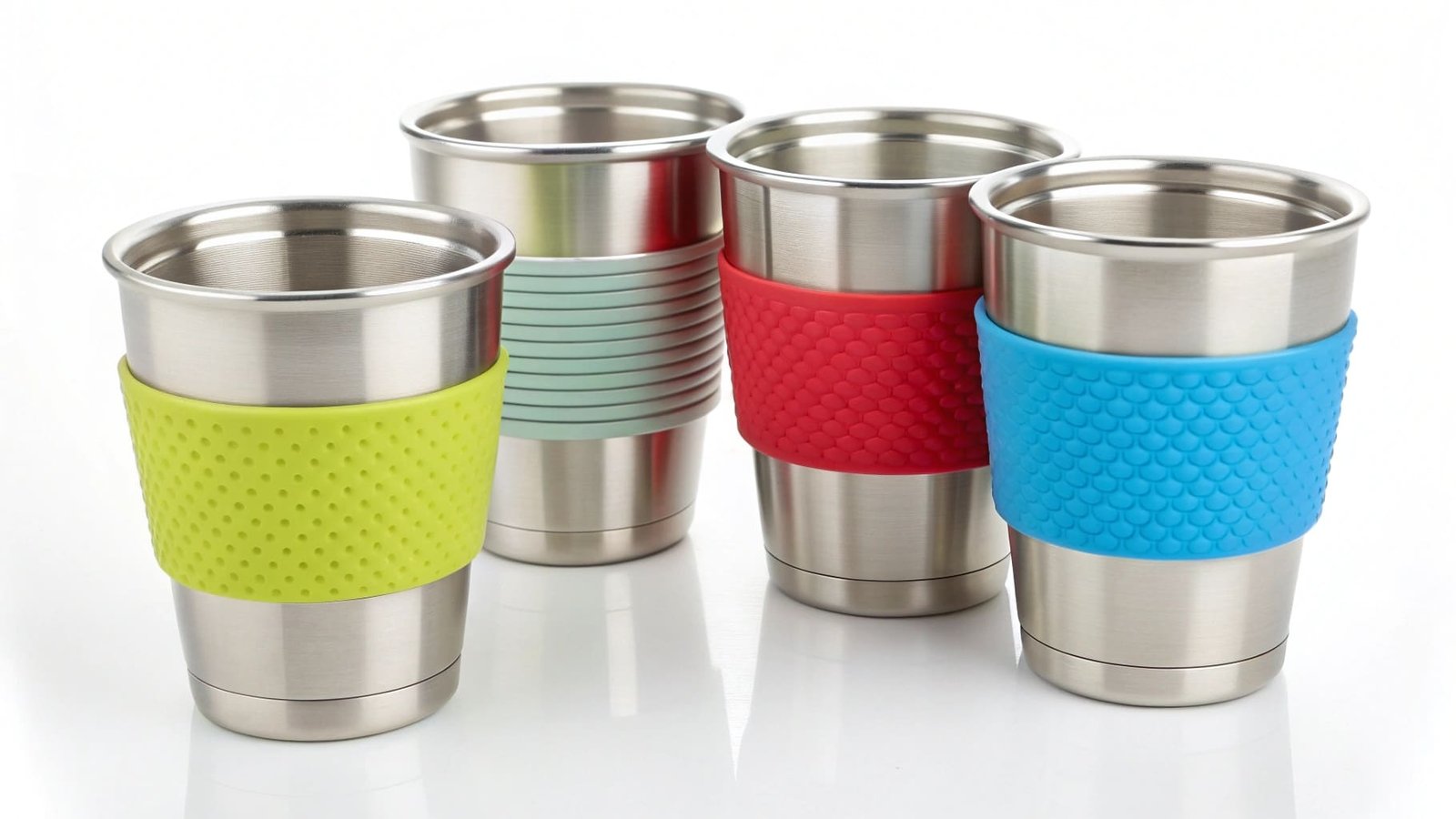
I have been supplying silicone drinkware accessories to wholesale buyers across North America and Europe for years. One pattern I keep seeing is this: buyers come for the price, but they stay for the details. A silicone cup bottom is one of those details that quietly changes everything about how a product performs in the real world. Here is what you need to know before your next order.
Is Silicone Slip-Proof?
Many buyers ask me this question before placing their first order. They have dealt with rubber bases that wear out and plastic bottoms that slide. They want proof that silicone actually works.
Yes, silicone is slip-proof. Its surface creates high friction against most materials, including wood, glass, and countertops. This grip comes from the material itself, not from any added coating. It does not wear off over time.
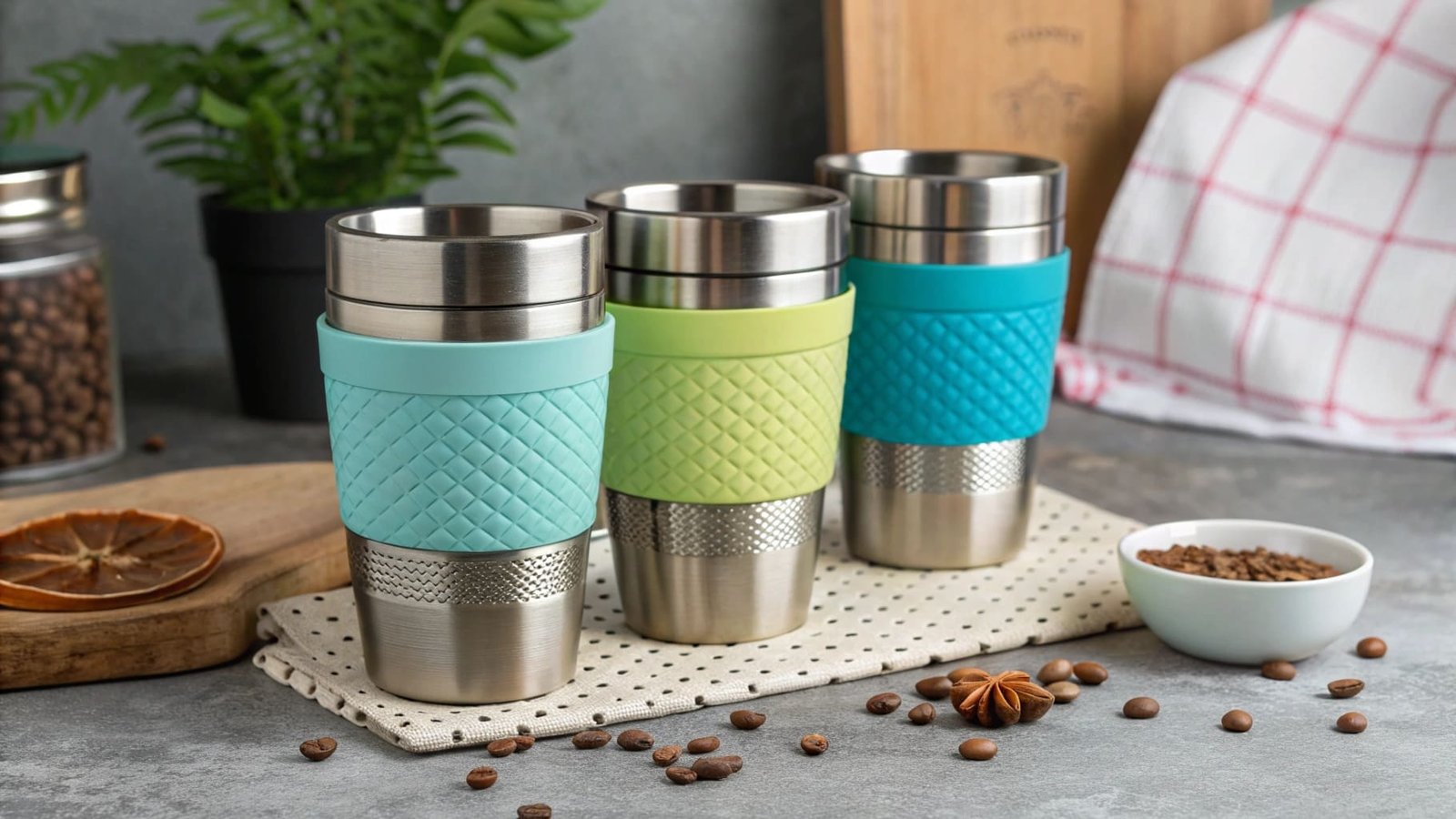
The reason silicone grips so well comes down to its physical structure. The surface is slightly flexible and soft.2 When a cup sits on a table, the silicone base makes full contact with the surface underneath. This spreads the load and creates resistance against sliding. Hard plastic cannot do this because it is rigid. Rubber can do it, but rubber degrades faster and loses its grip after repeated washing.3
Here is how silicone compares to other common base materials:
| Material | Grip Level | Durability | Wash Safe | Chemical Coatings Needed |
|---|---|---|---|---|
| Silicone | High | Very High | Yes | No |
| Rubber | Medium | Low | Sometimes | No |
| Hard Plastic | Low | High | Yes | Sometimes |
| TPE | Medium | Medium | Yes | No |
For wholesale buyers, this matters for one simple reason. End consumers judge a product in the first thirty seconds of use. If a cup slides off a desk or tips over during the first week, that product goes back. A silicone base reduces that risk from day one. I have seen buyers cut their return rates after switching to silicone-bottomed products. The grip is not a marketing claim. It is a physical property built into the material.
Is It Safe to Drink Out of a Silicone Cup?
Safety is a non-negotiable issue for buyers who sell into the US and EU markets. I hear this concern often, especially from buyers who have dealt with suppliers that could not produce real certifications.
Yes, food-grade silicone is completely safe for drinking.4 It meets FDA standards in the United States and LFGB standards in Europe. It does not release chemicals into drinks, even when the liquid is acidic or alkaline.5
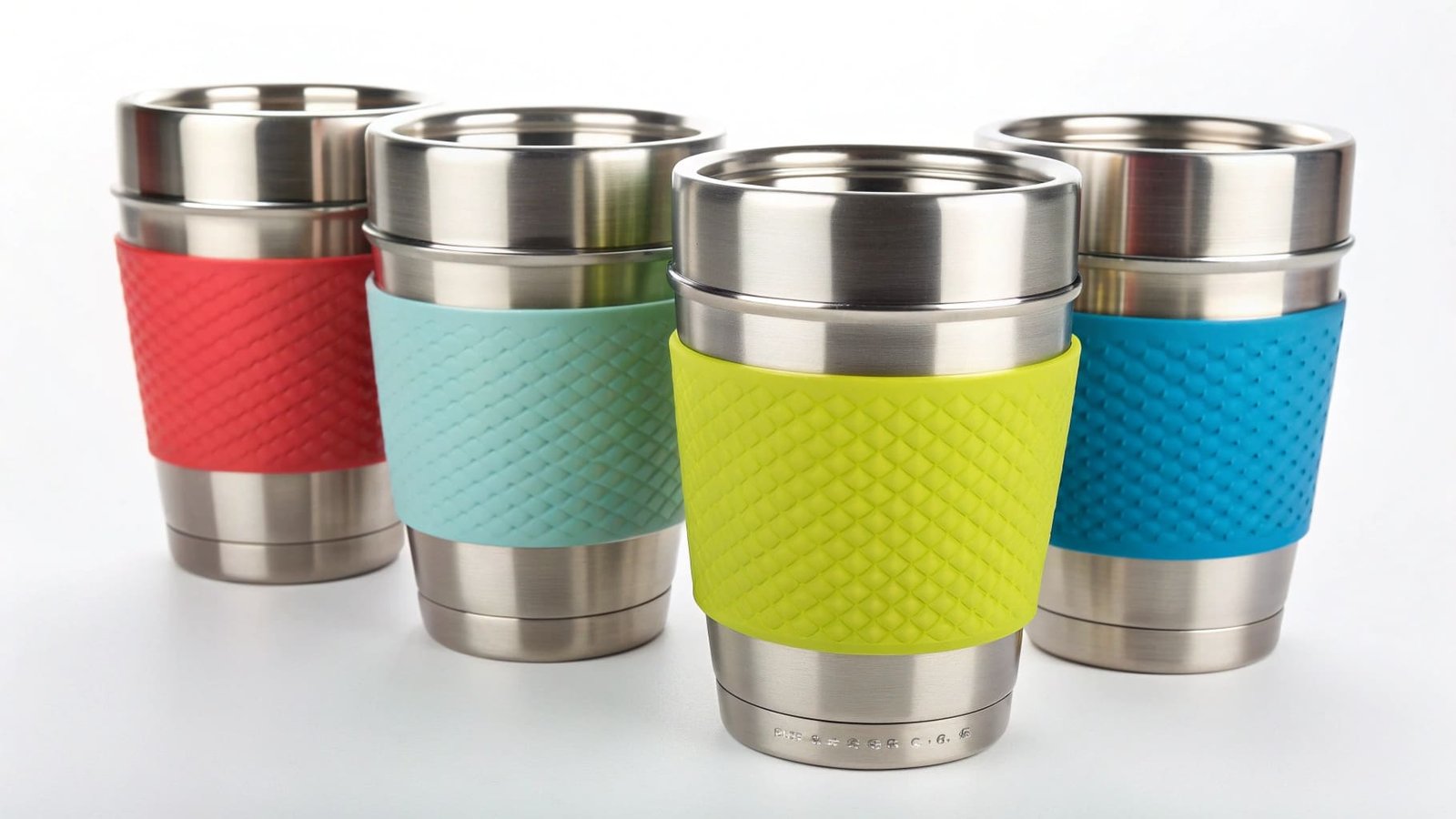
The key word here is food-grade. Not all silicone is the same. Industrial silicone and food-grade silicone are very different products. Food-grade silicone goes through strict testing to confirm it does not leach harmful substances into food or drink. This is why the certification matters so much.
Here is what I always tell buyers when they ask about safety:
| Certification | Region | What It Confirms |
|---|---|---|
| FDA | United States | Safe for food and drink contact |
| LFGB | European Union | Safe for food and drink contact |
| REACH | European Union | No harmful chemical content |
| RoHS | Global | Restricted substances are absent |
When I work with buyers from Canada who plan to sell into US retail chains, I always make sure our products carry both FDA and LFGB documentation. Some retail chains require these certificates before they will put a product on their shelves. A supplier who cannot produce these documents is a liability, not a partner.
Beyond the paperwork, the material itself is naturally inert. This means it does not react with liquids. Coffee, tea, juice, and water all sit safely against a silicone surface. The silicone does not absorb smells or flavors either. This keeps the cup clean and the drink tasting the way it should. For a buyer building a brand around quality, this kind of material integrity is a real selling point.
Can You Put Hot Drinks in a Silicone Cup?
Temperature performance is where I see the biggest gap in buyer knowledge. Many buyers assume that silicone is only good for cold or room-temperature drinks. This assumption costs them sales.
Yes, you can put hot drinks in a silicone cup. Silicone handles temperatures from -40°C to 230°C without breaking down.6 Its anti-slip grip and structure stay intact whether the drink inside is iced coffee or boiling tea.
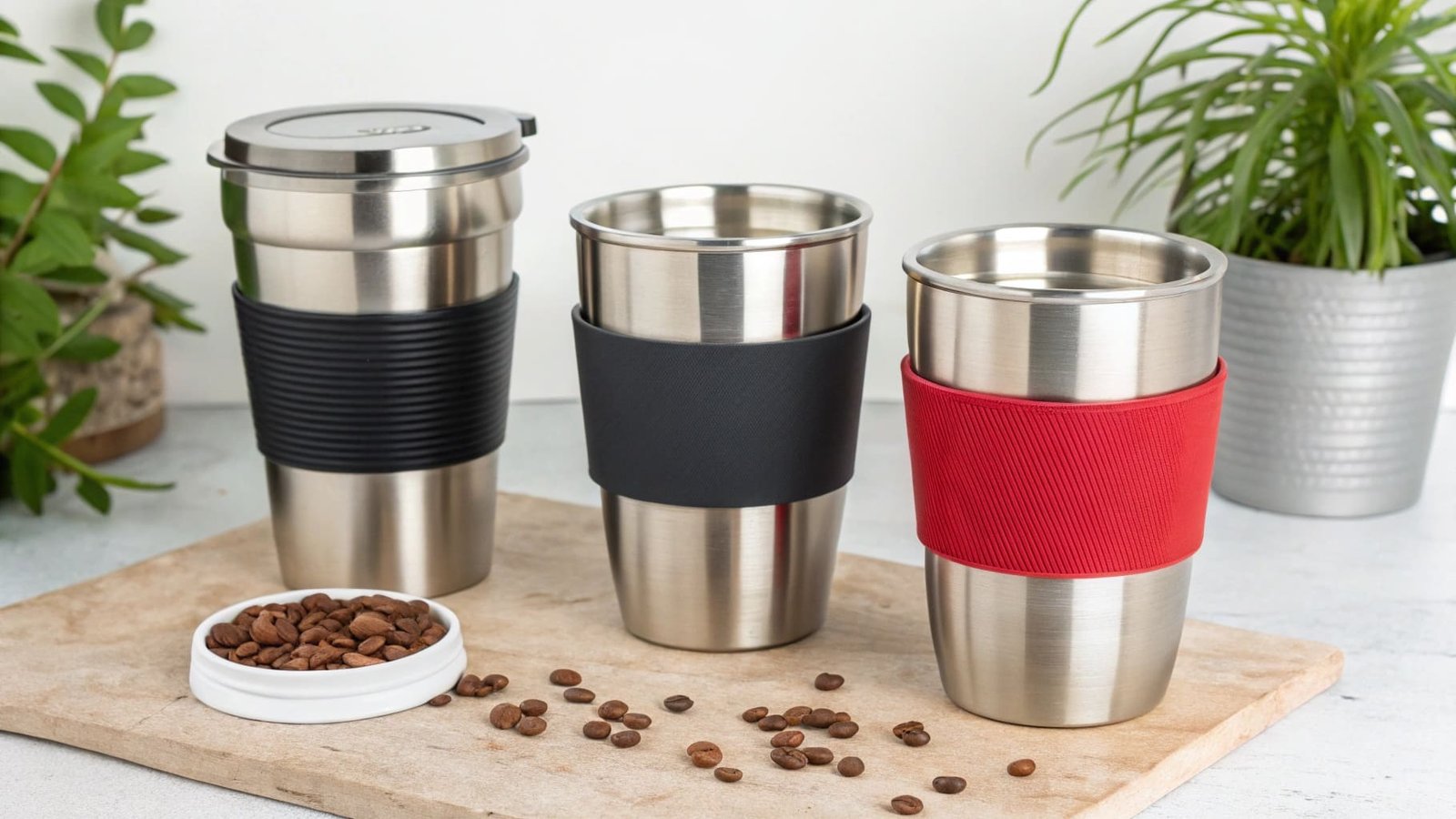
This temperature range is one of the most practical advantages silicone has over other materials. A cup bottom made from hard plastic can warp or crack when exposed to repeated heat. A rubber base can soften and lose its shape. Silicone does neither. It stays flexible, stable, and fully functional across the full range of temperatures a drinkware product will face in daily use.
Here is why this matters for a wholesale buyer managing inventory:
| Drink Type | Temperature Range | Silicone Safe? | Notes |
|---|---|---|---|
| Iced drinks | -10°C to 5°C | Yes | No brittleness |
| Room temp drinks | 15°C to 25°C | Yes | Standard use |
| Hot coffee/tea | 60°C to 90°C | Yes | No warping |
| Boiling liquids | 90°C to 100°C | Yes | Stays stable |
The practical impact of this is significant. A buyer does not need two separate product lines — one for hot drinks and one for cold. One product with a silicone base covers all use cases. This simplifies inventory. It reduces the number of SKUs a buyer needs to manage. It also makes the product easier to market, because a single cup works year-round for any kind of drink.
I spoke with a buyer recently who had been sourcing separate hot and cold drinkware for two different retail accounts. After switching to products with silicone bases, he combined those two lines into one. His storage costs went down. His reorder process got simpler. The silicone base was a small change, but the business impact was real.
Beyond inventory, there is a consumer confidence angle. When an end user knows that their cup is safe for hot drinks, they use it more often. They recommend it. They buy it again. For a wholesale buyer building a brand, repeat purchases are the goal. A cup that works for hot coffee in the morning and iced water in the afternoon earns its place on a kitchen shelf and stays there.
Conclusion
Silicone non-slip cup bottoms improve grip, meet strict safety standards, and handle any drink temperature. For wholesale buyers, this small component reduces returns, supports premium pricing, and builds a stronger brand.
-
"Influence of surface structure on friction and wear characteristics of ...", https://pmc.ncbi.nlm.nih.gov/articles/PMC10652250/. Studies of silicone elastomers describe their compliant surfaces and frictional contact behavior, supporting the view that silicone bases can provide grip through material properties rather than relying solely on applied coatings. Evidence role: mechanism; source type: paper. Supports: A source should explain that silicone elastomers can exhibit friction and conformal contact due to their compliant polymer structure, supporting the claim that grip can come from the material surface itself.. Scope note: Such sources would support the mechanism generally, but they would not prove the performance of a specific cup-bottom design without product-specific testing. ↩
-
"Silicone rubber - Wikipedia", https://en.wikipedia.org/wiki/Silicone_rubber. Materials references characterize silicone rubber as an elastomer with flexible, elastic behavior, supporting the article’s explanation that a silicone base can deform to improve contact with a supporting surface. Evidence role: definition; source type: encyclopedia. Supports: A source should define silicone rubber or silicone elastomer as a flexible elastomeric material and describe relevant physical properties such as elasticity or softness.. Scope note: A general materials reference supports the property of silicone rubber, not the exact softness of any particular cup-bottom formulation. ↩
-
"Study on Degradation of Natural Rubber Latex Using ... - PMC", https://pmc.ncbi.nlm.nih.gov/articles/PMC9961476/. Comparative polymer studies report that silicone rubber generally has strong resistance to heat, oxidation, and many chemicals relative to some conventional rubbers, providing contextual support for its durability in repeated washing environments. Evidence role: general_support; source type: paper. Supports: A source should compare silicone rubber with conventional rubbers in aging, heat, oxidation, or chemical resistance relevant to repeated washing.. Scope note: This support is material-level and may not apply to all rubber formulations or all dishwasher and detergent conditions. ↩
-
"21 CFR 177.2600 -- Rubber articles intended for repeated use. - eCFR", https://www.ecfr.gov/current/title-21/chapter-I/subchapter-B/part-177/subpart-C/section-177.2600. Food-contact regulations allow certain silicone rubber materials for repeated food-contact applications when they meet prescribed compositional and extraction requirements, supporting the claim that compliant food-grade silicone can be suitable for drink-contact use. Evidence role: expert_consensus; source type: government. Supports: A source should show that silicone rubber may be authorized for food-contact use when it complies with applicable regulatory requirements.. Scope note: The source would not support the word 'completely' for every silicone product; safety depends on the specific formulation, manufacturing controls, and compliance testing. ↩
-
"[PDF] Report Name:National Food Safety Standard for Silicone Rubber ...", https://apps.fas.usda.gov/newgainapi/api/Report/DownloadReportByFileName?fileName=National%20Food%20Safety%20Standard%20for%20Silicone%20Rubber%20Materials%20and%20Products%20for%20Food%20Contact%20Use%20Notified%20to%20WTO_Beijing_China%20-%20People%27s%20Republic%20of_CH2023-0168. Migration studies of silicone food-contact materials examine the release of substances into food simulants, including acidic media, and provide evidence that compliant formulations can meet regulatory migration limits under specified test conditions. Evidence role: expert_consensus; source type: paper. Supports: A source should provide migration or leaching data for silicone food-contact materials under acidic or other food-simulant conditions.. Scope note: This would not prove zero chemical release, and results may differ by formulation, temperature, contact time, and test method. ↩
-
"Study on the Synthesis and Thermal Stability of Silicone Resin ...", https://pmc.ncbi.nlm.nih.gov/articles/PMC7601899/. Materials references report that silicone rubber remains flexible at low temperatures and tolerates elevated temperatures better than many organic elastomers, supporting the stated broad service-temperature range for silicone components. Evidence role: definition; source type: encyclopedia. Supports: A source should provide typical service-temperature ranges or thermal-stability characteristics for silicone rubber.. Scope note: Exact temperature limits vary by silicone grade, additives, exposure duration, and whether the material is used in food-contact applications. ↩