Why Are USA Silicone Sleeves for Owala 40oz Tumbler Popular Among Distributors?
Distributors are scrambling to stock silicone sleeves for Owala 40oz tumblers. Missing this product means leaving real money on the table in a fast-moving market.
Silicone sleeves for Owala 40oz tumblers are popular because the tumbler has no built-in grip, which creates a clear product gap. Sleeves add drop protection, anti-slip function, and personalization.1 Distributors love them because margins are high and the product is simple to source, brand, and resell.
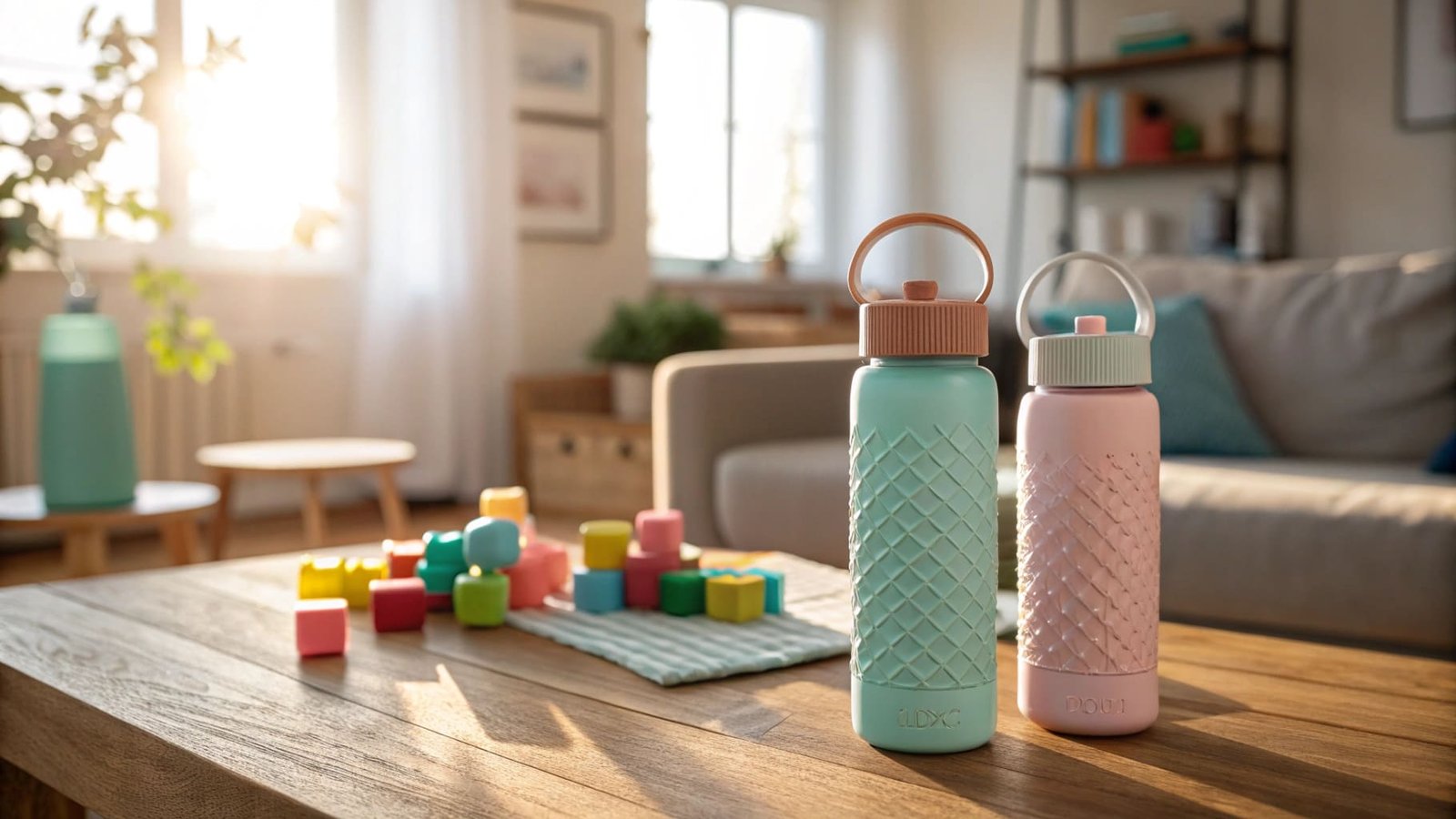
The Owala tumbler market did not grow by accident. A mix of brand positioning, competitor influence, and smart consumer behavior all pushed demand up at the same time. To understand why silicone sleeves are selling so well, you need to understand the full picture first.
What Brand Country Is Owala Tumbler From?
Most buyers assume every popular tumbler brand comes from the same place. That assumption leads to sourcing mistakes and missed product positioning opportunities.
Owala is an American brand. It was launched in 2020 and is headquartered in the United States.2 The brand quickly built a following among health-focused consumers who wanted a spill-proof tumbler that worked well for active daily use.
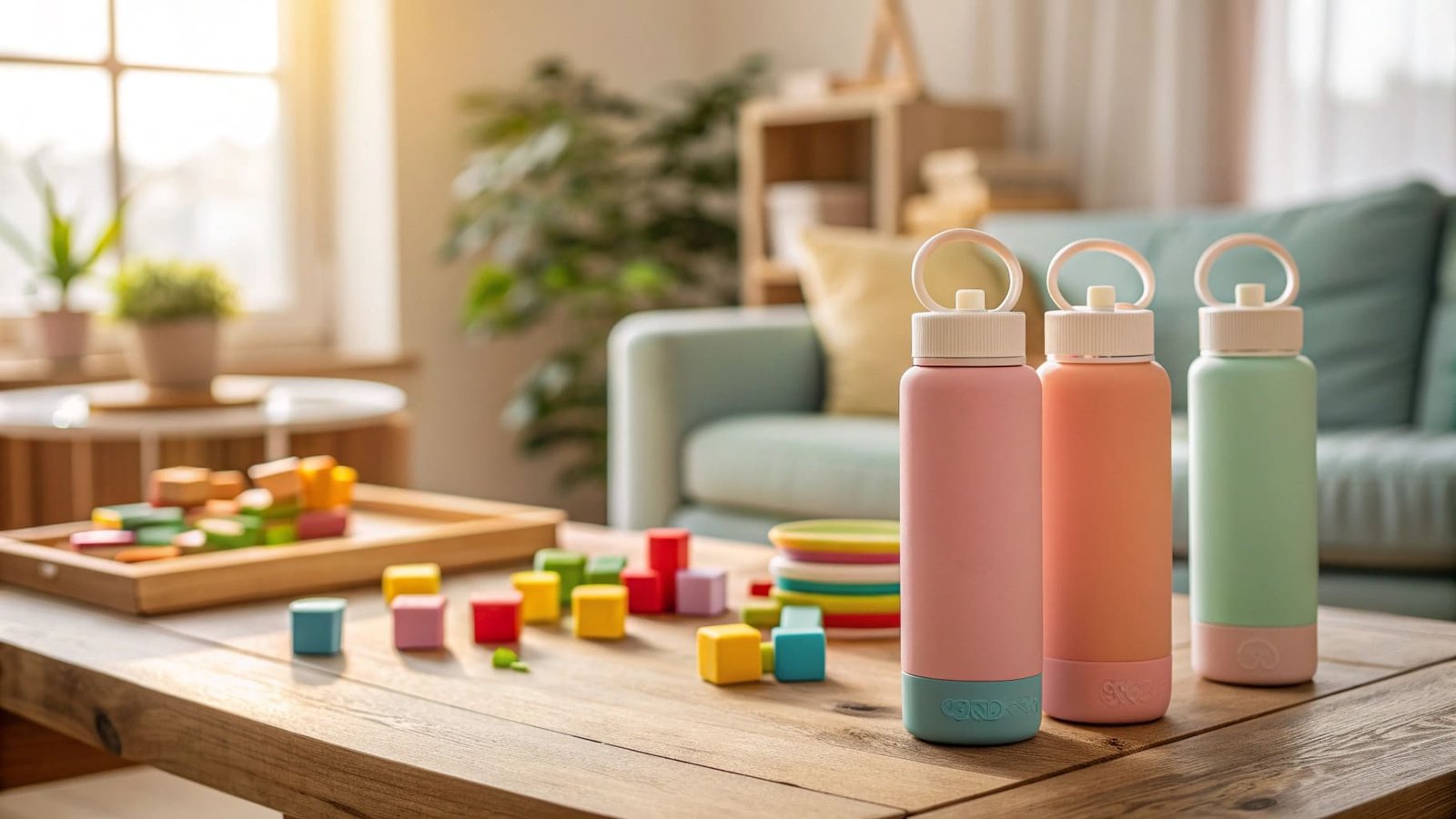
Owala positioned itself as a modern American lifestyle brand from day one. It did not rely on decades of history or industrial heritage. Instead, it won customers through product design, color options, and a patented lid system called FreeSip. This technology lets users sip through a built-in straw or drink straight from the opening, without removing the lid. That kind of design thinking attracted younger buyers who wanted function and style in one product.
For distributors, the American brand origin matters for a few reasons.
Why Brand Origin Affects Your Sourcing Strategy
| Factor | Impact on Distributors |
|---|---|
| Consumer trust | USA brand label raises perceived value in North American markets |
| Safety standards | American brands typically align with FDA food-grade requirements3 |
| Marketing angle | "American brand, American-made accessories" is a strong sales message |
| Retailer acceptance | US retailers prefer products that match brand compliance expectations |
When you sell silicone sleeves designed for an American brand, you need your accessories to match that standard. Buyers in Canada and the US are paying a premium for the tumbler. They expect the accessories to meet the same safety bar. This is why I always recommend sourcing food-grade silicone sleeves that carry the right certifications. It is not just about quality. It is about fitting into the brand story the consumer already believes in.
Is an Owala Better Than a Stanley?
Distributors sometimes treat Owala and Stanley as competing products in the same box. That thinking causes them to miss what actually drives accessory demand for each brand.
Owala and Stanley serve different buyers. Owala targets younger, active users who want a clean design and a smart lid. Stanley targets a broader audience that includes outdoor enthusiasts, workers, and trend-driven consumers who responded to viral social media content.
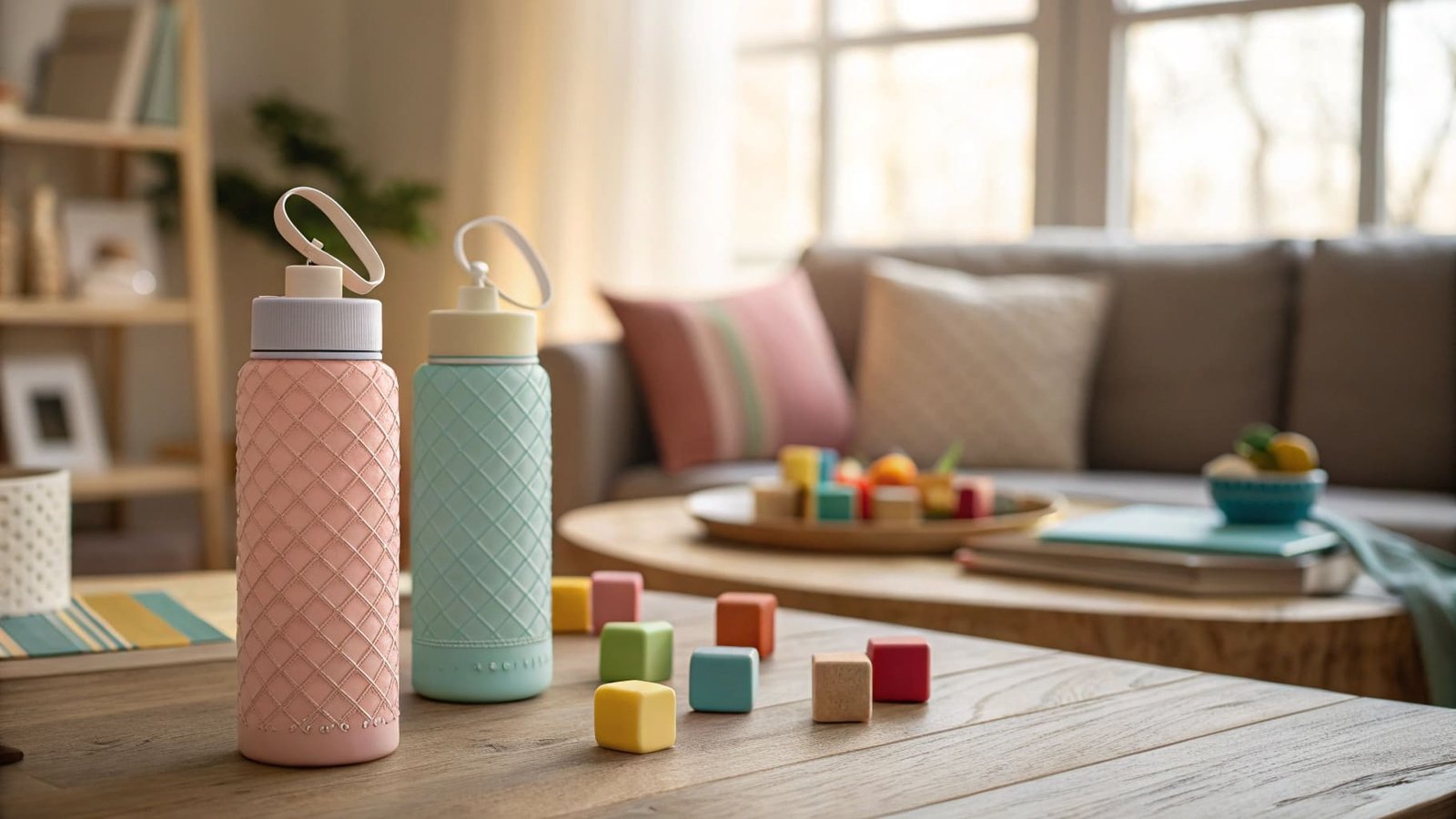
The honest answer is that neither is objectively better. They solve different problems for different people. But this distinction is exactly what makes the accessory market so interesting for distributors.
Breaking Down the Key Differences
| Feature | Owala 40oz | Stanley Quencher |
|---|---|---|
| Lid design | FreeSip (straw + direct drink) | Rotating lid with straw |
| Grip surface | Smooth exterior | Handle included |
| Target user | Active, younger demographic | Broad lifestyle consumer |
| Social media moment | Growing organically | Already peaked virally |
| Accessory gap | No built-in grip or sleeve | Handle exists, sleeve still popular |
The Owala 40oz has a smooth exterior. There is no handle and no textured surface.4 This is actually a design choice that works in favor of silicone sleeve suppliers. The product leaves a visible gap that the sleeve fills. When a Stanley user buys a sleeve, it is mostly for style. When an Owala user buys a sleeve, it is for style and grip and drop protection. That is a stronger purchase reason.
I have spoken with procurement teams who initially focused only on Stanley accessories. After seeing repeat orders for Owala sleeves, several of them shifted budget toward Owala-compatible products. The pattern is consistent. Smooth-body tumblers drive higher sleeve attachment rates than tumblers with built-in grip features.5 This data point alone should guide your inventory decisions.
Why Is Everyone Using Stanley Cups?
You have probably seen Stanley tumblers everywhere. On desks, in cars, on social media. But understanding why Stanley got so popular tells you something important about where the whole market is going.
Stanley became a cultural moment, not just a product.6 Viral videos, limited edition color drops, and celebrity sightings turned a functional tumbler into a status item. Consumers were not just buying a cup. They were buying into a community.
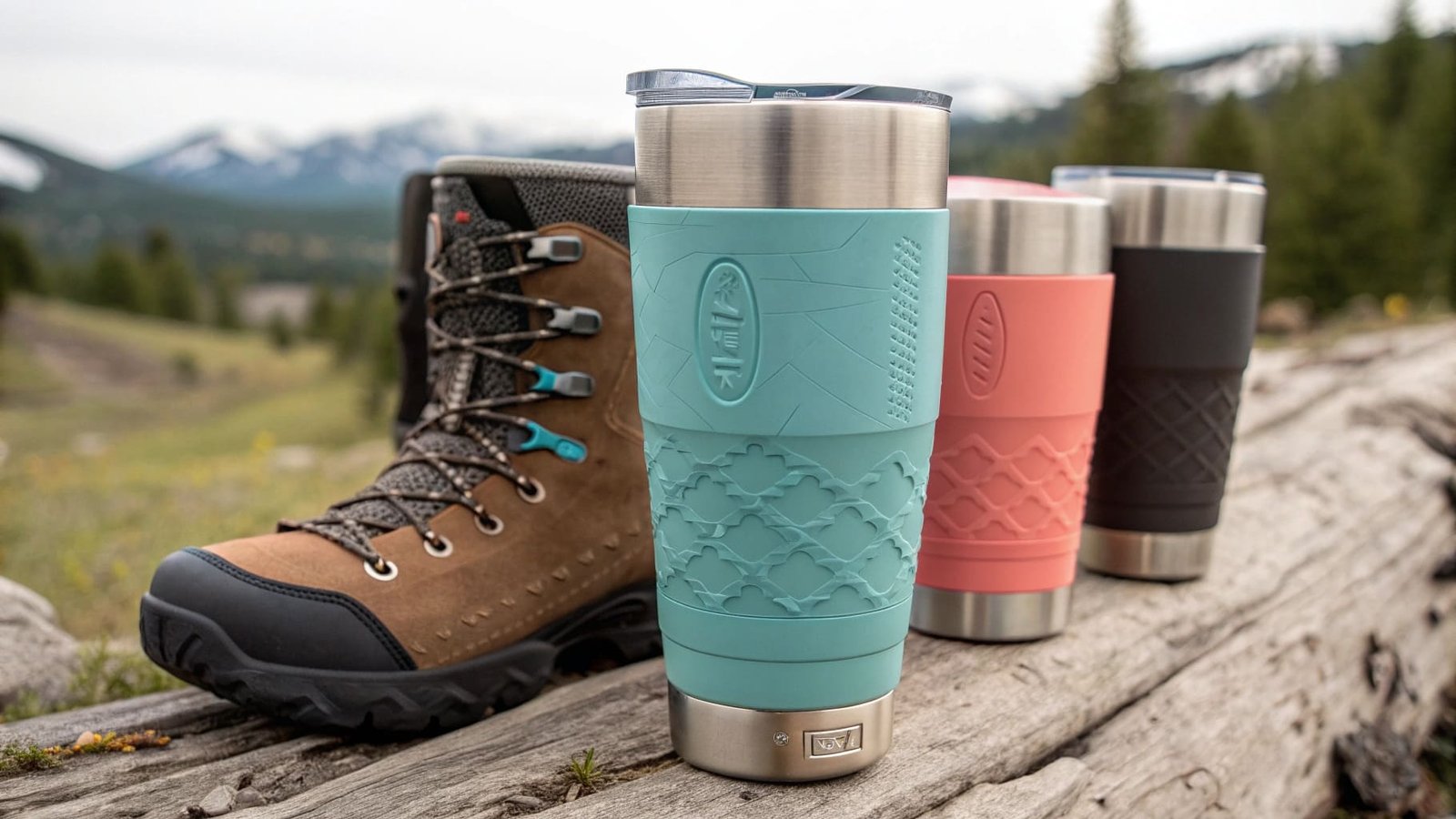
This cultural shift changed buyer behavior across the entire drinkware category. Once consumers decided that a tumbler was worth spending money on, they also decided it was worth protecting and personalizing. Accessories went from optional to expected.
What the Stanley Trend Taught the Market
| Consumer Behavior Shift | Effect on Accessory Sales |
|---|---|
| Willingness to pay premium for tumblers | Higher perceived value for accessories too |
| Desire for personalization | Colored and branded sleeves sell faster |
| Tumbler as identity statement | Buyers seek matching or contrasting sleeve styles |
| Social media display culture | Visible accessories get shared online |
The Stanley trend educated millions of buyers on tumbler culture. Those buyers did not disappear when the trend peaked. They kept their tumblers, kept buying accessories, and many of them moved on to newer brands like Owala. Distributors who caught on early moved from Stanley-only accessory lines to multi-brand strategies that now include Owala sleeves.
I see this pattern repeat across the market regularly. A hero product creates a culture. The culture grows the entire accessory category. Smart distributors ride the wave by stocking accessories for the next brand before that brand peaks. Right now, Owala is in that growth window. Silicone sleeves for the 40oz model are still in a market gap phase, which means margins are better and competition is lower than it will be in two years.
There is also a compliance angle that experienced distributors care about. North American buyers, especially those buying for retail or corporate gifting, ask about food-grade certification and product safety.7 A silicone sleeve that sits on a tumbler people use daily needs to meet those standards. This is not optional. It is a basic requirement for shelf placement in serious retail accounts.
Conclusion
Owala's American brand strength, product design gap, and the buying habits shaped by the Stanley trend all point distributors toward one clear opportunity: silicone sleeves that protect, grip, and personalize.
-
"Influence of surface structure on friction and wear ... - PMC", https://pmc.ncbi.nlm.nih.gov/articles/PMC10652250/. Materials-engineering studies on silicone rubber report elasticity, damping, and surface-friction properties consistent with cushioning and anti-slip applications; the personalization component is supported only indirectly by consumer-behavior research on customized products. Evidence role: mechanism; source type: paper. Supports: The source should support silicone rubber's cushioning and friction properties and, if possible, consumer interest in personalization.. Scope note: Material-property evidence does not prove performance for a particular sleeve design. ↩
-
"Owala (brand)", https://en.wikipedia.org/wiki/Owala_(brand). Corporate filings or an institutional company profile support that Owala is a U.S.-based brand launched in 2020 and identify its headquarters or parent-company location. Evidence role: historical_context; source type: institution. Supports: The source should verify Owala's launch timing, U.S. brand ownership or origin, and headquarters location.. ↩
-
"Food Packaging & Other Substances that Come in Contact with Food", https://www.fda.gov/food/food-ingredients-packaging/food-packaging-other-substances-come-contact-food-information-consumers. FDA regulations on food-contact substances establish that materials intended for use in food-contact articles in U.S. commerce must be safe for their intended use; this supports the compliance context but does not prove that American brands typically comply. Evidence role: general_support; source type: government. Supports: The source should establish the U.S. regulatory framework for materials intended to contact food or beverages.. Scope note: An exterior tumbler sleeve may not directly contact food or beverages, so FDA relevance depends on intended use and exposure. ↩
-
"40oz Tumbler", https://owalalife.com/products/40oz-tumbler?srsltid=AfmBOoovzaJbNvb4v4f0gk-SO1N2TVLZvZqdKcJTekL2EeYM0KrIOWak. Product specifications and official product imagery for the Owala 40oz tumbler support the description of a smooth, handleless exterior; such sources verify visible design features but not user grip difficulty. Evidence role: general_support; source type: other. Supports: The source should verify the physical design features of the Owala 40oz tumbler, including exterior smoothness and absence of a handle.. Scope note: Product designs can change by model year, edition, or retailer variant. ↩
-
"Drinkware Accessories Market Trends and Forecast Analysis", https://introspectivemarketresearch.com/reports/drinkware-accessories-market/. Market-research or distributor sales data comparing sleeve attachment rates across tumbler designs would support the claim that smooth-body tumblers generate higher accessory uptake; without model-specific data, the claim remains an inference from design and sales context. Evidence role: statistic; source type: research. Supports: The source should provide comparative attachment-rate or accessory-purchase data for smooth-body tumblers versus tumblers with handles or built-in grip features.. Scope note: Public sources may provide only category-level accessory data rather than a controlled comparison by grip design. ↩
-
"Viral Consumerism: The Stanley Cup Craze and the Power ...", https://www.diggitmagazine.com/viral-consumerism-stanley-cup-craze-and-power-fomo. Contemporary reporting and trend analysis on the Stanley Quencher document its viral social-media visibility and status-symbol framing, supporting the characterization of the product as a cultural phenomenon rather than only a utilitarian tumbler. Evidence role: historical_context; source type: other. Supports: The source should document the Stanley tumbler's viral spread, cultural visibility, or status-symbol framing.. Scope note: Journalistic trend accounts may describe cultural salience but do not quantify total consumer adoption. ↩
-
"How FDA Regulates Substances that Come into Contact with Food", https://www.fda.gov/food/food-packaging-other-substances-come-contact-food-information-consumers/understanding-how-fda-regulates-substances-come-contact-food. U.S. and Canadian guidance on food-contact materials and consumer-product safety supports the compliance context in which retail buyers request safety documentation; it does not directly prove that all corporate-gifting buyers ask for food-grade certification. Evidence role: general_support; source type: government. Supports: The source should establish the regulatory or procurement context for product-safety documentation for food-contact or drinkware-adjacent consumer products in North America.. Scope note: Buyer documentation practices vary by retailer, distributor, and whether the sleeve is considered food-contact. ↩