How Do Silicone Straw Hole Plugs Improve Product Quality for OEM Buyers?
I noticed something interesting at a trade show last year. Three OEM buyers stood at my booth. They all asked the same question about leak prevention. This is a common pain point that costs brands money and damages reputation.
Silicone straw hole plugs improve product quality by preventing leaks during transport and maintaining beverage temperature. They reduce customer complaints and return rates. This simple accessory transforms basic tumblers into complete leak-proof solutions that increase customer satisfaction and brand loyalty.
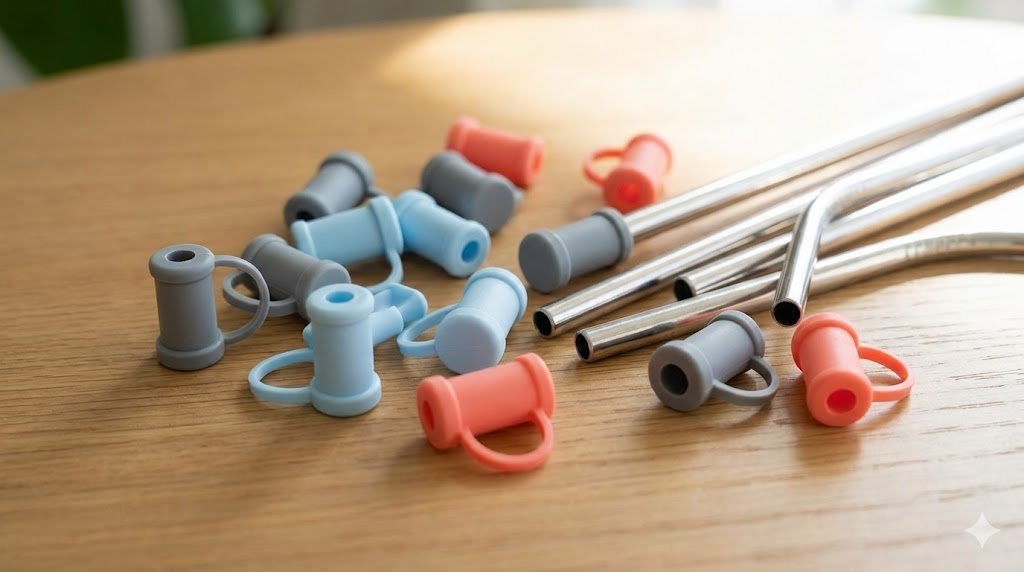
I have worked with buyers from North America and Europe for over eight years. Many of them face the same challenge. Their customers complain about spills in bags and cars. One buyer told me his return rate dropped by forty percent after adding hole plugs to his tumbler line. This accessory seems small but makes a big difference in product performance.
What are the benefits of silicone straws?
Your customers want safe and durable drinking solutions. Traditional plastic straws break easily and harm the environment. Metal straws feel cold and can chip teeth. Paper straws get soggy within minutes.
Silicone straws solve these problems with food-grade safety1 and temperature resistance from negative forty to four hundred forty-six degrees Fahrenheit. They last for years with proper care. The flexible material reduces dental injury risks and prevents bacterial growth on non-porous surfaces.
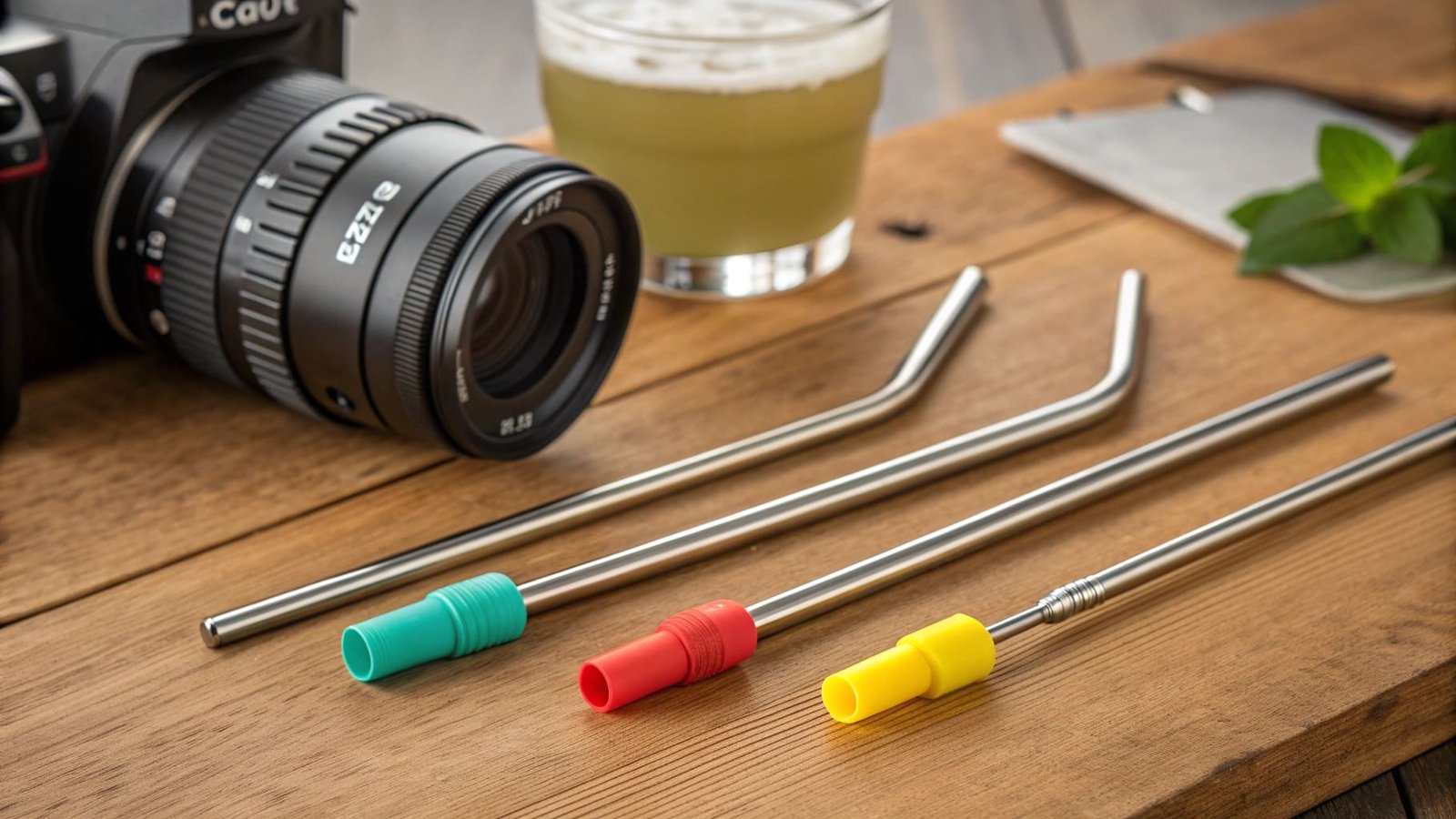
I remember a buyer from Toronto who switched his entire product line to silicone straws. He was concerned about customer safety claims. His legal team advised him to find a safer alternative to metal straws. We discussed material certifications2 for three weeks. He needed FDA and LFGB approval for his markets.
The flexibility of silicone3 creates a comfortable drinking experience. Users can bend the straw to any angle they need. This works well for children and elderly customers. The material does not conduct heat or cold. Your customers can drink hot coffee or iced tea without discomfort. This is a major advantage over metal alternatives.
Silicone straws are easy to spot clean between uses. The material resists most stains from common beverages. Coffee and tea do not leave permanent marks like they do on paper or bamboo. Your customers appreciate this low-maintenance quality. They can use the same straw for different drinks throughout the day.
The environmental benefits support your marketing claims. One silicone straw replaces thousands of single-use plastic straws. Your customers feel good about reducing waste. This emotional connection builds brand loyalty. I have seen buyers increase their prices by fifteen to twenty percent when they position products as eco-friendly solutions. The market accepts higher costs for sustainable alternatives.
| Feature | Silicone Straws | Plastic Straws | Metal Straws | Paper Straws |
|---|---|---|---|---|
| Temperature Range | -40°F to 446°F | 32°F to 120°F | -40°F to 400°F | 32°F to 140°F |
| Lifespan | 3-5 years | Single use | 5-10 years | Single use |
| Safety Risk | Very low | Moderate | High (teeth/lips) | Very low |
| Cleaning Ease | Moderate | N/A | Easy | N/A |
| Environmental Impact | Low | Very high | Low | Moderate |
What is the point of silicone straw tips?
I get this question from new buyers who want to cut costs. They think straw tips are optional accessories. They are wrong. Tips serve two critical functions that protect your investment in premium drinkware.
Silicone straw tips provide protective cushioning that enhances user comfort and prevents chipping damage to tumblers. They protect both the straw and the container. This small addition extends product lifespan and reduces warranty claims significantly.
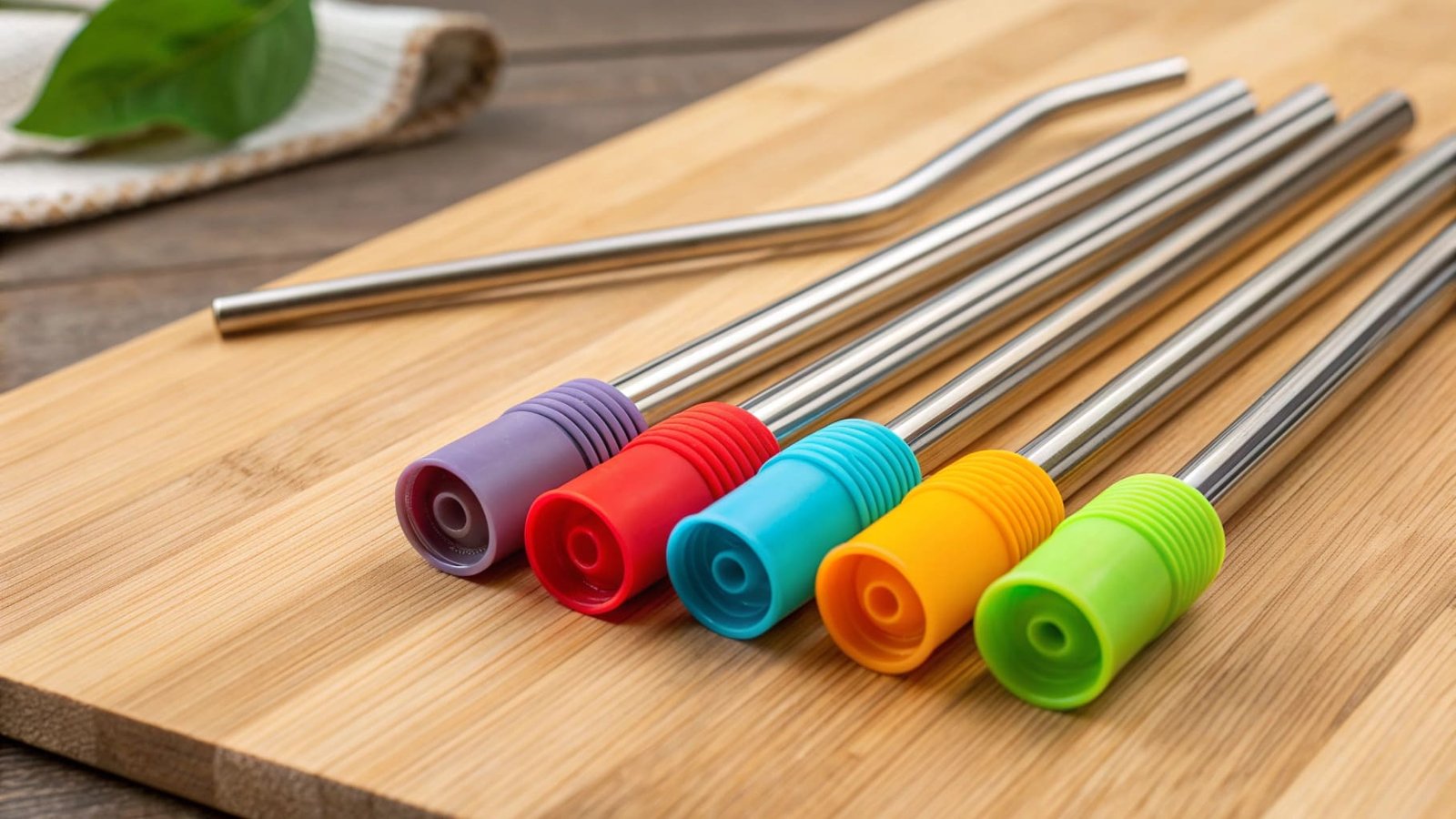
A buyer from Vancouver taught me an important lesson about this. He launched a premium tumbler line without straw tips. Within two months he received hundreds of complaints. Customers reported chipped lids and cracked straw holes. His return rate hit eighteen percent. He contacted me in panic mode.
We added silicone tips to all his straws. The tips created a soft barrier between hard surfaces. The return rate dropped to three percent within the next quarter. He calculated the cost difference. Each tip cost him eight cents. Each return cost him twelve dollars including shipping and processing. The math was clear. He now includes tips on every straw by default.
The comfort factor matters more than buyers realize. Metal and hard plastic straws can hurt teeth and lips. Silicone tips eliminate this concern completely. Users can drink quickly without worrying about injury. Parents feel safer giving these straws to children. This peace of mind translates into positive reviews and repeat purchases.
Straw tips also reduce noise during use. Hard materials create clinking sounds against tumbler walls. This annoys users in quiet environments like offices or libraries. The soft silicone dampens these sounds. Your customers enjoy a quieter drinking experience. This seems like a minor detail but shows attention to quality.
The tips protect straw integrity during washing. Dishwashers can damage straw ends over time. The protective cover prevents fraying and splitting. Your customers get more use cycles from each straw. This extends perceived value and justifies premium pricing. I have seen this feature highlighted in five-star reviews repeatedly.
What is the disadvantage of silicone straw?
Honest buyers ask about drawbacks before placing orders. I respect this approach. Understanding limitations helps you position products correctly and set proper customer expectations. Silicone straws are not perfect for every situation.
The primary disadvantage is higher unit cost compared to disposable alternatives. Silicone straws also require thorough cleaning with specialized brushes. Lower-quality silicone may retain odors or stains over time. These challenges require strategic solutions during product development and marketing.
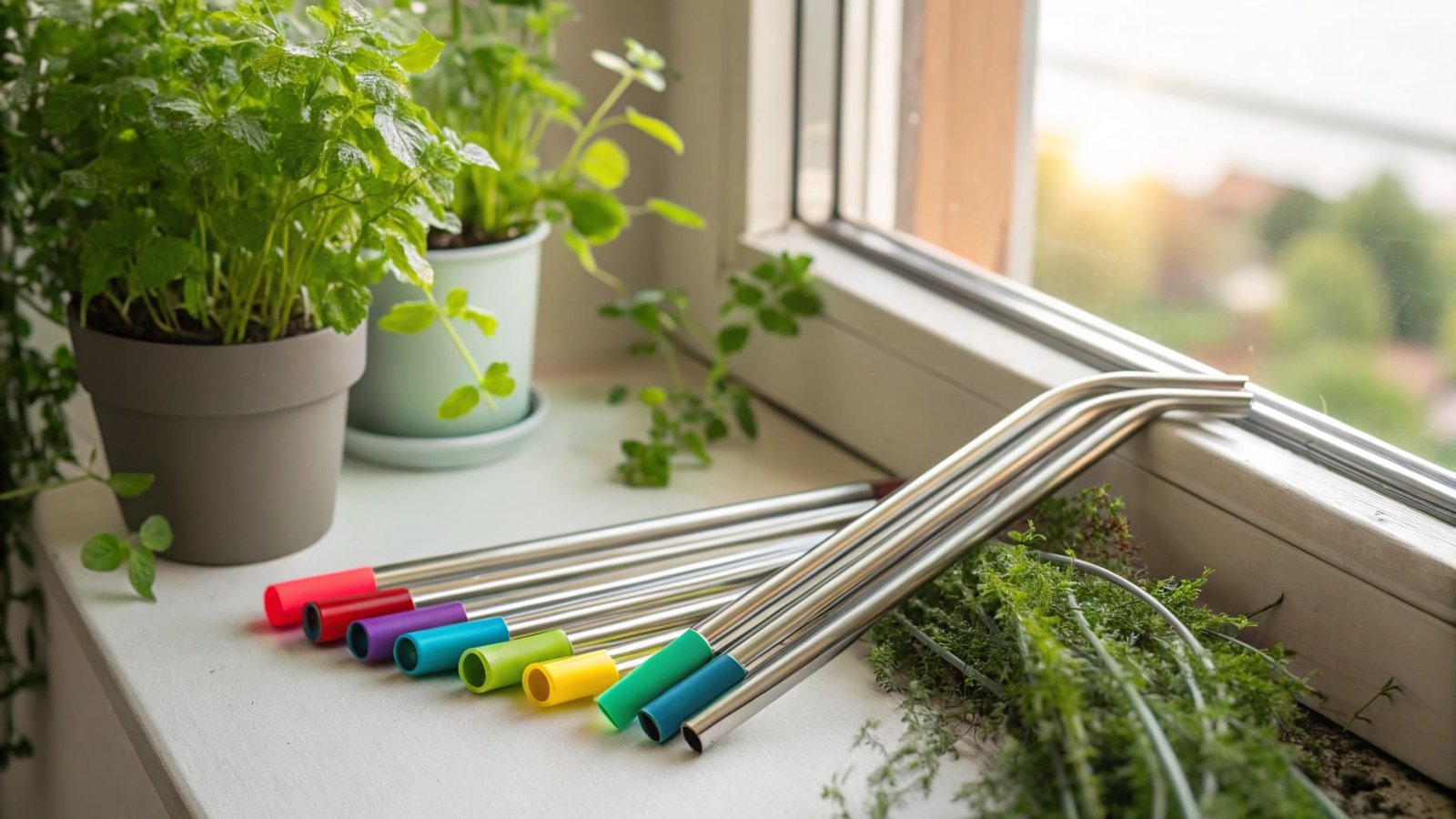
I had a difficult conversation with a buyer last month. He wanted to compete on price with disposable straw sellers. I told him this was the wrong strategy. Silicone straws cannot win on cost alone. They must win on value and sustainability. He disagreed and ordered from a cheaper supplier.
He contacted me six weeks later. His customers complained about chemical smells and discoloration. The cheaper silicone absorbed coffee and juice odors. His brand reputation suffered. We started over with certified materials. He learned an expensive lesson about cutting corners on material quality.
The cleaning challenge is real and requires customer education. Silicone flexibility makes interior surfaces hard to reach. Users need thin brushes designed specifically for straw cleaning. Many customers do not realize this initially. They assume regular rinsing is sufficient. Bacteria can grow in uncleaned areas. This creates health risks and bad odors.
Smart OEM buyers address this proactively. They include cleaning brushes with every straw purchase. They provide clear care instructions in multiple formats. Video demonstrations work better than written instructions. One buyer created a thirty-second cleaning video that reduced his complaint rate dramatically. He shared it on social media and product packaging.
Material certification becomes non-negotiable when dealing with silicone. FDA and LFGB certifications verify food-grade safety. Buyers must request these documents before production. I have seen suppliers provide fake certificates. Always verify directly with testing laboratories. This extra step protects your brand from legal liability and customer harm.
The odor retention problem stems from low-quality silicone. Premium medical-grade silicone4 resists odors much better. The price difference is significant. Medical-grade costs thirty to forty percent more than standard food-grade. But it prevents the staining and smell issues that drive negative reviews. I always recommend medical-grade for premium brands.
| Challenge | Impact Level | Solution Strategy | Cost Increase |
|---|---|---|---|
| Higher unit cost | High | Position as premium eco-product | 0% |
| Cleaning difficulty | Medium | Include brush and instructions | 5-8% |
| Odor retention | High | Use medical-grade silicone | 30-40% |
| Stain susceptibility | Medium | Provide care guidelines | 0% |
| Market education | Medium | Create video content | 2-3% |
Some customers prefer the rigidity of metal straws. Silicone flexibility feels unusual to them at first. This is a preference issue rather than a quality problem. Your product descriptions should mention the flexible nature clearly. This sets proper expectations and reduces returns from surprised customers.
Conclusion
Silicone straw hole plugs transform basic drinkware into complete leak-proof solutions. They reduce returns and increase customer satisfaction. The investment pays for itself through improved brand reputation and repeat purchases.
-
Understand the significance of food-grade safety in ensuring customer health and satisfaction. ↩
-
Learn about essential certifications like FDA and LFGB for ensuring product safety. ↩
-
Explore the advantages of silicone flexibility for different user needs. ↩
-
Learn why medical-grade silicone is preferred for premium products and its benefits. ↩