What Certifications Are Mandatory for Silicone Cup Lids in UK B2B Markets?
You just found a great silicone cup lid supplier. But then your shipment gets stuck at customs. The reason? Missing certifications. This situation costs you time and money.
For silicone cup lids in UK B2B markets, you need UKCA marking for Great Britain sales. You also need compliance with UK food safety regulations. ISO 9001 and LFGB or FDA certifications1 add credibility though they are not legally required.
I have worked with hundreds of B2B buyers over the years. Many of them come to me after bad experiences with other suppliers. The most common problem? Certificate issues. Some buyers told me their orders were rejected at the border. Others discovered their supplier's certificates were fake. These problems can destroy your business relationship with your customers.
Are Silicone Lids Better Than Plastic Lids?
Your customers want eco-friendly products. But you worry about the higher cost of silicone. You need to decide which material gives you better value in the long run.
Silicone lids last longer and handle temperature changes better than plastic lids. They work safely from freezer to microwave. Plastic lids cost less upfront but may crack or warp quickly. Silicone offers better performance for premium markets.
Understanding the Real Cost Difference
I meet many buyers who focus only on the unit price. They see plastic lids cost half as much as silicone lids. So they choose plastic. But this thinking misses the bigger picture.
Let me share what happened with one of my Canadian customers last year. He bought plastic lids first to save money. Three months later, he came back to me. His customers were complaining. The plastic lids cracked when they put hot coffee in their cups. Some lids lost their seal after just a few uses. He had to replace many products for free. In the end, he spent more money on customer service and replacements than he saved on the cheaper lids.
Silicone lids can last for years. I have tested our products through hundreds of thermal cycles. They go from freezing temperatures to boiling water without damage. The material stays flexible and keeps its sealing ability. For your brand reputation, this durability matters a lot. Your customers remember quality products. They forget about saving a few cents per unit.
Here is a comparison table based on my experience:
| Feature | Silicone Lids | Plastic Lids |
|---|---|---|
| Temperature Range | -40°C to 230°C | -20°C to 100°C |
| Average Lifespan | 3-5 years | 3-6 months |
| Flexibility After Use | Stays flexible | Becomes brittle |
| Market Position | Premium/Eco | Budget |
| Customer Complaints | Low | High |
Are There Any Health Risks With Silicone?
You read online that some silicone products might be unsafe. Your customers ask you questions about chemicals leaching into their drinks. You need clear answers to protect your business.
Food-grade silicone is safe when properly manufactured. The health risks come from poor quality products with fillers or uncured material. Pure platinum-cured silicone2 releases no harmful substances. Always check your supplier uses proper curing methods and provides migration testing reports.
How to Verify Your Supplier's Product Safety
Many buyers ask me how to tell good silicone from bad silicone. I always give them the same advice. First, smell the product. Pure food-grade silicone has almost no odor. If you smell a strong chemical scent, walk away. That product likely contains fillers or was not cured properly.
Second, check the curing method. There are two main ways to cure silicone. One uses peroxide. The other uses platinum. Platinum curing costs more but creates a cleaner product. The platinum-cured silicone is more stable. It does not break down easily. Peroxide-cured silicone can leave residues that transfer to food.
I had a situation two years ago that taught me this lesson deeply. A new buyer wanted to place a large order. But he asked for the lowest possible price. I explained that cutting costs meant changing our curing process. He insisted. I refused the order. A few months later, he contacted me again. He had bought from another supplier. The products failed safety testing in his market. He lost his retail contracts. Now he only buys our premium platinum-cured products.
Third, always request migration testing reports3. These tests show whether anything transfers from the silicone to food or drinks. The test should cover different scenarios. Hot liquids, acidic foods, and long contact times all matter. Good suppliers test every batch. They share results without you having to push hard for them.
Here is what you should verify:
| Safety Check | What to Look For | Red Flags |
|---|---|---|
| Odor Test | Nearly odorless | Strong chemical smell |
| Curing Method | Platinum-cured | Peroxide-cured or unknown |
| Testing Reports | Available for each batch | No reports or outdated documents |
| Temperature Rating | Clear max/min stated | Vague specifications |
| Certifications | LFGB, FDA, or equivalent | No third-party verification |
What Are the Best Silicone Lids?
You see many suppliers claim they have the best silicone lids. Each one shows you different specifications. You need to know which features actually matter for your business success.
The best silicone lids have Shore A hardness between 40 and 60, wall thickness from 2mm to 4mm, and effective seal design4s. They come from manufacturers who specialize in silicone production. Quality consistency across batches matters more than having the cheapest price per unit.
Technical Features That Define Quality
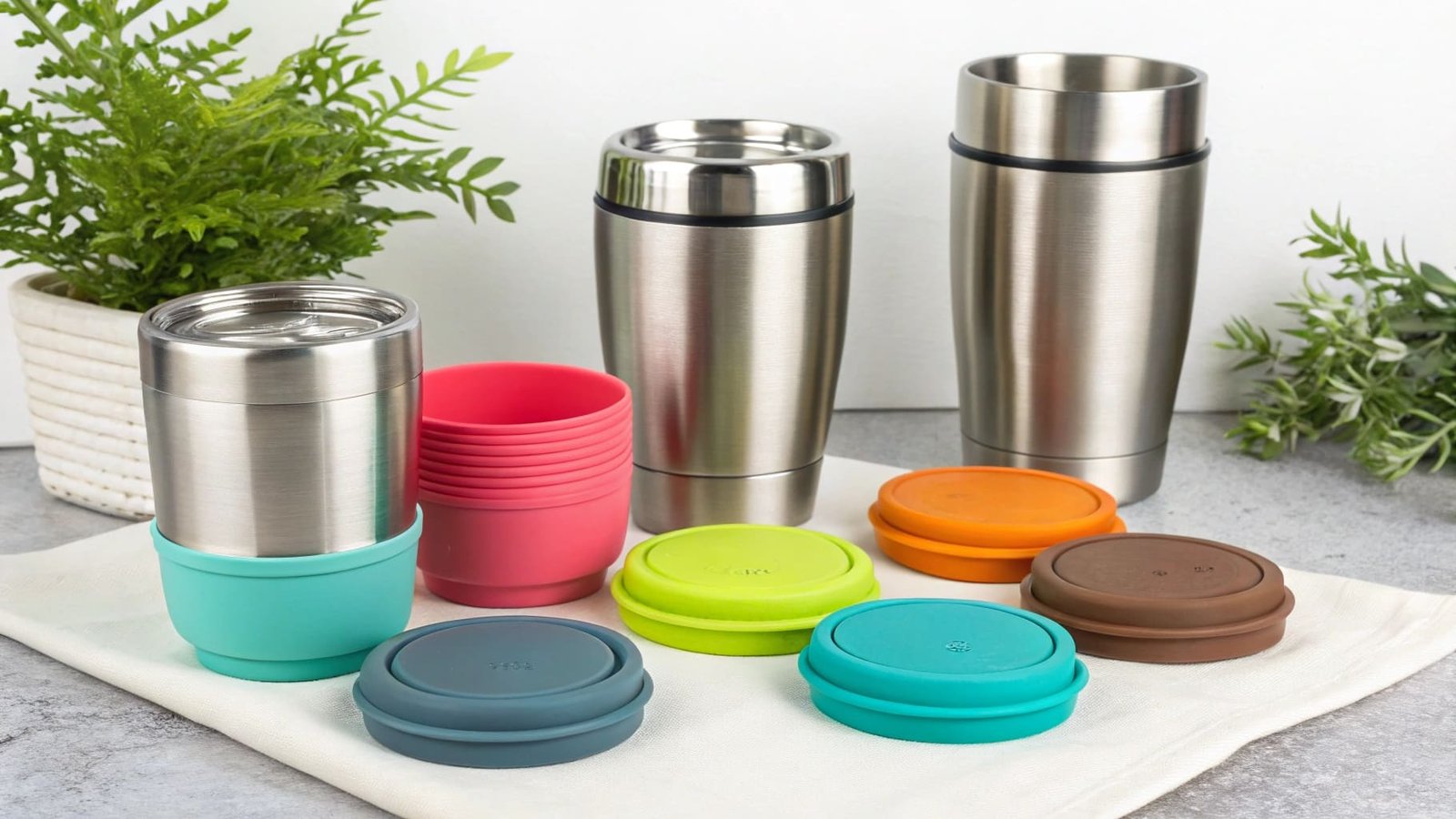
I have produced silicone cup lids for over ten years now. Through trial and error, I learned what specifications really impact performance. Shore A hardness measures how soft or firm the silicone feels. Too soft, below 40, and the lid tears easily. Too hard, above 60, and it does not seal well on different cup shapes. The sweet spot sits right in the middle.
Wall thickness controls both durability and flexibility. I tested lids at different thicknesses. Lids thinner than 2mm ripped when customers stretched them over cups. Lids thicker than 4mm became too stiff. They worked on some cup sizes but not others. The right thickness gives you the best balance.
The seal design matters just as much as the material. I have seen simple flat-edge designs fail to create airtight seals. Multi-ring designs work much better. The rings create multiple contact points with the cup rim. This design blocks air from getting in. It keeps drinks fresh longer. Some of my customers do leak tests. Our multi-ring designs pass every time.
One British customer taught me about customization quality5. He needed silicone lids in five different colors. Each color had to match his brand exactly. But he also needed every lid to perform the same way. Color cannot affect the seal quality or temperature resistance. We adjusted our formula for each color. We tested every batch. Now he orders from us every quarter. He knows our customization never compromises performance.
Here are the key specifications I focus on:
| Specification | Optimal Range | Why It Matters |
|---|---|---|
| Shore A Hardness | 40-60 | Balance of flexibility and durability |
| Wall Thickness | 2-4mm | Prevents tearing while maintaining seal |
| Seal Design | Multi-ring or ribbed | Creates reliable airtight closure |
| Color Stability | No fading after 500+ washes | Maintains brand appearance |
| Odor Level | Neutral after 24hr airing | Customer acceptance |
The best suppliers also offer technical support. When you have a question about how a lid will work with a new cup design, they help you figure it out. They do not just sell you products and disappear. I stay in contact with my customers throughout their product lifecycle. Sometimes they need to adjust sizes. Other times they want to test a new feature. This ongoing relationship builds better products for everyone.
Conclusion
Getting the right certifications protects your UK market access. Choose silicone over plastic for better performance and brand value. Work with suppliers who prove their quality through testing and expertise.
-
FDA certifications are vital for ensuring that silicone products are safe for food contact in the US market. ↩
-
Platinum-cured silicone offers superior safety and stability, making it a preferred choice for food-grade applications. ↩
-
Migration testing reports are essential for verifying the safety of silicone products in food applications. ↩
-
Effective seal designs are crucial for preventing leaks and maintaining product quality in silicone lids. ↩
-
Ensuring quality in customization is vital for maintaining performance while meeting brand specifications. ↩