How Do Silicone Straw Hole Plugs Integrate with Automated Tumbler Assembly Equipment?
Last quarter, my assembly line stopped three times because the plugs we bought from a new supplier didn't fit our automated inserters. I lost $15,000 in that week alone. Bad plugs equal bad business.
Silicone straw hole plugs integrate with automated tumbler assembly through precise dimensional tolerance matching and consistent Shore A hardness levels1. The plugs need tapered designs that work with pick-and-place robotic systems, achieving insertion rates over 60 units per minute with zero defects.
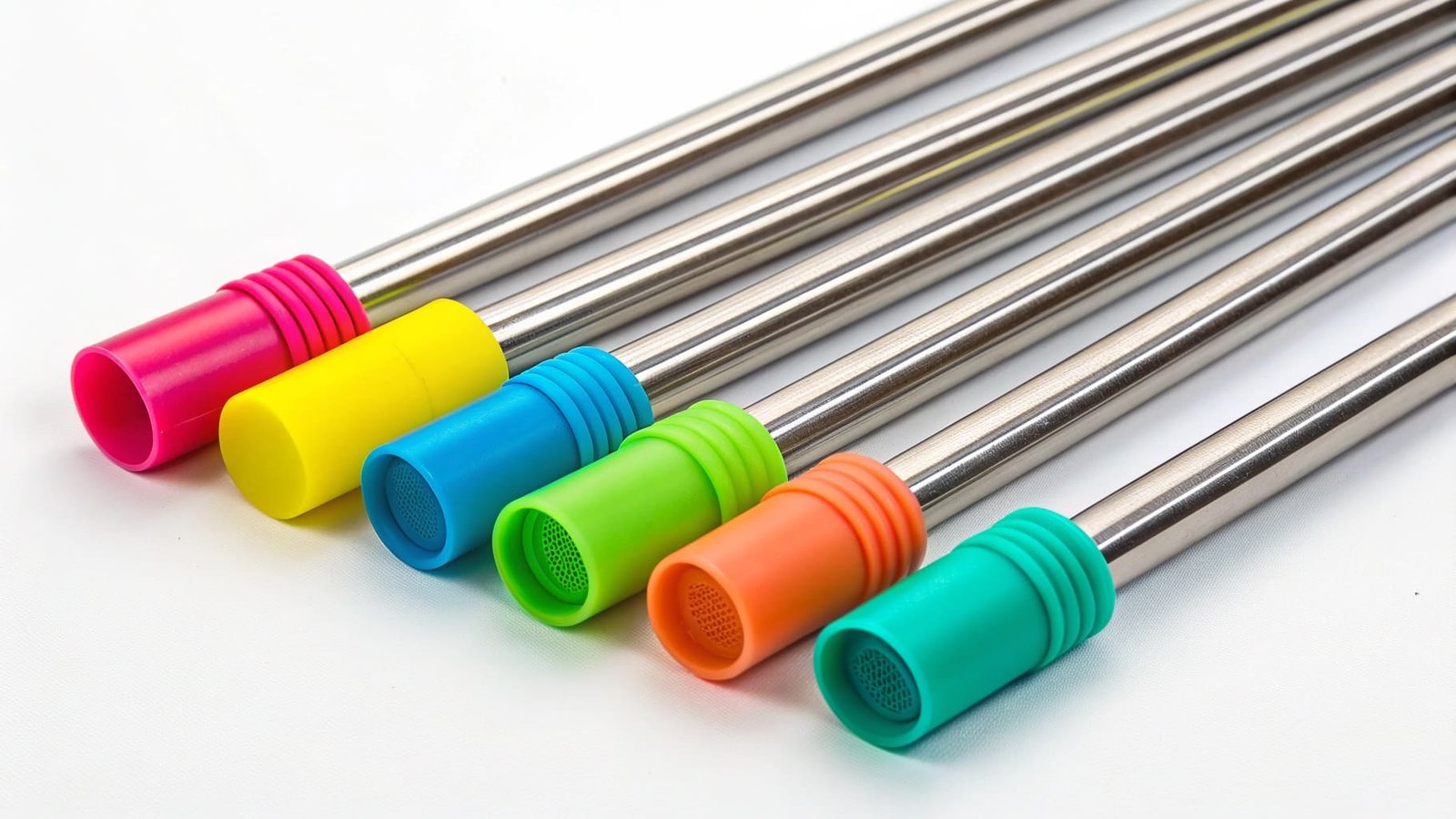
I've been buying tumbler accessories for 12 years now. The plug issue taught me something important. You can't just order any silicone plug and expect it to work with your machines. The integration between plugs and assembly equipment makes or breaks your production schedule.
What are silicone straw tips for?
I remember my first bulk order back in 2011. I thought the silicone tips were just packaging waste. My production manager had to explain their real value to me. I felt embarrassed but learned fast.
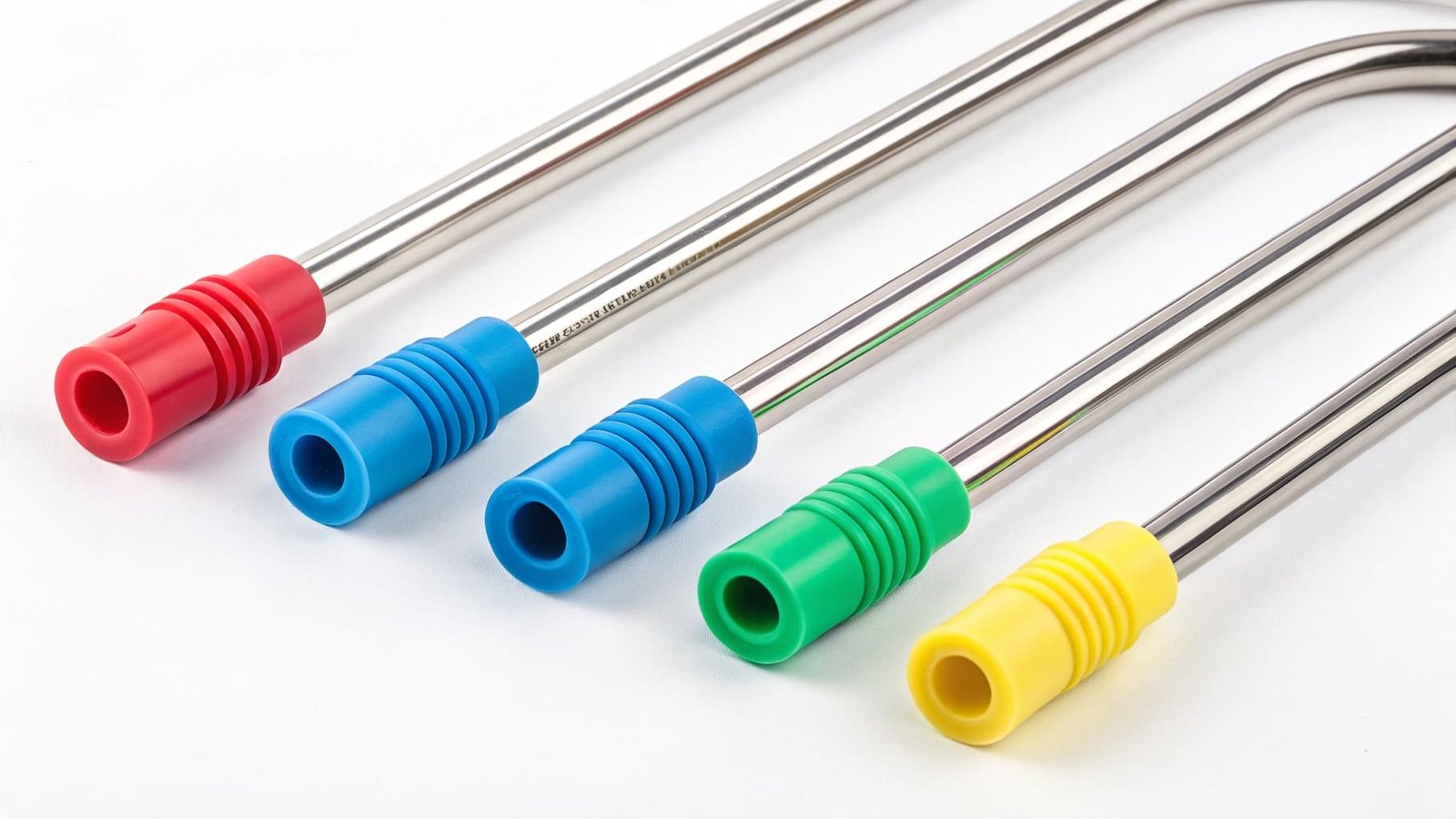
Silicone straw tips serve three main functions: preventing liquid leakage during shipping, maintaining hygiene standards before first use, and protecting the straw opening from dust contamination. These plugs keep your product clean from factory to customer.
The Business Case for Quality Plugs
I track every cost in my operation. The silicone tips cost me about $0.08 per unit. Last year, I tried cheaper alternatives at $0.05 each. That decision cost me $22,000 in returns from customers who received dirty or leaking tumblers.
The math is simple. Good plugs cost more upfront but save you money on the backend. I lost three retail accounts because of that mistake. They didn't care about my $0.03 savings. They cared about receiving damaged products.
My current supplier provides plugs that seal perfectly. The plugs stay in place during transport. They come out easily when customers open the package. This creates a good first impression for the end buyer.
Here's what different plug types do:
| Plug Type | Main Purpose | Best Use Case |
|---|---|---|
| Standard Round | Basic dust protection | Low-cost tumblers |
| Tapered Fit | Secure seal + easy removal | Mid-range products |
| Double-seal | Maximum leak prevention | Premium drinkware |
| Custom Branded | Marketing + protection | High-end retail lines |
I use tapered fit plugs for 80% of my orders. They work with most tumbler sizes. The double-seal type is for my premium line that sells in specialty stores.
How to use dab straw silicone?
This question confuses some buyers. I got an email last month from someone asking if our tumbler plugs work for dab straws. The answer is no. Different products need different plugs.
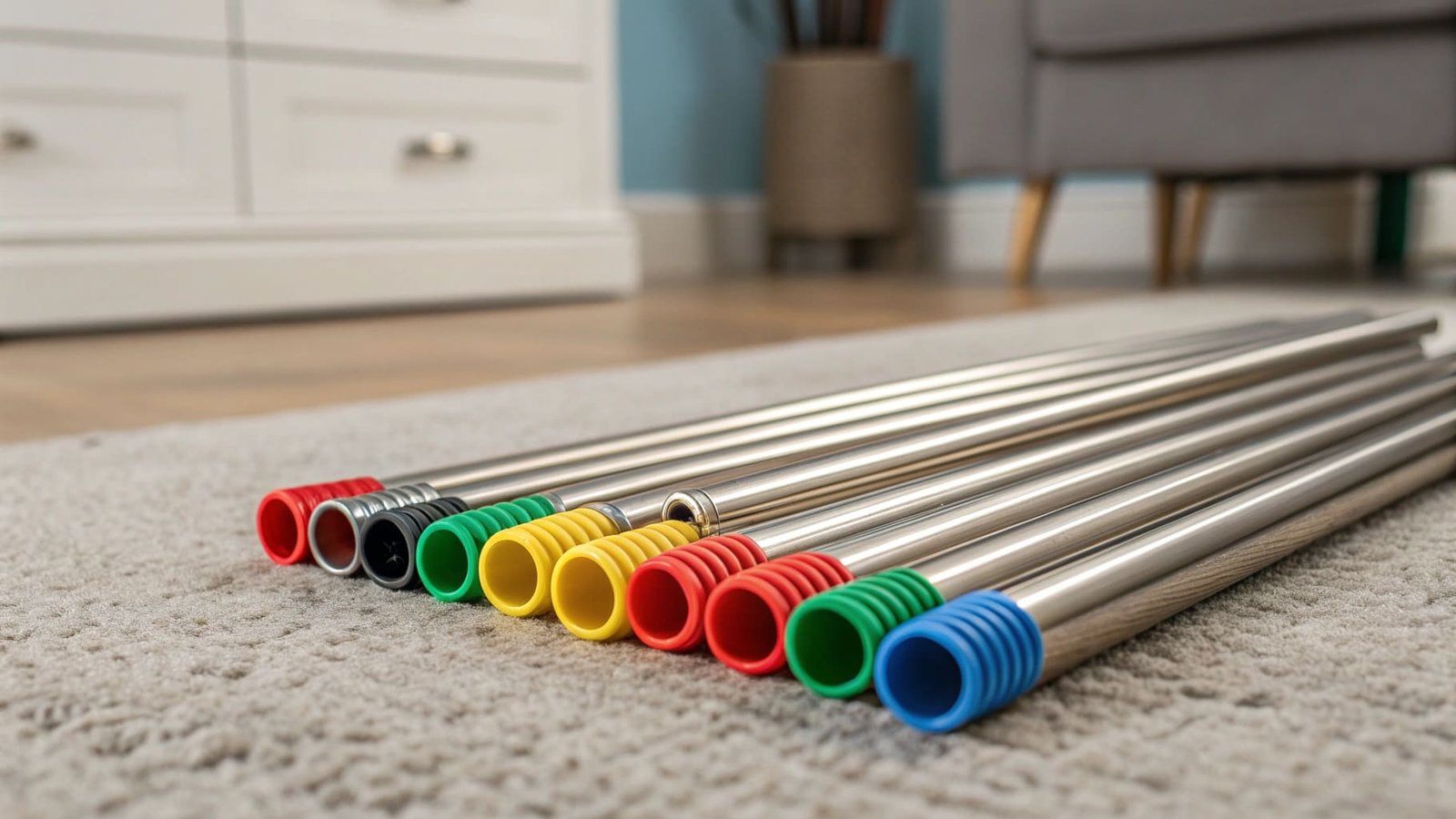
Dab straw silicone tips protect concentrate straws from residue buildup and maintain cleanliness. Standard tumbler straw plugs won't fit dab straws properly because the diameter and material requirements differ completely. You need specialized tips designed for that specific application.
Understanding Material Requirements
I don't sell dab accessories. My business focuses on drinkware. But I learned about material differences when a customer ordered the wrong plugs. The conversation taught me why specifications matter so much.
Tumbler straw plugs need food-grade silicone2. The material must handle temperatures from -40°C to 230°C. I always check for FDA approval3. My North American customers won't accept products without proper certifications. European buyers want LFGB compliance too.
The Shore A hardness matters more than most buyers realize. I use plugs with 50A hardness for most orders. This level provides good flexibility without being too soft. Softer plugs (40A) work better for delicate straws. Harder plugs (60A) suit industrial applications.
I test every new supplier batch myself. I insert 20 plugs by hand into sample tumblers. The plug should slide in smoothly. It should stay firm during a shake test. It should pull out without leaving residue. If any plug fails these basic tests, I reject the whole shipment.
My quality checks include:
- Visual inspection for surface defects
- Diameter measurement with calipers
- Compression test for firmness
- Insertion and removal trials
- Temperature resistance verification
This process takes two hours per shipment. Some people think I'm too careful. But I've never had a quality complaint since I started this routine five years ago.
Are silicone straw tips safe?
A major retailer asked me this question in 2019. They wanted documentation proving safety. I spent three weeks getting all the right papers from my supplier. The order was worth $180,000, so the effort paid off.
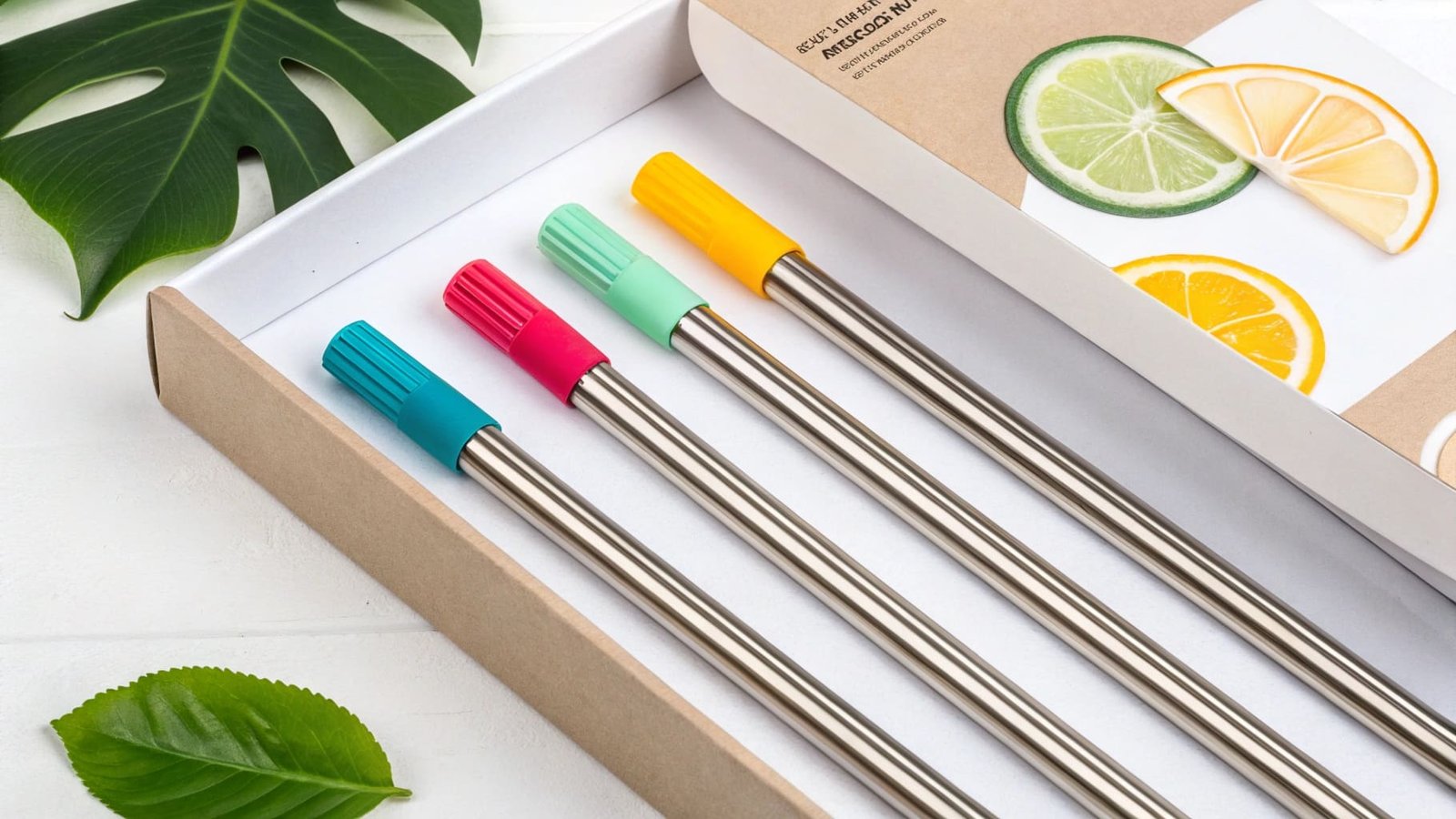
Food-grade silicone straw tips are safe when they meet FDA, LFGB, and REACH standards. The material must pass migration testing to prove no harmful substances leach into liquids. Proper certification ensures safety for repeated use with various beverages including acidic and alcoholic drinks.
Verification Steps That Matter
I don't trust suppliers who can't provide instant documentation. When I contact a new factory, I ask for certificates within 24 hours. If they delay or make excuses, I move to the next supplier. Time is money in this business.
The safety documentation I require includes material safety data sheets, FDA compliance certificates, and third-party testing reports. Some suppliers offer generic certificates. I reject those. The certificate must match the exact batch number I'm ordering.
Temperature stability is critical for safety. The silicone needs to maintain its properties when exposed to hot coffee or frozen smoothies. I've seen cheap plugs melt in hot beverages. The melted silicone created a terrible customer experience and a legal liability.
Chemical stability matters just as much. The plugs touch acidic juices, carbonated drinks, and sometimes alcohol. The material can't break down or release chemicals. I request migration testing results for all common beverage types.
My standard safety checklist includes:
| Safety Aspect | Requirement | Verification Method |
|---|---|---|
| Material Grade | Food-grade silicone | FDA certificate review |
| Temperature Range | -40°C to 230°C | Lab test report |
| Chemical Resistance | No degradation | Migration testing |
| Physical Integrity | No tears or weak spots | Visual and stress tests |
| Color Stability | No dye bleeding | Liquid immersion test |
I've rejected shipments that passed basic quality checks but failed safety verification. One supplier provided plugs with the right dimensions but wrong material composition. The plugs looked perfect but contained fillers that didn't meet food safety standards. I lost $3,500 on that mistake but saved my reputation.
The automated assembly integration also affects safety. Plugs that don't fit properly can leave gaps. These gaps allow contamination. My assembly line uses vision systems to verify each plug sits flush. Any plug that doesn't meet the tolerance gets ejected automatically.
I visit my main supplier's factory every 18 months. During my last visit, I saw their quality control process4. They test every production batch. They keep samples from each run for two years. This level of commitment gives me confidence in their products.
Conclusion
Good silicone straw plugs need proper design, verified safety standards, and seamless integration with your assembly equipment. These small components protect your brand reputation and keep your production line running smoothly.
-
Find out how Shore A hardness levels affect the performance of silicone products. ↩
-
Discover the safety standards and benefits of using food-grade silicone in products. ↩
-
Understand the importance of FDA approval for ensuring product safety and compliance. ↩
-
Explore the steps involved in a quality control process to ensure product reliability. ↩