Which Tumbler Seal Ring Thicknesses Prevent Leakage in High-Pressure Vacuum Testing?
Last month, I received a batch return from a Canadian distributor. The issue? Vacuum failure in their premium tumbler line. The seal rings looked perfect, but they failed under pressure testing. This taught me that thickness matters more than most buyers realize.
The optimal tumbler seal ring thickness1 for high-pressure vacuum testing ranges from 2.5mm to 3.5mm. This range provides the best balance between compression resistance and extrusion prevention, maintaining seal integrity through thousands of pressure cycles while preventing vacuum loss in quality drinkware applications.
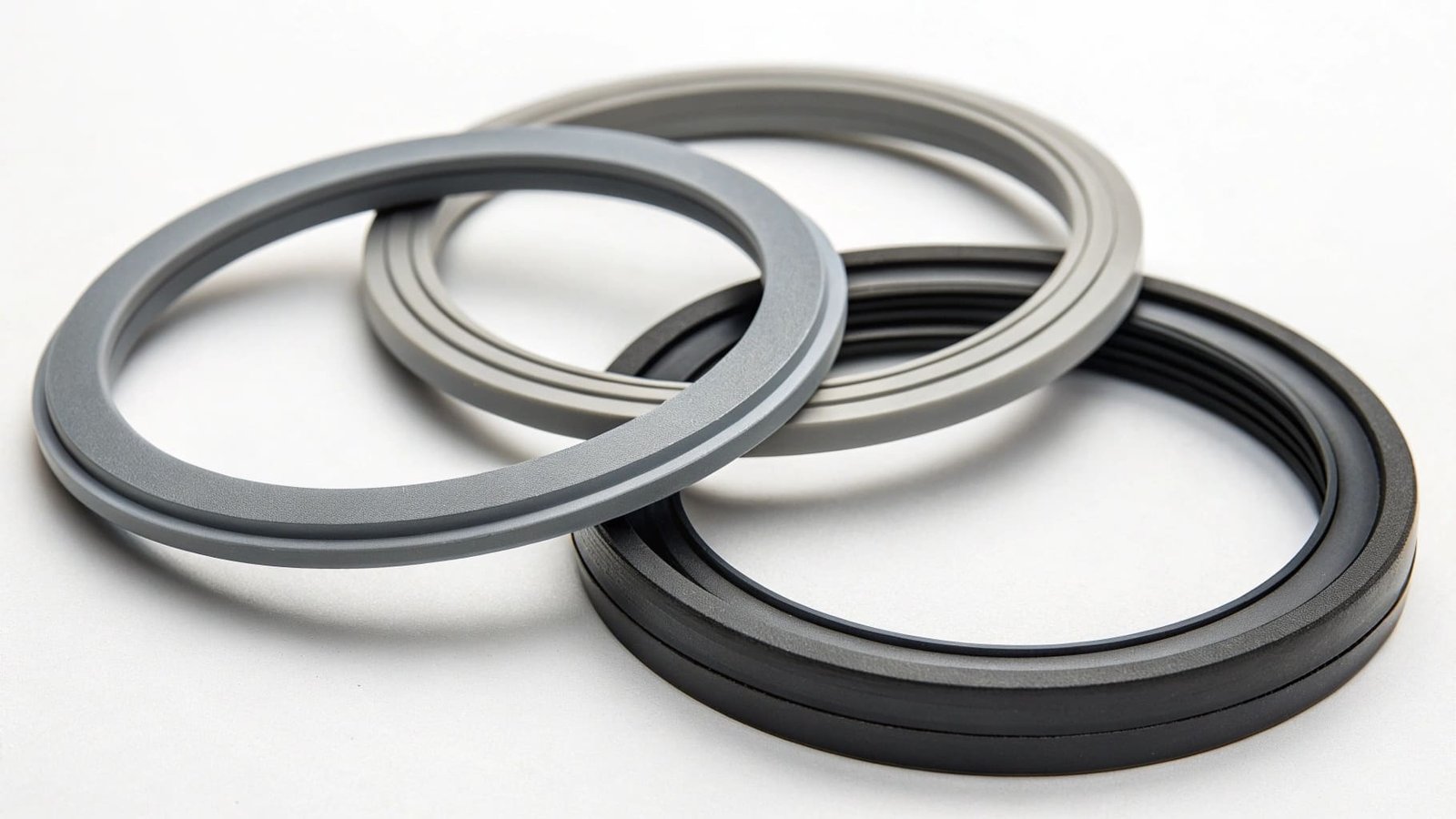
I have been in the silicone seal business for over a decade. During this time, I watched countless buyers make the same mistake. They focus on price or appearance but ignore the engineering behind seal ring thickness. This oversight costs them money in returns and damages their brand reputation. Today, I want to share what I learned from working with hundreds of B2B clients who demand vacuum integrity in their drinkware products.
What is Used in High Pressure Systems to Prevent O-Ring Extrusion?
Your seal rings keep failing under pressure. You checked the material quality and the groove design looks fine. But you still face extrusion problems that cause vacuum loss and customer complaints.
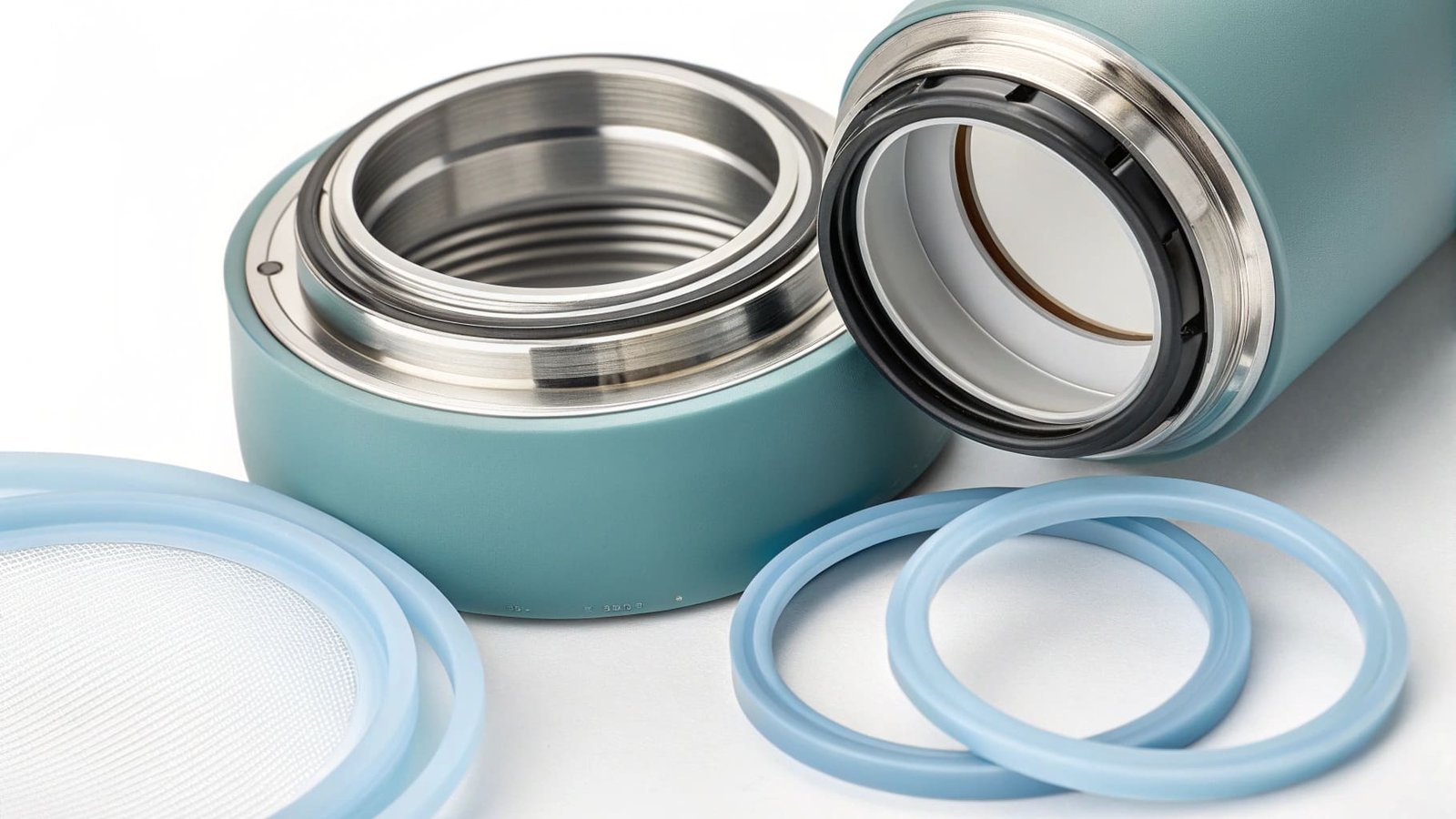
Industrial high-pressure systems use backup rings alongside O-rings to prevent extrusion. However, most tumbler applications rely on proper groove geometry and appropriate seal ring thickness instead of additional components, keeping production costs competitive while maintaining adequate performance.
Understanding Extrusion Prevention in Drinkware Applications
I need to be honest with you. The backup ring solution works great for industrial hydraulics but adds complexity that most tumbler manufacturers cannot justify. When I work with clients at silijoy, I help them understand that drinkware vacuum seals face different challenges than industrial high-pressure systems.
Let me break down the practical approaches:
| Prevention Method | Industrial Application | Tumbler Application | Cost Impact |
|---|---|---|---|
| Backup Rings | Common | Rare | High |
| Groove Depth Control | Standard | Critical | Low |
| Material Hardness | 70-90 Shore A | 40-60 Shore A | Medium |
| Thickness Optimization | 5-8mm | 2.5-3.5mm | Low |
The key difference lies in pressure differentials. Industrial systems handle 1500 PSI or more. Your tumblers face maximum 14.7 PSI differential (one atmosphere). This means we can prevent extrusion through smart groove design rather than adding components.
I recommend groove depths at 75% of the seal ring cross-section. This creates enough squeeze to seat the seal properly but leaves room for compression without overstress. The groove width should allow 5-10% radial squeeze when the seal ring seats. This approach has worked for my clients across North America and Europe without backup rings.
What is the Pressure Rating for O-Ring Seal?
You see pressure ratings like 1500 PSI in technical catalogs. Your engineer asks if your tumbler seal rings can handle that pressure. You wonder if these ratings apply to your vacuum drinkware products.
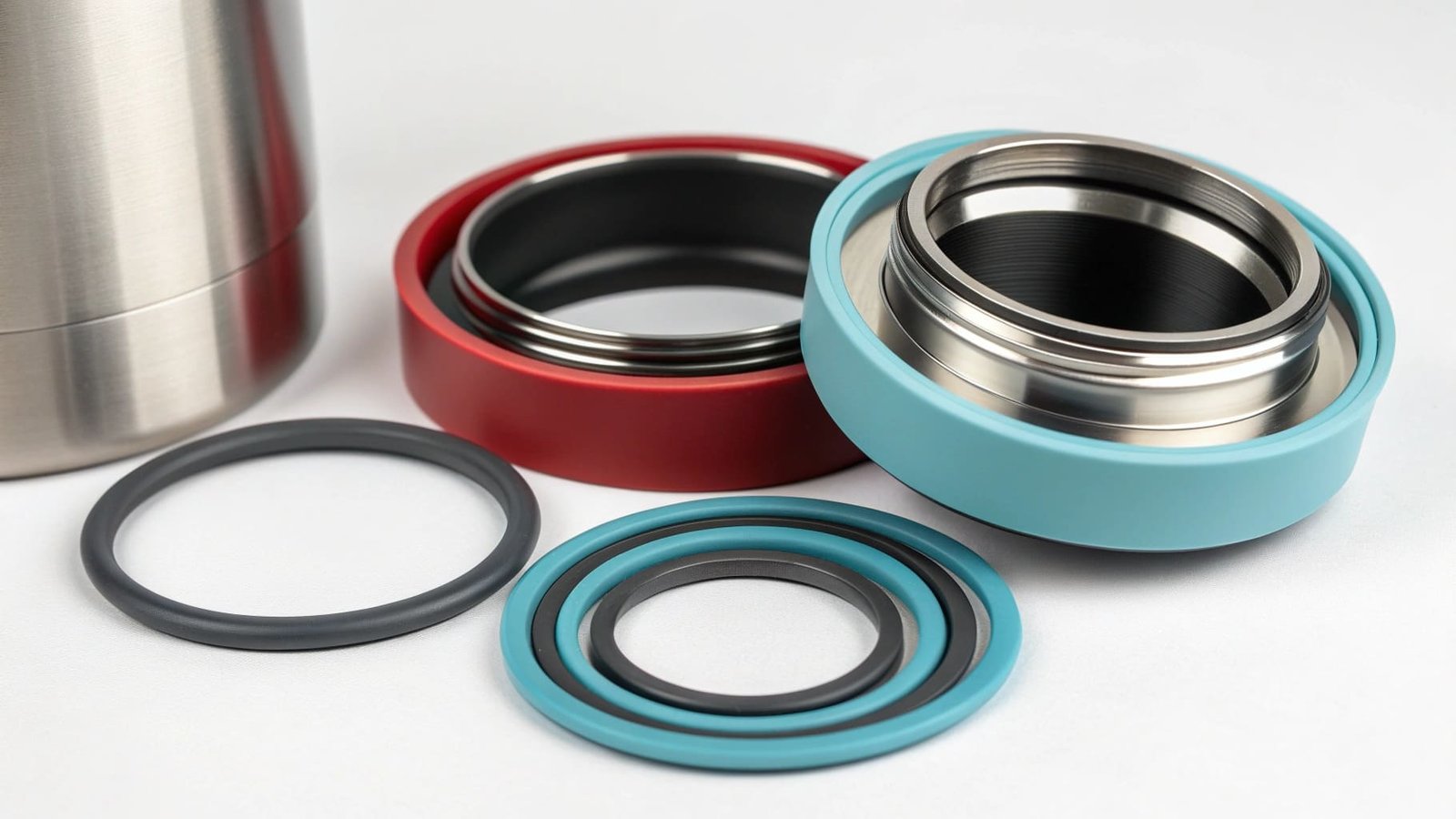
Standard O-ring pressure ratings reach 1500 PSI for industrial applications, but tumbler seal rings face different performance demands. Vacuum drinkware typically experiences pressure differentials of 0.8 to 1.0 bar, making thermal cycling resistance and material fatigue properties more critical than absolute pressure ratings.
Why Pressure Ratings Mislead Tumbler Buyers
This confuses many buyers I meet at trade shows. They assume higher pressure ratings mean better seal performance for tumblers. I tell them this thinking actually leads to poor purchasing decisions.
Here is what matters for tumbler seal rings:
Performance Factors That Actually Matter
| Factor | Importance for Tumblers | Why It Matters |
|---|---|---|
| Compression Set | Critical | Maintains seal after repeated use |
| Temperature Range | High | Handles hot and cold beverages |
| Chemical Resistance | High | Withstands acidic drinks |
| Pressure Rating | Low | Minimal pressure differential |
| Fatigue Resistance | Critical | Survives thousands of lid cycles |
I tested seal rings from different suppliers last year. One claimed 2000 PSI pressure rating but failed after 500 thermal cycles. Another rated for 1000 PSI performed flawlessly through 5000 cycles. The difference? Material quality and thickness design, not pressure rating.
When I source seal rings at silijoy, I focus on compression set values below 15% after ASTM D395 testing. This tells me the material will maintain its sealing force over time. I also verify the temperature range covers -40°C to 200°C, ensuring the seal works with both iced coffee and hot tea.
Your customers do not care about pressure ratings. They care that their tumbler does not leak after six months of daily use. That requires proper material selection and thickness, not impressive pressure numbers on a spec sheet.
What Material is Used for Vacuum O-Ring?
Your supplier offers multiple silicone options. The price varies significantly between them. You wonder which material actually prevents vacuum loss in your tumbler line without breaking your budget.
Platinum-cured food-grade silicone serves as the optimal material for vacuum tumbler seal rings. This material maintains resilience through thermal cycling, resists compression set, and provides consistent performance across the -40°C to 200°C range required for hot and cold beverage applications.
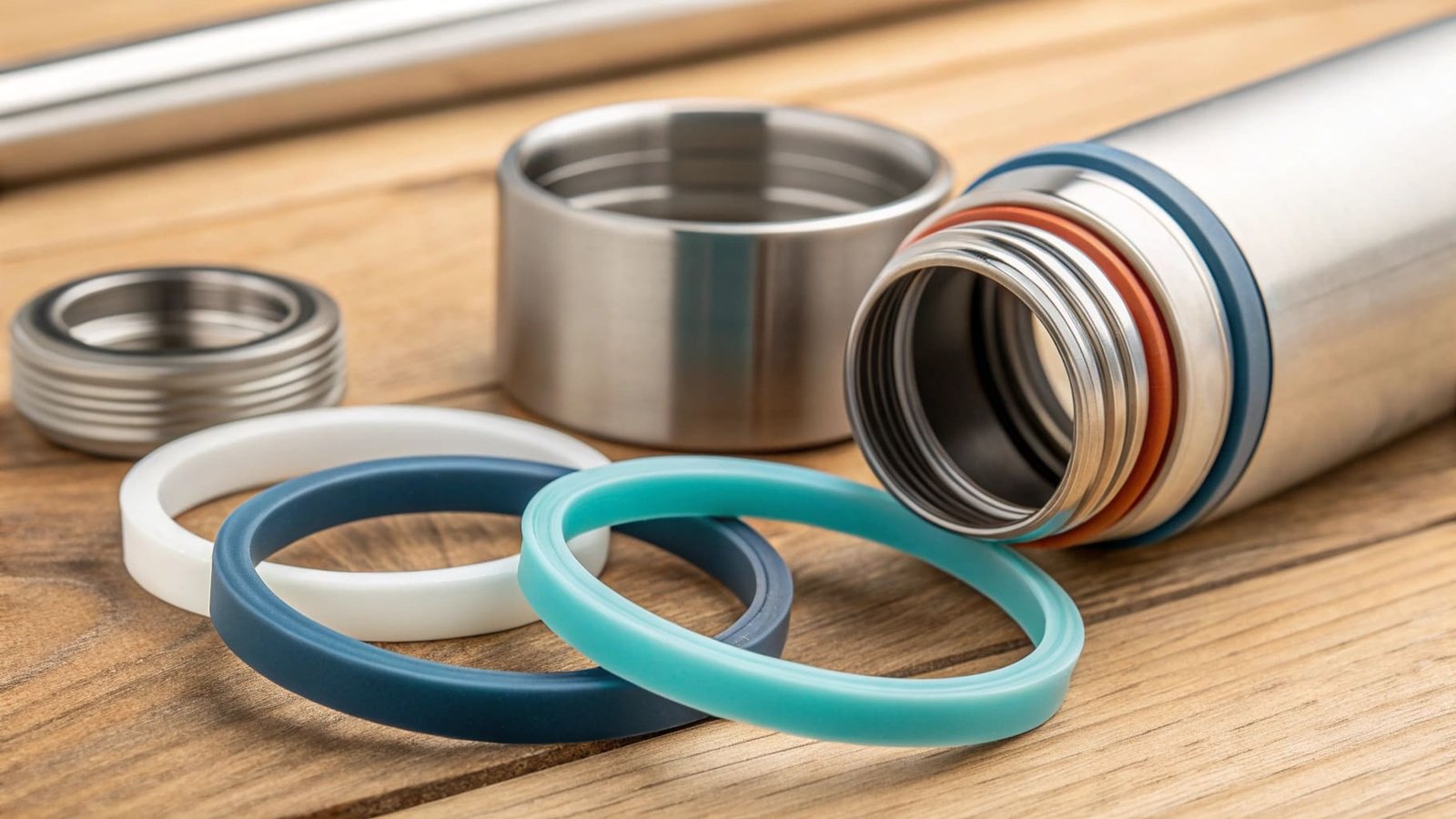
Material Selection Guide for B2B Buyers
I remember a client from Toronto who switched suppliers to save $0.05 per seal ring. Three months later, he faced a 12% return rate for vacuum failure. The cheaper supplier used peroxide-cured silicone2 that degraded quickly under thermal stress. This mistake cost him far more than the initial savings.
Let me show you the real differences:
Silicone Material Comparison
| Property | Platinum-Cured | Peroxide-Cured | Impact on Performance |
|---|---|---|---|
| Compression Set (22h at 175°C) | Below 15% | 20-30% | Seal longevity |
| Temperature Stability | Excellent | Good | Thermal cycling resistance |
| Taste/Odor | None | Slight | Customer satisfaction |
| Cost | Higher | Lower | Total value proposition |
| FDA Compliance | Standard | Variable | Market access |
The thickness interacts with material choice in ways many buyers miss. Platinum-cured silicone at 3mm thickness outperforms peroxide-cured at 3.5mm because it maintains elastic memory better. This means you can use less material while achieving superior performance.
I also see buyers confuse Shore A hardness with quality. They assume harder materials seal better. This is wrong for vacuum applications. A 40-50 Shore A hardness3 allows the seal ring to conform to minor surface irregularities in the tumbler lid and rim. This conformability matters more than rigidity when you need to maintain vacuum over thousands of opening and closing cycles.
At silijoy, we stock both materials but recommend platinum-cured for clients targeting premium markets in the United States and Canada. The material cost adds $0.08 to $0.12 per unit, but it eliminates warranty issues and builds brand loyalty. For budget segments, peroxide-cured works acceptably if you increase thickness to 3.5mm and accept a shorter service life.
One more thing about vacuum applications: silicone outperforms rubber alternatives because it maintains flexibility at low temperatures. If your customers store iced drinks, rubber seal rings can become brittle and lose sealing force. Silicone stays flexible down to -40°C, maintaining vacuum integrity regardless of beverage temperature.
The certification also matters for B2B buyers. I always provide FDA-compliant materials with full documentation. This protects you when selling into regulated markets and gives your customers confidence. Some suppliers offer cheaper materials without proper certification. This saves money upfront but creates huge problems if customs holds your shipment or regulators question your product safety.
Conclusion
Seal ring thickness between 2.5mm and 3.5mm, combined with platinum-cured silicone, delivers reliable vacuum performance. Focus on material quality and groove design rather than pressure ratings to ensure customer satisfaction and minimize returns.