How Do Silicone Straw Hole Plugs Reduce Spill Rates in Mass-Produced Tumblers?
You just lost 3% of your tumbler shipment to warranty claims. The culprit? Leaks through straw holes. I have seen this problem destroy profit margins and brand reputations overnight.
Silicone straw hole plugs1 reduce spill rates by creating a compression seal that adapts to temperature changes. The material flexibility prevents gaps while maintaining consistent pressure against the tumbler lid, blocking liquid escape routes even during transport vibration.
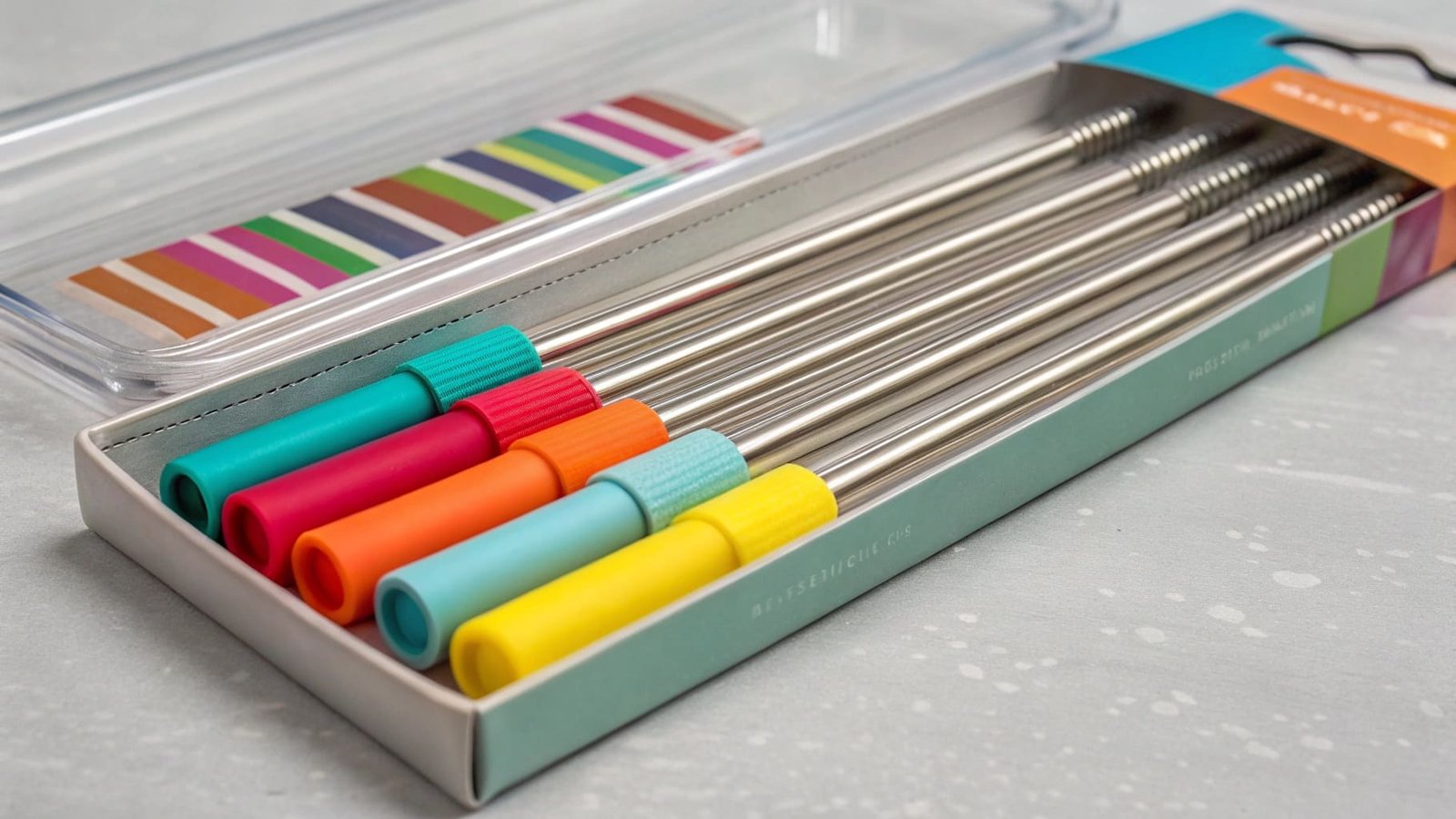
I started noticing this pattern five years ago. Every time I visited trade shows, buyers would pull me aside. They showed me photos of damaged shipments. The liquid had leaked through straw openings during shipping. Their customers returned entire orders. I realized the plug design was not just about convenience anymore. It became a critical quality control point2.
Are Silicone Straws Safe for Hot Drinks?
Your customer pours boiling tea into their new tumbler. The straw melts. They post a one-star review. You lose 20 potential buyers who read that review before purchasing.
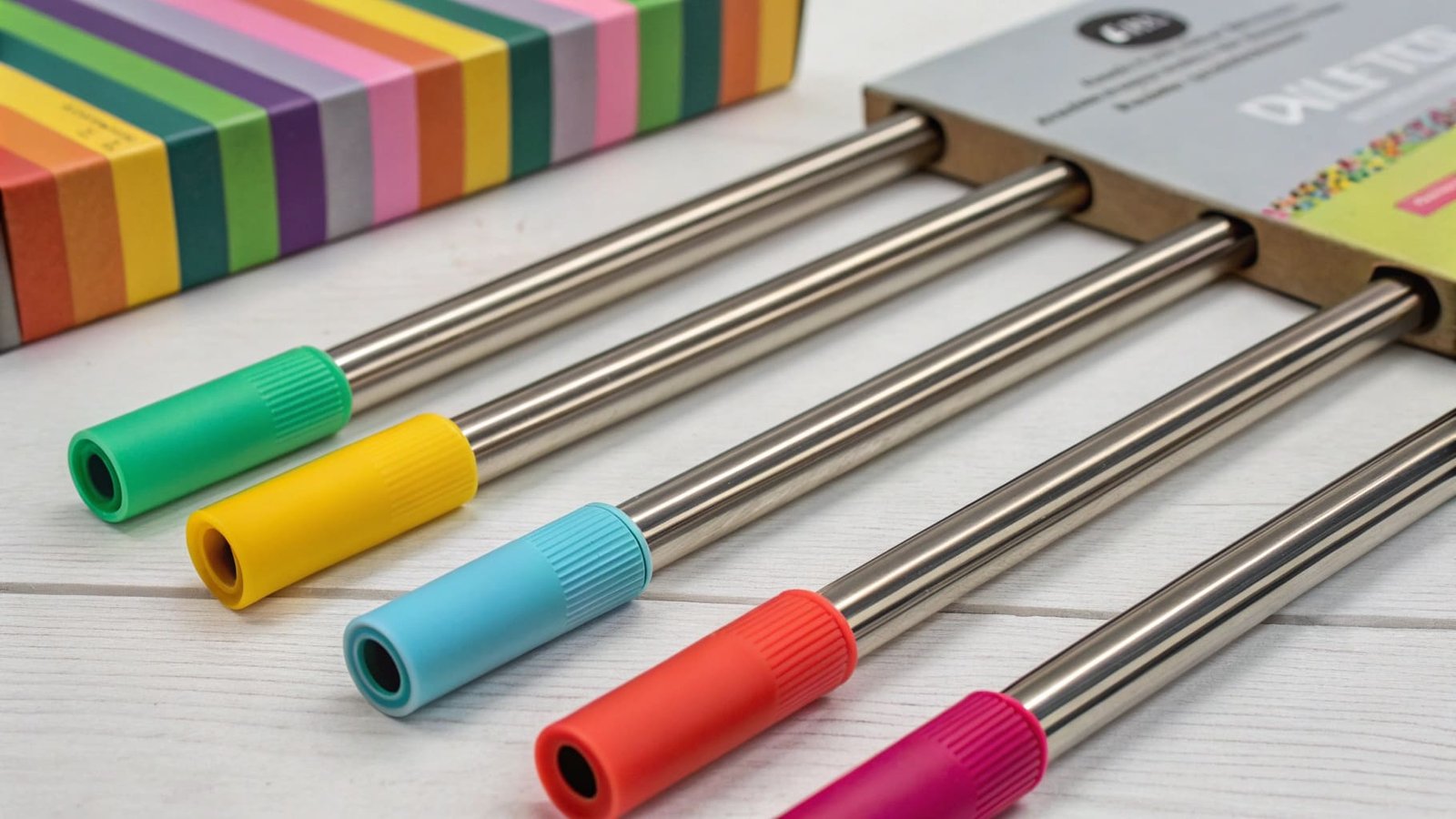
Yes, food-grade silicone straws3 withstand temperatures from -40°C to 230°C without degrading. Platinum-cured silicone maintains structural integrity and does not release odors or chemicals when exposed to hot beverages like coffee or tea.
Understanding Temperature Resistance
I remember a buyer from Toronto who questioned this exact point. He needed tumblers for a coffee chain. The straw plugs had to survive both hot espresso and frozen smoothies. I ran tests in my factory. We filled tumblers with water at different temperatures. We measured the plug deformation every hour.
The results showed something important. Peroxide-cured silicone started losing shape at 180°C. Platinum-cured versions stayed stable past 230°C. The difference matters for hot beverage users. Your customers will not know which curing method you used. They only know their straw failed or did not fail.
| Silicone Type | Max Temperature | Odor Release | Cost Difference |
|---|---|---|---|
| Peroxide-cured | 180°C | Possible at high heat | Baseline |
| Platinum-cured | 230°C | None | +15-20% |
| Mixed-cure | 200°C | Minimal | +8-12% |
Heat Stability in Real Use
Here is what most suppliers will not tell you. The straw hole plug experiences more thermal stress than the straw itself. Hot liquid sits directly against this seal point. Steam builds pressure. The plug must maintain its grip while expanding slightly from heat.
I test this by filling tumblers with 95°C water. I seal them with plugs. I turn them upside down for 30 minutes. Quality plugs show zero drips. Poor ones leak within 10 minutes. The failure happens because the material softens too much. It loses compression force against the lid surface.
Are Reduce Tumblers Leak Proof?
Your warehouse ships 5,000 tumblers overseas. The container arrives. Your buyer opens it. 150 units have leaked during the three-week journey. The damage costs eat your entire profit margin.
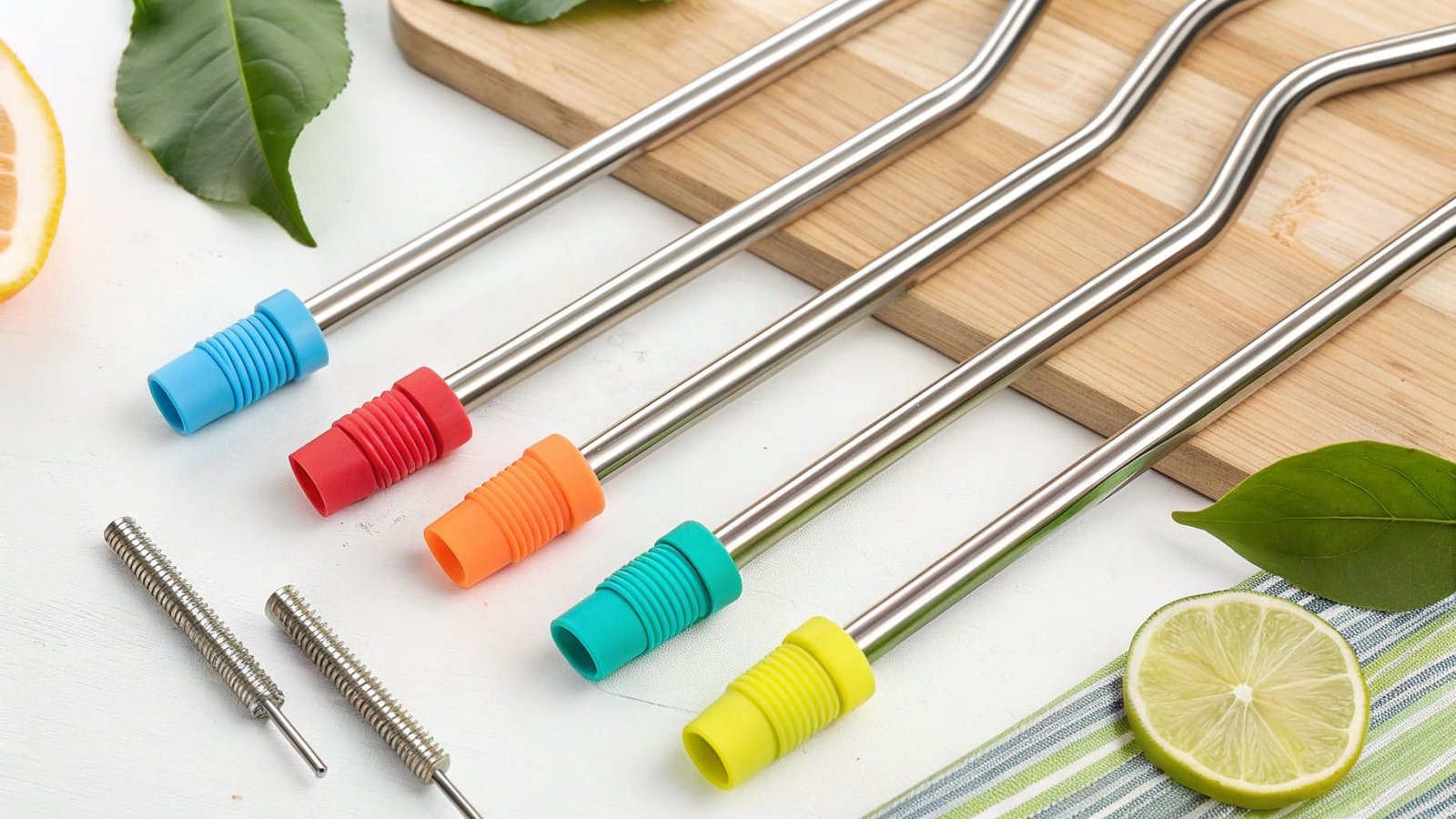
Tumblers become leak-proof when silicone plugs create 15-25% compression ratios against lid openings. This engineered pressure maintains seal integrity through shipping vibrations, temperature fluctuations, and pressure changes without requiring excessive insertion force.
The Science of Compression Seals
I learned about compression ratios the hard way. Three years ago, I sent a shipment to a customer in Germany. They specialized in corporate gifts. The tumblers leaked during air freight. The investigation revealed my plugs used only 10% compression. The cabin pressure changes broke the seal.
I redesigned the plug geometry. I increased the compression to 18%. The next shipment had zero failures. But I had another problem. Customers complained the plugs were too hard to insert. I had gone too far in the other direction. I found the sweet spot at 20% compression with a tapered entry design.
Testing Protocols That Matter
Most suppliers test 10 or 20 units. That sample size tells you nothing about mass production consistency. I test minimum 1,000 units per production run. I use automated leak detection equipment. The system pressurizes each tumbler to 0.5 bar. It holds that pressure for 60 seconds. Any pressure drop indicates a leak.
| Test Parameter | Industry Standard | My Requirement | Why It Matters |
|---|---|---|---|
| Sample size | 20-50 units | 1,000+ units | Catches batch variations |
| Pressure test | 0.3 bar | 0.5 bar | Simulates real transport stress |
| Duration | 30 seconds | 60 seconds | Reveals slow leaks |
| Acceptable failure rate | <2% | <0.5% | Protects brand reputation |
Real-World Failure Points
Leaks happen at three critical moments. First, during initial filling when users push the plug aside. Second, during temperature changes when materials expand or contract at different rates. Third, during physical impacts like drops or rough handling.
I address these through design features. The plug has a retention groove that prevents accidental removal. The silicone grade maintains flexibility across temperature ranges. The plug thickness absorbs impact energy without permanent deformation. These details sound minor. They determine whether your product succeeds or fails in the market.
Are Silicone Straws Environmentally Friendly?
Your marketing team wants to claim eco-friendly credentials. Your buyer asks for sustainability data. You realize you cannot answer basic questions about the product lifecycle and environmental impact.
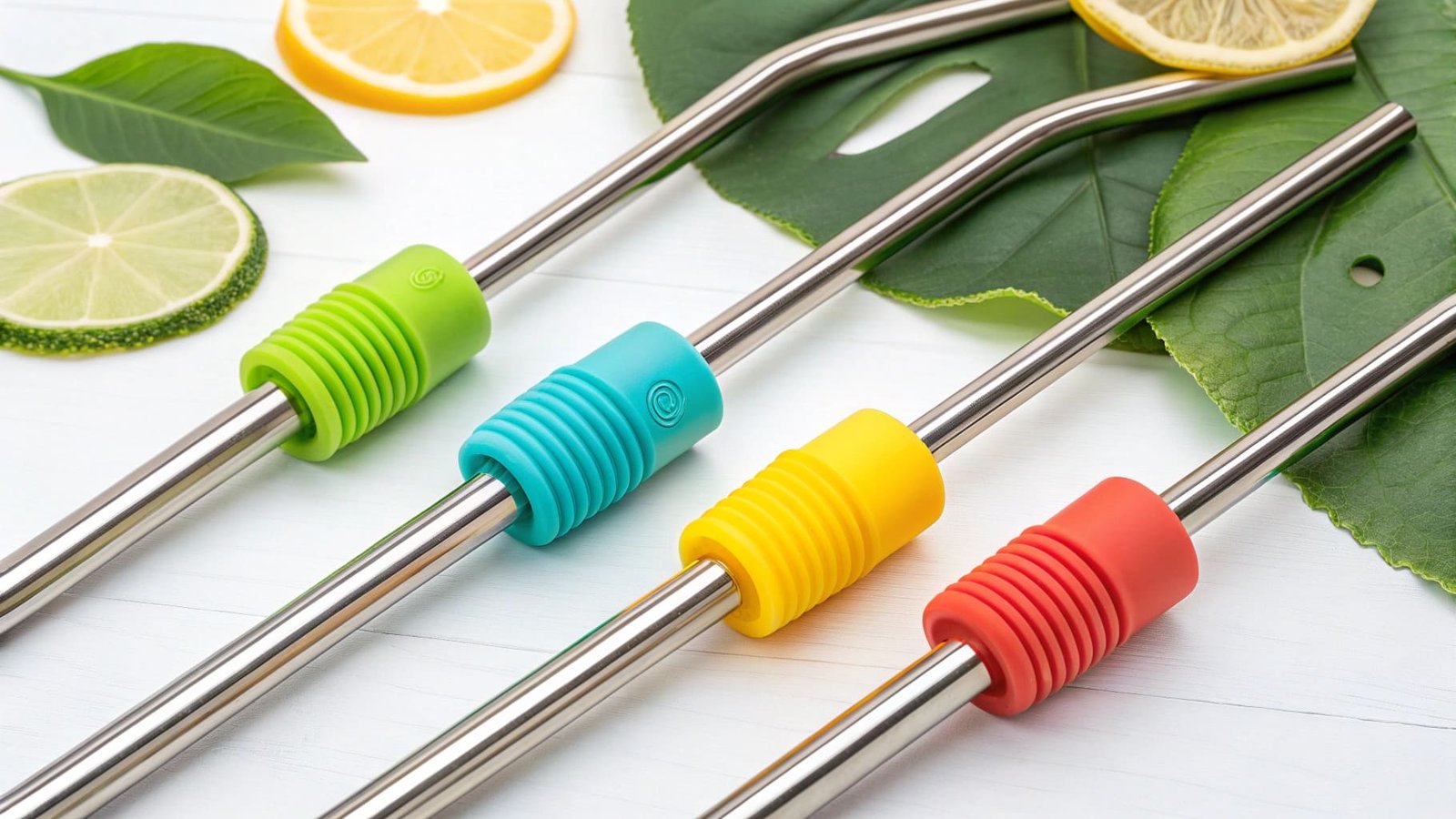
Silicone straws offer environmental benefits through durability and reusability rather than biodegradability. A quality silicone plug extends tumbler life by 3-5 years compared to cheaper alternatives, reducing replacement cycles and overall plastic consumption despite requiring specialized recycling facilities4.
The Durability Equation
I had a conversation last month with a buyer from California. She asked directly about environmental impact. She wanted to know if silicone was better than plastic. I gave her the honest answer. Silicone does not biodegrade quickly. It needs special recycling facilities. Most cities do not have them yet.
But here is the part that changed her perspective. A cheap plastic plug lasts maybe 6 months. Users throw away the entire tumbler when the plug fails. A platinum-cured silicone5 plug lasts 5 years or more. The tumbler stays functional. The user does not buy a replacement. That single plug prevents 8-10 tumblers from ending up in landfills.
Lifecycle Comparison
I ran calculations for a client who needed ESG reporting data. We compared three scenarios over a 5-year period. Scenario A used disposable plastic plugs replaced annually. Scenario B used standard silicone plugs replaced every 2 years. Scenario C used premium silicone plugs lasting the full 5 years.
| Scenario | Plug Replacements | Total Material Used | Tumblers Discarded | Overall Waste |
|---|---|---|---|---|
| Plastic (annual) | 5 times | 150g | 3 units | 3,150g |
| Standard silicone | 2 times | 60g | 1 unit | 1,060g |
| Premium silicone | 0 times | 30g | 0 units | 30g |
The premium silicone option reduced total waste by 99%. The math convinced the buyer. The higher upfront cost made sense when viewed through a lifecycle lens.
Certification and Claims
You cannot just claim environmental benefits. Your buyers need proof. I maintain FDA and LFGB certifications6. These documents verify food safety. They do not directly prove environmental claims. I also provide material composition reports. These show the silicone contains no harmful additives.
For recycling claims, I am honest about limitations. Silicone requires specialized facilities. Most municipal programs do not accept it. But the material itself can be downcycled into industrial products. Some companies collect used silicone products. They grind them into filler materials for construction.
Procurement Decision Framework
I help buyers evaluate suppliers on specific criteria. Shore A hardness between 40-60 provides optimal sealing. Too soft and the plug loses shape. Too hard and it becomes difficult to insert. I supply durometer test reports with each batch.
Customization flexibility matters for branding. But many suppliers compromise seal geometry to add logos. I use laser etching on the plug top surface. This preserves the critical sealing edges. The branding stays visible. The function stays intact.
Temperature certification documents prove performance claims. I provide test reports showing no degradation after 1,000 thermal cycles between -40°C and 230°C. These reports give buyers confidence for warranty decisions.
Conclusion
Silicone straw hole plugs transform leak prevention from a design afterthought into a measurable quality metric. The right specifications protect your profit margins and brand reputation.
-
Explore how these innovative plugs create a compression seal that prevents leaks, ensuring product quality. ↩
-
Understand the concept of quality control points and their importance in product reliability. ↩
-
Discover the safety and durability of food-grade silicone straws for hot beverages. ↩
-
Learn about the recycling process for silicone and its environmental implications. ↩
-
Find out why platinum-cured silicone is preferred for high-temperature applications. ↩
-
Understand the importance of certifications in ensuring the safety and quality of silicone products. ↩