Which Silicone Stretch Lid Sizes Drive Highest Demand in European Food Service Markets?
European food service buyers face waste management pressures. They need reusable solutions that work across different container types. The wrong lid sizes create operational headaches and increase costs.
Mid-range silicone stretch lids1 between 4 to 6 inches dominate European food service orders. Restaurants and catering businesses prefer these sizes because they fit standard prep bowls and ingredient containers while supporting EU sustainability requirements.

I work with procurement officers across Europe every week. They tell me the same story. Their kitchens need solutions that reduce plastic waste without slowing down service. Let me share what I learned from hundreds of B2B orders.
Are silicone stretch lids microwave safe?
Your kitchen staff needs to reheat food quickly. You worry about chemical leaching during heating. Equipment safety affects your business liability and customer health.
Quality food-grade silicone stretch lids handle temperatures from -40°F to 450°F. They work safely in microwaves when manufacturers use proper materials and meet LFGB or FDA certification standards.
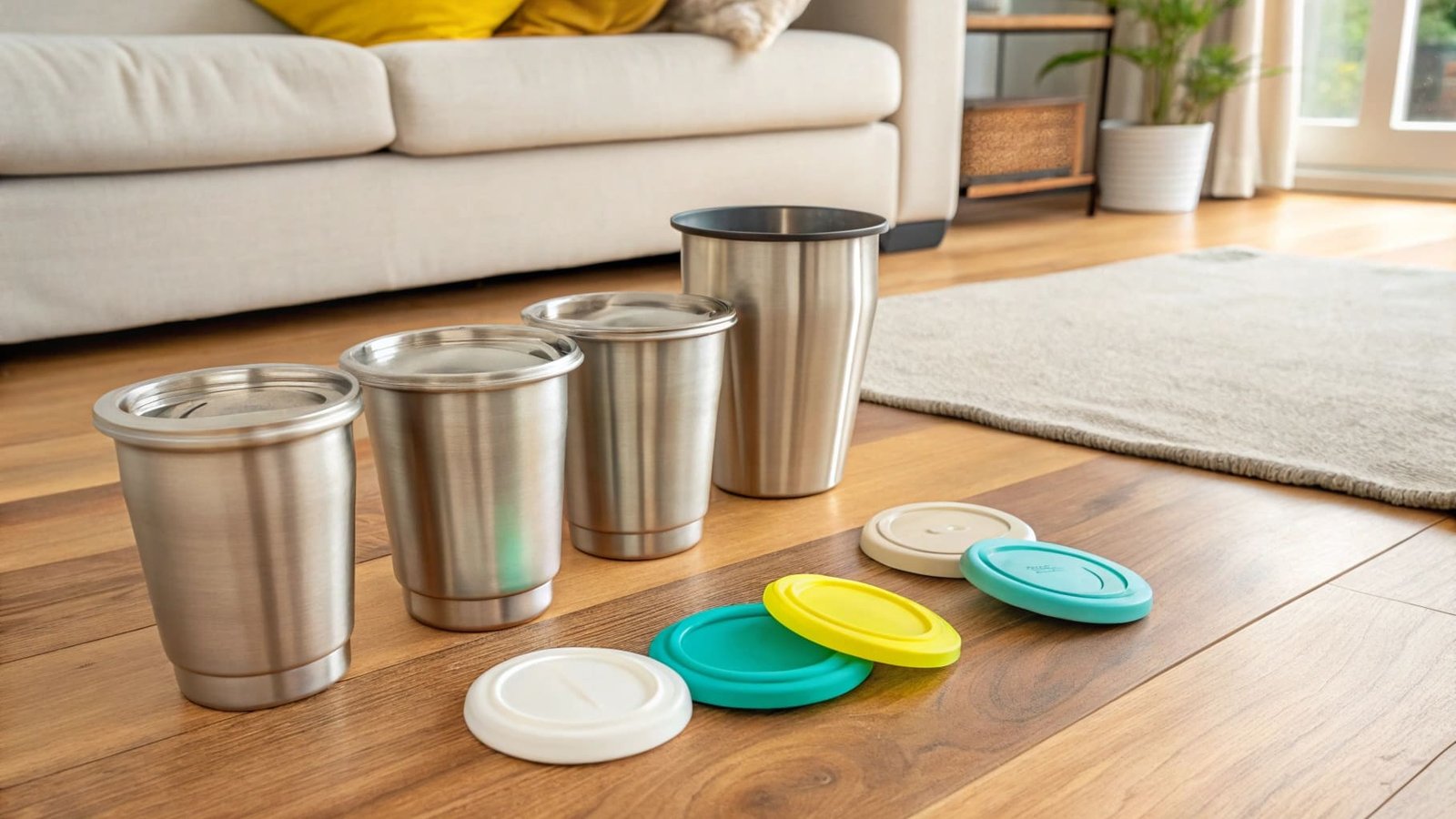
I remember when a hotel chain manager from Germany contacted me last spring. He needed 500 units but hesitated. His previous supplier's lids melted in their industrial microwaves. I sent him our test reports showing temperature resistance up to 450°F. He placed the order after seeing our LFGB certification2.
The key sits in material quality. Low-grade silicone breaks down under heat. This releases harmful substances into food. I test every batch we produce at silijoy. We expose samples to 400°F for 30 minutes repeatedly. Only batches that maintain structural integrity pass our quality control.
European buyers care deeply about certifications. LFGB certification matters most in Germany, France, and neighboring countries. FDA approval3 adds credibility for international chains. I keep both certificates updated and provide copies with every shipment. This saves my clients from regulatory headaches.
Temperature ratings mean nothing without proper usage guidelines. I tell buyers to avoid direct contact between lids and heating elements. The silicone should cover the container, not touch microwave walls or turntables. This simple instruction prevents 90% of heat-related issues.
What are the disadvantages of silicone cases?
You want cost-effective kitchen solutions. But every product has limitations. Understanding drawbacks helps you plan better and avoid operational problems.
Silicone stretch lids attract dust from static electricity and require regular degreasing. They work best within specified diameter ranges. Forcing them onto oversized containers reduces seal quality and shortens lifespan.
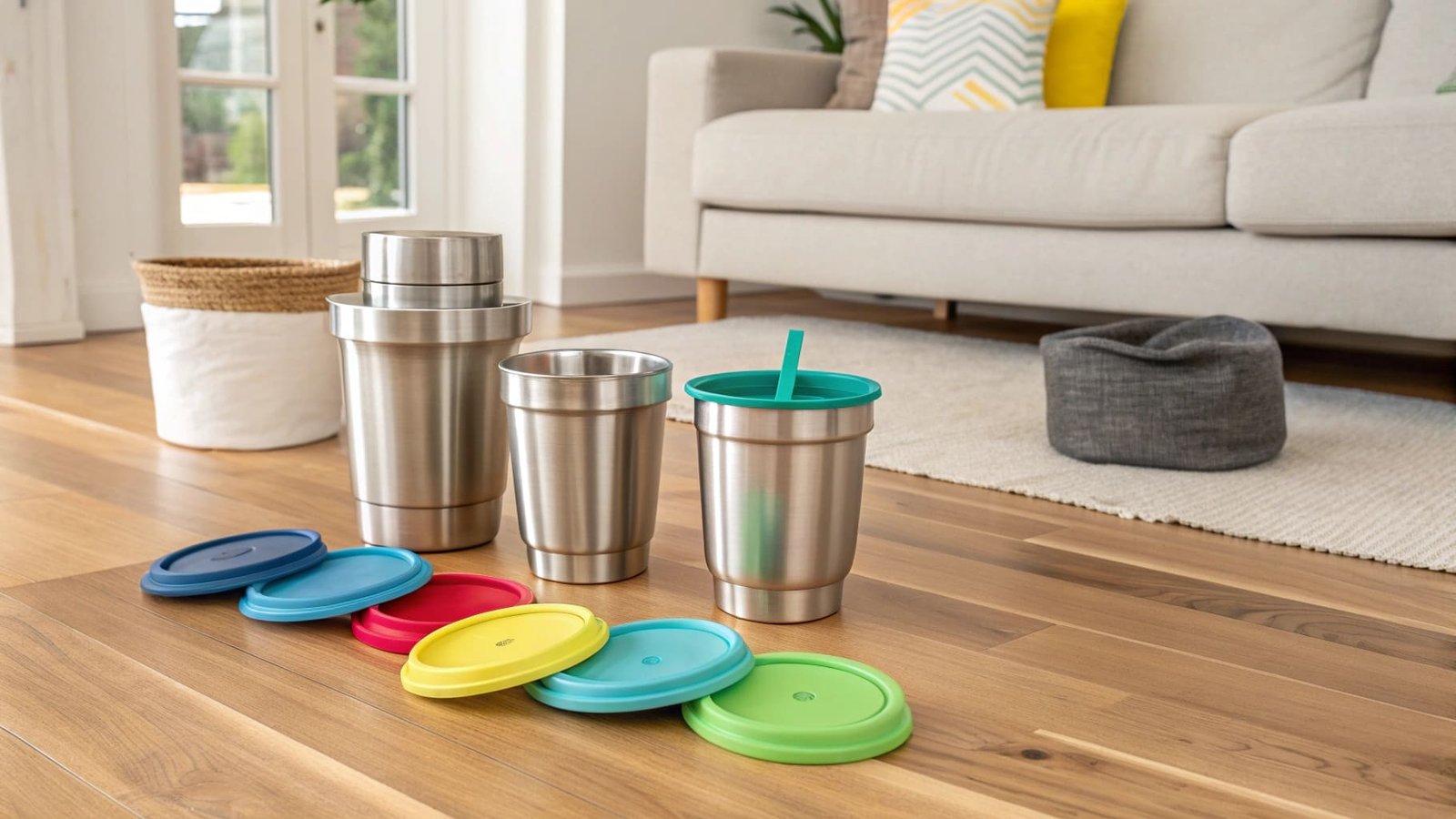
A restaurant owner from Amsterdam called me frustrated two years ago. His staff complained about dusty lids. I asked about their cleaning routine. They rinsed lids with water only. I explained that silicone surfaces hold oils from hands. These oils trap airborne particles.
I recommended a simple solution. Wash lids with mild dish soap and warm water after each shift. The degreasing action removes oil films. His team started this practice. The dust problem disappeared within days.
Sizing accuracy creates another challenge. Stretch lids work through tension. A 4-inch lid stretches to cover containers up to 5 inches. Push it beyond that range and the seal weakens. I saw this happen at a catering company in Belgium. They used 6-inch lids on 8-inch bowls. The lids slipped off during transport. Food spilled. They lost money and time.
I now provide clear sizing charts with every order. The charts show minimum and maximum container diameters for each lid size. This prevents misuse. My clients appreciate this guidance. It helps their staff choose the right lid the first time.
Material memory poses a third limitation. Silicone returns to its original shape after stretching. But repeated overstretching causes permanent deformation. The lid becomes loose and loses sealing ability. I recommend replacing lids every 6 to 12 months in high-use commercial settings. This maintains food safety standards and prevents leakage incidents.
Do silicone cases attract dust?
Your kitchen maintains strict hygiene standards. Dusty equipment looks unprofessional. You need storage solutions that stay clean between uses.
Yes, silicone stretch lids attract dust due to static electricity properties. The material generates static during handling. This pulls airborne particles to the surface. Regular washing with degreasing agents solves this issue effectively.
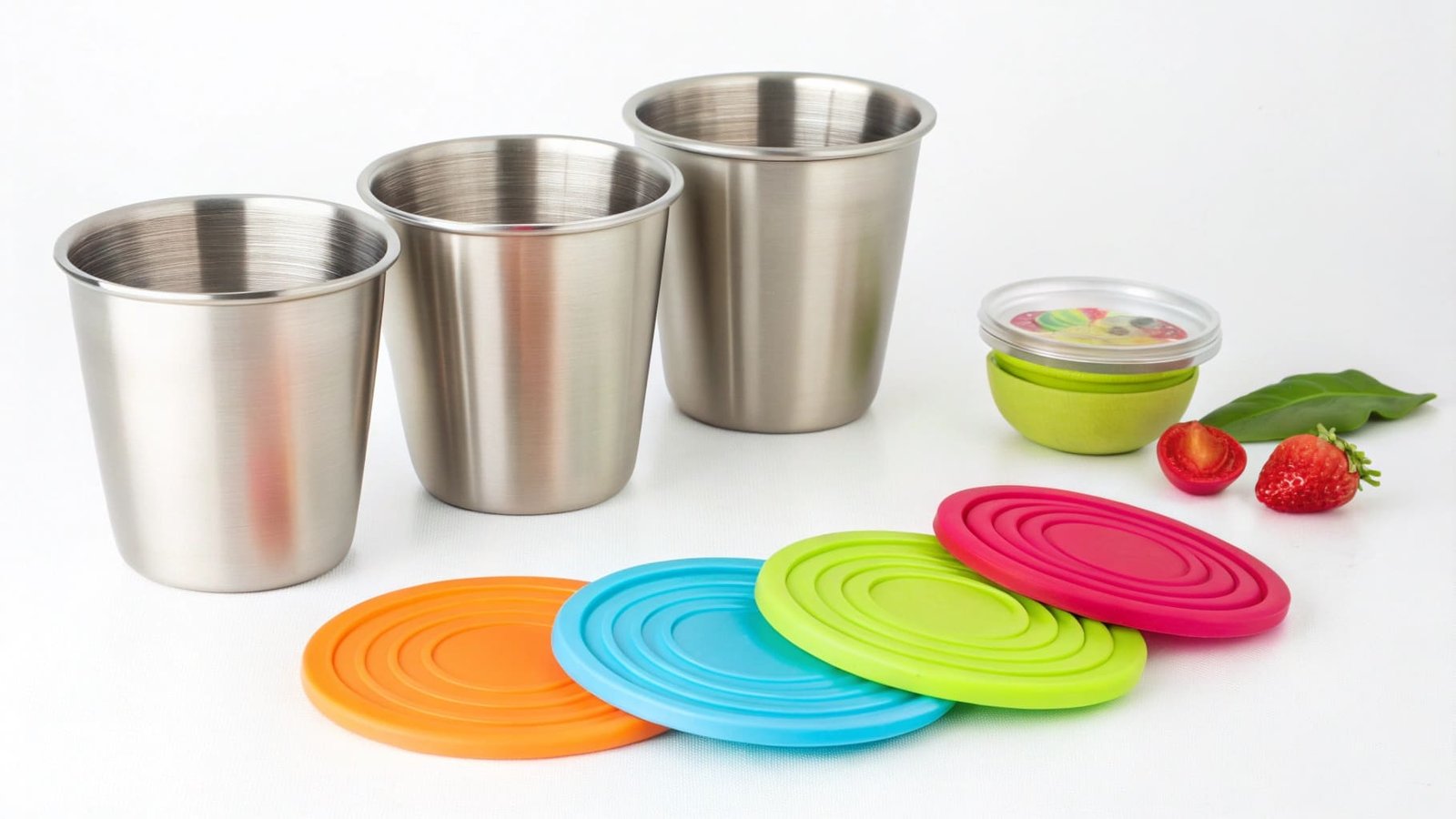
I visited a hospital kitchen in France last year. Their head chef showed me their lid storage system. They washed all silicone products daily with commercial dish soap. Then they stored lids in closed drawers. This two-step approach kept lids dust-free.
The static problem intensifies in dry environments. Winter heating systems reduce humidity. This increases static electricity. I noticed this pattern in orders from Nordic countries. Buyers from Sweden and Norway requested extra cleaning instructions. I created a maintenance guide specifically for dry climate conditions.
Surface texture affects dust attraction levels. Smooth silicone attracts less dust than textured surfaces. At silijoy, we manufacture lids with smooth finishes. This reduces particle adhesion. But even smooth silicone needs proper care.
Storage methods matter enormously. Leaving lids on open shelves exposes them to dust continuously. I recommend closed containers or drawers for storage. Some clients use plastic bins with lids. Others hang silicone lids on hooks inside cabinet doors. Both methods work well.
Oil residue from hands accelerates dust buildup. Kitchen staff handle ingredients with oils and fats. These transfer to lids during use. The oil layer acts like glue for dust particles. I emphasize hand washing before handling clean lids. This simple habit cuts dust problems by half.
Anti-static sprays exist but I discourage their use in food service. These sprays contain chemicals that might contaminate food. Proper washing remains the safest and most effective solution. It costs nothing extra and maintains food safety standards.
Conclusion
European food service markets favor 4 to 6-inch silicone stretch lids for versatility and sustainability. Quality certifications, proper sizing, and maintenance protocols ensure long-term value for commercial buyers.