How Do Silicone Stretch Lids Perform in Commercial Dishwasher Bulk Cleaning Tests?
I see many buyers struggle with this. They order silicone stretch lids that work fine at home but fail within weeks in their commercial kitchens. The difference between home and commercial dishwashers destroys inferior products fast.
Platinum-cured silicone stretch lids1 survive 500-plus commercial wash cycles at 180-195°F. Lower-grade peroxide-cured versions show discoloration and brittleness after just 100-200 cycles. Commercial dishwashers use aggressive alkaline detergents that break down poor-quality silicone quickly.
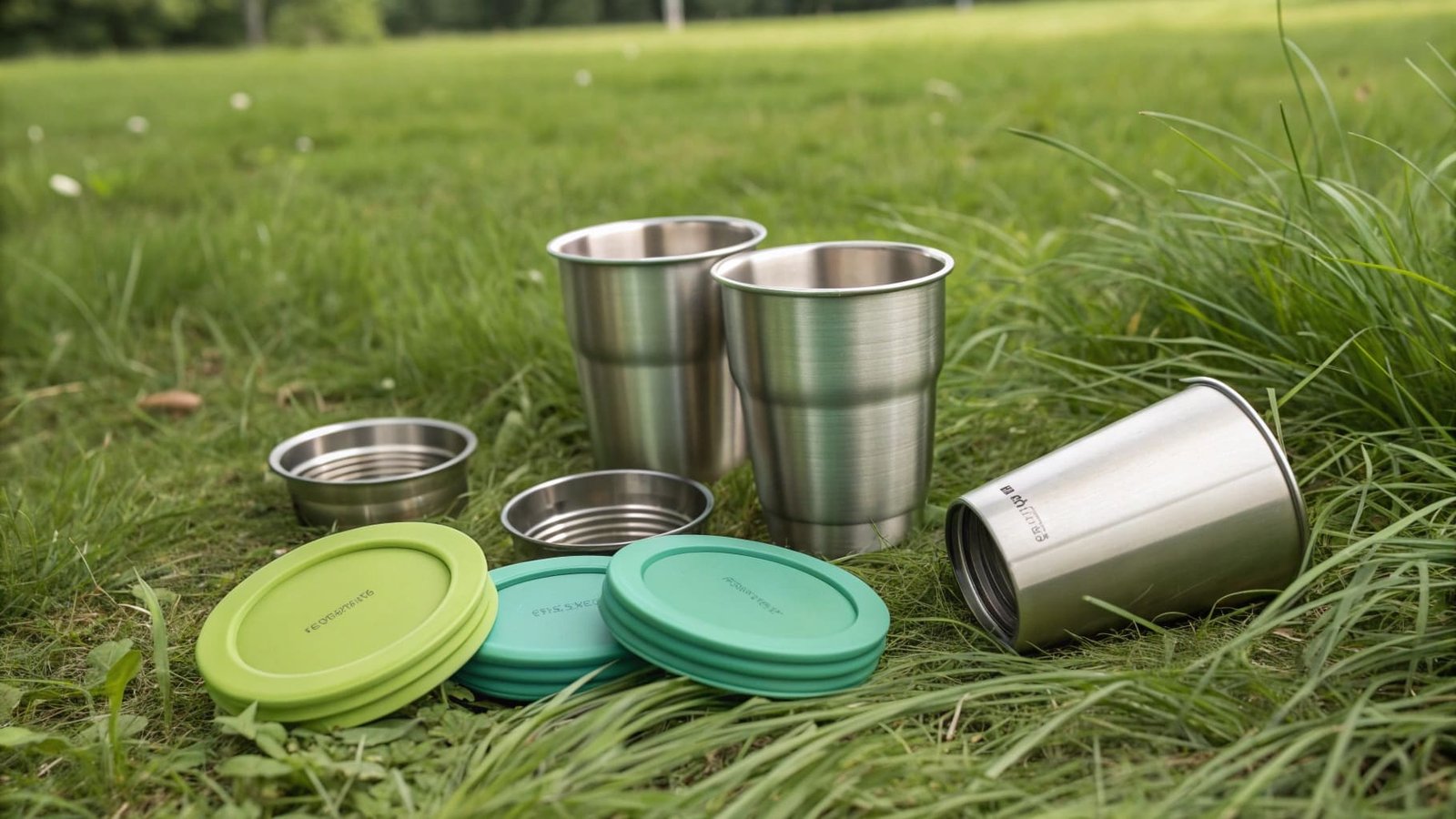
I learned this the hard way years ago. A restaurant chain buyer ordered from a competitor promising "dishwasher safe" lids. Three months later, half the lids were stiff and wouldn't seal. They came to me asking what went wrong. The supplier never tested in actual commercial conditions.
Are silicone stretch lids dishwasher safe?
Most silicone stretch lids claim dishwasher safety. But this claim means nothing without knowing which type of dishwasher. Home dishwashers run at 140-160°F. Commercial dishwashers blast at 180-195°F with industrial-strength chemicals.
Not all "dishwasher safe" labels are equal. You need lids specifically tested for commercial dishwasher environments. Look for documentation showing performance after repeated high-temperature cycles. Standard home dishwasher claims won't protect your business investment.

What makes silicone stretch lids truly dishwasher safe for commercial use?
The curing process determines everything. I manufacture using platinum-cured silicone2 exclusively for commercial clients. This material costs more but survives harsh conditions.
Platinum-cured silicone resists alkaline detergents. Commercial dishwashers use chemicals that would dissolve weaker materials. The molecular structure of platinum-cured silicone stays stable even when exposed to these aggressive cleaners repeatedly.
Temperature tolerance matters just as much. Commercial dishwashers hit 195°F during sanitization cycles. Peroxide-cured silicone starts breaking down around 180°F. I've seen lids from other suppliers arrive brittle after just 50 commercial cycles.
Elasticity retention is the third factor. Your lids need to stretch and seal properly even after hundreds of washes. I test my stretch lids for tensile strength after 500 cycles. They maintain 95% of their original stretch capability.
| Performance Factor | Platinum-Cured | Peroxide-Cured | Home-Grade |
|---|---|---|---|
| Max Safe Temp | 195°F | 175°F | 160°F |
| Cycles Before Degradation | 500+ | 100-200 | 50-100 |
| Alkaline Resistance | Excellent | Fair | Poor |
| Elasticity Retention | 95% | 70% | 50% |
Certification matters for commercial buyers. I provide FDA and LFGB documentation3. These standards require extensive testing including dishwasher durability. Suppliers without proper certification often fail commercial kitchen demands.
How to use silicone stretch lids?
Many commercial kitchen staff misuse silicone stretch lids. This causes premature failure even with quality products. I always provide clear instructions to my B2B clients because proper usage extends product life significantly.
Pre-rinsing removes heavy food residue before dishwasher loading. Grease and thick sauces create barriers that prevent proper cleaning. Your staff should scrape containers clean first. This simple step prevents buildup on the lids.
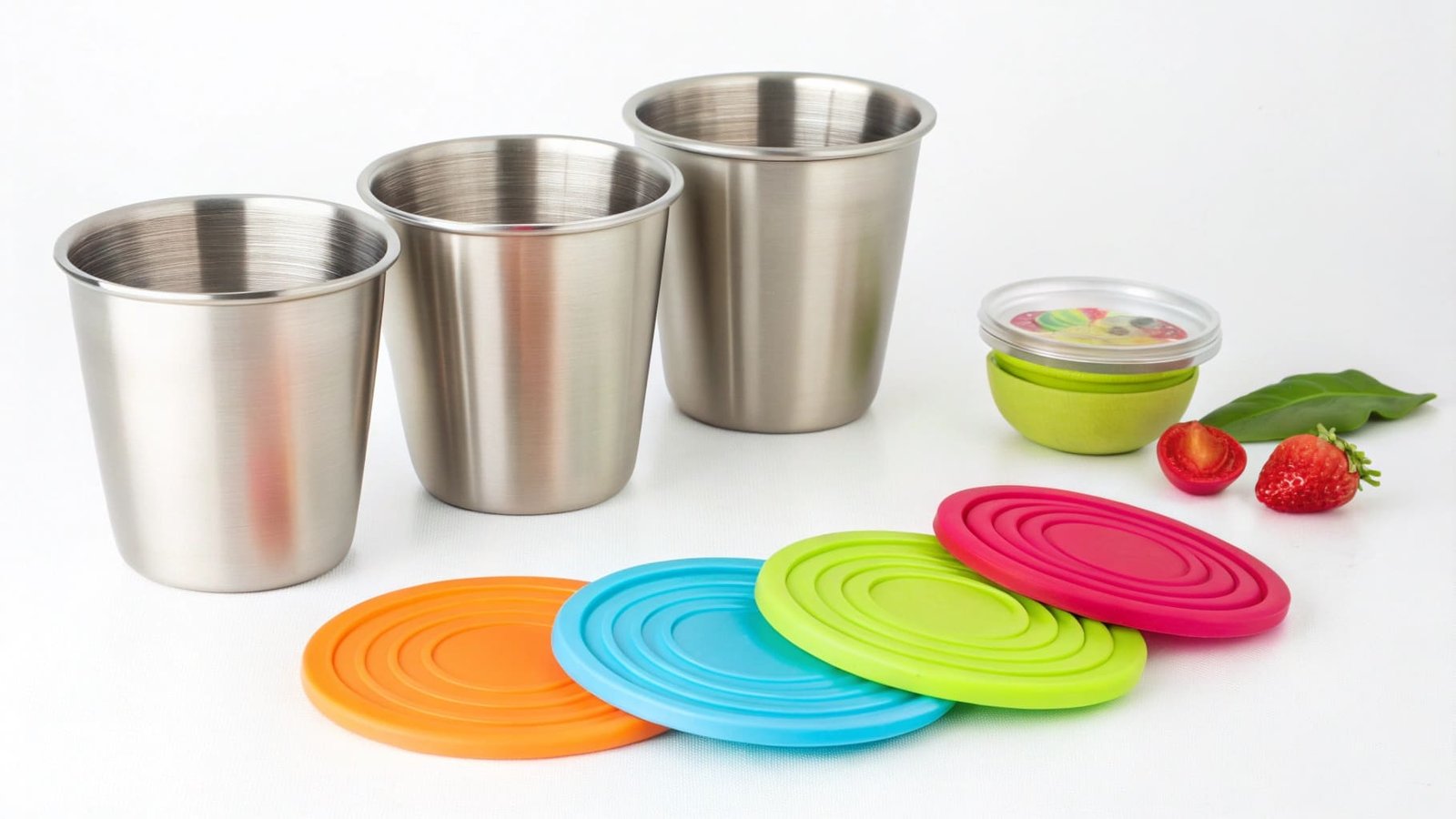
Best practices for commercial kitchen environments
Rack spacing prevents overcrowding issues. I've visited restaurant kitchens where staff cram hundreds of items into one dishwasher load. Water can't circulate properly. The lids don't get clean and heat distribution becomes uneven.
Load lids with the curved side facing down. This allows water to drain off instead of pooling inside. Pooled water carries detergent residue that weakens silicone over time. Your staff needs this specific loading instruction.
Avoid mixing silicone lids with heavy cookware in the same cycle. Large pots and pans can crush or deform the lids during the wash. I recommend dedicating one rack section specifically for silicone products. This protects them from physical damage.
Temperature selection requires attention. Some commercial dishwashers offer multiple heat settings. Use the standard sanitization cycle. Extra-hot settings above 200°F aren't necessary and may reduce lid lifespan unnecessarily.
Cooling time matters more than people realize. Don't remove hot lids immediately after the cycle ends. Let them cool naturally in the dishwasher for 10-15 minutes. Thermal shock from rapid cooling can stress the material.
Storage affects long-term performance too. Stack clean lids loosely rather than nesting them tightly together. Tight stacking while still warm can cause permanent deformation. Your kitchen needs adequate shelf space for proper storage.
| Usage Step | Correct Method | Common Mistake | Impact on Lifespan |
|---|---|---|---|
| Pre-cleaning | Scrape containers | Skip this step | Reduces 30% |
| Loading | Space items apart | Overcrowd rack | Reduces 25% |
| Cycle selection | Standard sanitize | Extra-hot setting | Reduces 20% |
| Cooling | Wait 10-15 min | Remove immediately | Reduces 15% |
| Storage | Stack loosely | Nest tightly | Reduces 10% |
Can 100% silicone go in the dishwasher?
Yes, but quality determines survival. I see "100% silicone" labels everywhere. This term alone tells you nothing about commercial dishwasher performance. The silicone grade and curing method matter far more than the percentage.
Food-grade platinum-cured silicone handles commercial dishwasher conditions excellently. Industrial-grade or peroxide-cured silicone fails quickly despite being "100% silicone." Your supplier must specify the exact grade and curing process used.
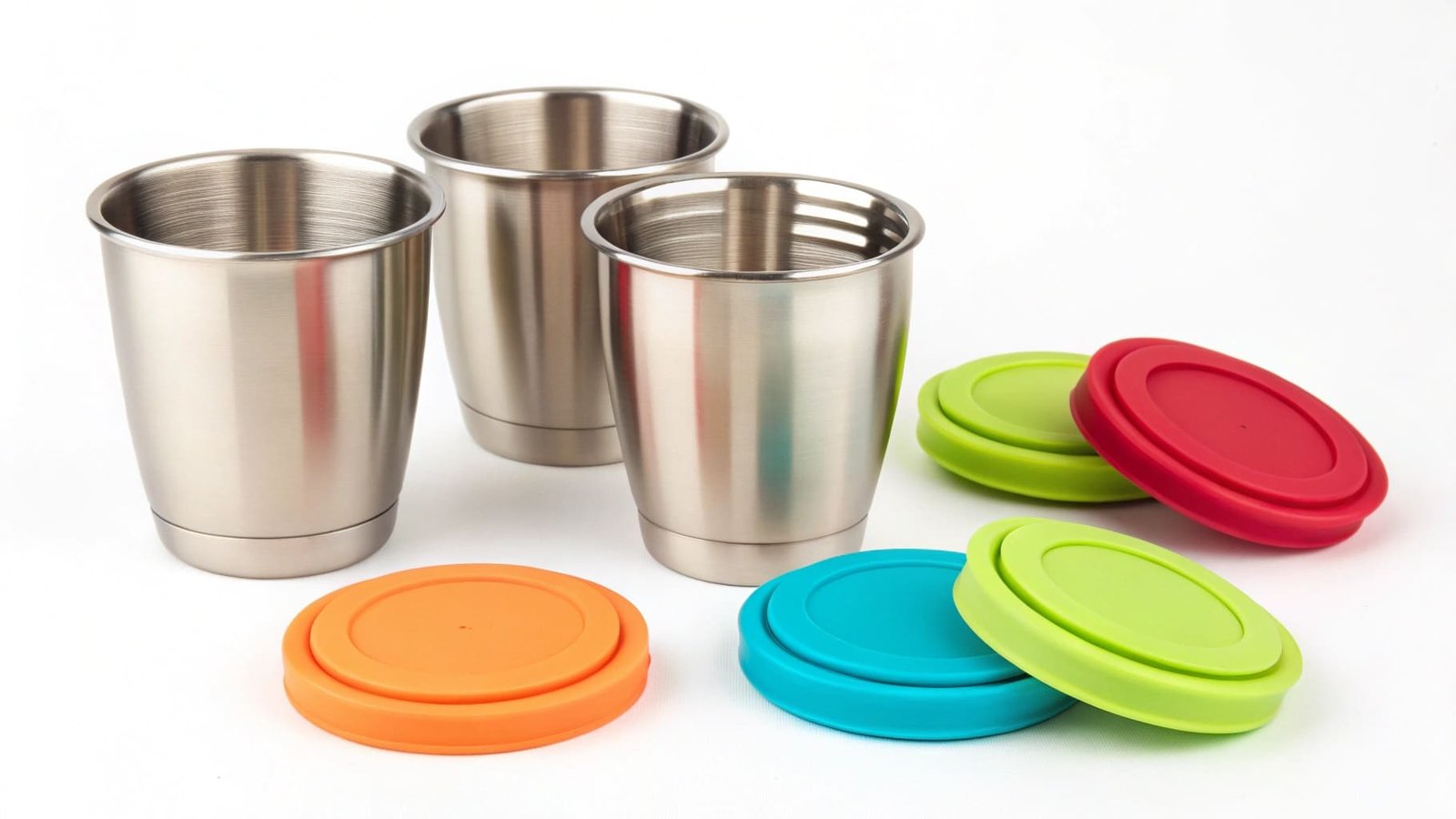
Understanding silicone grades for commercial applications
Food-grade certification is your first checkpoint. I manufacture exclusively with FDA-approved food-contact silicone. This grade undergoes testing for chemical leaching and heat stability. Non-food-grade silicone4 may contain fillers that break down in commercial dishwashers.
The platinum-curing process creates stronger molecular bonds. This method uses platinum catalysts instead of peroxide. The resulting material resists chemical degradation better. I can prove this with side-by-side testing documentation.
Tensile strength measurements reveal quality differences. My silicone stretch lids maintain 450-500 psi tensile strength after 500 commercial cycles. Lower-grade products drop to 200-300 psi within 100 cycles. This loss directly impacts sealing performance.
Shore A hardness5 affects both stretch and durability. I use 40-50 Shore A silicone for commercial stretch lids. This range provides optimal flexibility while maintaining structure. Too soft means poor shape retention. Too hard causes cracking.
Temperature range specifications separate quality tiers. My products perform from -40°F to 446°F. Commercial dishwashers only reach 195°F, leaving substantial safety margin. Cheaper silicone claims similar ranges but fails testing.
Request test reports from your supplier. I provide third-party lab results showing performance after extended commercial dishwasher exposure. These reports include tensile strength, elongation percentage, and chemical resistance data. Suppliers without documentation probably haven't done proper testing.
Watch for additive content in "100% silicone" products. Some manufacturers add fillers to reduce costs. These additives may leach out during repeated high-temperature washing. Pure platinum-cured silicone contains no fillers that can separate or degrade.
Conclusion
Commercial dishwasher performance requires platinum-cured food-grade silicone, proper usage protocols, and verified testing documentation. Don't accept generic "dishwasher safe" claims without commercial-grade proof.
-
Explore options that ensure durability and performance in commercial kitchens. ↩
-
Learn why platinum-cured silicone is superior for commercial applications. ↩
-
Find out why certification is crucial for commercial kitchen supplies. ↩
-
Understand the significance of using food-grade materials in kitchen products. ↩
-
Learn how hardness affects the flexibility and durability of silicone products. ↩