Should OEM Buyers Request Tensile Strength Data for High-Performance Silicone Boots?
I learned a hard lesson three years ago when a Canadian buyer returned 5,000 silicone tumbler boots. They cracked at the seams after two months. The problem was simple - I never checked the tensile strength data. That mistake cost me $12,000 and taught me why this number matters more than price.
Yes, OEM buyers should always request tensile strength data for high-performance silicone boots1. This data tells you if the material can handle stress without tearing. Products with 8-10 MPa tensile strength last years longer and protect your reputation better than cheaper alternatives.
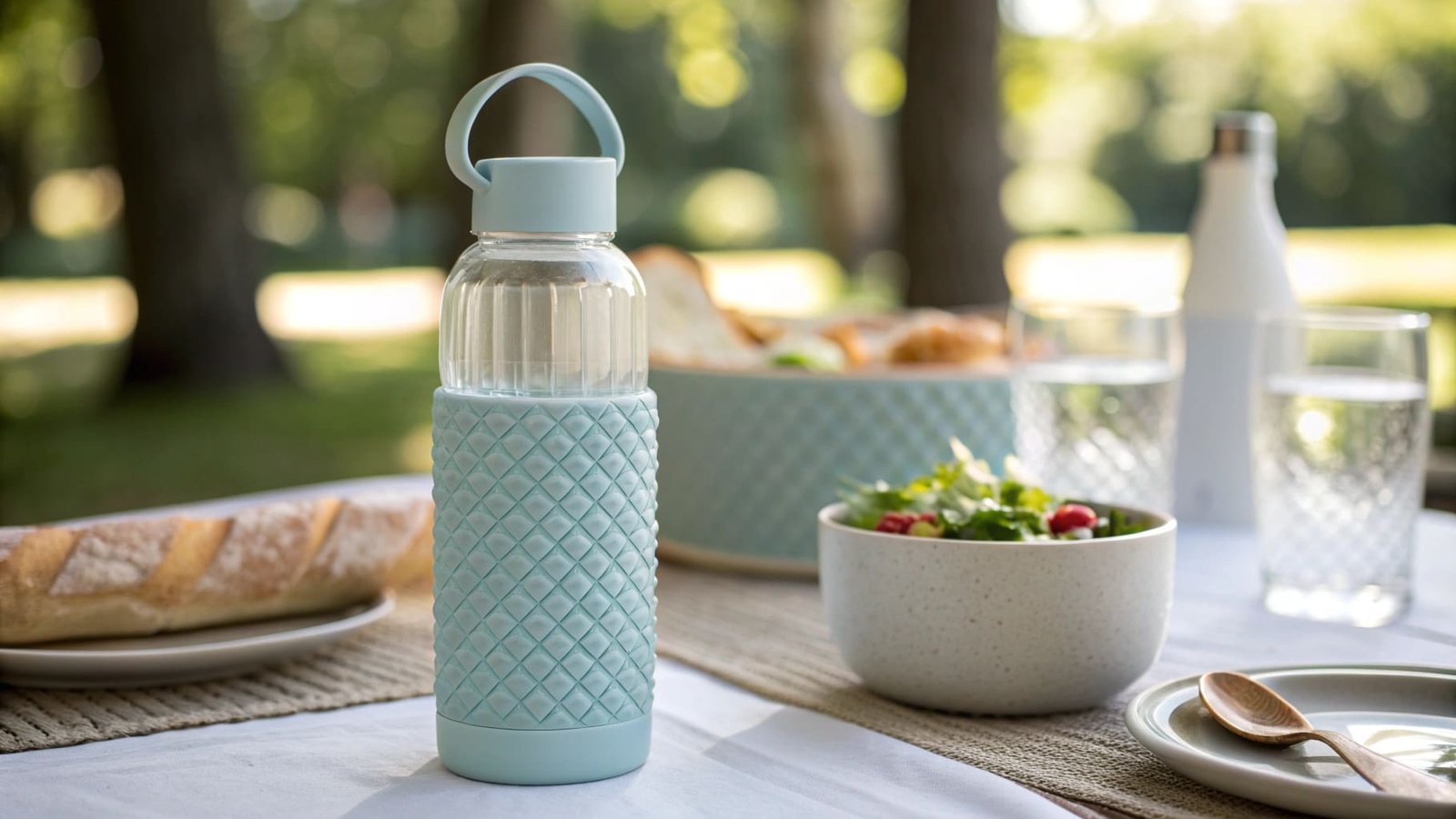
I remember sitting in my office that day, looking at photos of cracked boots. The buyer was frustrated. I was embarrassed. That's when I realized technical specs are not just numbers on a paper. They predict real-world performance. Let me share what I learned about silicone waterproofing2, so you don't make the same mistakes I did.
Can You Use Silicone to Waterproof Boots?
Most buyers ask me if silicone really keeps water out. They worry because they've seen cheap silicone products fail. I understand that concern. I've tested dozens of samples from different factories. Some leak within weeks. Others stay dry for years.
Yes, silicone works excellently for waterproofing boots when the material quality is high. The silicone's molecular structure naturally repels water. But the waterproofing only lasts if the material has enough tensile strength to resist tears and cracks during normal use.
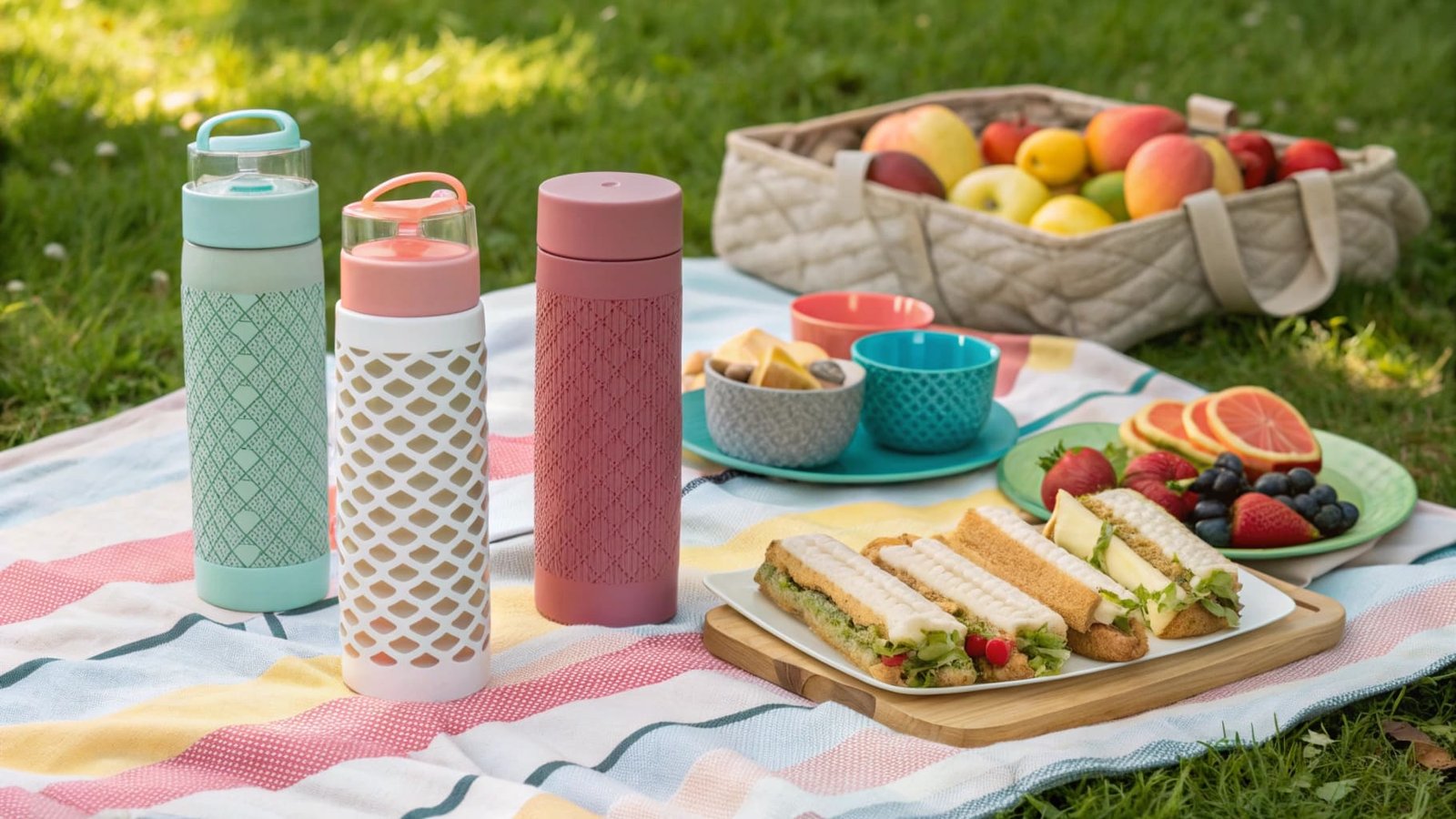
Why Silicone Works for Boot Waterproofing
Silicone rubber has a special property. The molecules in silicone don't like water. Water drops just roll off the surface. I've watched this happen in my lab tests. We pour water on silicone samples. The water beads up and slides away.
But here's what matters more for boots. The silicone needs to stay intact when you stretch it. Boots bend thousands of times. They flex at the ankle. They stretch around your shoes. Each time the silicone bends, stress builds up inside the material.
I once visited a factory in Shenzhen. They showed me two boot samples. Both looked identical. The first one had tensile strength of 6 MPa. The second had 9 MPa. We stretched both samples. The 6 MPa boot showed tiny cracks under a microscope. The 9 MPa boot stayed perfect.
Key Performance Indicators for Waterproof Silicone
| Property | Minimum Value | Recommended Value | Impact on Waterproofing |
|---|---|---|---|
| Tensile Strength | 6 MPa | 8-10 MPa | Prevents crack formation |
| Elongation at Break | 300% | 400-500% | Allows repeated stretching |
| Tear Strength | 20 kN/m | 30 kN/m | Resists puncture damage |
| Shore A Hardness | 40 | 50-60 | Balances flexibility and durability |
The table shows what I ask suppliers to provide. I learned these numbers from testing failed products. Each value connects directly to how long the waterproofing lasts.
How Long Does Silicone Stay Waterproof?
A buyer once told me his customers complained after six months. The boots started leaking. He blamed my factory. I asked for samples back. The silicone quality3 was poor. The tensile strength was too low. The boots developed micro-tears that let water through.
High-quality silicone boots with proper tensile strength maintain waterproof integrity for 3-5 years under normal conditions. Low-grade silicone may fail within 3-6 months. The difference comes from the material's ability to resist mechanical stress without developing cracks or tears.
What Determines Silicone Waterproof Lifespan
The lifespan depends on three main factors. First is the base material quality. I've seen factories use recycled silicone to cut costs. This silicone has lower tensile strength. It fails faster.
Second is the manufacturing process4. Proper vulcanization matters. I visited a factory last year that rushed the curing process. Their boots looked good. But the silicone molecules didn't bond completely. The boots failed in three months.
Third is how people use the boots. Boots that stretch over large shoes face more stress. Boots used in cold weather get brittle. Boots exposed to UV light degrade faster. But all these factors matter less when you start with high tensile strength.
Testing Methods I Use
I developed a simple test. We stretch the boot material 1,000 times. This simulates one month of daily use. Then we check for micro-tears under a microscope. Good silicone shows no damage. Poor silicone shows cracks.
I also do a water pressure test. We fill the boot with water. We apply pressure from inside. Good boots with high tensile strength hold 2 psi for 24 hours. Poor boots leak within hours.
Real Performance Timeline
| Time Period | High-Grade Silicone (8+ MPa) | Low-Grade Silicone (<6 MPa) |
|---|---|---|
| 0-6 months | Perfect waterproofing | Small cracks may appear |
| 6-12 months | No visible wear | Water seepage at stress points |
| 1-2 years | Excellent condition | Significant deterioration |
| 3-5 years | Still waterproof with care | Complete failure |
This timeline comes from my tracking data. I follow up with buyers every six months. I ask about product performance. The patterns are clear.
What Is the Disadvantage of Silicone Sealant?
I need to be honest about silicone's weaknesses. A buyer from Texas once asked why his boots tore on rough concrete. He thought I sold him bad products. I explained that silicone has natural limitations. Even high-quality silicone struggles with certain conditions.
Silicone has lower tear strength than rubber alternatives. It shows poor abrasion resistance on rough surfaces. It needs primers for adhesion to many materials. These disadvantages mean buyers must choose applications carefully and rely on high tensile strength to compensate for these weaknesses.
Understanding Material Limitations
Silicone excels at flexibility and waterproofing. But it's not the strongest material. I've tested silicone against natural rubber. Natural rubber wins in tear resistance. But natural rubber fails in temperature extremes where silicone works fine.
The problem for boots is abrasion. When you walk on concrete or rough floors, the bottom of the boot wears down. Silicone wears faster than rubber. This is just physics. The molecular structure that makes silicone flexible also makes it softer.
I learned this from a customer complaint. A warehouse worker used silicone boots on rough floors. The boots wore through in two months. We tested the tensile strength. It was fine at 9 MPa. But the abrasion resistance was the problem.
How to Work Around Silicone Disadvantages
Smart buyers pair silicone with other materials. I've seen boots with silicone tops for waterproofing and rubber bottoms for durability. This combination works well.
Another solution is increasing wall thickness in high-wear areas. I worked with a factory to make boot bottoms 20% thicker. The abrasion problem reduced significantly. The tensile strength stayed good. The boots lasted much longer.
Comparing Silicone to Alternatives
| Property | Silicone | Natural Rubber | TPU |
|---|---|---|---|
| Waterproofing | Excellent | Good | Excellent |
| Temperature Range | -60°C to 230°C | -30°C to 80°C | -40°C to 120°C |
| Tear Resistance | Moderate | High | Moderate |
| Abrasion Resistance | Low to Moderate | High | Very High |
| Cost per Kg | $8-12 | $3-5 | $6-9 |
| Typical Tensile Strength | 6-10 MPa | 15-25 MPa | 30-50 MPa |
This table helps buyers make informed choices. Silicone isn't always the best option. But for waterproofing with flexibility, it's hard to beat when you get the tensile strength right.
Conclusion
Tensile strength data predicts product success or failure. Request this data upfront. Verify it with independent testing. Your customers and your reputation depend on getting this right from the start.
-
Explore the features of high-performance silicone boots to make informed purchasing decisions. ↩
-
Discover the advantages of silicone waterproofing to enhance your footwear's longevity. ↩
-
Learn how to assess silicone quality to avoid poor performance in your purchases. ↩
-
Explore how manufacturing impacts silicone quality to ensure better product performance. ↩