How Does Neoprene Gasket Material Compare to Silicone for Weather Resistance?
I once lost a major contract because I recommended the wrong gasket material. The buyer's outdoor equipment failed after just six months. That taught me the real cost of material selection. Weather resistance is not just a spec sheet number.
Silicone gaskets outperform neoprene in weather resistance due to superior UV and ozone stability. Silicone maintains flexibility from -60°F to 450°F, while neoprene works best between -40°F to 250°F. For outdoor applications requiring 10+ years service life, silicone proves more reliable despite higher initial cost.
Many procurement officers struggle with this choice. The price difference seems significant at first. But material failure costs far more than the upfront savings. Let me share what I learned from working with hundreds of B2B clients at silijoy.
What is the Difference Between Neoprene and Silicone Rubber?
My clients often ask me this during their first sourcing call. They look at similar black gaskets and wonder why the price varies so much. The confusion is understandable because both materials seal effectively in many applications.
Neoprene is a synthetic rubber with excellent oil resistance and moderate temperature tolerance. Silicone is a polymer-based elastomer offering superior temperature range and weather stability. The core difference lies in their molecular structure, which determines how each material responds to environmental stress over time.
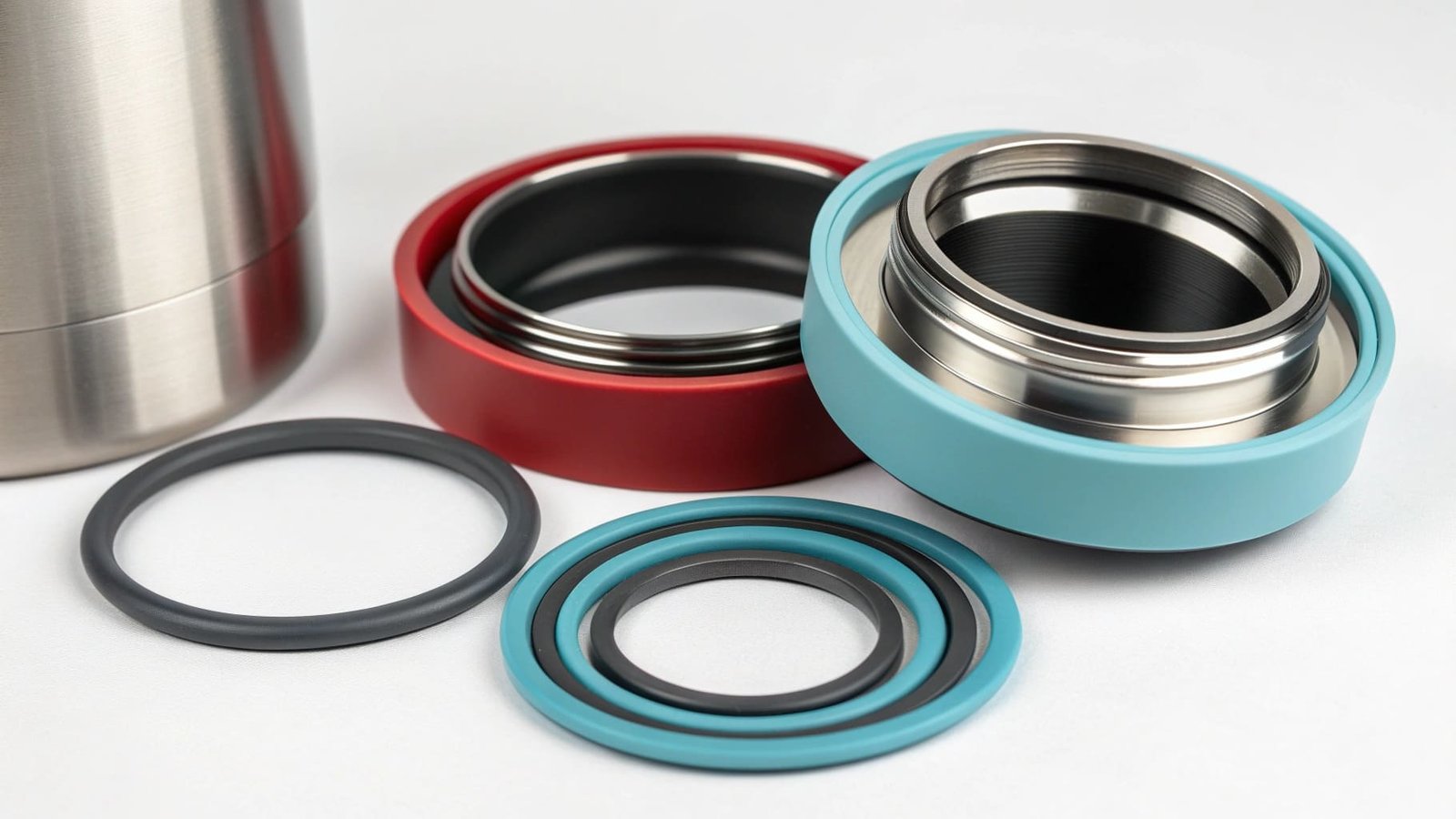
I remember one buyer from Toronto who purchased neoprene gaskets1 for outdoor LED displays. He saved 40% compared to silicone. Three years later, his team replaced every gasket because they had hardened and cracked. The labor cost and downtime exceeded his initial savings by five times.
The molecular structure explains everything. Neoprene contains carbon-carbon double bonds that break down under UV exposure. Silicone's silicon-oxygen backbone resists this degradation. This is not just chemistry. This is the difference between replacing gaskets every three years or every ten years.
Here is how they compare in real-world conditions:
| Property | Neoprene | Silicone |
|---|---|---|
| Temperature Range | -40°F to 250°F | -60°F to 450°F |
| UV Resistance | Moderate (degrades over time) | Excellent (minimal degradation) |
| Ozone Resistance | Fair (cracks with exposure) | Excellent (no cracking) |
| Oil Resistance | Excellent | Fair to Good |
| Cost per Unit | Lower (baseline) | 30-50% higher |
| Typical Service Life (outdoor) | 3-5 years | 10+ years |
The buyer needs to understand their actual application environment. Indoor machinery with oil exposure favors neoprene. Outdoor installations with temperature swings favor silicone. There is no universal best choice.
Are Neoprene Gaskets Waterproof?
A procurement officer from Vancouver once asked me this with visible frustration. His previous supplier had assured him neoprene gaskets were completely waterproof. Water still leaked through after six months of outdoor use. His company faced warranty claims from customers.
Yes, neoprene gaskets are waterproof when properly installed and compressed. They create an effective water barrier in most applications. However, long-term water exposure combined with temperature cycling and UV radiation gradually degrades the seal integrity. The material remains waterproof, but the installation may not.
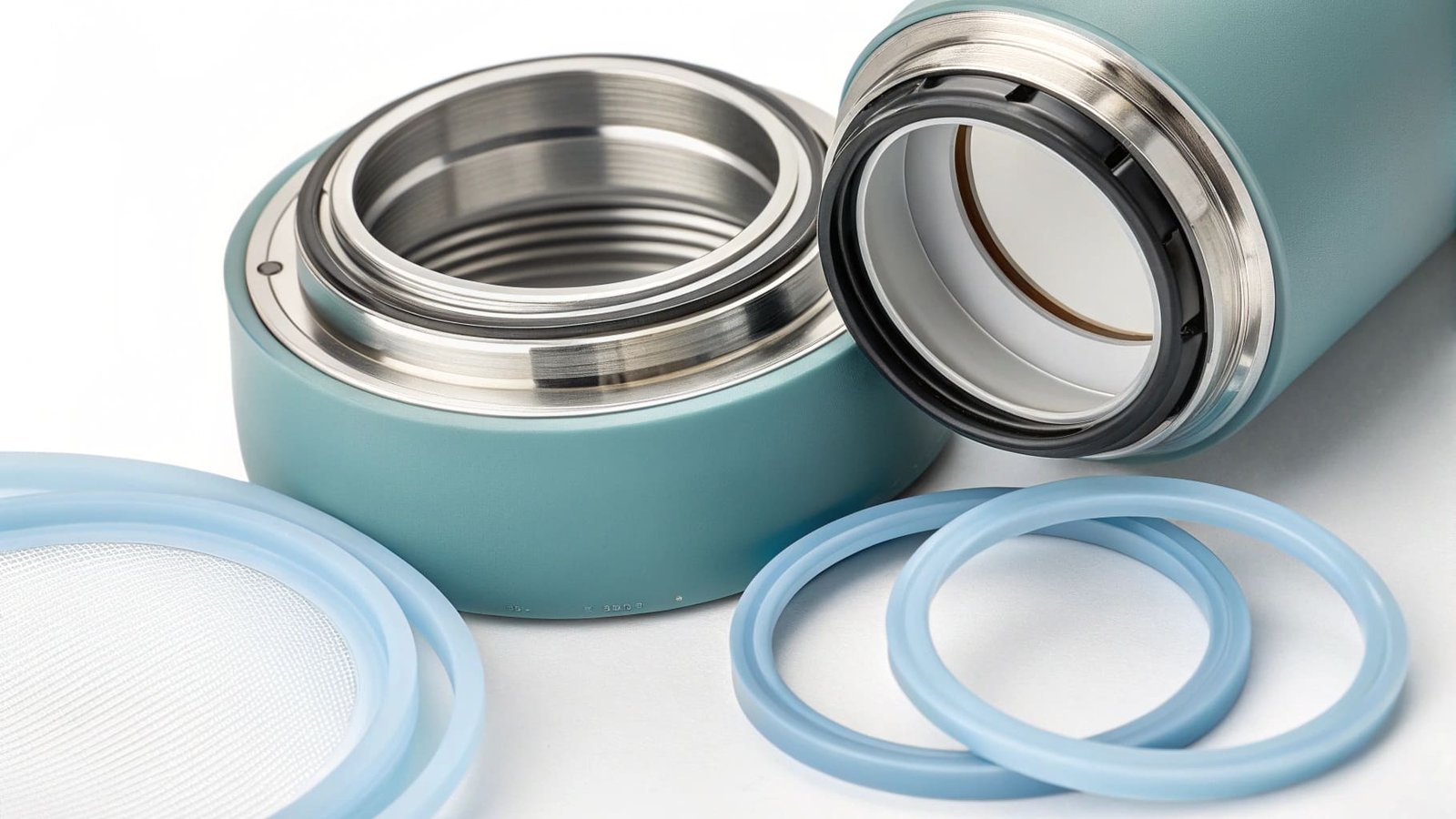
I tested this myself at our silijoy facility. We submerged identical neoprene and silicone gaskets2 in water for 90 days. Both materials showed excellent initial waterproofing. The difference appeared when we added UV exposure and temperature cycling.
The neoprene samples showed surface hardening after 60 days of combined stress. The silicone samples maintained their original flexibility. Waterproofing is not just about material resistance. It is about maintaining that resistance under real-world conditions over time.
Most failures I see happen at the interface. Neoprene hardens gradually when exposed to weather. The hardened material loses its ability to maintain compression against mating surfaces. Small gaps appear. Water finds these gaps. The gasket material itself remains waterproof, but the seal fails.
Installation matters as much as material selection. I always recommend these practices for neoprene gaskets in water-exposed applications:
- Use proper compression (typically 25-30% of gasket thickness)
- Apply even bolt torque across all fasteners
- Inspect and retighten after initial settling period (usually 24-48 hours)
- Plan for periodic maintenance inspections (every 12-18 months for outdoor use)
- Consider UV-protective coatings for exposed surfaces
Some buyers ask if they can extend neoprene service life with surface treatments. I have seen mixed results. UV-resistant coatings help but add cost and complexity. At that point, the economics often favor silicone from the start.
Is Neoprene Rubber Weather Resistant?
My answer surprises many buyers. Neoprene offers good weather resistance, not excellent weather resistance. The distinction matters for procurement decisions and long-term planning. Good enough works for some applications. Critical outdoor installations need more.
Neoprene rubber provides moderate weather resistance for 3-5 years in most climates. It handles rain, moderate temperature swings, and occasional UV exposure effectively. However, continuous outdoor exposure causes gradual hardening, reduced flexibility, and eventual cracking. Weather resistance depends on specific climate conditions and exposure duration.
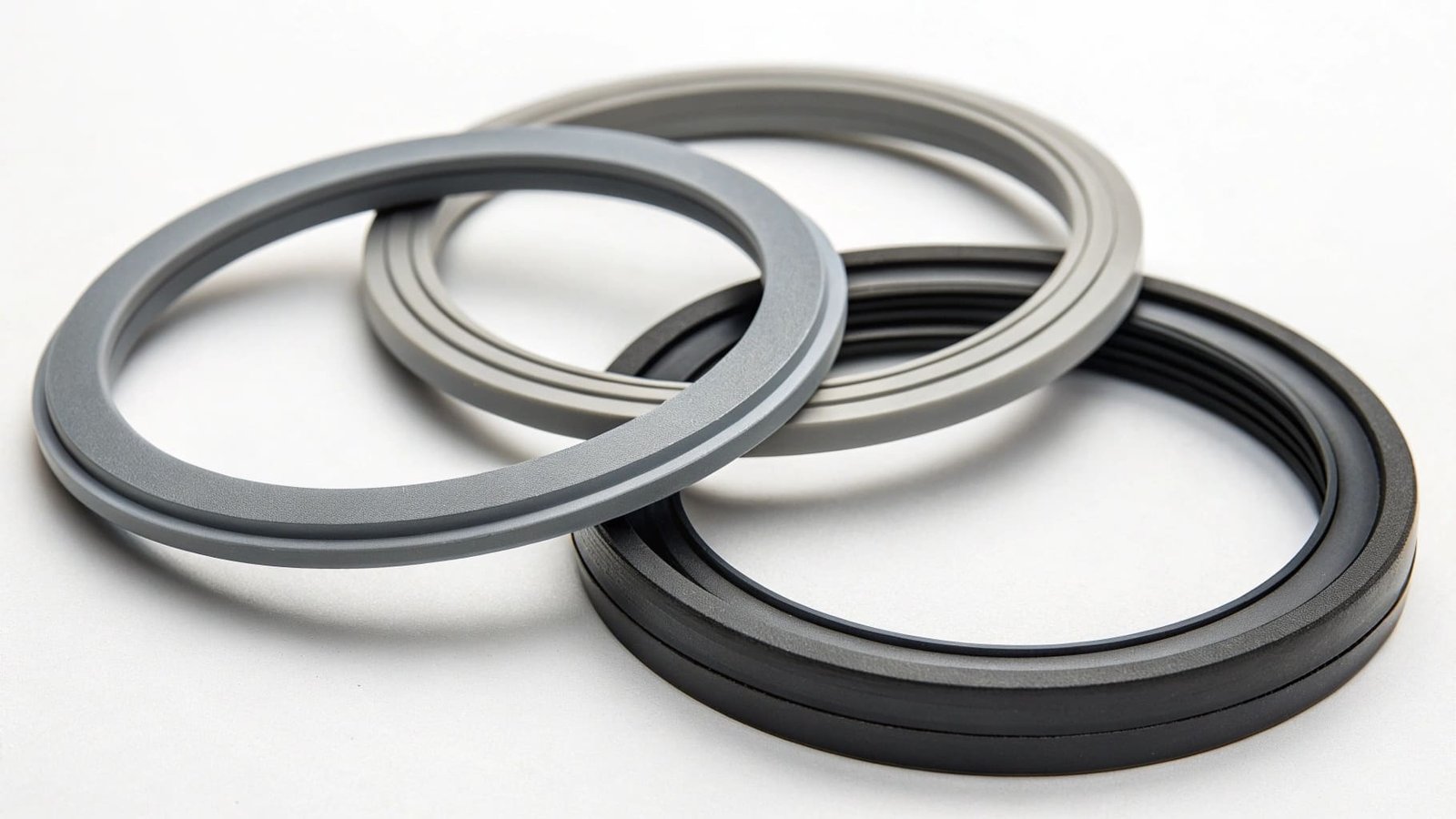
I worked with a customer in Arizona who learned this the hard way. His neoprene gaskets failed after just two years. Same gaskets performed fine for five years in Oregon for another customer. The difference was UV intensity and temperature extremes. Desert conditions accelerate neoprene degradation significantly.
Weather resistance breaks down into several factors. Many buyers look only at waterproofing. They miss the bigger picture. Temperature cycling causes expansion and contraction. UV radiation breaks molecular bonds. Ozone attacks carbon double bonds in the polymer structure. These factors work together, creating cumulative damage over time.
Here is what happens to neoprene under different weather conditions:
| Weather Factor | Impact on Neoprene | Time to Noticeable Degradation |
|---|---|---|
| Direct Sunlight (UV) | Surface hardening and cracking | 18-36 months |
| Temperature Cycling | Loss of compression set resistance | 24-48 months |
| Ozone Exposure | Surface cracking and brittleness | 24-36 months |
| High Humidity | Minimal direct impact | No significant degradation |
| Salt Spray (coastal) | Accelerated UV and ozone damage | 12-24 months |
I recommend neoprene for applications where weather exposure is intermittent or protected. Indoor use with occasional outdoor exposure works well. Equipment stored in shaded areas performs better than fully exposed installations. Buyers should think about actual exposure hours, not just outdoor versus indoor classification.
The cost analysis changes everything. Neoprene costs less upfront but requires more frequent replacement. Silicone costs more initially but lasts longer. I help buyers calculate total cost of ownership3 over ten years. The calculation includes material cost, installation labor, downtime, and replacement frequency.
For example, a typical gasket set might cost 100 USD in neoprene or 150 USD in silicone. With a five-year replacement cycle for neoprene versus a ten-year cycle for silicone, the buyer replaces neoprene twice in the same period. Add 50 USD labor per replacement. The neoprene total reaches 300 USD. The silicone total stays at 200 USD.
Some buyers use a hybrid approach. They specify silicone for critical exposed areas and neoprene for protected zones. This optimizes both performance and budget. I helped one customer reduce their gasket costs by 20% while improving overall reliability using this strategy.
The decision comes down to application requirements and budget reality. No material is universally better. The right choice depends on specific conditions, expected service life, and total cost of ownership. I always ask buyers about their maintenance schedule and replacement budget before recommending a material.
Conclusion
Material selection affects your bottom line for years. Neoprene works well for protected applications. Silicone excels in harsh weather exposure. Calculate total ownership cost, not just purchase price, for the right decision.
-
Discover the benefits of neoprene gaskets and when they are most effective in various applications. ↩
-
Learn why silicone gaskets are often the best choice for outdoor applications due to their durability and performance. ↩
-
Understand how to calculate the total cost of ownership to make better financial decisions regarding gasket materials. ↩