Where Can OEM Buyers Source Hydration Bladder Bite Valve Replacements in Bulk?
I talk with procurement officers every week. Most of them face the same problem. Finding reliable suppliers for hydration bladder bite valves is harder than it should be.
You can source bulk bite valve replacements from specialized silicone manufacturers1 in China and Vietnam. These suppliers typically require 5,000 to 10,000 unit minimums. Working directly with manufacturers who serve outdoor recreation brands gives you better pricing and quality control2.
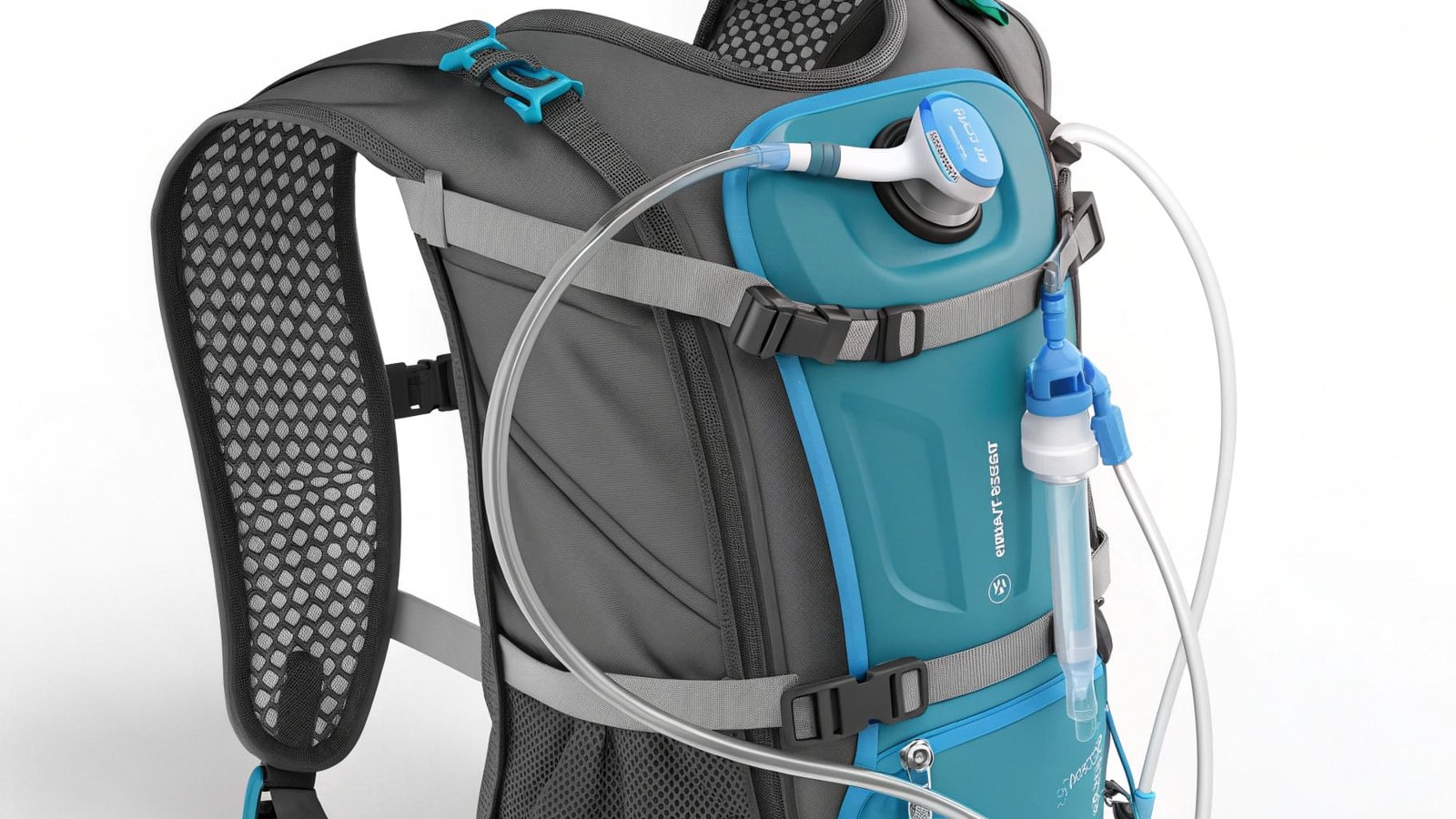
I have been in the silicone component business for years. When Mark from Canada first contacted me about bite valves, he was frustrated. His previous supplier had shipped him 20,000 units with improper seals. Half the batch leaked. This kind of mistake costs thousands in returns and damages your brand reputation. You need to know what to look for before you commit to a bulk order.
What is the bite valve on a CamelBak?
The bite valve is not just a simple cap. It controls how your customers interact with the entire hydration system. Get this part wrong and everything else fails.
A CamelBak bite valve is a silicone component that opens when users bite down on it. This allows water to flow through the tube. When you release pressure, the valve closes automatically to prevent leaks.
How the Bite Valve Actually Works
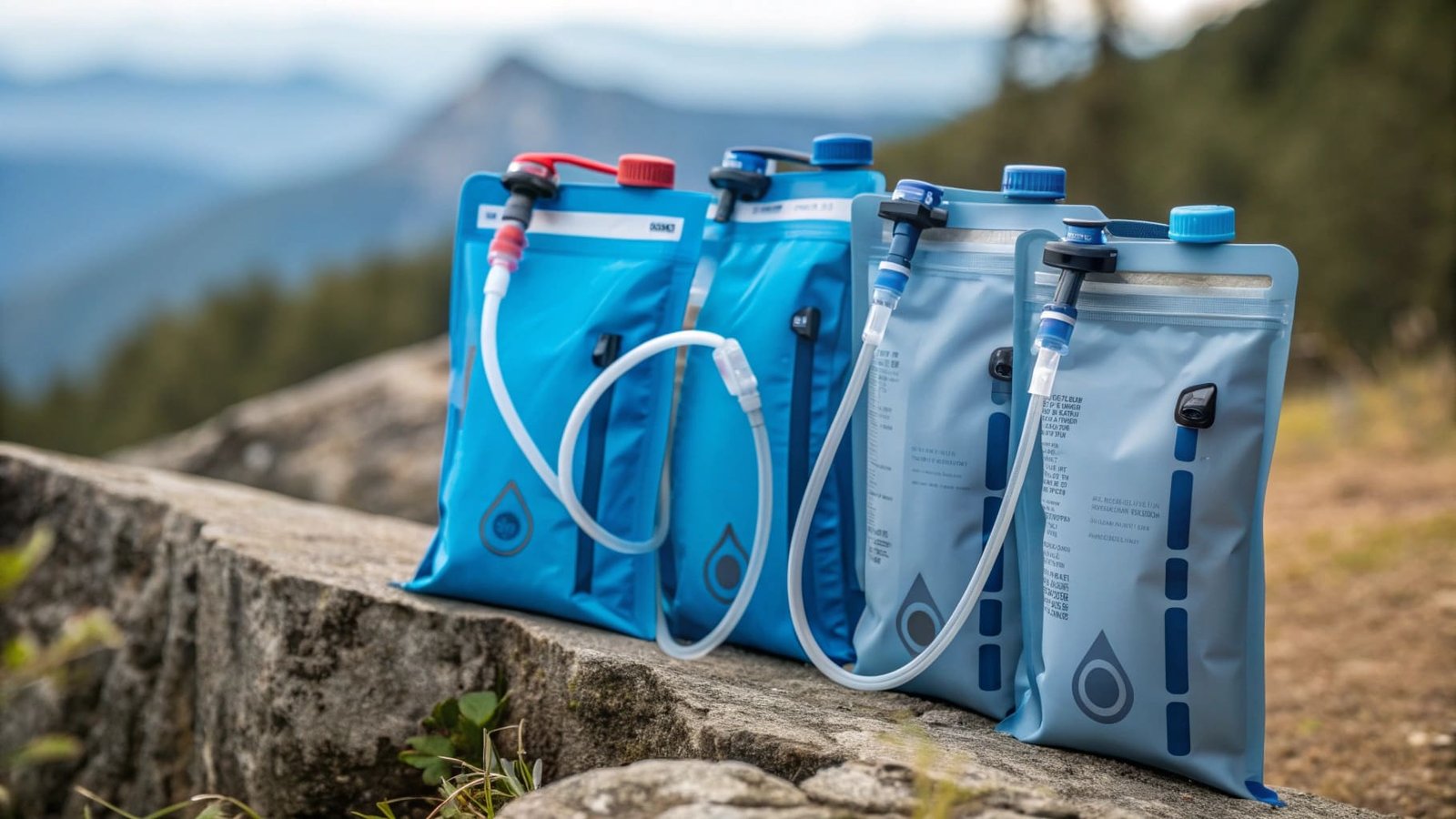
The valve has two main parts. The outer mouthpiece sits between your teeth. The inner slit mechanism opens under pressure. I manufacture these components and I can tell you the design is deceptively simple. The slit needs to be cut at exactly the right depth. Too shallow and users need to bite too hard. Too deep and the valve leaks constantly.
The best valves use a cross-cut or Y-cut pattern. This design distributes pressure evenly. It also prevents the valve from getting stuck in the open position. Most failures I see come from poor cut precision or using silicone with the wrong durometer rating.
Common Design Variations
Different brands use different valve styles. Some have wide mouthpieces for high flow rates. Others use narrow designs for controlled sipping. Here is what I tell buyers:
| Valve Type | Flow Rate | Best Use Case | Typical Durometer |
|---|---|---|---|
| Standard Cross-Cut | Medium | General hiking | 40-50 Shore A |
| Y-Cut High-Flow | High | Cycling, running | 35-45 Shore A |
| Controlled Sip | Low | Office, casual use | 50-60 Shore A |
Does CamelBak Contain Lead?
Safety testing should be your first concern. I have seen suppliers fake certificates. This puts your entire business at risk. Material compliance is not optional.
Modern CamelBak products do not contain lead. Reputable manufacturers now use medical-grade silicone3 or food-safe TPE. These materials meet FDA, LFGB, and REACH standards. Always request third-party lab reports for lead, BPA, and phthalates before placing bulk orders.
Why Material Testing Matters for B2B Buyers
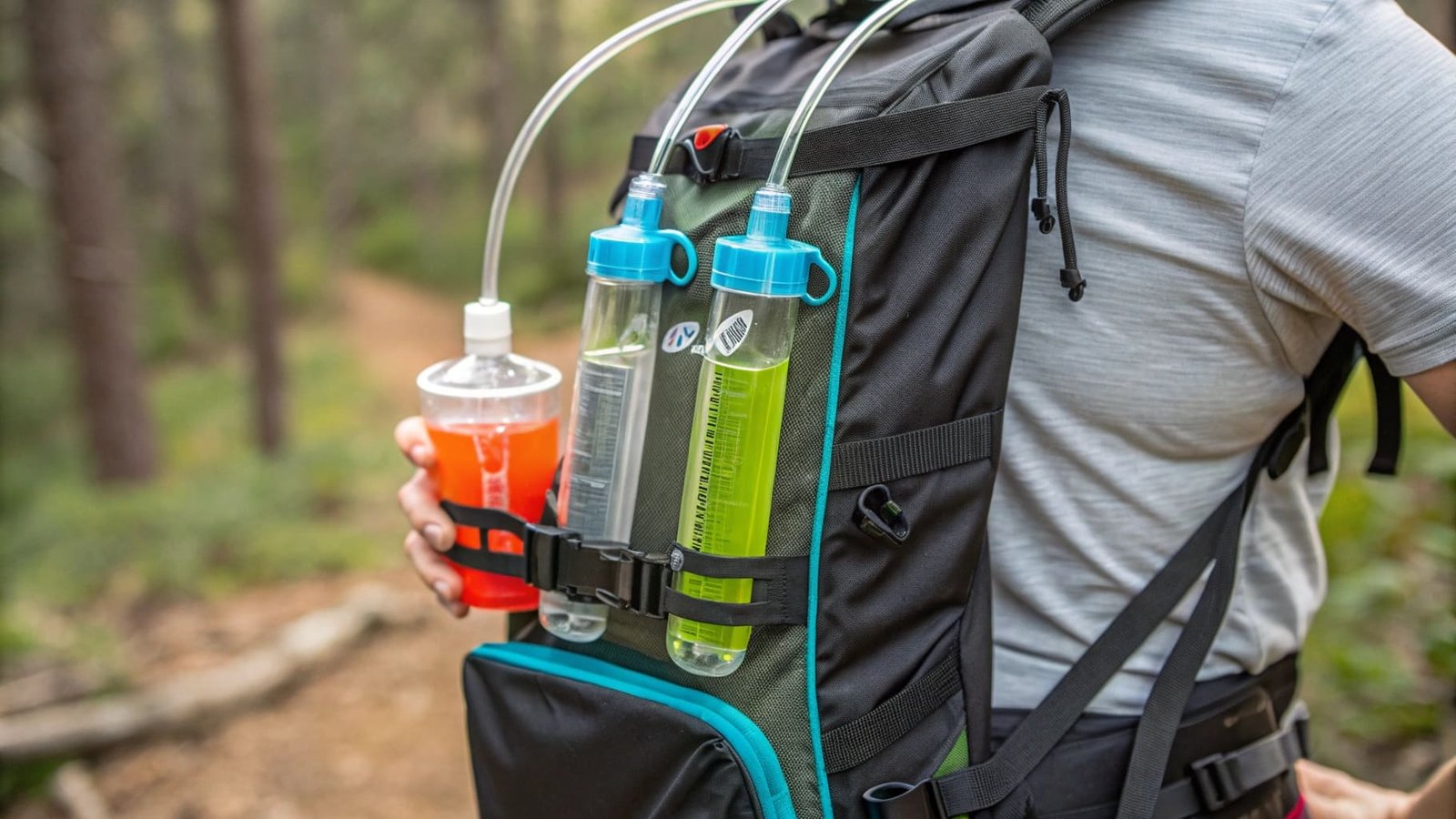
I lost a potential client last year because I refused to skip material testing. He wanted to save money. Three months later he contacted me again. His cheaper supplier had shipped valves with plasticizers that failed California Prop 65 testing. The entire shipment got rejected at customs.
Third-party testing costs between two hundred and five hundred dollars per material batch. This is cheap insurance. The labs test for heavy metals, phthalates, BPA, and other restricted substances. You need reports from recognized labs like SGS, Intertek, or Bureau Veritas. Supplier-provided certificates mean nothing if you cannot verify them directly with the testing lab.
I always provide my clients with the lab contact information. They can call and confirm the test results themselves. This transparency builds trust. It also protects both parties if regulatory requirements change.
Materials You Should Specify
Medical-grade silicone is the gold standard. It costs more but it performs better. Food-grade TPE works for budget products. Avoid any supplier who cannot clearly identify their material source. I use silicone from established chemical companies. These materials have full documentation and batch traceability.
How do I choose the right valve?
Selection goes beyond just finding the cheapest option. The wrong valve increases warranty claims and damages customer relationships. I have specific criteria I share with all my clients.
Choose valves based on bite force requirements, seal integrity, temperature resistance, and mouthpiece compatibility. Test valve fatigue by cycling it open and closed at least one thousand times. Check seal performance under pressure and verify the material can handle your target temperature range.
Key Performance Factors
Bite force is the first thing to test. Users should not need to bite hard to get water flow. At the same time, accidental pressure should not open the valve. I recommend a bite force between two and four pounds. Anything higher frustrates users. Anything lower causes leaks.
Temperature resistance matters more than most buyers realize. Standard silicone works fine down to negative twenty degrees Celsius. But some recreational users need valves that function at negative forty. The material becomes stiff at extreme cold. This changes the bite force required. Ask your supplier about their low-temperature testing protocols.
Customization Options for OEM Buyers
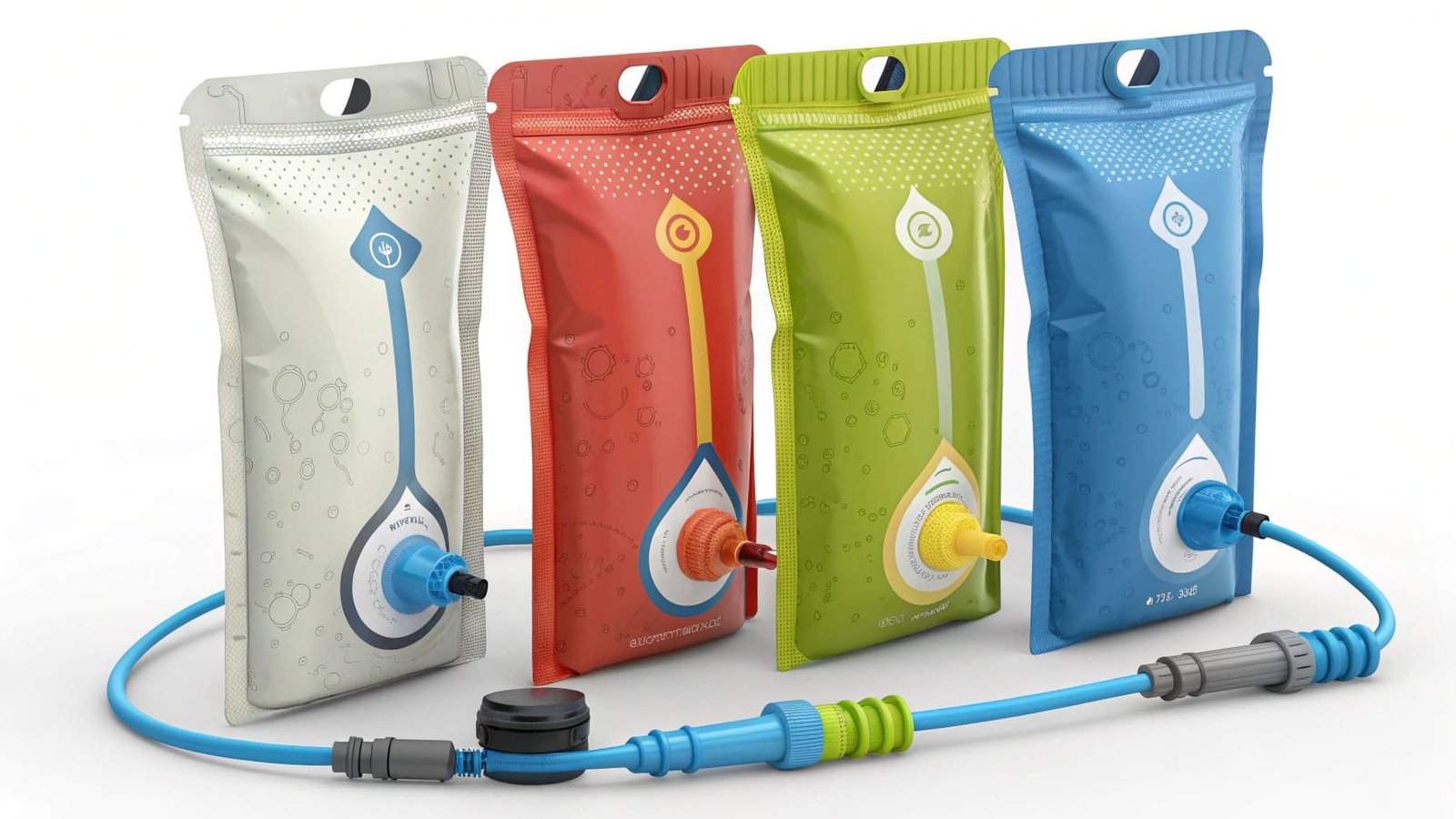
Most of my OEM clients want custom colors or logo printing4. This is straightforward with silicone molding. But you need to think about minimum order quantities. Custom colors typically require five thousand unit minimums. Printing adds another step to production and increases lead time by one to two weeks.
Antimicrobial additives are becoming popular. These reduce bacterial growth on the mouthpiece. The technology works but it adds cost. I only recommend it for premium product lines where customers expect advanced features.
Working with Manufacturers
The supply chain has three levels. Branded component makers like CamelBak sell their replacement parts but their pricing is high. Specialized silicone manufacturers like my company offer better pricing and customization. General rubber suppliers have low prices but often lack experience with bite valve specifications.
I work in a clean room environment with automated quality checks. This is essential for food-contact products. Ask potential suppliers about their production environment. Visit the factory if possible. You want to see their molding equipment, quality control systems, and material storage conditions.
Most manufacturers require deposits between thirty and fifty percent. Lead times run from three to six weeks for standard orders. Rush production is possible but expect to pay a premium. I recommend ordering samples before committing to bulk production. Test these samples thoroughly with your actual hydration bladder systems.
Conclusion
Finding the right bite valve supplier protects your brand and your customers. Material compliance, performance testing, and supplier transparency are not negotiable. Choose partners who understand the outdoor recreation industry and can scale with your business.
-
Learn about specialized silicone manufacturers that can provide high-quality hydration products. ↩
-
Understanding quality control can help you choose suppliers that ensure product reliability. ↩
-
Learn why medical-grade silicone is the preferred material for high-quality hydration components. ↩
-
Discover how to customize hydration valves to enhance brand visibility and appeal. ↩