How Does Silicone Food Safety Certification Impact Import Regulations for Wholesalers?
You face mounting pressure from customs authorities. Your silicone shipments sit in warehouses. Missing certification documents cost you peak sales seasons.
Food safety certification directly determines whether your silicone products clear customs. Wholesalers need FDA CFR 177.2600 or LFGB certificates1 to import into US and EU markets. Without proper documentation, border authorities will reject your shipments or impose heavy penalties.
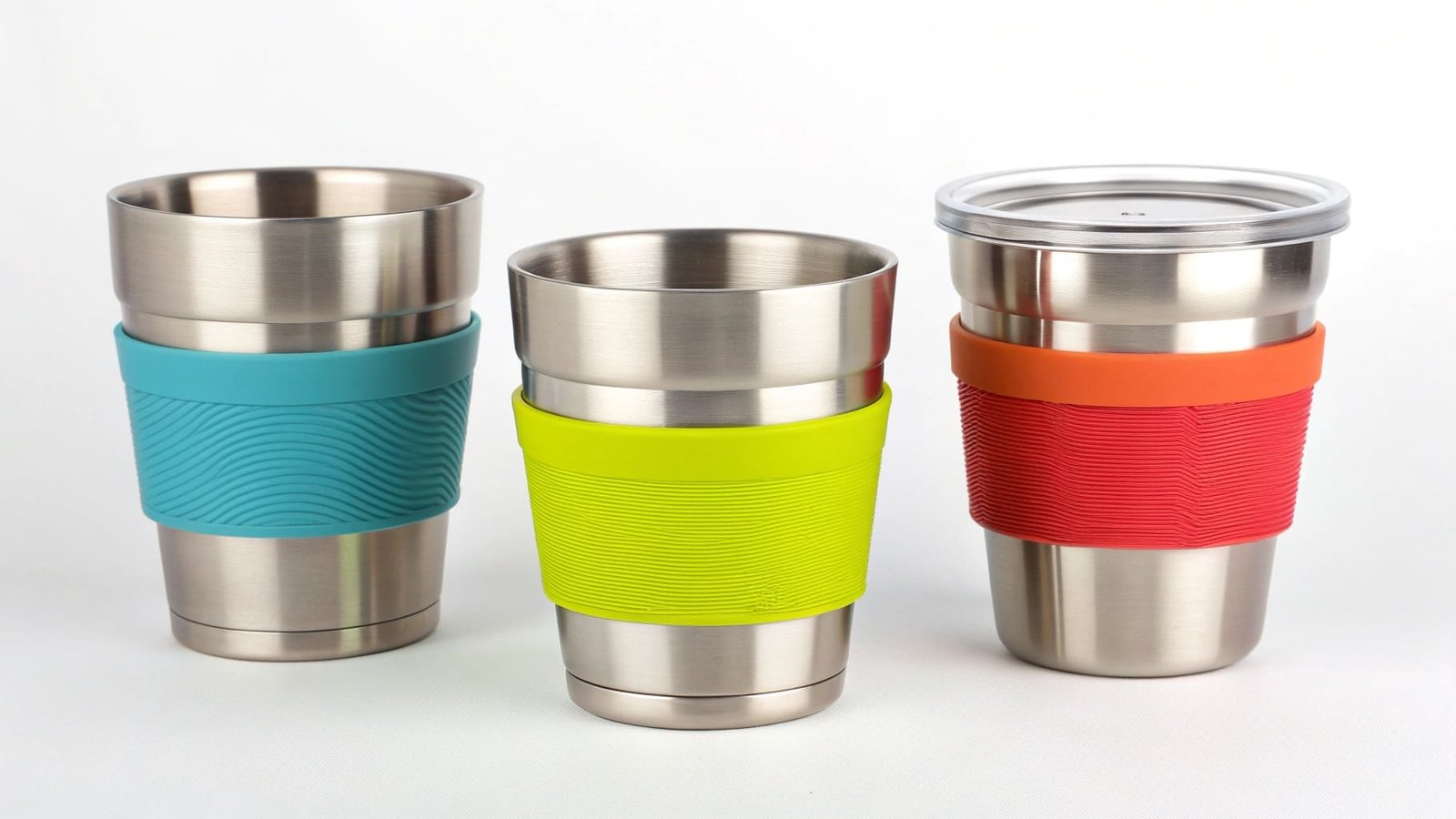
I learned this the hard way when a client lost $50,000 on detained goods. The manufacturer claimed FDA compliance but provided no test reports. Customs rejected the entire shipment. This happens more often than you think. The solution is simple but requires careful attention to certification requirements.
Is Food Grade Silicone Safe to Use?
You buy products labeled "food grade" without verification. Your customers ask about safety. You have no solid answers to give them.
Certified food-grade silicone2 is completely safe for food contact. The material must pass strict tests showing no harmful substance leaching. FDA and LFGB standards guarantee safety when manufacturers follow proper protocols.
What Makes Food Grade Silicone Actually Safe
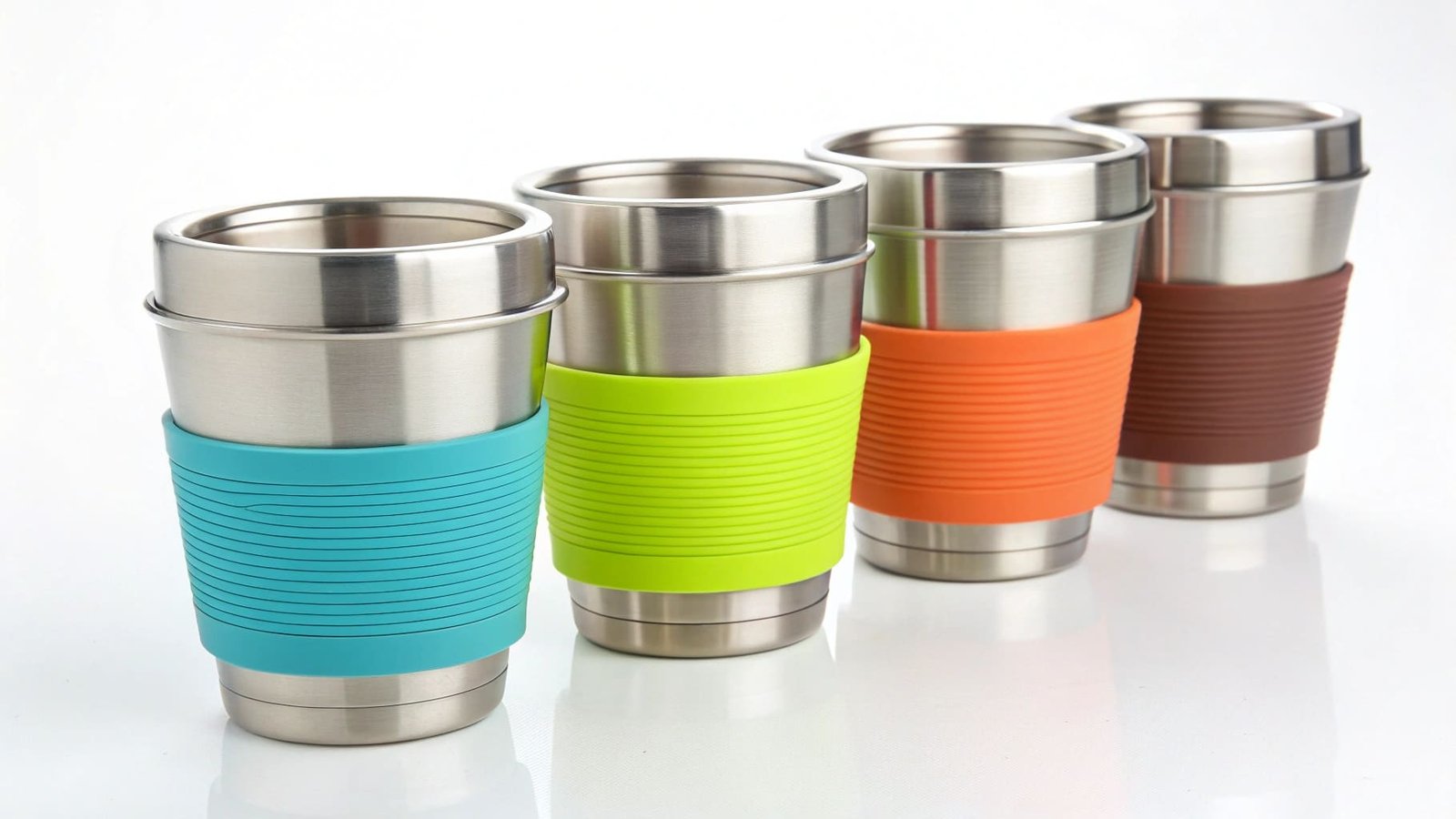
The safety question depends entirely on certification. I work with dozens of wholesalers who ask me this same question. Food-grade silicone contains no harmful fillers. The base polymer is platinum-cured, not peroxide-cured. This matters because platinum curing leaves no toxic residues.
Certified silicone must pass specific tests. Migration tests check if substances leach into food. Heat resistance tests verify the material stays stable at high temperatures. These tests use real food simulants like oil and alcohol. The material must show zero harmful migration.
| Certification Type | Key Requirements | Testing Standard |
|---|---|---|
| FDA CFR 177.2600 | No harmful migration | ASTM F2259 |
| LFGB | Heavy metal limits | EN 1186 |
| REACH | Substance restrictions | Regulation 1907/2006 |
I once tested two "food-grade" samples side by side. One came with full FDA certification. The other had only a factory claim. The certified sample showed zero migration in boiling water tests. The uncertified sample released visible residue. This visual difference told the whole story.
Your customers need products that meet actual standards. A certificate from a recognized testing lab proves safety. Factory claims mean nothing at the border or in court. I always tell my clients to demand third-party test reports3. These reports show exact testing methods and results.
Is Silicone from China Safe to Use?
You hear warnings about Chinese manufacturing quality. Your competitors avoid Chinese suppliers. You wonder if you should do the same thing.
Chinese silicone is safe when manufacturers hold recognized international certifications. Country of origin does not determine safety. Third-party certification and quality control systems4 prove product safety regardless of where production happens.
How to Identify Safe Chinese Silicone Suppliers
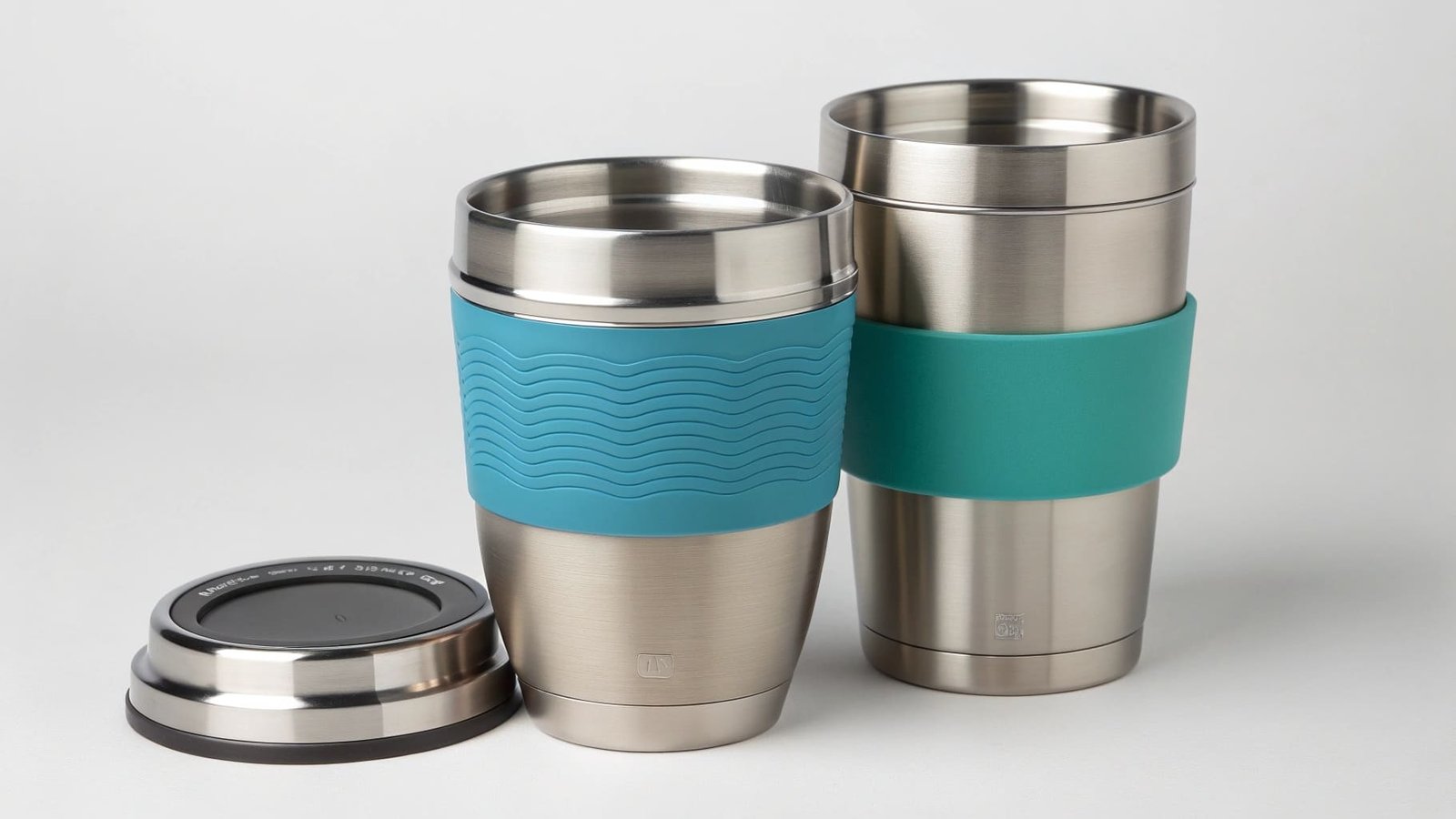
The location of a factory tells you nothing about product safety. I source from Chinese manufacturers who supply major US brands. These factories maintain the same standards everywhere. The difference lies in certification and testing protocols.
Many global silicone companies run production facilities in China. They use identical raw materials and processes as their European or American plants. The products undergo the same testing. I visited a facility in Shenzhen that produces for both domestic and export markets. Their export line follows stricter protocols than many Western factories I have seen.
Look for specific quality indicators when you evaluate Chinese suppliers:
Key Certification Requirements
| Certification | Purpose | Validation Method |
|---|---|---|
| ISO 9001 | Quality management | Annual audits |
| FDA Registration | US market access | Facility inspection |
| LFGB Certificate | EU market access | Product testing |
| REACH Compliance | Chemical safety | Substance declaration |
I learned to check certification authenticity. Some suppliers show fake certificates. You can verify FDA registration through the official FDA website. LFGB certificates come from specific German testing institutes. I maintain a list of legitimate testing labs and cross-check every certificate.
The real test comes from factory audits. I conduct surprise visits to verify production conditions. Clean rooms, documented procedures, and quality control checkpoints indicate serious manufacturers. One supplier I work with keeps samples from every production batch for two years. This traceability system proves their commitment to quality.
What Are the Early Signs of Silicone Poisoning?
You receive customer complaints about strange smells. Products show unusual discoloration. You worry about health risks and liability claims.
True silicone poisoning is extremely rare with certified products. Watch for contamination signs instead: unusual odors, surface tackiness, color bleeding, or material degradation. These symptoms indicate uncertified silicone with unauthorized additives that can cause health concerns.
How to Spot Contaminated Silicone Products
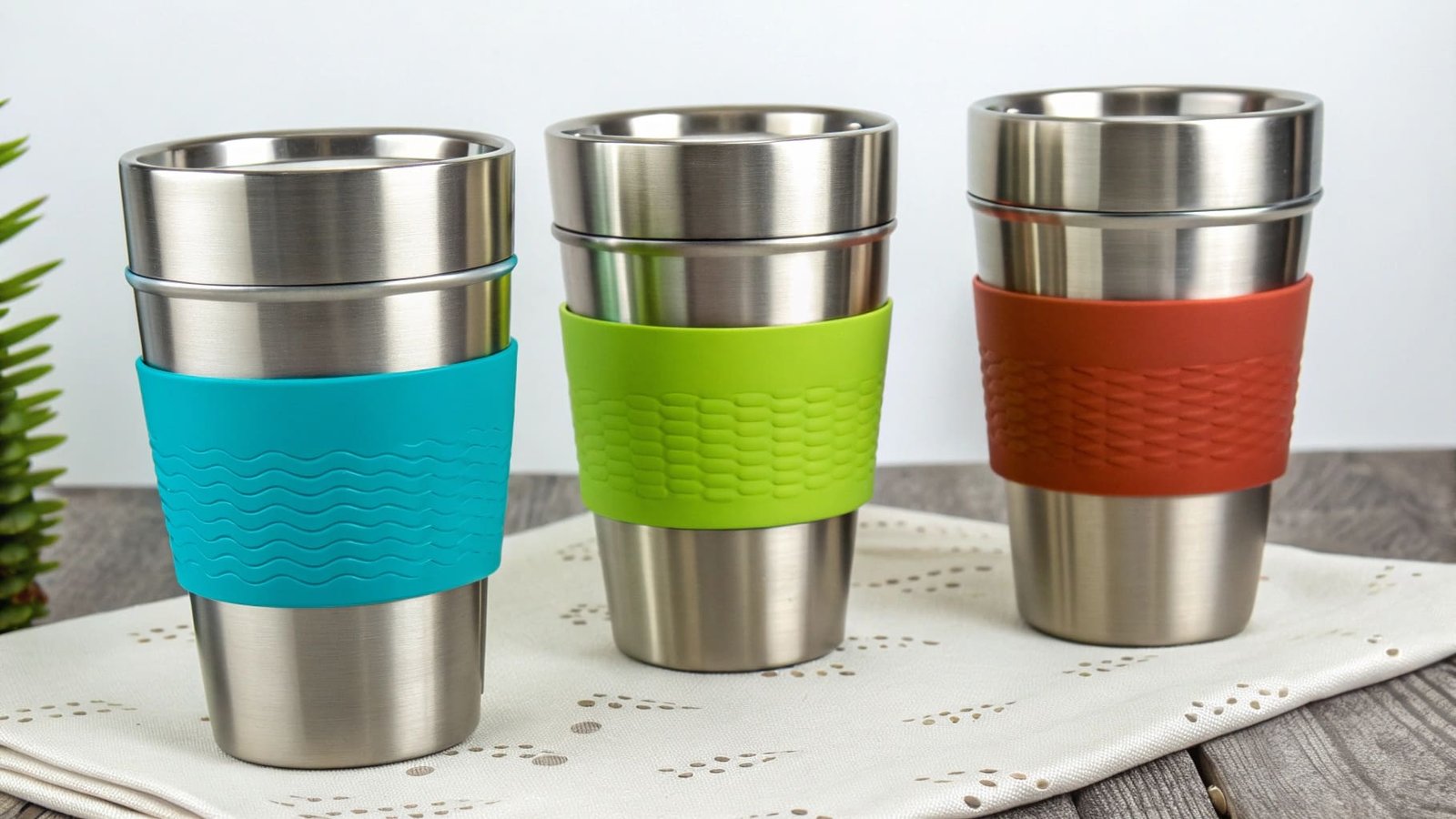
The term "silicone poisoning" creates unnecessary fear. Pure certified silicone is chemically inert. Problems arise from contaminated or low-quality materials that contain harmful additives. I have seen several cases where products caused customer complaints. The root cause was always uncertified materials.
Real warning signs appear in the product itself. Fresh certified silicone has no odor. If you smell plastic or chemical scents, the material contains wrong additives. I once opened a container of uncertified silicone sleeves. The smell hit me immediately. Certified products from my regular suppliers never emit any odor.
Physical changes reveal material problems:
Contamination Warning Signs
| Sign | What It Means | Action Required |
|---|---|---|
| Sticky surface | Poor curing process | Reject batch immediately |
| Color transfer | Unstable pigments | Stop sales and test |
| Cracking | Wrong material blend | Return to supplier |
| White residue | Additive leaching | Quarantine inventory |
Surface tackiness indicates incomplete curing. The manufacturer rushed production or used wrong catalysts. This material will continue breaking down. I advise clients to reject any tacky silicone products immediately. The liability risk outweighs any cost savings.
Color bleeding happens when manufacturers use non-food-grade pigments. I saw a case where red silicone lids stained glass containers. The customer filed complaints. Testing revealed unauthorized dyes that could migrate into food. The wholesaler faced recalls and legal costs.
Material degradation appears over time with poor-quality silicone. Certified products maintain flexibility for years. Uncertified materials become brittle or develop cracks. I keep samples from shipments I receive. After six months, certified samples look new. Uncertified samples show visible deterioration.
For wholesalers, these signs mean immediate action. Stop selling affected products. Contact your supplier for explanation. Demand complete testing documentation. I maintain strict quality control with incoming shipments. Every batch gets visual inspection and smell tests before warehouse acceptance. This simple process has prevented multiple problems for my business.
Your customers depend on product safety. One contamination incident damages your reputation permanently. I learned this from watching competitors face recalls. The cost of proper certification is minimal compared to potential losses from unsafe products. Every shipment I import includes complete certification documentation that proves material safety and regulatory compliance.
Conclusion
Certification determines import success and customer safety. Demand complete documentation from every supplier. Your business reputation depends on verified product quality and regulatory compliance.
-
Learn how LFGB certification impacts the safety and compliance of silicone products in the EU market. ↩
-
Explore the safety standards and testing that ensure food-grade silicone is safe for consumers. ↩
-
Discover how third-party testing provides credibility and assurance of product safety. ↩
-
Learn about the best practices in quality control to ensure safe silicone products. ↩