Why Are Replacement Hydration Bladder Parts Essential for Outdoor Retail Supply Chains?
I watched a retail partner lose 40% of their repeat customers last year. The reason shocked me. They sold quality hydration bladders but stocked zero replacement parts. Customers left frustrated.
Replacement hydration bladder parts keep your supply chain profitable and sustainable. They create recurring revenue streams, reduce product waste, and build customer loyalty. Smart retailers stock bite valves1, hose tubes, and seals alongside complete bladder units.
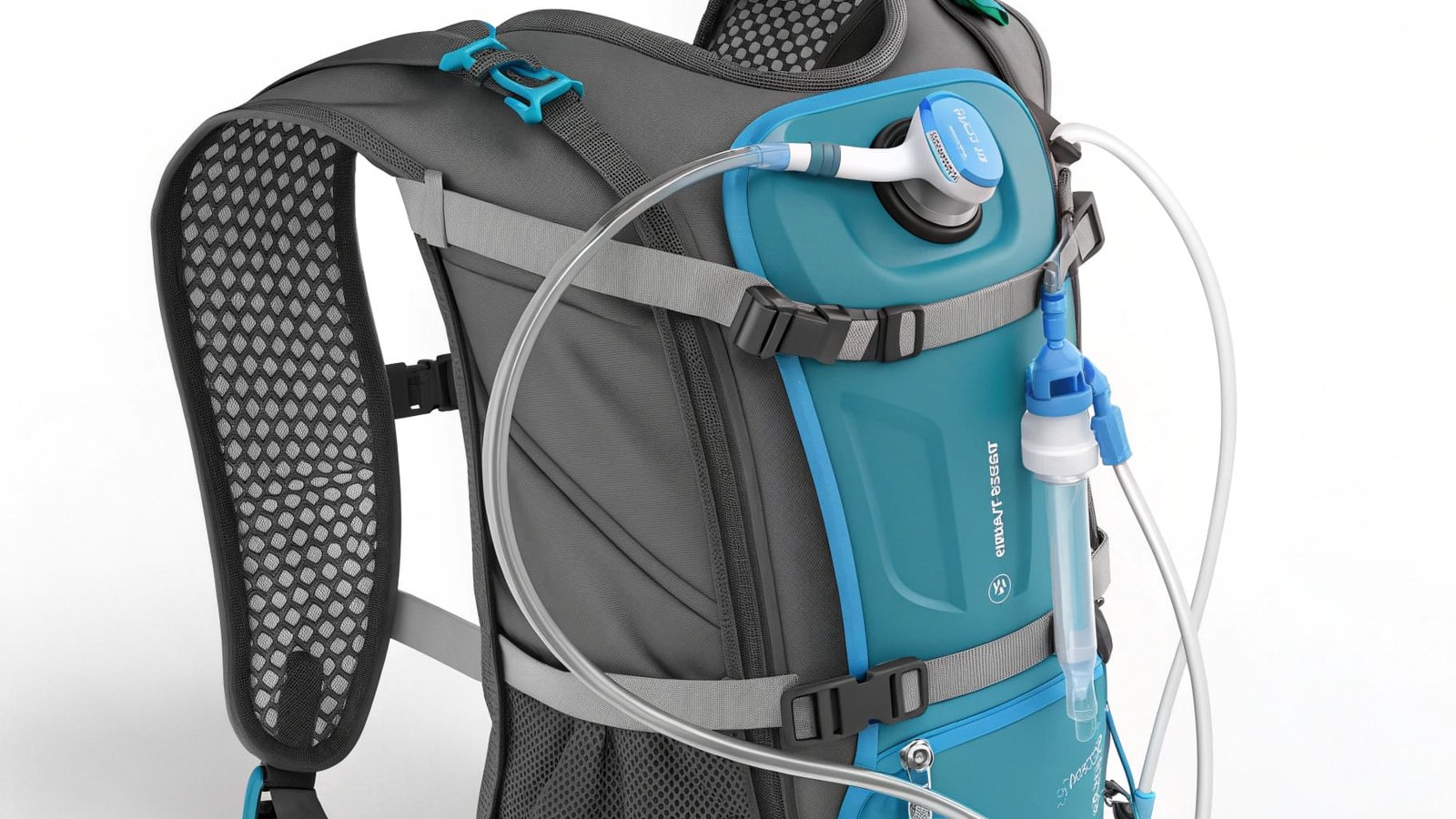
I learned this lesson the hard way when I started silijoy. I focused only on selling complete hydration systems2. Then procurement officers started asking about replacement connectors and bite valves. I realized I was missing a massive opportunity. Today, replacement parts make up 30% of our B2B orders from North American distributors.
Why Use a Hydration Bladder?
Your customers abandon water bottles3 mid-hike. They struggle with caps. They stop momentum every time they need water. This frustration costs you sales.
Hydration bladders solve the hands-free drinking problem. Users access water through a tube while moving. No stopping required. Outdoor enthusiasts prefer bladders for activities requiring constant focus and movement.
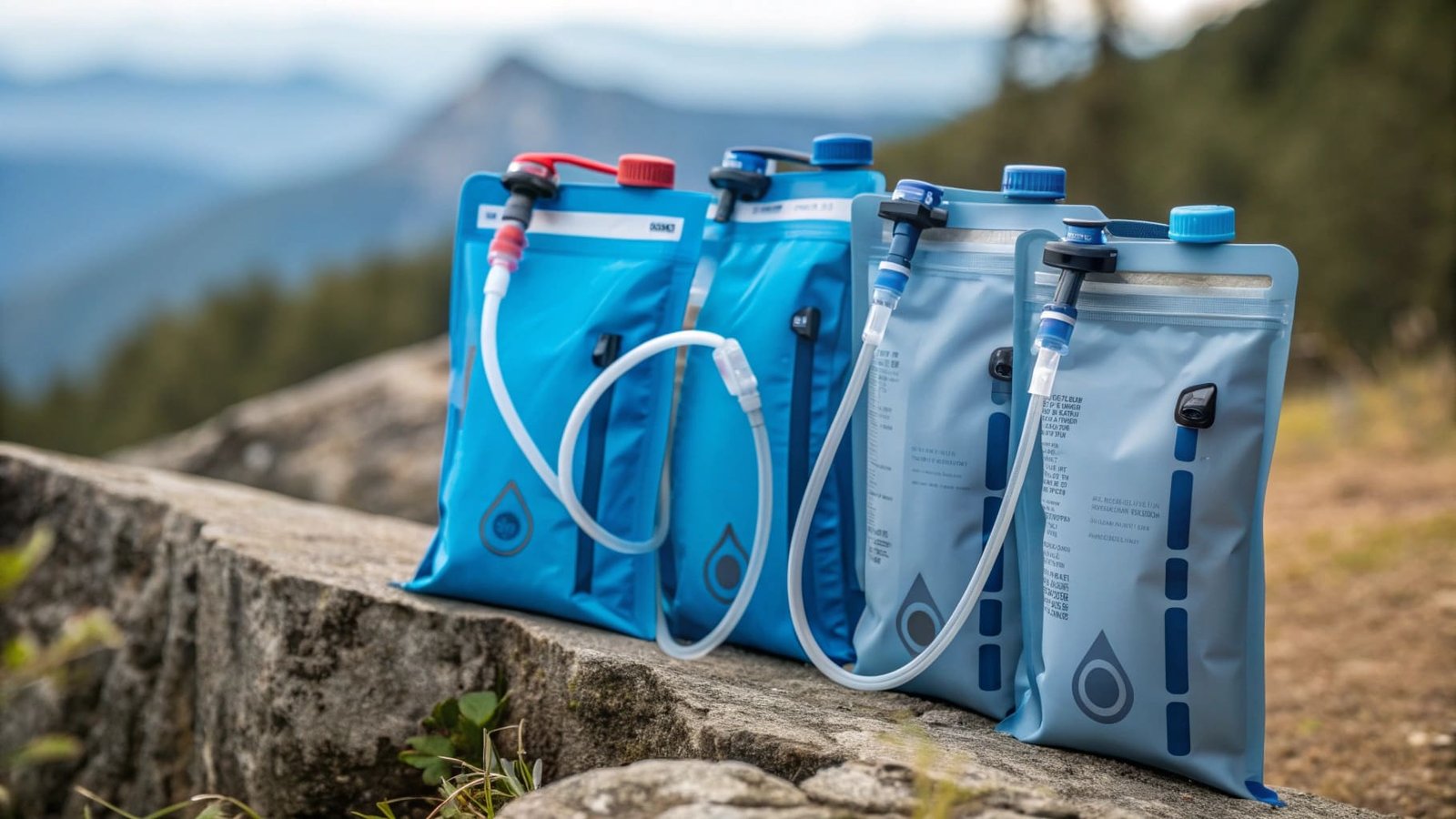
I see this demand clearly in our export data. American and European buyers specifically request hydration bladder accessories for trail runners and mountain bikers. These athletes cannot afford interruptions. A hydration bladder keeps their hands on trekking poles or handlebars. The water reservoir sits in their backpack. The drinking tube routes over their shoulder. They bite the valve and drink without breaking stride.
But here is what most retailers miss. The bladder itself rarely fails. The components do. A bite valve gets chewed through after six months of heavy use. The hose develops small cracks at connection points. The cap seal degrades from temperature changes. I have talked to dozens of outdoor gear shop owners who thought selling bladders was enough. Then customers returned asking for a $3 valve replacement. The shops had nothing to offer. Those customers went to competitors who stocked parts. Some never came back at all.
The business model changes when you view hydration bladders as a system rather than a single product. You create multiple touchpoints with each customer. They buy the bladder initially. Three months later they need a new bite valve. Six months after that they want a longer hose tube. Each interaction builds trust and generates revenue. I work with a distributor in Canada who tracks this data religiously. His customers who buy replacement parts have a 75% higher lifetime value than those who only purchase complete units.
What Is the Main Purpose of the Bladder?
Your retail customers face a storage problem. Hard water bottles take up precious backpack space. They create awkward weight distribution. Customers complain about inefficient packing.
The bladder's main purpose is efficient water storage that conforms to backpack shape. It eliminates dead space and improves load balance. This design advantage drives adoption in serious outdoor markets.
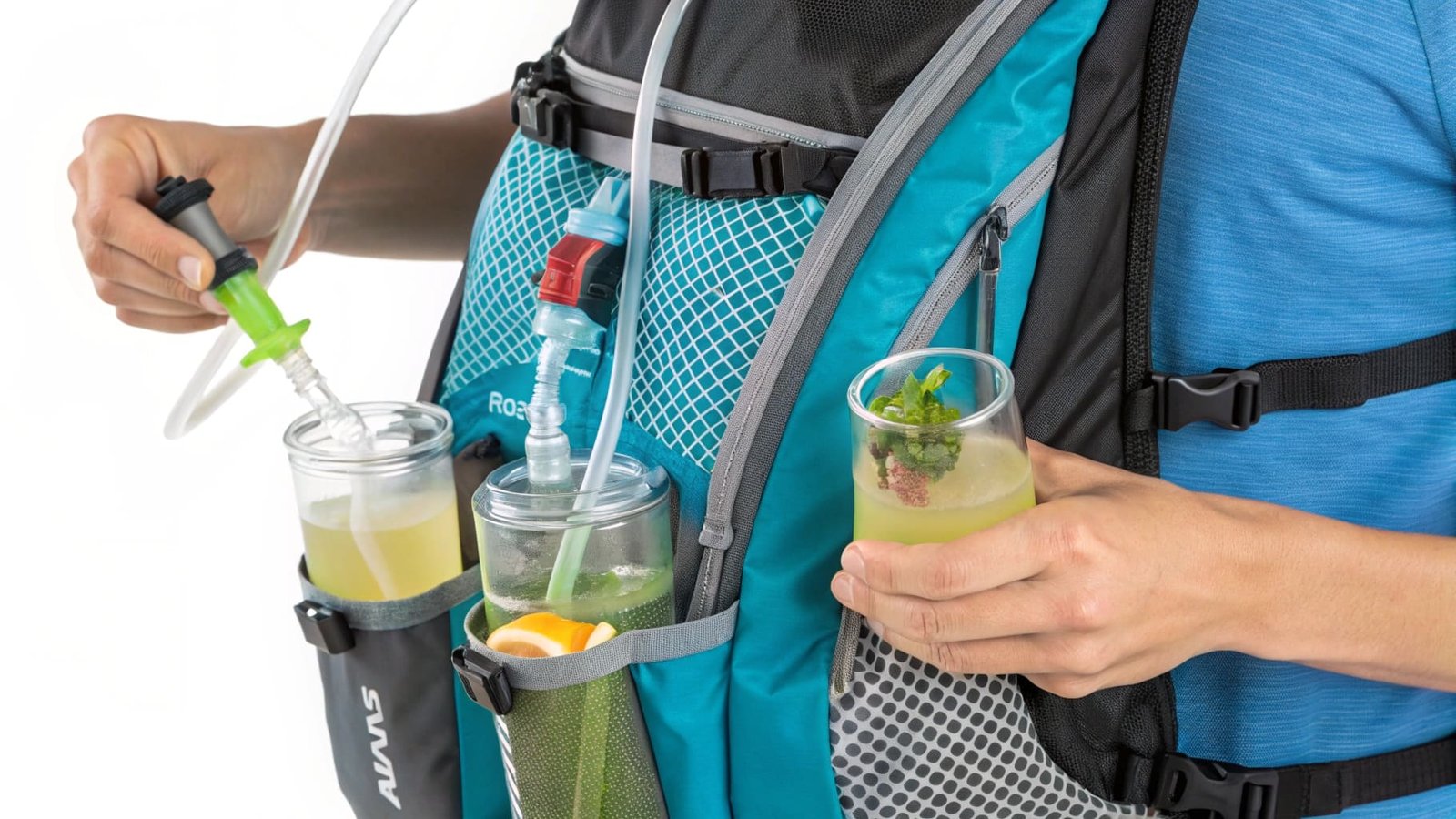
I manufacture hydration bladders for wholesale partners across North America and Europe. The technical specifications4 matter enormously. A quality bladder uses food-grade silicone5 or TPU materials that remain flexible in cold weather and stable in heat. The shape matters too. Flat rectangular designs slide into backpack hydration sleeves without creating pressure points against the user's back.
But the primary purpose goes beyond just holding water. The bladder must maintain consistent flow rate as water level drops. This requires proper internal baffling or shape retention. Cheap bladders collapse on themselves when half empty. The user sucks on the tube and gets nothing. I have seen this complaint repeatedly from distributors who sourced from low-quality suppliers in developing markets.
The bladder also serves as a weight distribution tool. Water weighs roughly one kilogram per liter. Positioning that weight close to the spine and low in the pack improves balance during hiking or climbing. Bottles positioned in side pockets create asymmetrical loading that fatigues users faster. Smart outdoor retailers educate their customers about this biomechanical advantage.
Here is where replacement parts become critical. The bladder body typically lasts for years if properly maintained. A thick TPU reservoir can handle hundreds of fill-and-empty cycles. But the components that make the system functional wear out faster. The bite valve takes constant pressure from teeth. The hose connector experiences repetitive stress at connection points. The fill cap gasket compresses and relaxes with every use. These parts need regular replacement.
I design our component inventory with this lifecycle in mind. We maintain stock ratios of five bite valves to every complete bladder unit. Our wholesale partners appreciate this approach. They can offer customers a $4 valve replacement instead of pushing a $35 bladder replacement. The customer saves money. The retailer maintains the relationship. Everyone wins except the competitor who only stocks complete units.
What Is the Best Hydration Bladder for Hiking?
Generic recommendations fail your customers. Different hiking conditions demand different bladder specifications. Your buyers need supplier guidance to match products with end-user requirements.
The best hiking hydration bladder balances capacity, durability, and ease of cleaning for specific terrain and trip length. A 2-liter reservoir suits day hikes while 3-liter versions serve multi-day treks. Temperature resistance matters for alpine conditions.
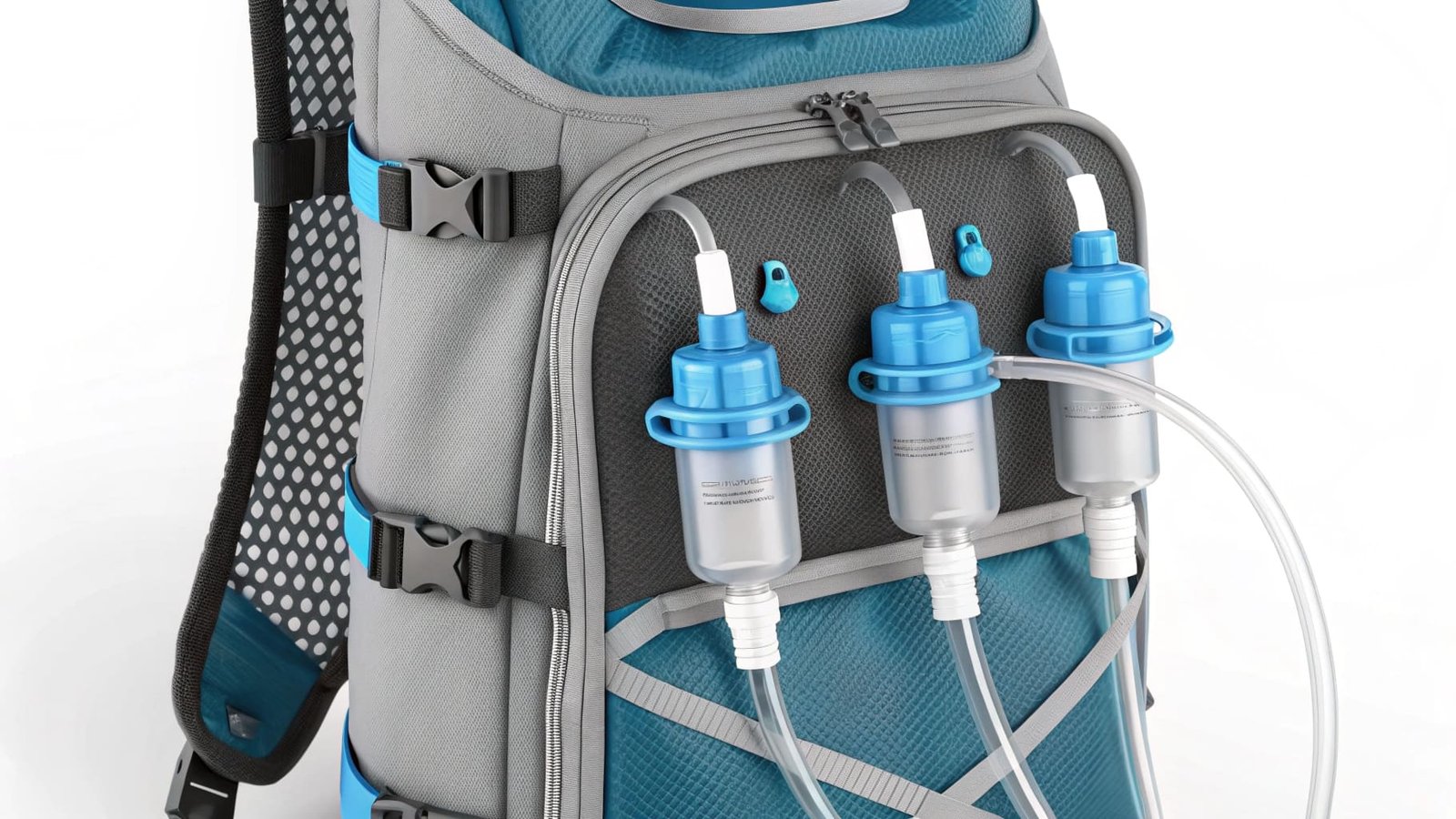
I work directly with procurement officers who supply outdoor retail chains in cold-weather regions. They face specific challenges. Standard bladders freeze solid when temperatures drop below minus five degrees Celsius. The water becomes useless weight. We developed insulated hose tubes and bite valve covers to solve this problem. These accessories extend bladder functionality into winter hiking and alpine mountaineering markets.
Material selection defines bladder quality for serious hiking applications. TPU offers superior puncture resistance compared to standard plastics. It also resists bacterial growth better than many alternatives. I see this specification appearing more frequently in RFQs from European buyers who prioritize food safety certifications. They need products that meet EU regulations for materials in contact with drinking water.
The cleaning requirement separates amateur products from professional-grade bladders. Narrow openings make thorough cleaning nearly impossible. Bacteria accumulates in corners and seams. I recommend wide-mouth designs with removable top caps for hygiene-conscious markets. This feature costs slightly more to manufacture but dramatically reduces warranty claims related to mold or taste problems.
But here is the crucial supply chain insight. The bladder's technical excellence means nothing if replacement parts are unavailable. I learned this from a distributor in the United States who stocked premium bladders from a European manufacturer. The products performed beautifully. Customers loved them. Then bite valves started wearing out after normal use. The European supplier had a 12-week lead time for replacement components and required minimum orders of 500 units per SKU. The distributor could not commit to that volume for small parts. He lost customers to brands with readily available components.
| Component | Typical Lifespan | Replacement Frequency | Impact on Customer Retention |
|---|---|---|---|
| Bite Valve | 6-8 months | High | Critical |
| Hose Tube | 12-18 months | Medium | High |
| Cap Gasket | 8-12 months | Medium | Medium |
| Reservoir Body | 3-5 years | Low | Low |
This table shows the replacement cycle reality. Notice that the highest-wear components are small, inexpensive parts with critical importance to customer retention. A retailer without bite valves in stock loses customers even though they sell excellent bladders. I structure our wholesale pricing to encourage parts inventory. We offer lower minimum order quantities on replacement components specifically to help retailers maintain complete product ecosystems.
The best hiking hydration bladder for your supply chain is one backed by a supplier who understands this parts relationship. You need technical quality in the bladder itself. You also need reliable access to consumable components. I track lead times obsessively because I know my retail partners cannot wait three months for a shipment of $2 bite valves. We maintain safety stock levels that support emergency orders. This approach costs us money in inventory carrying charges. It saves our partners from losing customers to competitors.
Conclusion
Replacement parts transform hydration bladders from one-time sales into recurring revenue streams. Smart retailers partner with suppliers who prioritize parts availability. Your customer retention depends on it.
-
Understand the critical role of bite valves in hydration systems and their impact on user experience. ↩
-
Get insights into the essential features that define effective hydration systems for adventurers. ↩
-
Discover the advantages of hydration bladders that make them a favorite among outdoor lovers. ↩
-
Learn about the specifications that ensure quality and performance in hydration bladders. ↩
-
Understand the importance of using safe materials in hydration products for health and safety. ↩