How to Choose Silicone Tumbler Components for Private Label Drinkware?
I remember when a client lost $50,000 because their tumbler lids leaked during shipping. The silicone gaskets failed quality tests. Choosing the wrong components can destroy your brand reputation before you even start.
Choose food-grade silicone1 components that meet FDA standards. Focus on base grips, lid gaskets2, protective sleeves, and mouthpiece seals. Test compatibility between silicone and metal parts. Start with modular components instead of custom molds to reduce costs and speed up your market entry.
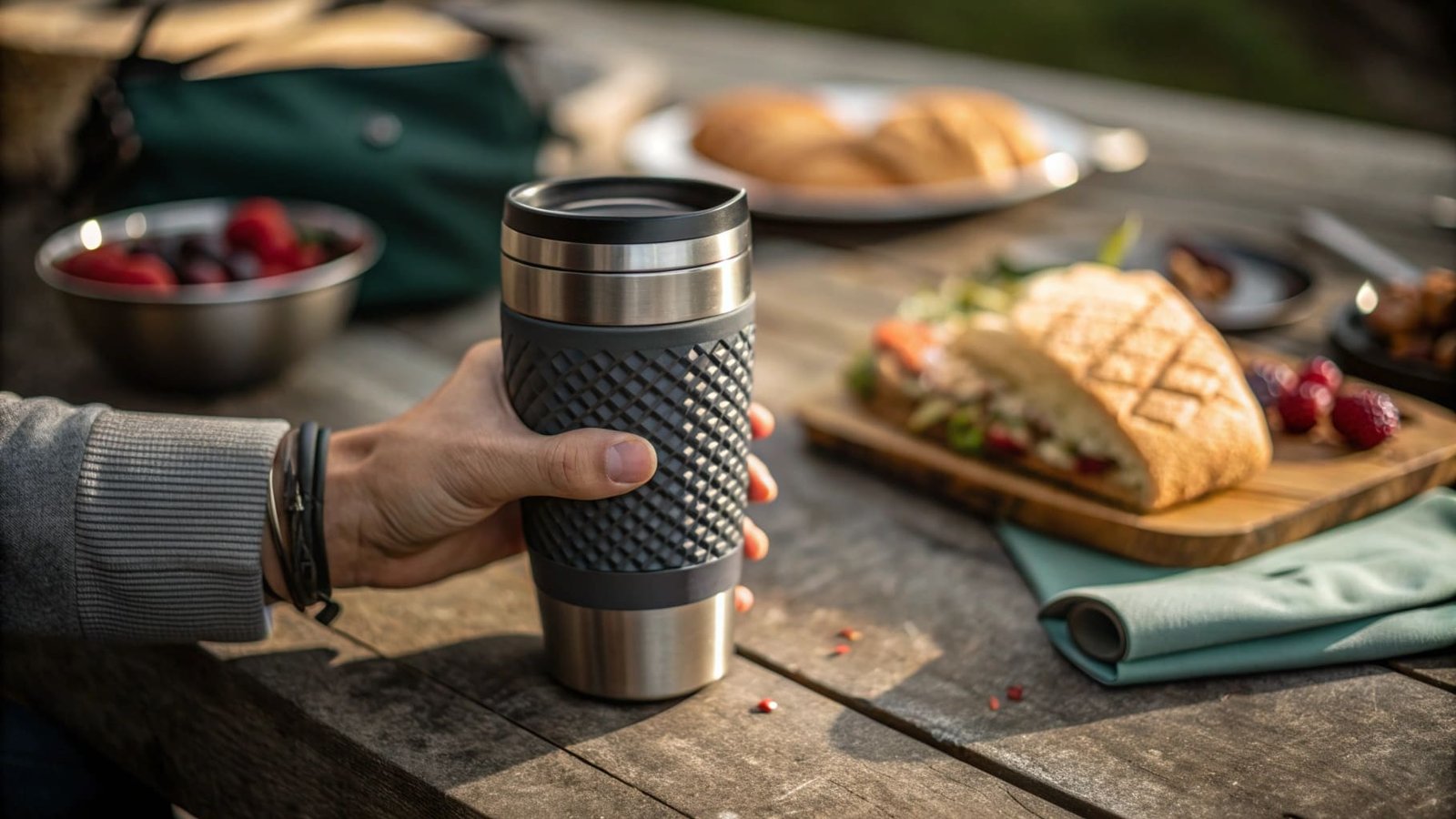
You need to know what works before you invest. I have seen too many brands waste money on wrong choices. The right silicone components protect your customers and your profit margins.
What materials are used to make tumblers?
Your tumbler quality depends on two main materials working together. Many new brands focus only on the metal body. They forget about the silicone parts that customers actually touch and use every day.
Modern tumblers use stainless steel bodies combined with silicone components. The steel provides structure and temperature control. The silicone parts deliver comfort, safety, and leak-proof performance. Both materials must work as a complete system.
Stainless Steel Body Options
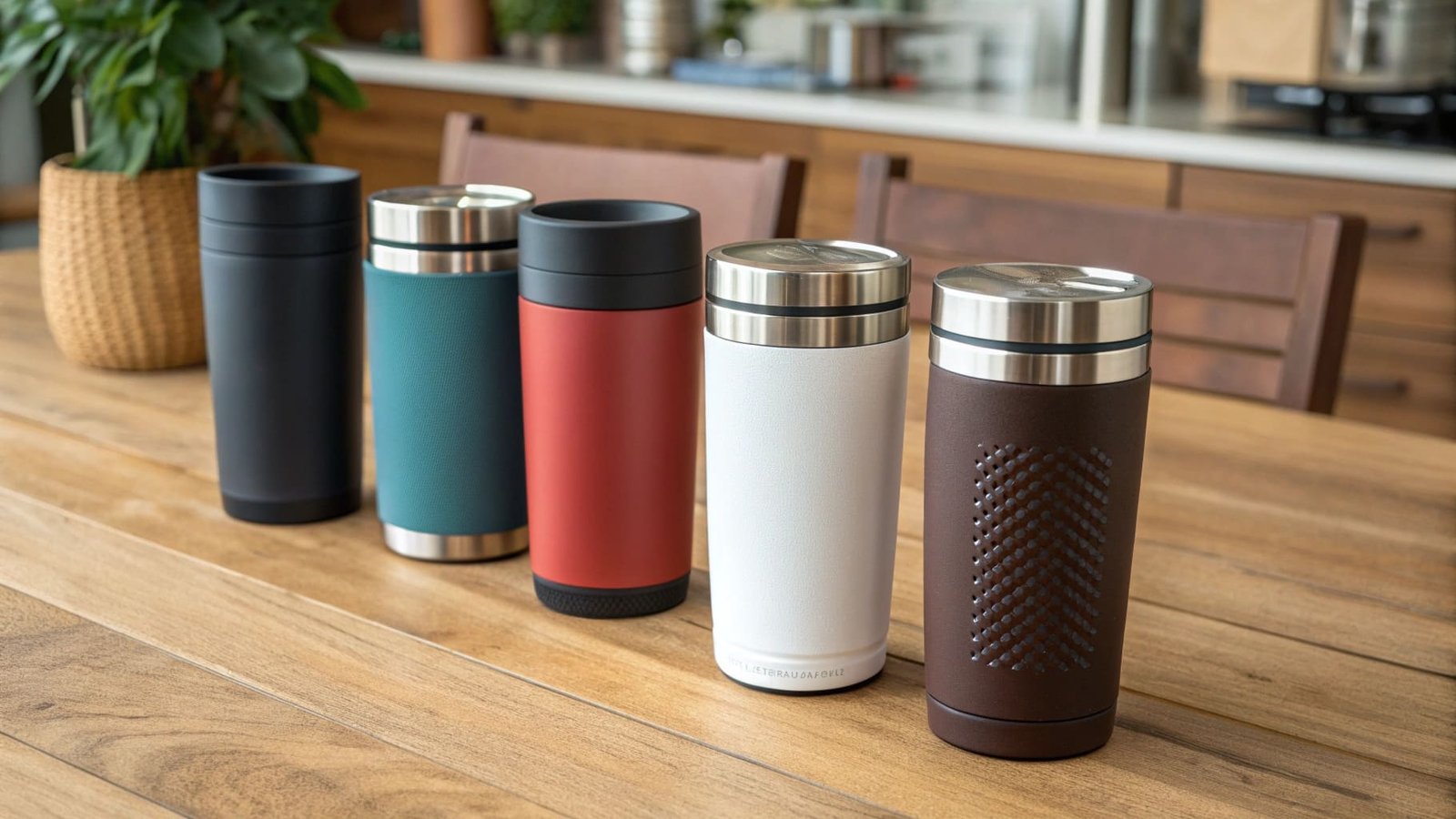
I always recommend 304 or 316 grade stainless steel for the main body. These grades resist rust and corrosion better than cheaper alternatives. Your customers will use these tumblers for years. The steel needs to handle daily wear without breaking down.
The 304 grade works well for most applications. It costs less and performs reliably. The 316 grade offers superior protection against saltwater and acidic drinks. I suggest 316 grade if your customers live near oceans or drink citrus beverages frequently.
The wall thickness matters more than most people realize. Double-wall construction with vacuum insulation keeps drinks cold for 24 hours or hot for 12 hours. Single-wall tumblers cost less but perform poorly. Your customers will notice the difference immediately.
Critical Silicone Components
The silicone parts make or break your tumbler performance. I have tested hundreds of combinations over the years. Four components matter most for private label success.
Base grips prevent your tumbler from sliding on surfaces. They also protect furniture from scratches. I recommend 50-60 Shore A hardness for these grips. This range provides enough cushioning without wearing out too quickly.
Lid gaskets create the seal that prevents leaks. These small rings sit between the lid and the tumbler body. They must compress evenly to work properly. I have seen gaskets fail because manufacturers used the wrong durometer rating.
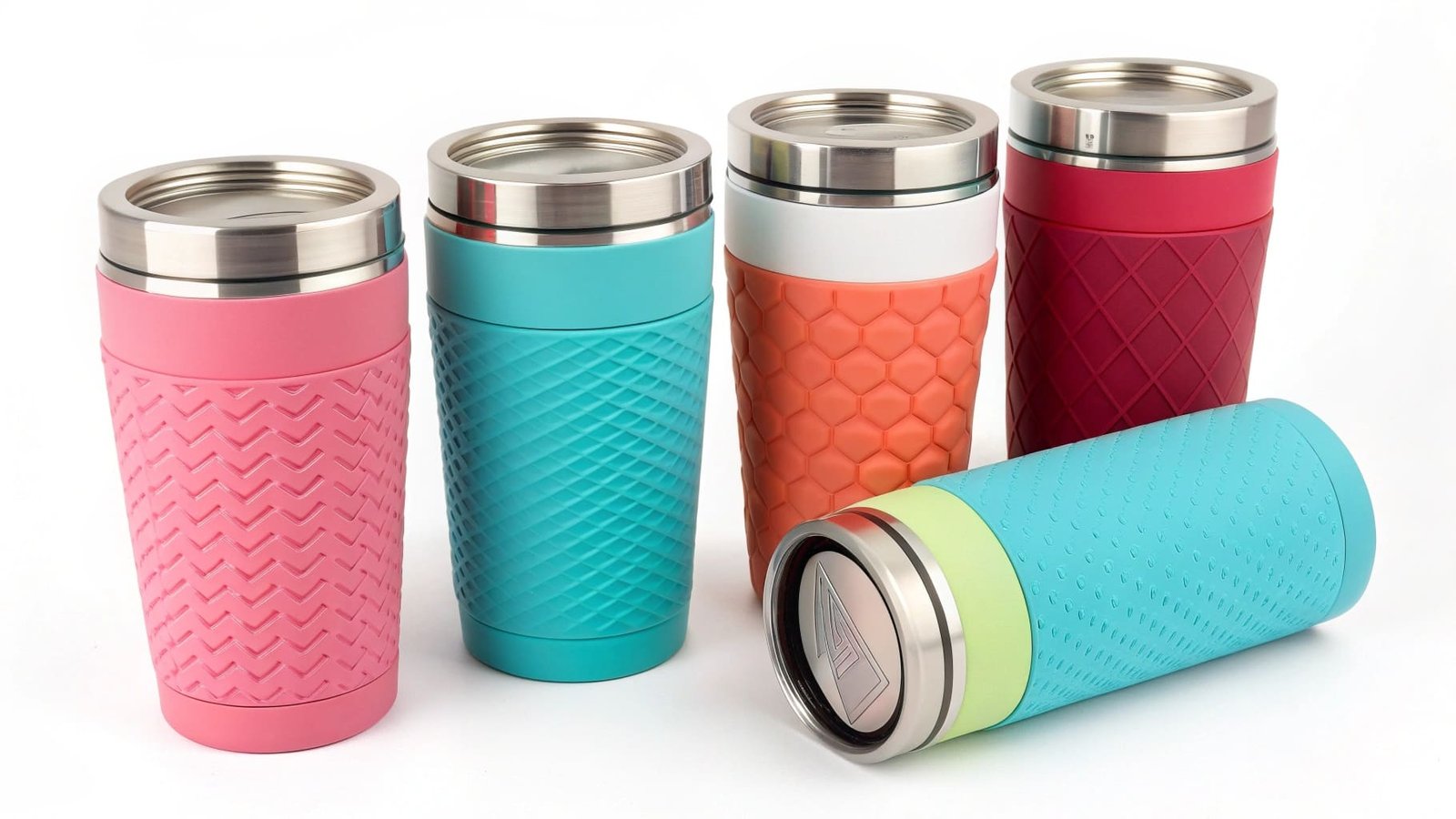
Protective sleeves wrap around the tumbler body. They provide grip and thermal protection. These sleeves also offer the largest surface area for your brand logo. I suggest textured finishes that feel good in hand and hide minor wear patterns.
Mouthpiece seals contact your customer's lips directly. These components need the softest silicone formulation. I recommend 40-45 Shore A for comfortable drinking. The material must resist staining from coffee and tea.
Material Compatibility Requirements
You cannot just mix any silicone with any steel. The materials must bond properly during assembly. They also need to expand and contract at compatible rates when temperature changes.
I test every new combination through temperature cycling. We run samples from -40°C to 230°C repeatedly. This process reveals whether the silicone will separate from the metal over time. Most failures happen because brands skip this testing phase.
The surface finish of your stainless steel affects silicone adhesion. Brushed finishes work better than mirror polish for mechanical grip. Some manufacturers use food-grade adhesives to enhance bonding. I prefer mechanical retention methods when possible because adhesives can degrade.
What do I need to start customizing tumblers?
Starting customization feels overwhelming when you see all the options. Most new brands spend months researching without making decisions. I can simplify this process into three essential requirements.
You need certified food-grade silicone, appropriate durometer specifications, and a manufacturer who supports low minimum order quantities. These three factors determine whether you can test your market effectively without excessive financial risk.
Food-Grade Certification Standards
Your silicone must meet FDA standards if you sell in North America. European markets require LFGB certification. These certifications prove your material is safe for food contact. I never work with suppliers who cannot provide these documents immediately.
The certification process tests for harmful chemicals that might leach into drinks. Lead, cadmium, and phthalates must be completely absent. Some cheaper silicones contain fillers that fail these tests. You will face legal problems if your products harm customers.
REACH compliance becomes mandatory for European sales. This regulation restricts over 200 substances in consumer products. I recommend getting REACH certification even if you only sell domestically at first. Your business might expand internationally later.
Here is what each certification covers:
| Certification | Region | Key Requirements | Testing Focus |
|---|---|---|---|
| FDA | North America | Food contact safety | Chemical migration limits |
| LFGB | Europe | Material purity | Heavy metal content |
| REACH | Europe | Substance restrictions | Banned chemical compliance |
| BPA-Free | Global | Specific compound absence | Bisphenol A testing |
Durometer Hardness Selection
Durometer measures how hard or soft your silicone feels. The Shore A scale runs from 0 to 100. Higher numbers mean harder material. I use different hardness levels for different components.
Base grips need 50-60 Shore A for the right balance. This range provides cushioning without compressing permanently. Softer materials wear out faster under repeated use. Harder materials fail to absorb impacts properly.
Lid gaskets require 55-65 Shore A for reliable sealing. The material must compress enough to fill gaps but spring back to shape after opening. I have tested gaskets as soft as 40 Shore A. These compressed too easily and leaked after a few uses.
Protective sleeves work best at 45-55 Shore A. This range feels comfortable in hand and stretches enough for installation. Too soft and the sleeve tears during assembly. Too hard and customers complain about uncomfortable grip.
Mouthpiece seals need the softest formulation at 40-45 Shore A. Your customers notice this component every time they drink. The silicone must feel gentle against lips without being fragile.
Manufacturer Partnership Requirements
Your manufacturer determines your success more than any other factor. I have worked with over 50 silicone suppliers across China and Vietnam. The best partners share specific characteristics.
Low minimum order quantities3 let you test the market before committing large investments. I look for manufacturers offering 500-1000 unit MOQs for initial orders. Some suppliers demand 5000-10000 units minimum. These high MOQs trap you with unsold inventory if your design fails to sell.
Technical support separates good manufacturers from mediocre ones. You need engineers who can explain durometer selection and test compatibility between components. Sales representatives without technical knowledge cost you time and money.
Fast sampling capability matters for private label brands. I expect functional samples within 10-14 days after confirming specifications. Some manufacturers take 30-45 days for samples. This delay pushes back your entire launch timeline.
Quality control systems protect your brand reputation. Ask potential manufacturers about their testing procedures. I require manufacturers to show me their durometer testing equipment and temperature cycling chambers. If they cannot demonstrate these capabilities, I move to the next supplier.
What material are tumblers made of?
The question seems simple but the answer reveals why many private label brands fail. People assume all tumblers use similar materials. This assumption leads to poor component choices and customer complaints.
Tumbler construction combines structural materials with functional components. The outer body provides temperature control and durability. The inner lining and silicone parts deliver safety and user comfort. Each material serves a specific engineering purpose.
Body Construction Materials
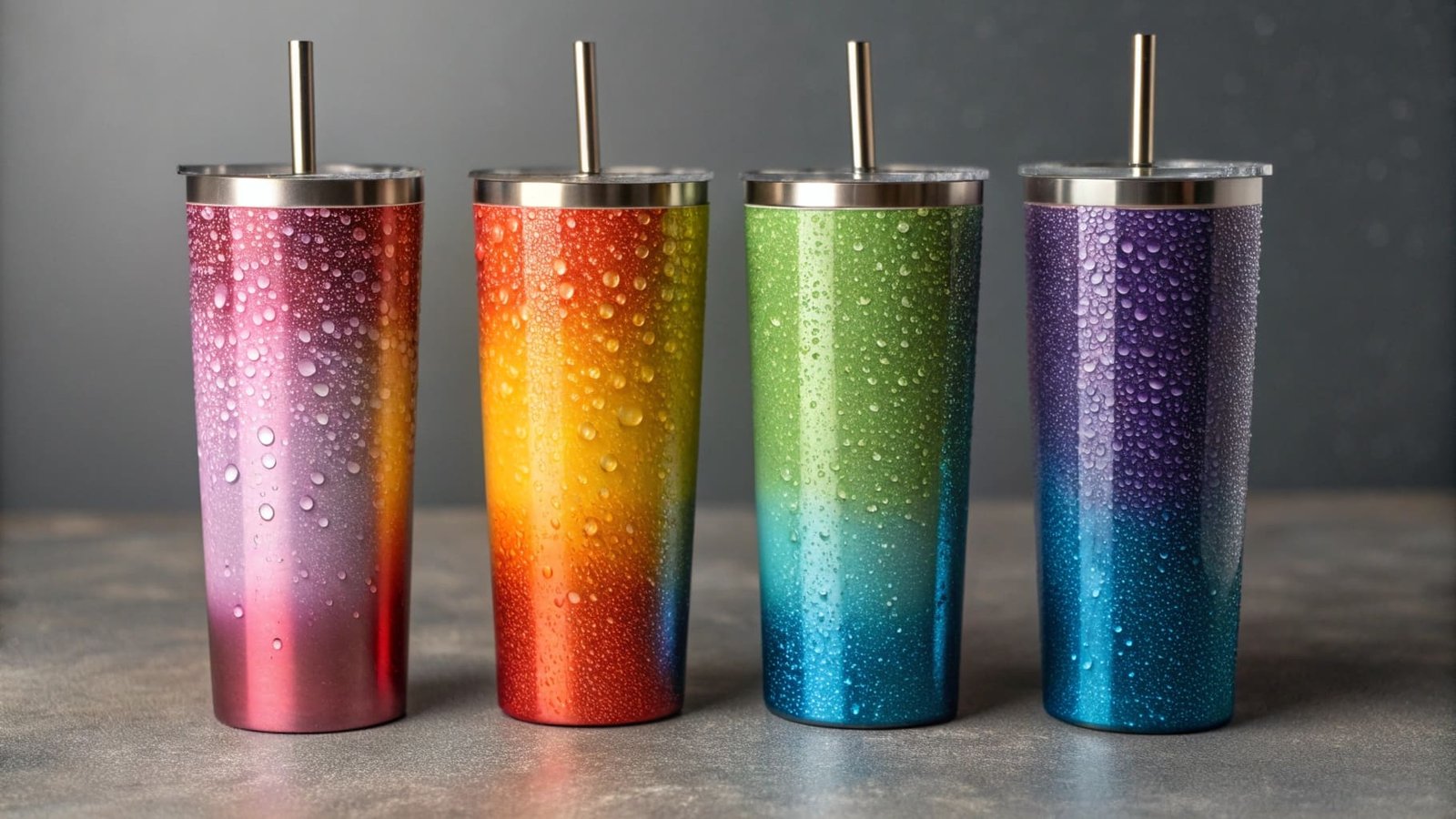
Stainless steel dominates the premium tumbler market. I have seen brands try aluminum and plastic alternatives. These cheaper materials cannot match stainless steel performance. Aluminum dents easily and conducts heat too quickly. Plastic degrades from hot liquids and dishwasher cycles.
The 304 stainless steel4 grade contains 18% chromium and 8% nickel. This composition resists corrosion from most beverages. Coffee and tea contain acids that attack lesser metals. Your tumbler body must withstand these daily exposures for years.
The 316 stainless steel5 grade adds molybdenum to the alloy. This element provides superior resistance to chlorides and saltwater. I recommend 316 grade for customers near beaches or pools. The extra cost seems small compared to preventing rust complaints.
Vacuum insulation between double walls creates the temperature retention people expect. The vacuum prevents heat transfer through conduction. Cheap tumblers use air gaps instead of true vacuum. These perform poorly and disappoint customers quickly.
Inner Coating Considerations
Some manufacturers apply ceramic or polymer coatings to the inner surface. These coatings claim to improve flavor neutrality and prevent metallic taste. I have tested dozens of coating options over the years.
Most coatings add unnecessary cost without meaningful benefits. High-quality stainless steel does not impart metallic taste to beverages. The coating becomes an additional failure point that might chip or peel. I prefer uncoated interiors for reliability.
Copper plating between the double walls enhances thermal performance slightly. Some brands use this feature for marketing purposes. The actual improvement measures only 10-15% compared to standard vacuum insulation. Most customers cannot detect this difference in real-world use.
Silicone Component Integration
The silicone parts integrate with metal components through several methods. Mechanical retention works best for long-term durability. This approach uses grooves and undercuts in the metal to hold silicone parts in place.
Some manufacturers use compression fitting for lid gaskets. The lid screws down and compresses the silicone against the tumbler rim. This method works reliably if you specify the correct gasket thickness and compression ratio.
Adhesive bonding seems convenient but introduces risks. The adhesive must withstand temperature extremes and repeated washing. Many food-safe adhesives break down in dishwashers. I have seen sleeves separate from tumblers after just a few cleaning cycles.
Overmolding creates the strongest bond between silicone and metal. This process injects liquid silicone directly onto the metal component during manufacturing. The silicone bonds chemically to the prepared metal surface. Overmolding costs more and requires higher MOQs. I recommend this method only after you prove market demand with simpler attachment methods.
Future Material Trends for 2026
Bio-based silicone alternatives are entering the market now. These materials derive from renewable resources instead of petroleum. The performance matches conventional silicone while reducing environmental impact. I expect eco-conscious brands to adopt these materials by 2026.
Recycled stainless steel content is increasing in new tumbler production. Some manufacturers now offer bodies with 50-70% recycled content. The quality matches virgin steel while supporting circular economy goals. This feature appeals to customers who prioritize sustainability.
Smart material coatings that change color with temperature are becoming affordable. These coatings use thermochromic pigments embedded in food-safe silicone. The visual effect creates memorable unboxing experiences. I see this trend growing among brands targeting younger demographics.
Antimicrobial silicone formulations use silver ion technology to reduce bacterial growth. This feature addresses concerns about mouthpiece hygiene. The antimicrobial effect lasts for the product lifetime without washing off. I expect this to become standard in premium private label offerings by 2026.
Conclusion
Choose components based on testing and compatibility rather than price alone. Start with modular parts and proven materials. Your brand reputation depends on these early decisions. I have seen this approach work for hundreds of successful private label brands.
-
Explore the importance of food-grade silicone for safety and quality in drinkware. ↩
-
Discover how lid gaskets are crucial for leak-proof performance. ↩
-
Discover how low MOQs can help you test the market effectively. ↩
-
Understand why 304 stainless steel is a popular choice for durability. ↩
-
Discover the advantages of 316 stainless steel for coastal and acidic environments. ↩