Which Comprehensive Hydration Bladder Guides Help B2B Product Development?
I watched a Canadian buyer reject a container shipment last month because his supplier never explained proper bladder testing protocols. His brand reputation suffered. Three years of building trust vanished overnight.
The best guides combine material specifications with real-world failure analysis and testing procedures. They show you exactly which certifications matter, how to verify supplier claims, and what questions to ask before signing purchase orders. This knowledge protects your investment and speeds up product launches.
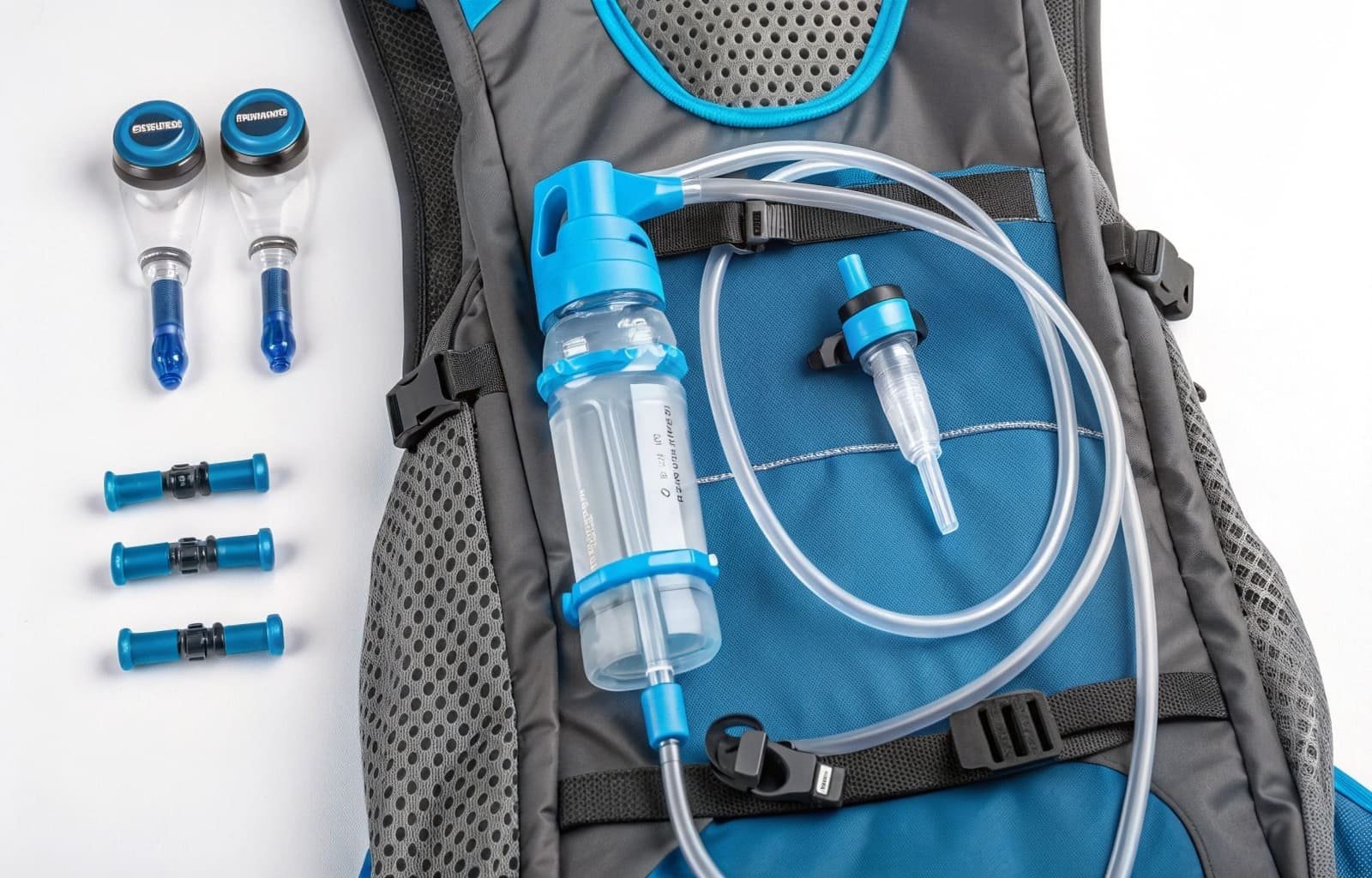
I learned this the hard way when I started silijoy. Early clients asked questions I could not answer about silicone components in hydration systems. I studied every technical document I could find. Now I share what actually works for B2B buyers developing these products.
What are the best hydration bladders?
You need bladders that pass FDA testing and survive real abuse from end users. Poor material choices create warranty nightmares. I saw one startup founder lose his entire profit margin replacing faulty bladders after six months.
The best bladders use food-grade TPU1 or silicone materials with welded seams, antimicrobial treatments, and bite valves that maintain flow rates after hundreds of uses. They come with clear specifications you can verify through third-party testing before mass production.
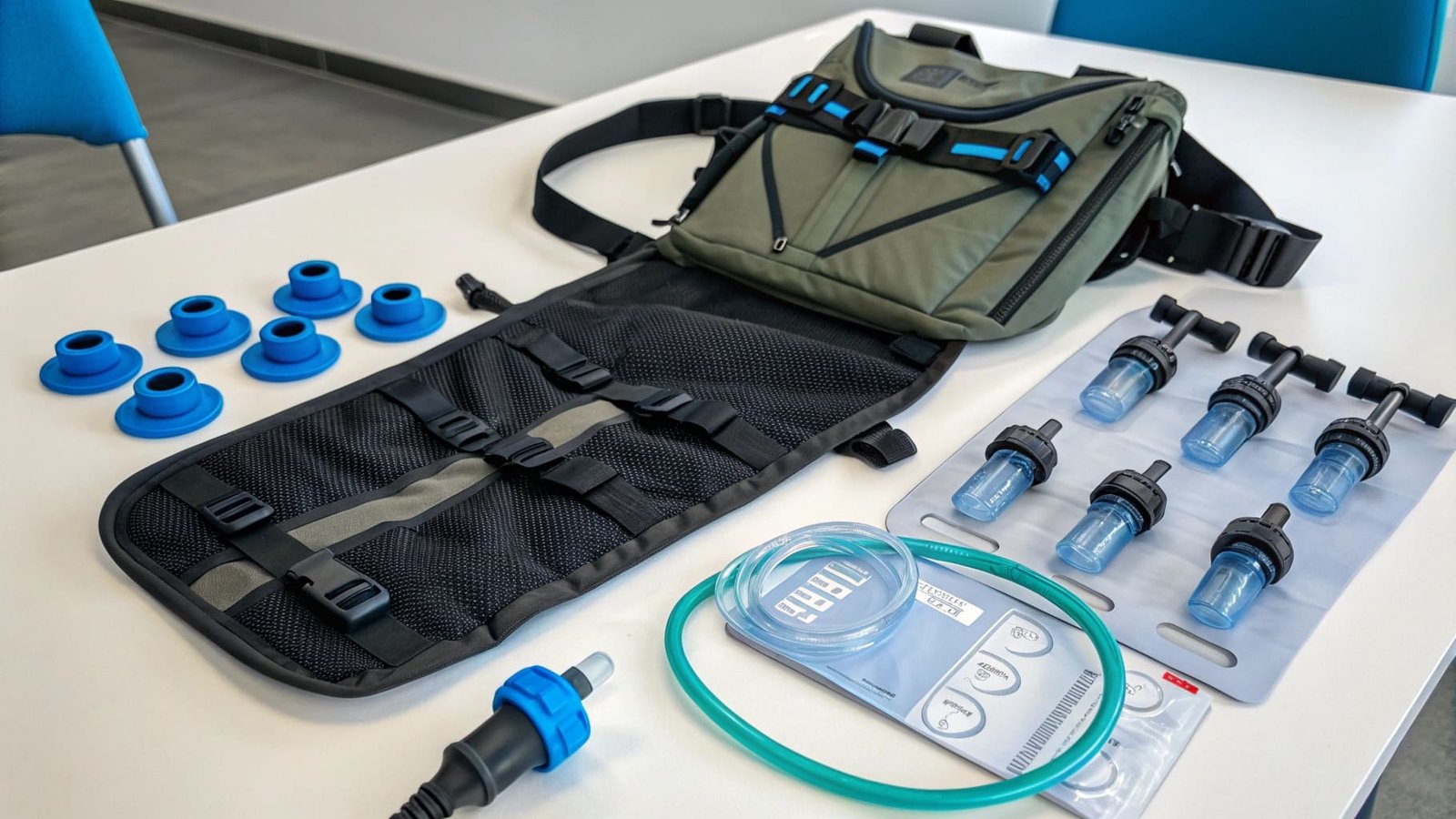
Understanding Material Quality Standards
I visit factories across China every quarter. The quality gap between suppliers shocks most first-time buyers. You cannot judge bladder quality by looking at samples alone. You need documentation and testing protocols.
Start with material certification2. Real food-grade TPU comes with specific FDA compliance documents. Fake certificates exist everywhere. I call the testing lab directly to verify every new supplier. It takes fifteen minutes but saves thousands in rejected shipments.
Temperature resistance matters more than most buyers realize. Your bladders need to handle both freezing conditions and hot car interiors. Standard TPU cracks below minus ten degrees Celsius. Premium materials maintain flexibility down to minus twenty. This difference determines whether your product works in Canada or Norway.
| Material Type | Temperature Range | Taste Neutrality | Typical Lifespan | Cost Factor |
|---|---|---|---|---|
| Standard TPU | -10°C to 60°C | Moderate | 2-3 years | 1x |
| Premium TPU | -20°C to 70°C | Good | 3-5 years | 1.5x |
| Food-Grade Silicone | -40°C to 200°C | Excellent | 5-7 years | 2.3x |
Construction methods separate reliable products from future problems. Welded seams cost more but prevent the slow leaks that destroy customer trust. Glued connections fail when users clean bladders with hot water. I test this myself by filling samples and leaving them in my car during summer. Glued seams always separate first.
Check the bite valve carefully. Most suppliers use cheap rubber that degrades after three months of saliva exposure. Quality silicone valves from silijoy maintain consistent flow for years. Replace the valve on every sample you test with a different brand. Feel the difference immediately.
How do you use a hydration bladder?
Wrong usage instructions create unnecessary returns and damage your brand reputation. Customers blame the product when they never learned proper care. I get emails weekly from frustrated buyers dealing with complaint patterns they could have prevented.
Fill bladders only two-thirds full to allow expansion. Clean them after every use with warm water and mild soap. Store them open and dry to prevent mold growth. Replace bite valves and tubes annually regardless of visible wear.
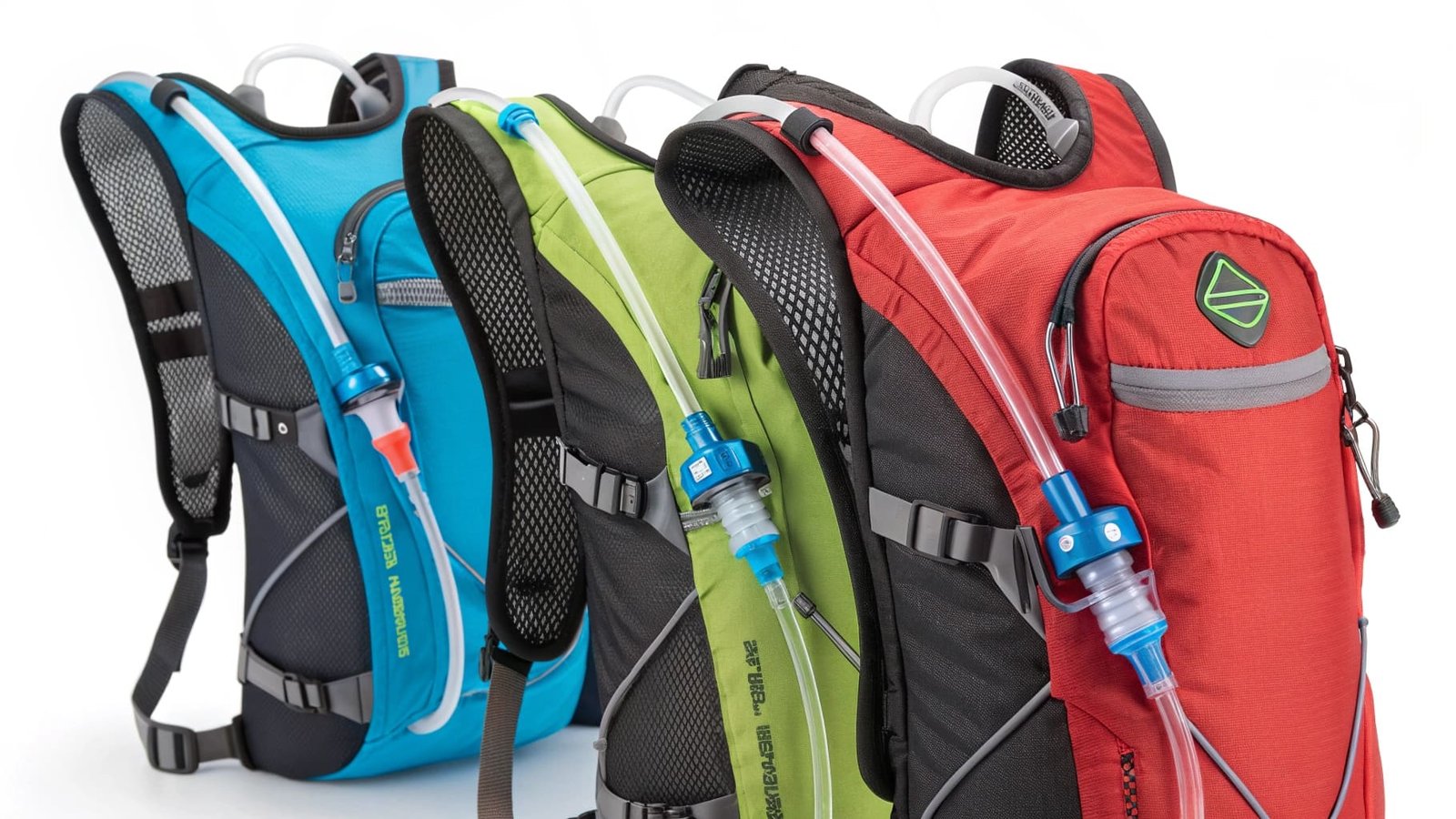
Creating Effective User Education Programs
Your success depends on customer education more than product features. I learned this after my first major client launched without proper user guides. Their return rate hit eighteen percent in month three. We created a simple video series together. Returns dropped to four percent.
Write instructions for people who never used hydration systems before. Assume nothing. One client's manual said "rinse before first use" but never explained why or how long. Users rinsed for five seconds with cold water. Plastic taste complaints flooded their support inbox.
Proper first-use preparation takes specific steps. Buyers need to rinse bladders with warm water three times. Then fill with a baking soda solution and let sit overnight. Rinse again thoroughly. This removes manufacturing residue and plastic smell completely. Skip these steps and customers notice taste issues immediately.
Cleaning protocols prevent the majority of problems. Most users just rinse with water after each hike. Bacteria grows in the tube where they cannot see it. Tell customers to use cleaning tablets monthly and flush the entire system with hot water weekly. A simple maintenance schedule card inside the package solves this.
| Maintenance Task | Frequency | Time Required | Impact on Lifespan |
|---|---|---|---|
| Basic rinse | After each use | 2 minutes | Prevents immediate issues |
| Deep clean with tablets | Monthly | 15 minutes | Extends life 40% |
| Tube brush cleaning | Bi-weekly | 5 minutes | Prevents bacterial growth |
| Component inspection | Quarterly | 10 minutes | Catches early wear |
Storage methods matter more than buyers expect. Hanging bladders upside down with the cap open prevents mold completely. Storing them rolled up wet creates permanent damage. I include a small hanger clip with every bladder order from silijoy now. This simple addition cut warranty claims significantly.
Temperature warnings save you from angry customers. Never freeze bladders full of liquid. The expansion cracks seams every time. Never put them in dishwashers despite what cheaper suppliers claim. The heat warps components and loosens valves. These warnings seem obvious but must appear clearly on packaging.
How long do CamelBak bladders last?
CamelBak sets industry benchmarks at three to five years with proper care. Your products need to match or exceed this standard to compete seriously. Anything less positions you as a budget alternative with all the margin pressure that brings.
Lifespan depends equally on material quality and user maintenance habits. Premium materials handle abuse better but improper storage ruins any bladder quickly. Design your product development around achievable durability claims you can defend with testing data.
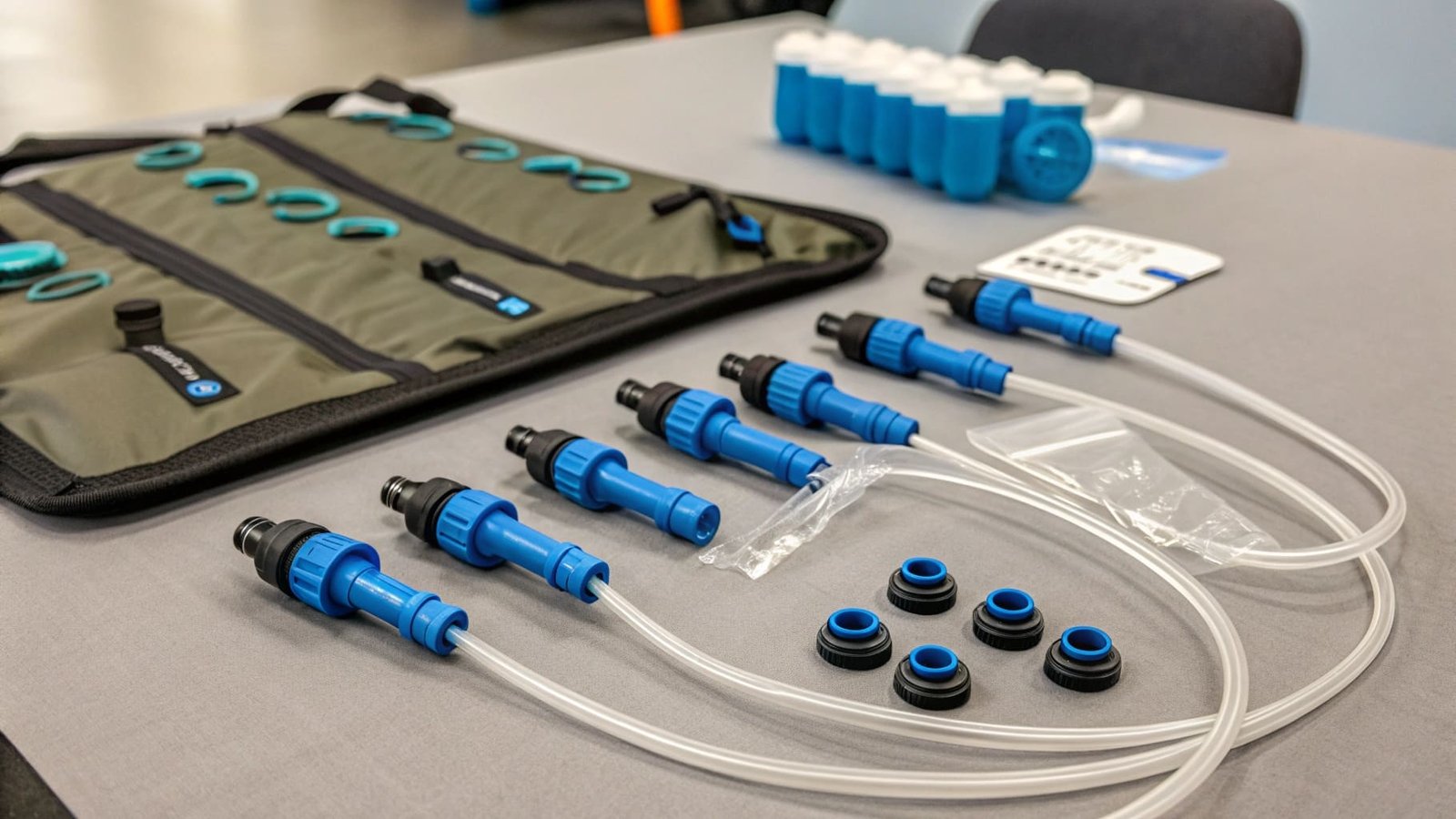
Engineering Long-Term Reliability
I test bladder durability using accelerated aging protocols that most suppliers never mention. You should demand this data before placing orders. Real lifespan predictions require more than guessing based on material specs.
UV exposure destroys bladders faster than anything else. Direct sunlight breaks down TPU molecular structure within months. Premium materials include UV inhibitors that extend outdoor lifespan significantly. Test this by leaving samples in direct sun for thirty days. Compare flexibility and color change. Quality materials show minimal degradation.
Cycle testing reveals weak points early. Fill and empty bladders one hundred times while monitoring for leaks or stress cracks. This simulates roughly two years of weekend use. Failures during testing predict field problems accurately. I reject any supplier whose samples fail before one hundred fifty cycles.
| Stress Test Type | Industry Standard | Premium Target | Common Failure Points |
|---|---|---|---|
| Fill/Empty cycles | 100 minimum | 200+ cycles | Seam separation, valve leaks |
| Temperature cycling | -10°C to 60°C | -20°C to 70°C | Material brittleness, seal failure |
| UV exposure | 30 days | 90 days | Material clouding, flexibility loss |
| Drop testing | 1 meter, full | 2 meters, full | Burst seams, cap cracks |
Component replacement schedules protect both you and your customers. Bite valves wear out faster than bladders themselves. Smart brands sell replacement kits that generate recurring revenue and keep customers happy. I recommend designing products where tubes and valves use standard sizes. This makes replacement sourcing easier for everyone.
Chemical resistance testing matters for serious buyers. Customers put sports drinks, vitamin mixes, and who knows what else in these bladders. Sugar solutions accelerate bacterial growth. Acidic drinks attack certain materials over time. Test with common beverages for thirty-day periods. Check for staining, taste transfer, and material degradation.
Manufacturing defects appear within the first three months typically. I build a replacement buffer into early production runs automatically. Tell customers upfront you guarantee performance for five years but expect them to report any issues within ninety days. This manages expectations while demonstrating confidence in your quality control.
Conclusion
Product guides that combine material science with practical failure analysis give B2B buyers the confidence to develop competitive hydration bladder lines. Focus on verifiable testing, clear communication, and realistic durability claims that match your target positioning.