How to Clean Silicone Rings Properly for Food Safety in Production Facilities?
Dirty silicone rings in food production put everything at risk. One overlooked seal can contaminate an entire batch. Most facilities get the cleaning part wrong from the start.
Cleaning silicone rings in food production facilities requires three steps: remove debris with warm water and food-safe detergent, rinse thoroughly to clear all residue, then disinfect with an approved sanitizer. Never use harsh solvents or abrasive tools. Always follow the cleaning guidelines your supplier provides for that specific silicone formulation.
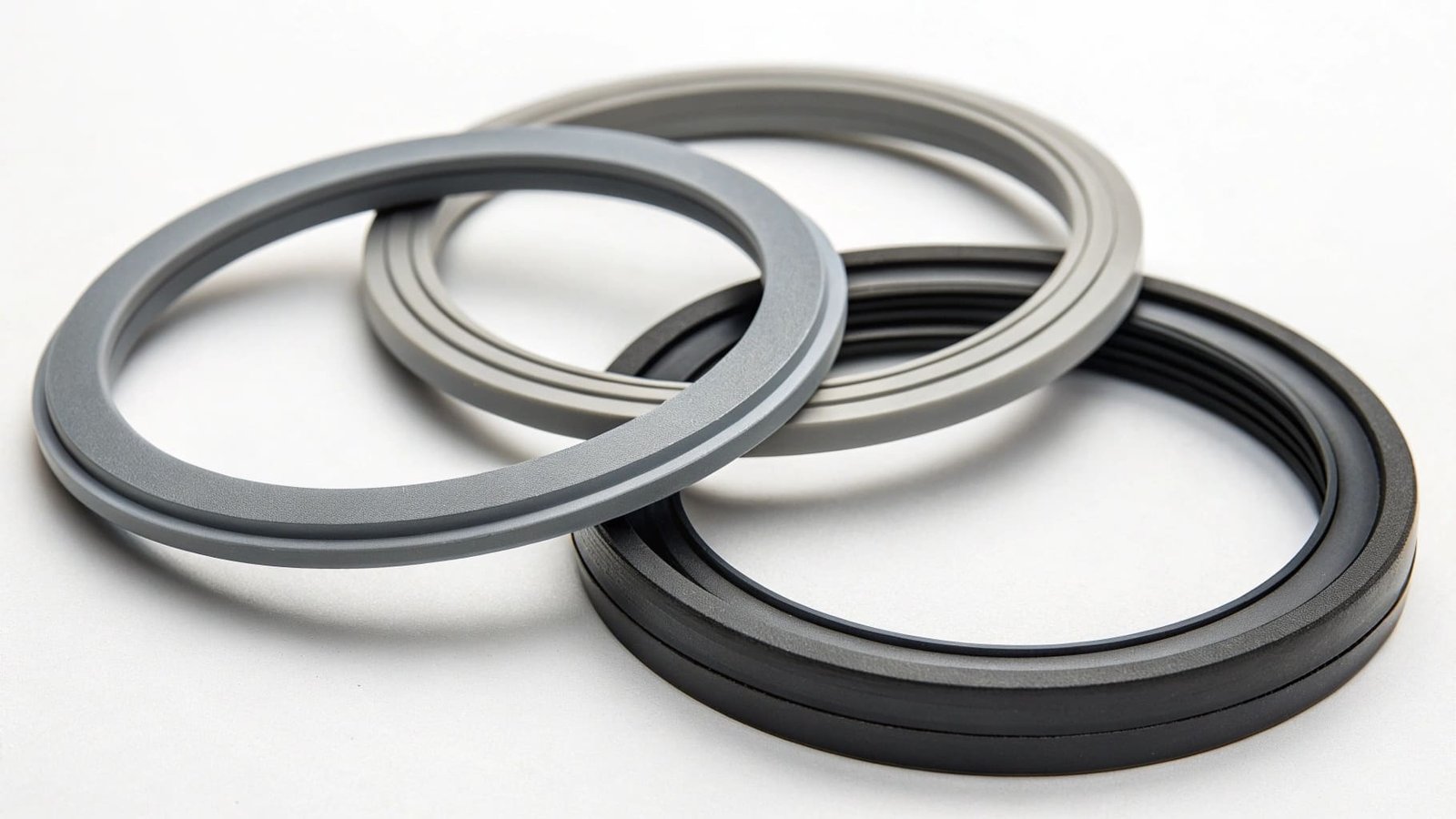
I have spoken with many procurement teams who treat silicone ring cleaning as a minor task. It is not. The way you clean these rings directly affects both food safety and how long the rings last. Get it wrong, and you are replacing parts far too often. Get it right, and your production line runs safely for years. Let me break this down clearly so you know exactly what to do.
How Do You Clean Silicone Rings?
Most facilities assume any soap and water will do the job. That thinking leads to residue buildup, surface damage, and early part failure.
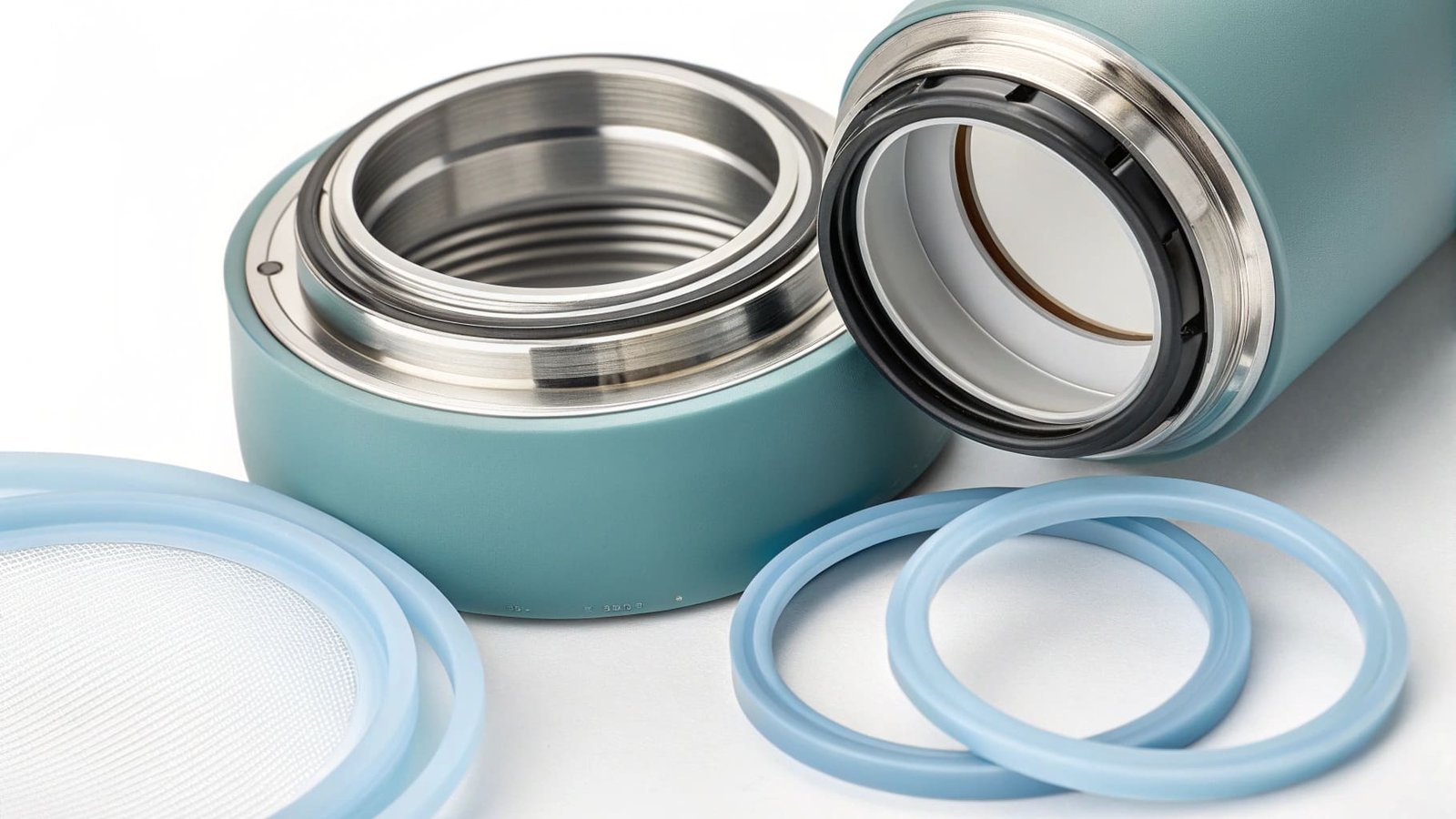
Cleaning silicone rings correctly means starting with warm water and a food-safe detergent to lift surface debris. Rinse completely to remove all soap. Then follow up with an approved disinfectant. For industrial lines, CIP systems work well with silicone when water temperatures stay within the material's rated range.
Why the Cleaning Method Matters More Than You Think
The biggest mistake I see is using the wrong tools. Abrasive brushes and strong chemical solvents feel like they are doing a deep clean. They are not. They are creating tiny scratches on the silicone surface. Those scratches are invisible to the eye, but bacteria find them easily.1 Once bacteria settle into those micro-grooves, standard cleaning will not reach them.
Here is a simple breakdown of what works and what does not:
| Cleaning Method | Safe for Silicone? | Reason |
|---|---|---|
| Warm water + food-safe detergent | Yes | Gentle, effective for daily cleaning |
| Soft cloth or brush | Yes | Cleans without scratching the surface |
| Abrasive scrubbing pads | No | Creates micro-scratches that trap bacteria |
| Bleach-based cleaners | Depends | Some formulations are safe, check with your supplier |
| Acetone or strong solvents | No | Degrades silicone material over time |
| CIP systems (within temp range) | Yes | Efficient for industrial-scale facilities |
For production facilities running high volumes, manual cleaning is rarely practical. CIP systems offer a consistent, repeatable process. The key is keeping temperatures within the silicone's tolerance range. Most food-grade silicone rings handle temperatures up to 200°C2, but you should always verify the spec sheet from your supplier before setting CIP parameters.
The other thing people miss is rinse quality. Detergent residue left on a silicone ring is a contamination risk on its own. A proper rinse cycle is not optional. It is part of the cleaning protocol, not a finishing touch. Run your rinse water until the output runs completely clear.
Finally, always dry silicone rings before storage or reinstallation. Moisture trapped in a stored ring creates conditions for mold growth.3 This is especially true in humid environments. A clean, dry ring stored correctly will last significantly longer than one that is just left wet on a shelf.
Are Silicone Rings Food Safe?
There is a lot of confusion around this. Buyers ask me regularly whether silicone is truly safe for food contact, or whether it is just a marketing claim.
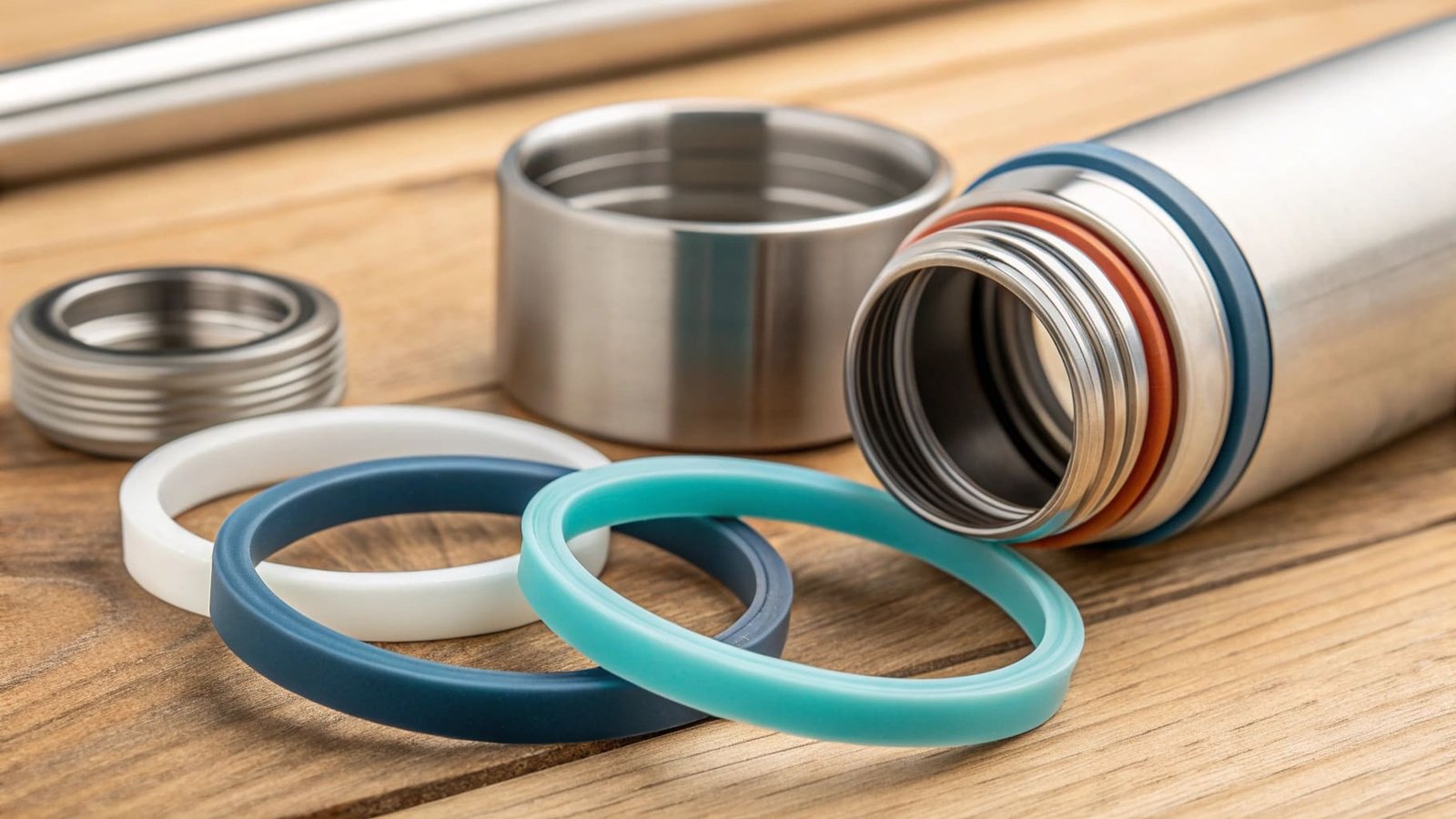
Food-grade silicone rings are safe for food contact when they carry valid certifications such as FDA compliance or EU food contact approval.4 The material itself does not leach harmful chemicals under normal conditions.5 Safety depends on both the certification of the material and how the ring is maintained after purchase.
What Makes a Silicone Ring Truly Food Safe?
The material alone does not guarantee food safety. I have seen suppliers present certificates that look legitimate but do not hold up under review. This is one of the most common pain points I hear from buyers. A certificate can be printed. A product cannot fake its composition.
Here is what you should look for when evaluating a silicone ring for food production use:
| Safety Factor | What to Check |
|---|---|
| FDA Compliance | Confirm the specific grade meets 21 CFR standards for food contact |
| EU Regulation | Check against EU 10/2011 for plastic materials used in food contact |
| Certificate Verification | Request the original certificate and verify it with the issuing body |
| Silicone Grade | Confirm it is food-grade, not industrial-grade silicone |
| Odor Test | Food-grade silicone should have no strong chemical smell |
| Surface Integrity | Rings should be smooth with no visible pores or rough patches |
The certification tells you what the material is capable of. Maintenance tells you what the material actually becomes in your facility. A certified food-grade silicone ring that gets cleaned with acetone or scrubbed with metal brushes is no longer performing at a food-safe standard. The surface has been compromised.
This is why I always say that the supplier relationship does not end at purchase. A good supplier gives you the certifications and gives you the cleaning and maintenance protocols that match the specific silicone formulation. Those two things go together. One without the other leaves you with incomplete information and real risk in your production line.
For large procurement teams, I recommend building a simple checklist that covers both the certification requirements and the post-purchase maintenance requirements before approving any silicone ring supplier. That habit alone eliminates a large portion of food safety risk that comes from using the wrong product the wrong way.
How Do You Disinfect Silicone Properly?
Cleaning and disinfecting are two different steps. Most people treat them as one. That gap is where contamination risk hides.
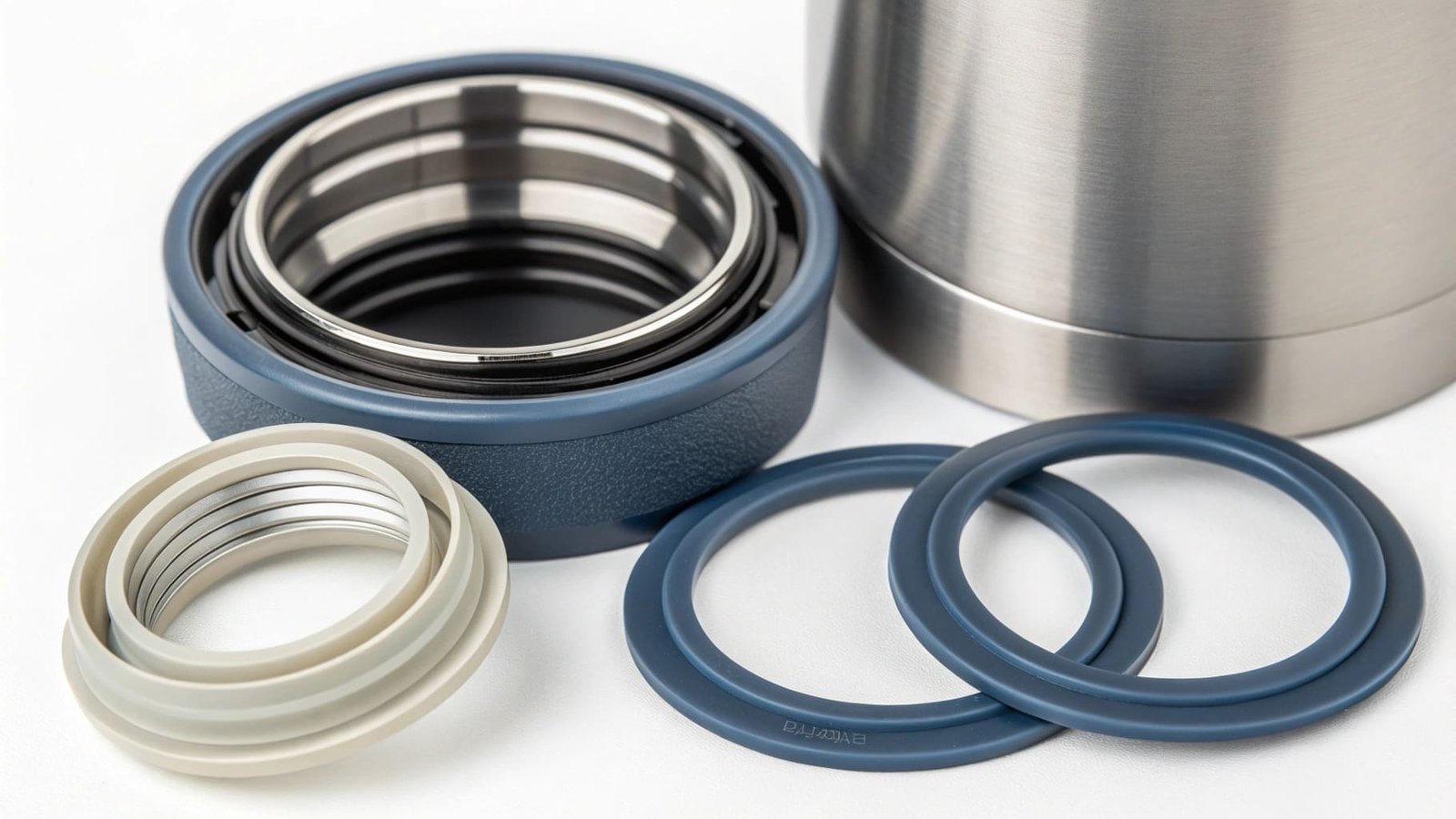
Disinfecting silicone rings properly means using an approved sanitizer after the cleaning step is complete. Steam sterilization at the correct temperature range is one of the most effective methods. It kills bacteria without leaving chemical residue6 and does not degrade the silicone material when done within the rated temperature limits.
The Right Way to Disinfect Without Damaging the Material
There are several disinfection methods used in food production. Not all of them are suitable for silicone. The table below gives a clear comparison:
| Disinfection Method | Suitable for Silicone? | Notes |
|---|---|---|
| Steam sterilization | Yes | Stay within the material's temperature rating |
| Boiling water | Yes | Effective and simple for smaller components |
| Food-safe chemical sanitizers | Yes | Verify compatibility with your silicone grade |
| UV disinfection | Yes | Effective for surface-level bacterial reduction |
| Alcohol-based sanitizers | Depends | Some formulations are fine, others degrade silicone over time |
| Strong oxidizing agents | No | Can break down silicone and reduce seal performance |
Steam sterilization is my preferred recommendation for industrial facilities. It reaches the disinfection level required by food safety standards. It leaves no chemical residue. And it does not rely on operator mixing ratios to be effective. Human error in diluting a chemical sanitizer is a real risk in a busy production environment. Steam removes that variable.
One thing to pay attention to with steam is the cycle temperature and duration. Food-grade silicone rings from a quality supplier will have a rated operating temperature. Make sure your sterilization cycle does not exceed that rating. Running steam at temperatures above what the material is designed for will cause the ring to lose its shape and compression performance over time. That means leaks. And in food production, a leaking seal is a contamination event waiting to happen.
After disinfection, the rings need to be handled correctly. Use clean, dry storage containers. Label them with the date of cleaning. Establish a rotation schedule so rings are not sitting in storage for extended periods before use. These steps seem basic, but they protect the work you already did in the cleaning and disinfection stage.
For procurement officers building long-term supply relationships, ask your supplier directly: what disinfection methods are compatible with your silicone formulation? Any supplier worth working with will have a clear answer. If they cannot tell you, that tells you something important about how much they actually know their own product.
Conclusion
Cleaning silicone rings correctly protects your production line and your product. Use the right method, verify your certifications, and disinfect with compatible processes. Your supplier should guide you through all of it.
-
"Influence of Surface Roughness, Nanostructure, and Wetting ... - PMC", https://pmc.ncbi.nlm.nih.gov/articles/PMC10848269/. Peer-reviewed studies on food-contact surfaces show that increased roughness and microscopic defects can enhance bacterial adhesion and protect cells from removal during cleaning, supporting the article's concern about scratches on silicone rings. Evidence role: mechanism; source type: paper. Supports: Bacteria can adhere more readily to roughened or damaged surfaces, and surface irregularities can reduce cleaning effectiveness.. Scope note: Many studies use stainless steel or plastic test coupons, so the evidence is mechanistic and contextual when applied to a specific silicone formulation. ↩
-
"Silicone rubber - Wikipedia", https://en.wikipedia.org/wiki/Silicone_rubber. Reference sources on silicone rubber describe it as a heat-resistant elastomer with typical service temperatures reaching approximately 200°C, supporting the article's general statement about common silicone temperature tolerance. Evidence role: general_support; source type: encyclopedia. Supports: Silicone rubber is generally known for heat resistance and service temperatures that can extend to about 200°C or higher depending on grade.. Scope note: This is a general material-property range and does not verify the rated temperature of any specific food-grade ring. ↩
-
"Mold | US EPA", https://www.epa.gov/mold. Public-health guidance from agencies such as the EPA and CDC identifies moisture control as essential for preventing mold growth, supporting the article's statement that wet storage conditions can create mold risk. Evidence role: mechanism; source type: government. Supports: Mold growth is promoted by moisture, and controlling moisture is a primary mold-prevention measure.. Scope note: The source supports the moisture-mold mechanism generally rather than documenting mold growth specifically on silicone rings. ↩
-
"21 CFR 177.2600 -- Rubber articles intended for repeated ...", https://www.ecfr.gov/current/title-21/chapter-I/subchapter-B/part-177/subpart-C/section-177.2600. Food-contact regulations in the United States and European Union establish compositional, migration, and use-condition requirements for materials intended to contact food, supporting the article's statement that certified food-grade silicone can be suitable for food-contact applications. Evidence role: definition; source type: government. Supports: Food-contact suitability is determined through compliance with applicable regulatory requirements for materials intended to contact food.. Scope note: Regulatory compliance supports suitability under specified conditions of use; it does not guarantee safety after improper cleaning, damage, or use outside the certified conditions. ↩
-
"Risk Assessment of Food Contact Materials II - PMC - NIH", https://pmc.ncbi.nlm.nih.gov/articles/PMC9131608/. Migration studies of silicone food-contact materials examine the release of siloxanes and other constituents under defined food-simulant and temperature conditions, supporting the narrower claim that properly formulated and compliant silicone is evaluated for chemical release during normal use. Evidence role: general_support; source type: paper. Supports: Migration from silicone food-contact materials is assessed under defined food-simulant and temperature conditions, and safety depends on formulation and use conditions.. Scope note: The evidence does not prove that all silicone products never leach harmful chemicals; migration can vary with curing, formulation, food type, temperature, and contact time. ↩
-
"Steam Sterilization | Infection Control - CDC", https://www.cdc.gov/infection-control/hcp/disinfection-sterilization/steam-sterilization.html. Sterilization guidance describes steam sterilization as a moist-heat process that destroys microorganisms through heat exposure rather than chemical residues, supporting the article's claim that properly controlled steam can disinfect without leaving sanitizer residue. Evidence role: mechanism; source type: government. Supports: Moist heat sterilization kills microorganisms through heat-mediated denaturation and does not rely on chemical residue for antimicrobial action.. Scope note: Effectiveness depends on validated time, temperature, steam contact, load configuration, and the material's rated heat tolerance. ↩