Where Can Wholesalers Find Original O-Ring Replacement Lid Seals in Bulk?
Sourcing lid seals in bulk sounds simple. But one wrong choice in material or supplier can cost you a full season of sales and damage your brand reputation fast.
O-ring replacement lid seals in bulk are best sourced directly from silicone manufacturers in China.1 These factories offer competitive pricing, custom specifications, and compliance documentation like FDA and RoHS certificates. Direct sourcing cuts out middlemen and gives you better control over quality and lead times.
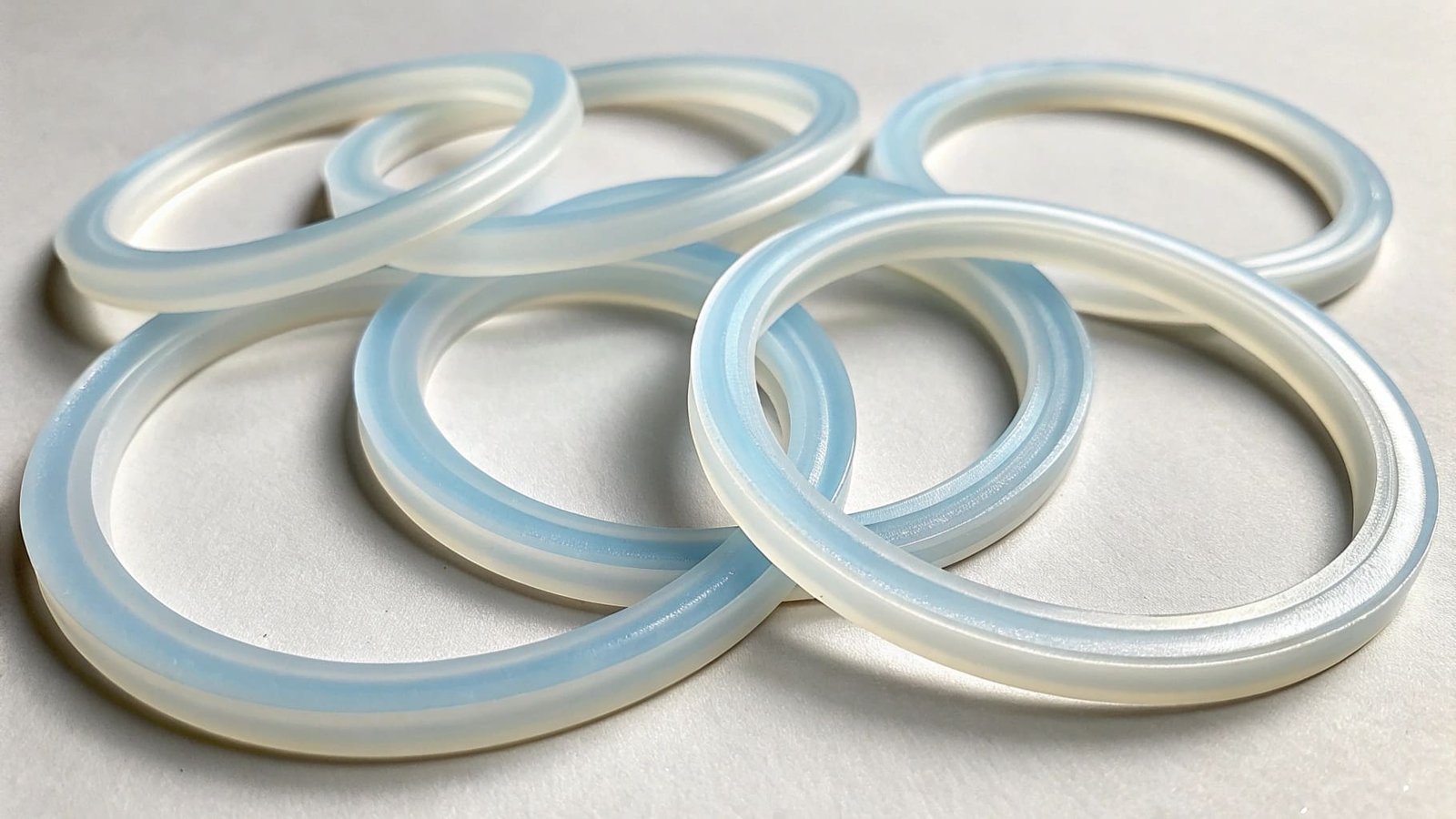
I have worked with wholesale buyers from North America and Europe for years. One thing I notice every time is this: buyers who understand the product they are buying always get better deals. They ask the right questions. They catch problems early. And they build stronger supplier relationships. This post will break down everything you need to know about O-ring lid seals before you place your next bulk order.
What Is the Difference Between a Seal and an O-Ring?
Many buyers use these two words as if they mean the same thing. They do not. And confusing them during procurement can lead to ordering the wrong part entirely.
A seal is any component that stops fluid or air from leaking between two surfaces. An O-ring is one specific type of seal.2 It has a circular, donut-shaped cross-section. Not all seals are O-rings, but all O-rings are seals.
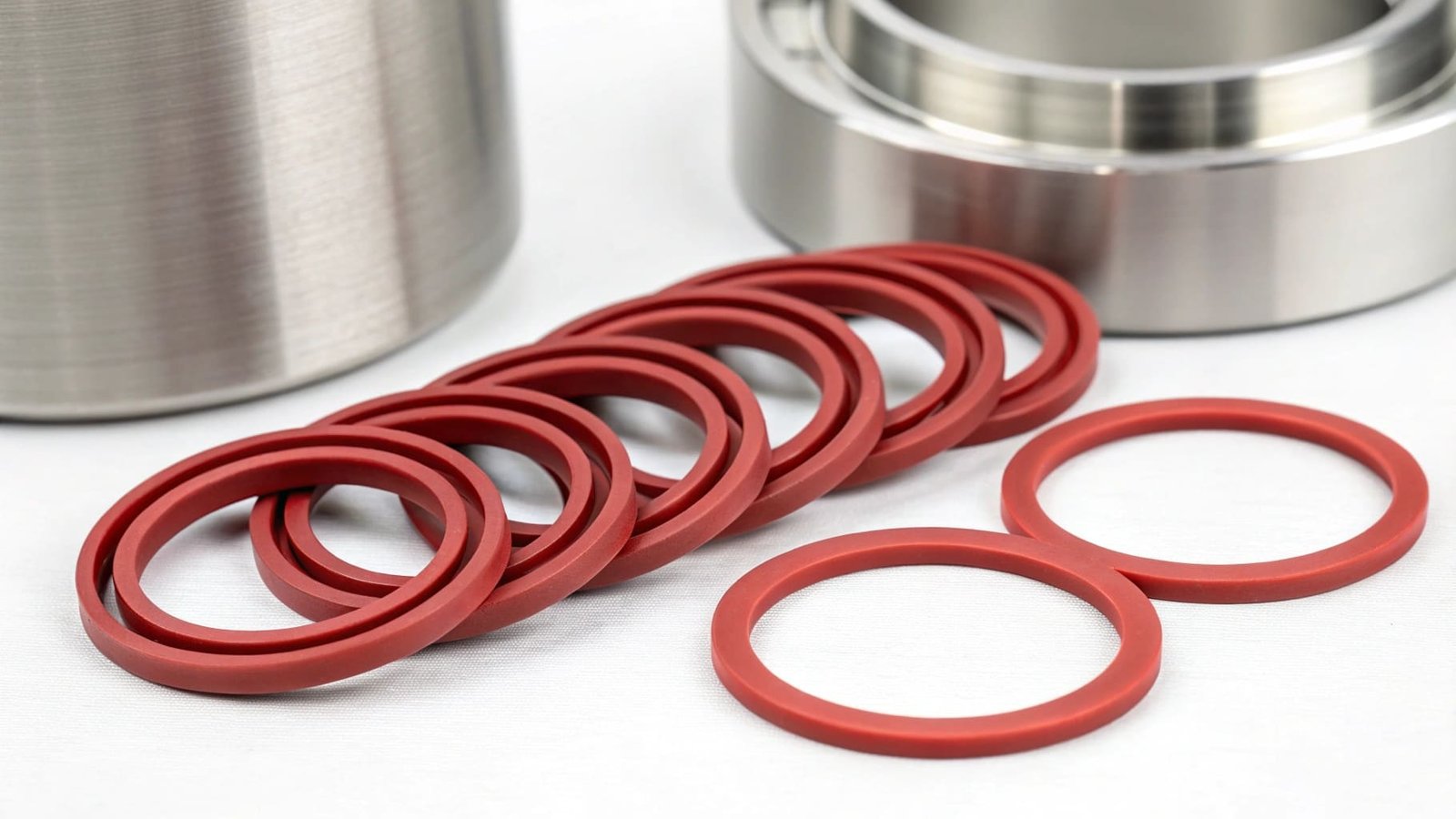
This distinction matters more than most buyers realize. When you are sourcing lid seals for tumblers or bottles, you are likely dealing with O-rings specifically. But the broader sealing category includes gaskets, lip seals, and mechanical seals.3 Each one solves a different problem.
Here is a breakdown of the main types of seals and where they are used:
| Seal Type | Shape | Common Use |
|---|---|---|
| O-Ring | Circular cross-section | Lid closures, bottle caps, plumbing fittings |
| Gasket | Flat sheet | Pipe flanges, appliance covers |
| Lip Seal | Asymmetric lip edge | Rotating shafts, pump systems |
| Mechanical Seal | Multi-component assembly | Industrial pumps, compressors |
When a lid leaks, the first suspect is almost always the O-ring. It sits in a groove between two surfaces. It gets compressed when the lid closes. Over time, heat, pressure, and cleaning chemicals break it down. That is when buyers like you come in looking for replacements.
The mistake I see most often is buyers requesting a "seal" from a factory without specifying that they need an O-ring. Factories produce hundreds of seal types. Without clear specifications, you will get samples that look close but do not fit. You end up wasting weeks on back-and-forth communication.
When you contact a supplier, always say "O-ring" and include these three numbers: inner diameter, outer diameter, and cross-section diameter.4 This removes ambiguity immediately.
Are All Rubber O-Rings the Same?
If you have ever ordered O-rings based on price alone, you already know the answer. They are not the same. And the differences go far deeper than appearance.
The material composition of an O-ring determines how it performs under heat, cold, oil, chemicals, and repeated use.5 Two O-rings that look identical can behave completely differently in the same application.
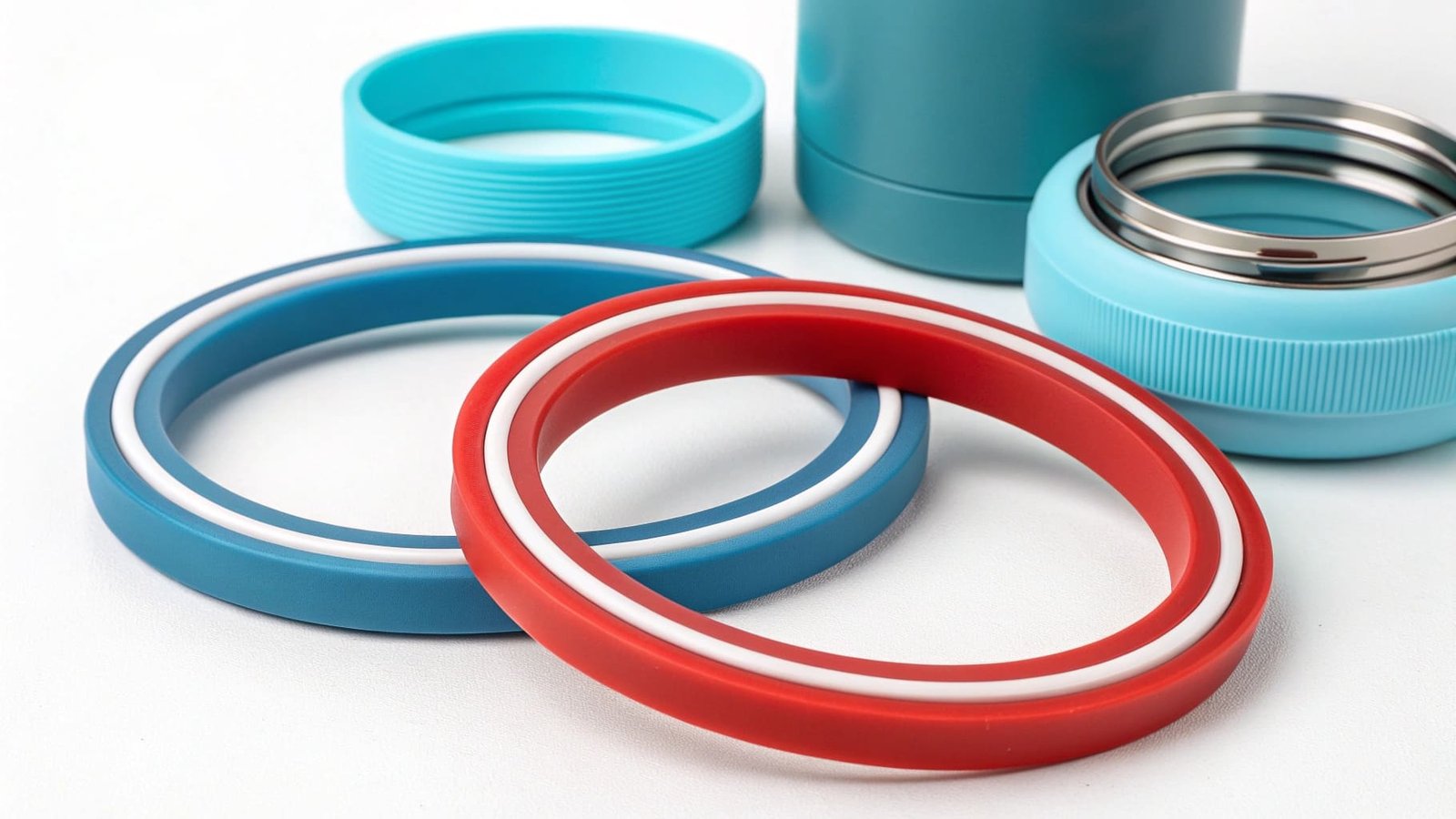
This is one of the most expensive misconceptions in wholesale procurement. I have spoken with buyers who received O-rings that looked perfect but cracked within weeks of use. The product returns came in fast. The refund requests followed. A difference in material compound caused all of it.
Here is a comparison of the most common O-ring materials:
| Material | Temperature Range | Key Strength | Common Application |
|---|---|---|---|
| Silicone | -40°C to +200°C | Flexibility across temperatures | Food containers, medical gear |
| NBR (Nitrile) | -40°C to +120°C | Oil and fuel resistance | Automotive, hydraulic systems |
| EPDM | -50°C to +150°C | Weather and ozone resistance | Outdoor equipment, HVAC |
| Viton (FKM) | -20°C to +200°C | Chemical resistance | Industrial, aerospace |
| Neoprene | -40°C to +120°C | General purpose durability | Refrigeration, marine use |
For lid seals on tumblers and drink ware, silicone is the standard choice. Here is why. Silicone stays flexible at freezer temperatures and holds its shape in dishwashers. It does not absorb odors.6 It does not release harmful compounds into food or drinks. And it meets FDA requirements for food contact, which your customers in regulated markets will ask for.
NBR is cheaper. Some factories will substitute NBR for silicone if you do not specify the material clearly. The O-ring may look the same. But it will stiffen in the cold, swell when exposed to certain cleaning agents, and degrade faster under repeated washing.
Shore hardness is another variable that most buyers overlook. Shore hardness measures how stiff or soft the material is. For lid seals, a shore hardness between 40A and 70A is typical. Too soft and the seal compresses unevenly. Too hard and it fails to create a proper seal. Always confirm shore hardness with your supplier and request a material data sheet.
What Are the Different Types of O-Rings?
O-rings are sorted by more than just material. Shape, size standard, and application category all create meaningful differences. Knowing these categories helps you order exactly what you need and avoid supplier confusion.
The most important categories for wholesale lid seal buyers are these: standard O-rings, quad-rings, square-cut rings, and custom-profile rings.
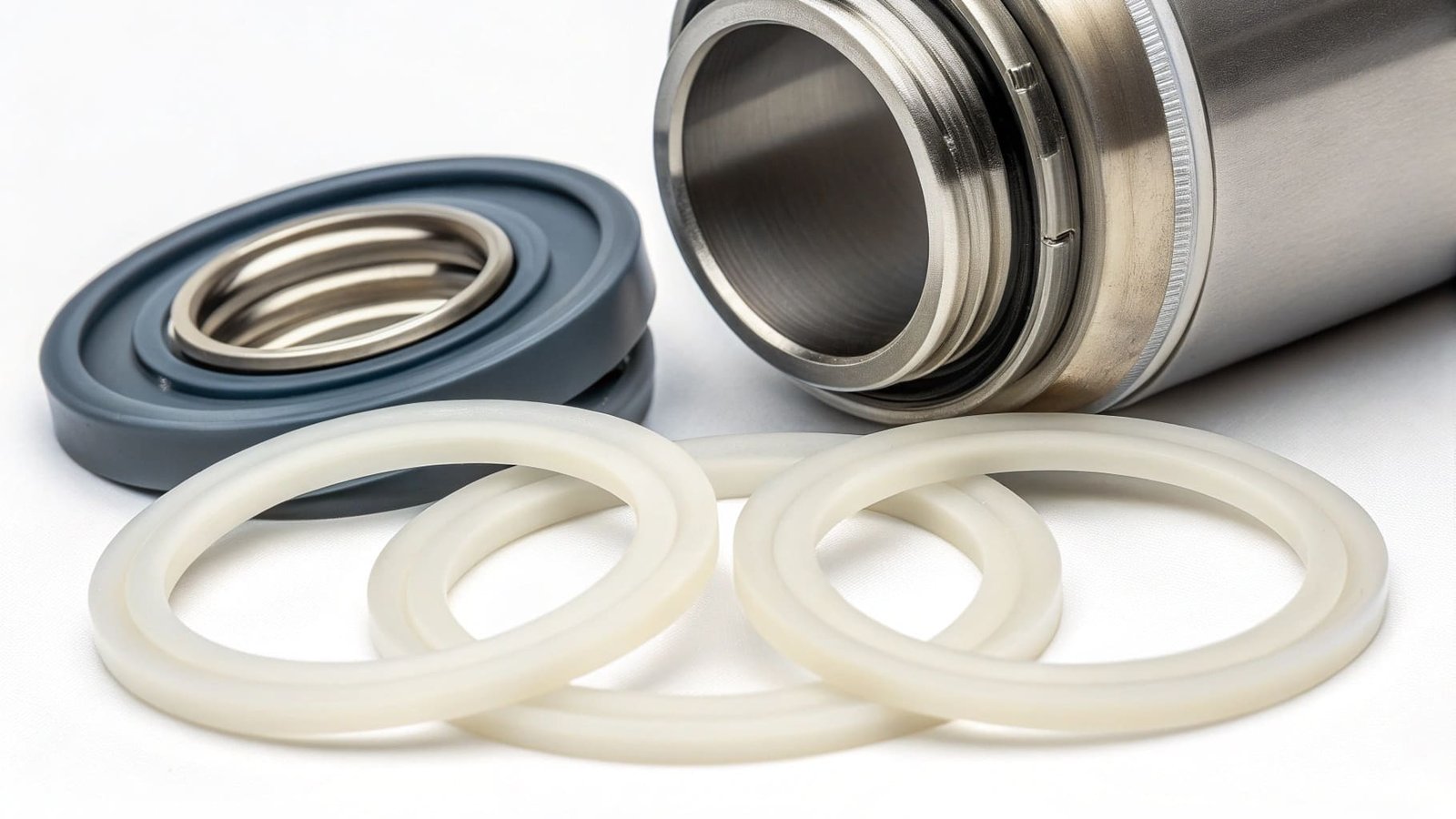
Standard O-rings follow recognized sizing systems. The two most common are the AS568 standard used in North America and the metric system used in Europe and Asia. These two systems are not directly interchangeable. A size 212 in AS568 is not the same as a 20x3 metric O-ring, even though the dimensions are close. If your end customers are in the US, confirm which standard your supplier is quoting against.
Here is a breakdown of O-ring types relevant to lid seal applications:
| O-Ring Type | Cross-Section Shape | Key Advantage | Best For |
|---|---|---|---|
| Standard O-Ring | Round | Universal fit, widely available | Lid closures, general sealing |
| Quad-Ring (X-Ring) | Four-lobed | Better sealing at low pressure | Dynamic applications, valves |
| Square-Cut Ring | Square | Higher surface contact area | Static seals, flat groove designs |
| Custom Profile Ring | Variable | Exact fit for unique lid geometry | Branded tumblers, proprietary lids |
For wholesale buyers sourcing replacement lid seals, standard O-rings cover most needs. But if you are supplying replacement parts for a specific branded tumbler line, you may need custom profile rings. The original manufacturer may have used a non-standard groove geometry to differentiate their product. A standard O-ring will not seal properly in that groove.
This is where a supplier like Silijoy becomes valuable. We produce both standard and custom silicone O-rings. We can match an existing O-ring from a sample or drawing. We supply material certifications and dimensional reports with each batch. And we handle bulk orders with consistent quality across production runs.
Customization is not just about shape. Color, hardness, material compound, and packaging can all be customized. For buyers who rebrand and resell, this matters. You want the product arriving at your customers to carry your branding, not a generic factory label.
The final variable worth discussing is certification. For food-contact applications, you need FDA compliance at minimum. For the European market, LFGB certification is required.7 Some buyers in regulated industries also ask for RoHS and REACH documentation. A reliable manufacturer will have these ready before you ask. If a factory hesitates when you request certificates, that is a warning sign.
Conclusion
Sourcing O-ring lid seals in bulk comes down to three things: knowing your material, specifying your dimensions, and choosing a manufacturer who provides documentation without hesitation.
-
"China Silicones in primary forms exports by country | 2024 | Data", https://wits.worldbank.org/trade/comtrade/en/country/CHN/year/2024/tradeflow/Exports/partner/ALL/product/391000. International trade statistics document China as a major exporter of rubber and related manufactured articles, providing context for why wholesalers often consider Chinese manufacturers for bulk elastomer components; this evidence supports market context rather than proving that China is always the best sourcing option. Evidence role: general_support; source type: institution. Supports: China is a major exporter or manufacturing base for rubber or silicone articles used in industrial components, which can contextualize direct sourcing from Chinese manufacturers.. Scope note: Contextual support only; it does not prove supplier quality, total landed cost, or that direct sourcing is optimal for every buyer. ↩
-
"O-ring", https://en.wikipedia.org/wiki/O-ring. Technical reference sources define an O-ring as a mechanical gasket with a circular cross-section that is seated in a groove and compressed between parts to form a seal. Evidence role: definition; source type: encyclopedia. Supports: An O-ring is a mechanical gasket or seal with a circular cross-section used to prevent leakage.. ↩
-
"Seals - Visual Encyclopedia of Chemical Engineering Equipment", https://encyclopedia.che.engin.umich.edu/seals/. Engineering references on sealing technology distinguish gaskets, lip seals, and mechanical seals as separate seal designs used for different operating conditions and geometries. Evidence role: definition; source type: education. Supports: Sealing technology includes multiple component types, including gaskets, lip seals, and mechanical seals, each designed for different applications.. ↩
-
"O-Ring Size Chart", https://www.theoringstore.com/store/index.php?main_page=page_2. O-ring dimensional standards specify rings by inside diameter and cross-section diameter, with outside diameter determined from these dimensions; this supports the need to communicate precise measurements in procurement. Evidence role: definition; source type: institution. Supports: O-rings are specified by dimensional parameters such as inside diameter and cross-section diameter, with outside diameter derived from those values.. ↩
-
"Elastomer Characteristics", https://www.nrc.gov/docs/ML0720/ML072040257.pdf. Materials engineering references on elastomer selection show that O-ring performance varies by polymer family, with temperature range, chemical compatibility, and aging resistance depending on the compound used. Evidence role: expert_consensus; source type: research. Supports: Different elastomer families have different resistance to temperature, oils, chemicals, and aging conditions.. ↩
-
"Safe Food Storage Containers • AnswerLine • Iowa State ...", https://blogs.extension.iastate.edu/answerline/2023/10/10/safe-food-storage-containers/. Materials science sources describe silicone elastomers as thermally stable and flexible at low temperatures, properties that are consistent with their use in reusable food-contact components exposed to refrigeration and washing cycles. Evidence role: mechanism; source type: research. Supports: Silicone rubber has low-temperature flexibility, heat resistance, and chemical stability relevant to reusable food and drinkware seals.. Scope note: Evidence on odor absorption may be less direct and can depend on silicone formulation, surface condition, and the substances contacted. ↩
-
"Food Packaging & Other Substances that Come in Contact ...", https://www.fda.gov/food/food-ingredients-packaging/food-packaging-other-substances-come-contact-food-information-consumers. Official food-contact material regulations show that rubber or silicone articles intended for contact with food must comply with applicable jurisdictional rules, including FDA requirements in the United States and EU or German food-contact frameworks such as Regulation (EC) No 1935/2004 and LFGB. Evidence role: general_support; source type: government. Supports: Food-contact materials are regulated in the United States and European markets, with FDA rules in the U.S. and EU/German frameworks such as Regulation EC 1935/2004 and LFGB relevant to market access.. Scope note: LFGB is specifically German law and is not the sole food-contact requirement for the entire European market. ↩