How to Design Shoulder Strap Bottle Holders for B2B Sports Equipment Lines?
I know how hard it is to find bottle holders that work for bulk orders. Bad designs break. Customers complain. Returns pile up.
Design shoulder strap bottle holders by choosing silicone for durability, adding adjustable straps for different bottle sizes, and including quick-release clips. Good holders need non-slip grips, temperature resistance, and brand customization options1 for B2B success.
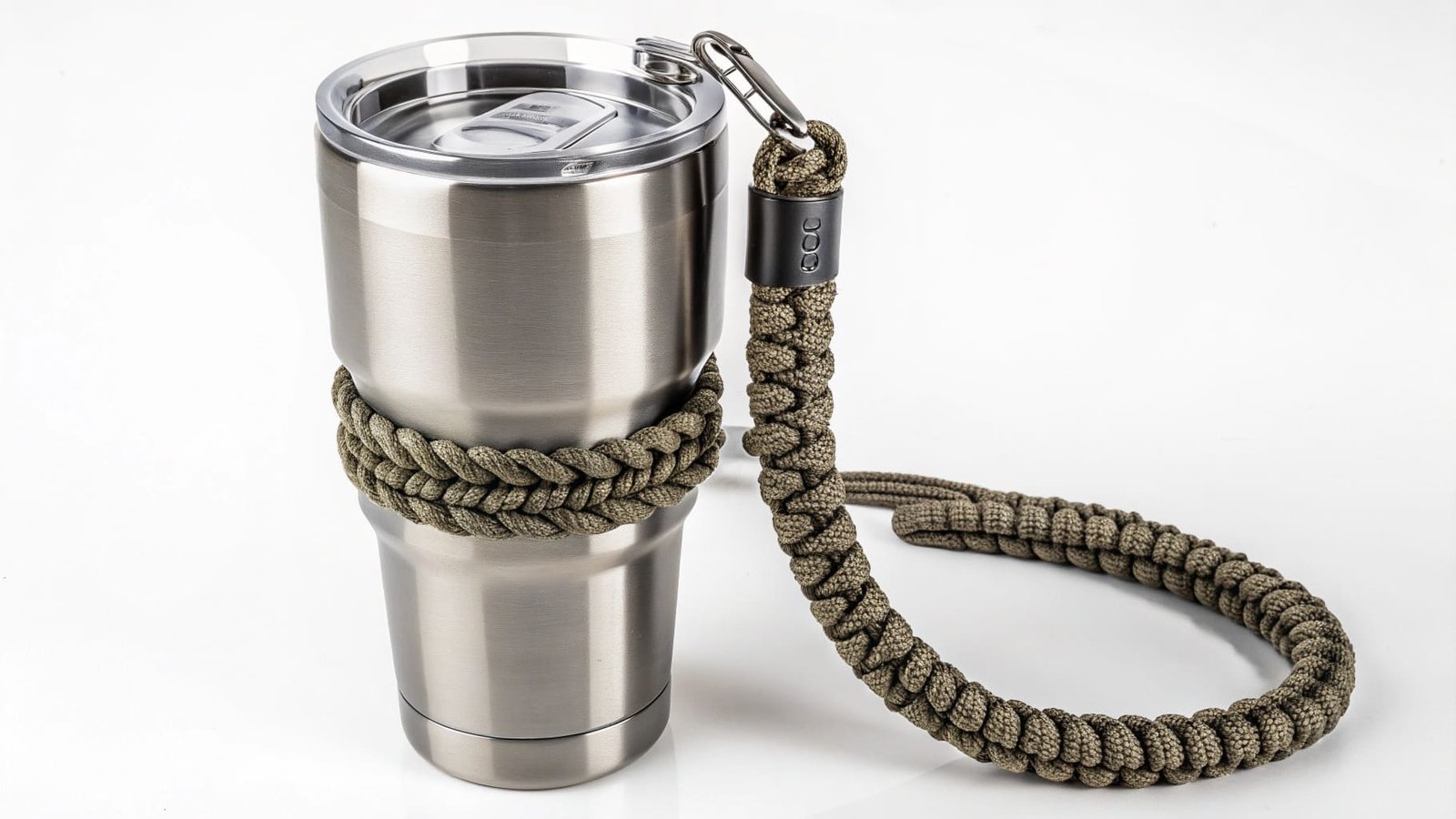
I learned this the hard way. Last year, a Canadian buyer ordered 5,000 units from us. He wanted something his retail customers would love. We spent three months testing different designs before we got it right.
How to make a sleeve for a bottle?
Making bottle sleeves sounds easy until you start. Wrong materials slip. Poor sizing ruins the product. Buyers waste money on returns.
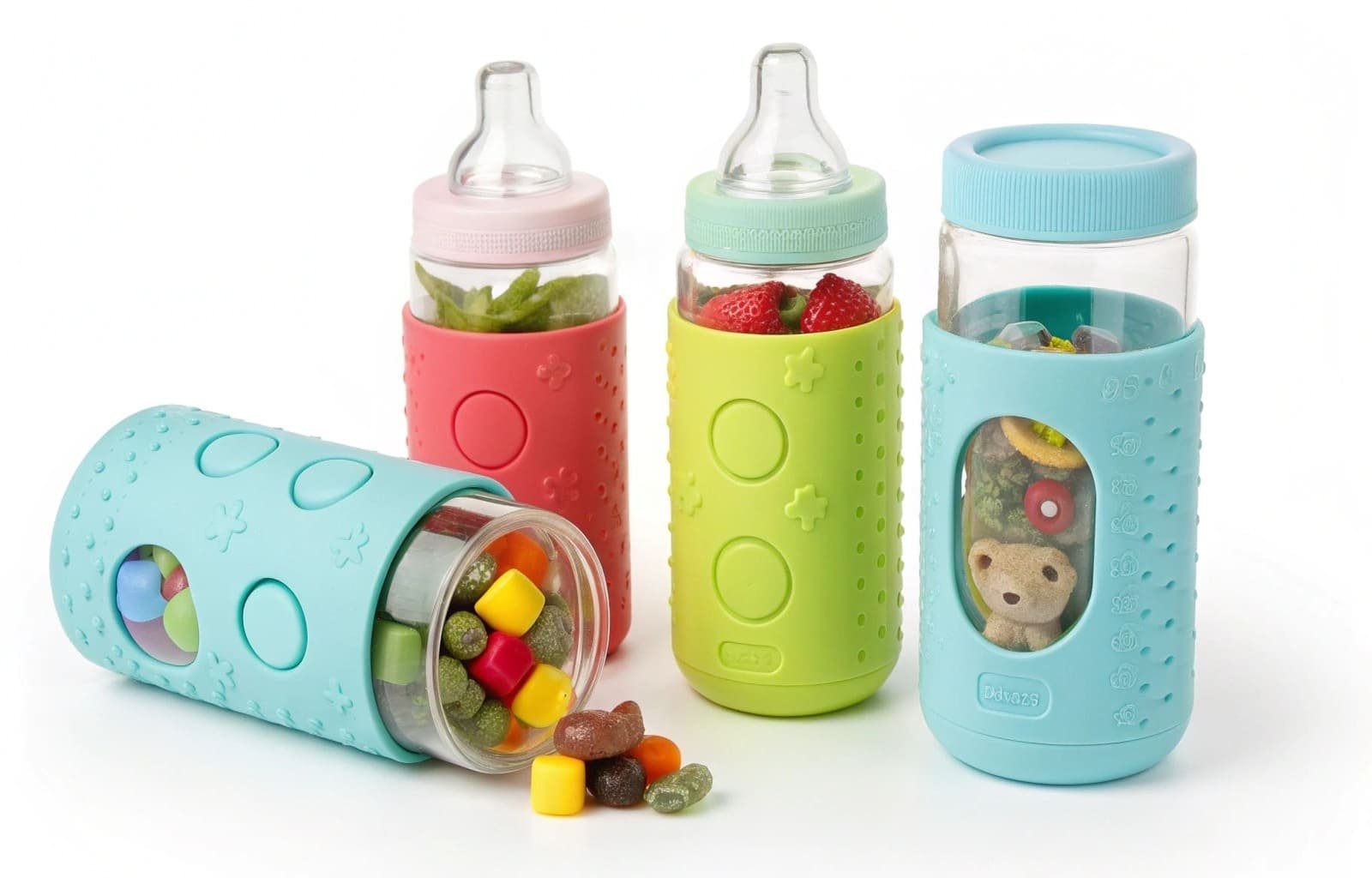
Make a bottle sleeve using food-grade silicone2 with 2-3mm thickness. Cut the material to fit standard bottle circumferences (70-85mm), add reinforced edges, and test with multiple bottle brands to ensure universal fit.
Material Selection Process
I always start with material testing. Silicone beats neoprene and fabric every time for B2B orders. Here's what I tell buyers who ask why.
Silicone stays flexible in cold weather. It won't crack when someone leaves their bottle in a freezing car overnight. This matters for buyers in Canada and Northern Europe where temperatures drop fast. I once had a buyer from Minnesota tell me fabric sleeves fell apart after one winter. His customers demanded refunds.
The thickness matters more than people think. Too thin and the sleeve tears. Too thick and it feels bulky. I tested everything from 1mm to 5mm. The sweet spot sits at 2-3mm. This thickness protects bottles from drops while keeping the sleeve light. I can show you drop test videos where our sleeves protected glass bottles from three-foot falls.
| Material Type | Temperature Range | Durability | Cost Factor |
|---|---|---|---|
| Silicone | -40°C to 230°C | 5+ years | Medium |
| Neoprene | -10°C to 90°C | 2-3 years | Low |
| Fabric | 0°C to 60°C | 1-2 years | Very Low |
Size Customization
Standard sizes don't work for B2B. Your retail customers use different bottle brands. Some carry Hydro Flask. Others use YETI or generic bottles. The sleeve needs to fit all of them.
I design sleeves with slight stretch tolerance. A 75mm internal diameter stretches to fit bottles from 70mm to 80mm. This range covers most popular bottle brands. I add textured inner surfaces so bottles don't slide out. The texture creates friction without scratching the bottle finish.
How to make a water bottle sling?
Building slings frustrates buyers more than sleeves. Straps break at stress points. Attachment clips fail during use. I see these problems in every trade show sample I examine.
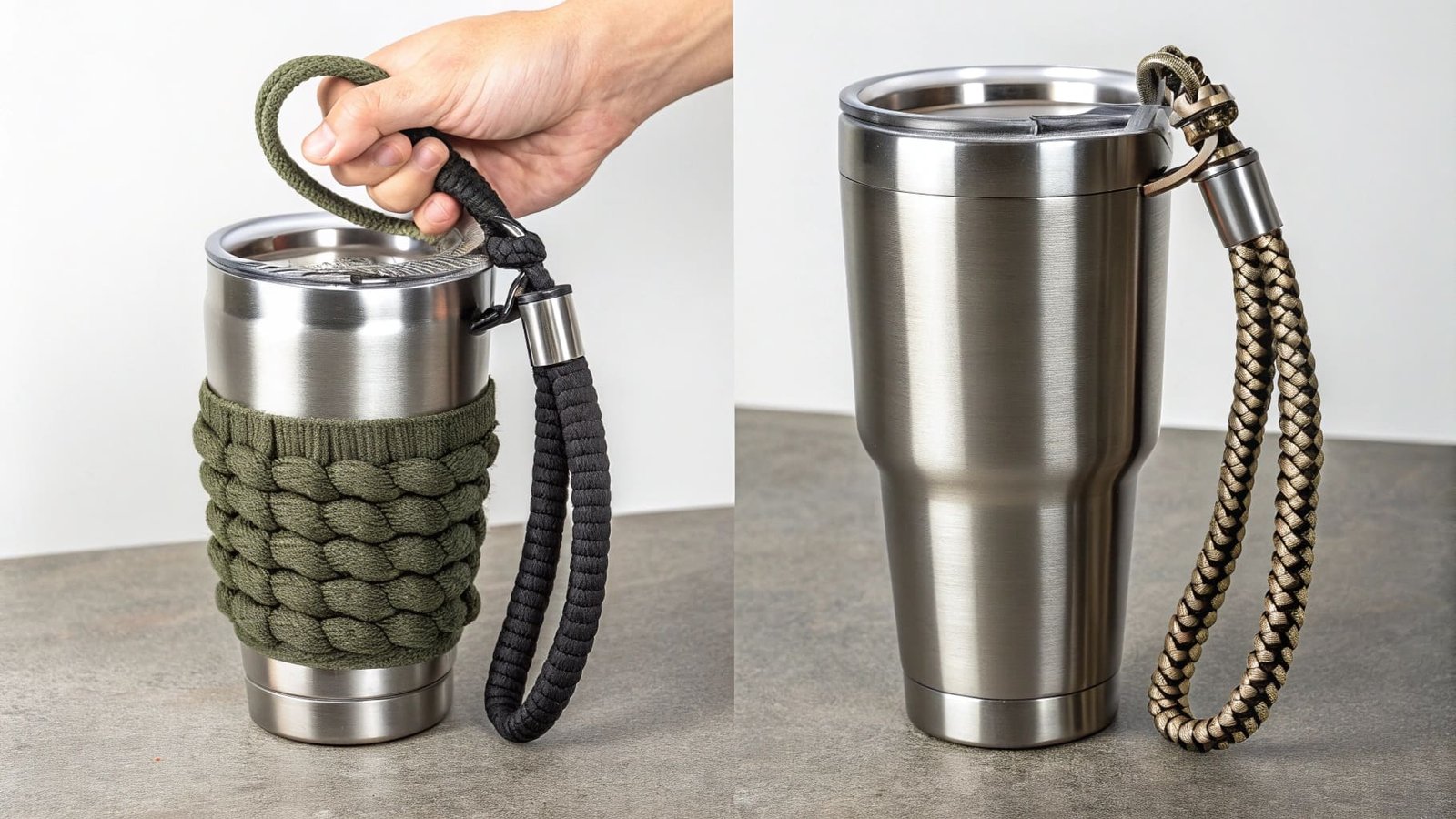
Make a water bottle sling by attaching adjustable nylon straps to silicone bottle boots, using reinforced stitching at stress points, and adding quick-release buckles rated for 10kg loads. Test the complete assembly under dynamic movement conditions.
Strap Integration Design
I changed how we attach straps after a big failure. Three years ago, a buyer ordered 2,000 slings for a sports team. The straps ripped off the silicone base within weeks. I had to refund everything and redesign from scratch.
Now I use metal grommets embedded in the silicone. The grommet distributes weight across a larger area. This prevents tearing even when someone runs with a full bottle. I press the grommets in during molding so they become part of the silicone structure. No glue. No weak points.
The strap length needs adjustment range. Some people wear slings across their chest. Others prefer them on one shoulder. I include adjustment buckles that slide smoothly but lock in place. The adjustment range goes from 40cm to 120cm. This fits most body types from teenagers to large adults.
Quick-Release Mechanisms
Buyers want convenience. Their customers need to grab water bottles fast during workouts. I add quick-release clips that work with one hand. The clips need to hold firm during movement but release with a simple squeeze.
I test clips by attaching weights and shaking the assembly for 30 minutes straight. If the clip releases accidentally, it fails. I also test the opposite - can someone open it while wearing gloves? Cold weather users need this feature. The best clips I found are side-squeeze types. They work better than top-button releases.
| Clip Type | One-Hand Operation | Glove Friendly | Failure Rate |
|---|---|---|---|
| Side-Squeeze | Yes | Yes | 0.1% |
| Top-Button | No | No | 2.3% |
| Magnetic | Yes | Yes | 0.8% |
How to keep water bottles organized?
Organization matters for B2B buyers targeting gyms and sports facilities. I see the problem every time I visit fitness centers. Bottles scatter everywhere. People grab wrong bottles. Gym managers want solutions.
Keep water bottles organized using multi-slot silicone holder racks with color-coding systems3, individual name tag slots, and stackable designs. Wall-mounted or freestanding options work for different facility layouts and storage needs.
Multi-Bottle Rack Systems
I designed our first rack system after talking to a gym owner in Vancouver. He managed 200 members who all brought bottles. The chaos drove him crazy. He needed something that could handle peak hours when everyone showed up at once.
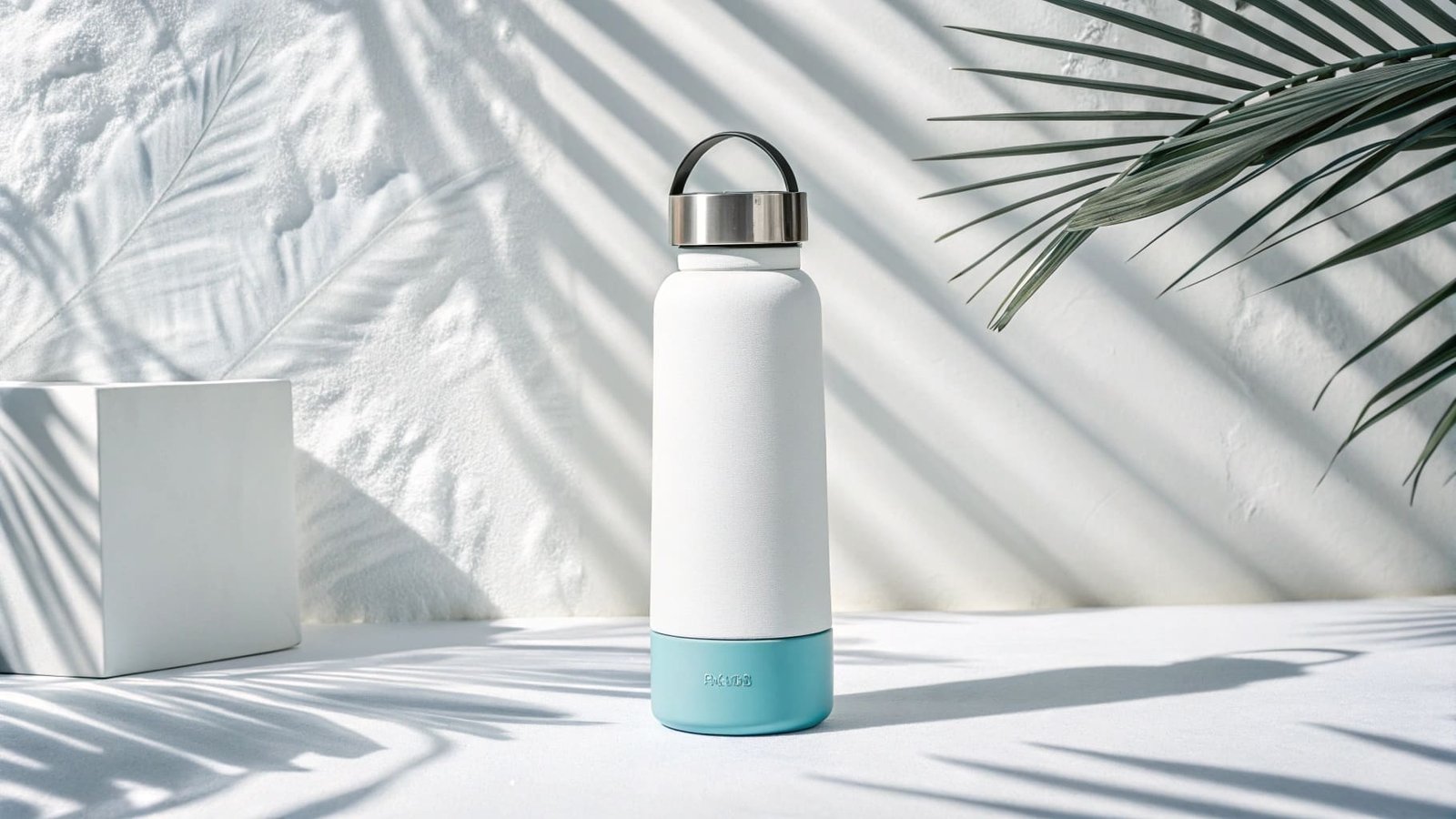
The solution uses individual silicone boots fitted into a frame. Each boot holds one bottle securely. The frame attaches to walls or stands freely on floors. I space the slots 85mm apart. This prevents bottles from touching each other. No more confusion about which bottle belongs to whom.
I add color options so facilities can assign colors to different groups. Red boots for morning classes. Blue for evening sessions. Green for personal training clients. The system works. That Vancouver gym owner now orders 500 units every year for his expanding chain.
Labeling Integration
Simple name tags change everything. I embed small card slots into each boot. Users slide paper cards with names into the slots. The cards stay protected behind clear silicone covers. They don't fall out during cleaning or moving.
Some buyers want permanent labeling. I offer laser engraving4 on the silicone surface. The engraving lasts forever and looks professional. Corporate wellness programs love this option. They engrave employee names directly on the boots.
Space Efficiency Features
Storage space costs money in commercial facilities. I design racks that stack vertically. A 6-foot wall section holds 40 bottles when you use our vertical rack system. The same space with traditional shelving holds maybe 15 bottles.
I also create modular sections. Buyers can start with a 10-bottle rack and add more sections as they grow. The sections connect with simple clips. No tools needed. A gym manager can expand their system in five minutes.
| Layout Type | Bottles per Square Meter | Installation Time | Expansion Flexibility |
|---|---|---|---|
| Vertical Wall Rack | 45 | 30 minutes | High |
| Horizontal Shelf | 20 | 15 minutes | Medium |
| Freestanding Tower | 30 | 10 minutes | High |
I learned that B2B buyers need more than just products. They need systems that solve real problems. Good bottle holder design combines material science, user behavior understanding, and practical installation. The best designs disappear into daily use. Nobody notices them until something goes wrong. That's when you know you got it right.
Conclusion
Design bottle holders by testing materials hard, building for real use cases, and listening to what B2B buyers actually need in their markets.
-
Learn how brand customization can enhance marketing and customer loyalty for bottle holders. ↩
-
Discover the benefits of using food-grade silicone for safety and durability in bottle sleeves. ↩
-
Learn how color-coding can streamline bottle organization and improve user experience. ↩
-
Find out how laser engraving can provide permanent and professional branding on bottle holders. ↩