Can Neoprene Tumbler Carriers Replace Silicone for Wholesale Cost Savings?
I see this question in every trade show. Buyers look at the price difference and think they found gold. But the math tells a different story when you factor in what happens after the sale.
Neoprene carriers cost less upfront. But they create warranty claims, customer complaints, and reorder delays that destroy your margins. Silicone costs more per unit but protects your profit in ways spreadsheets miss.
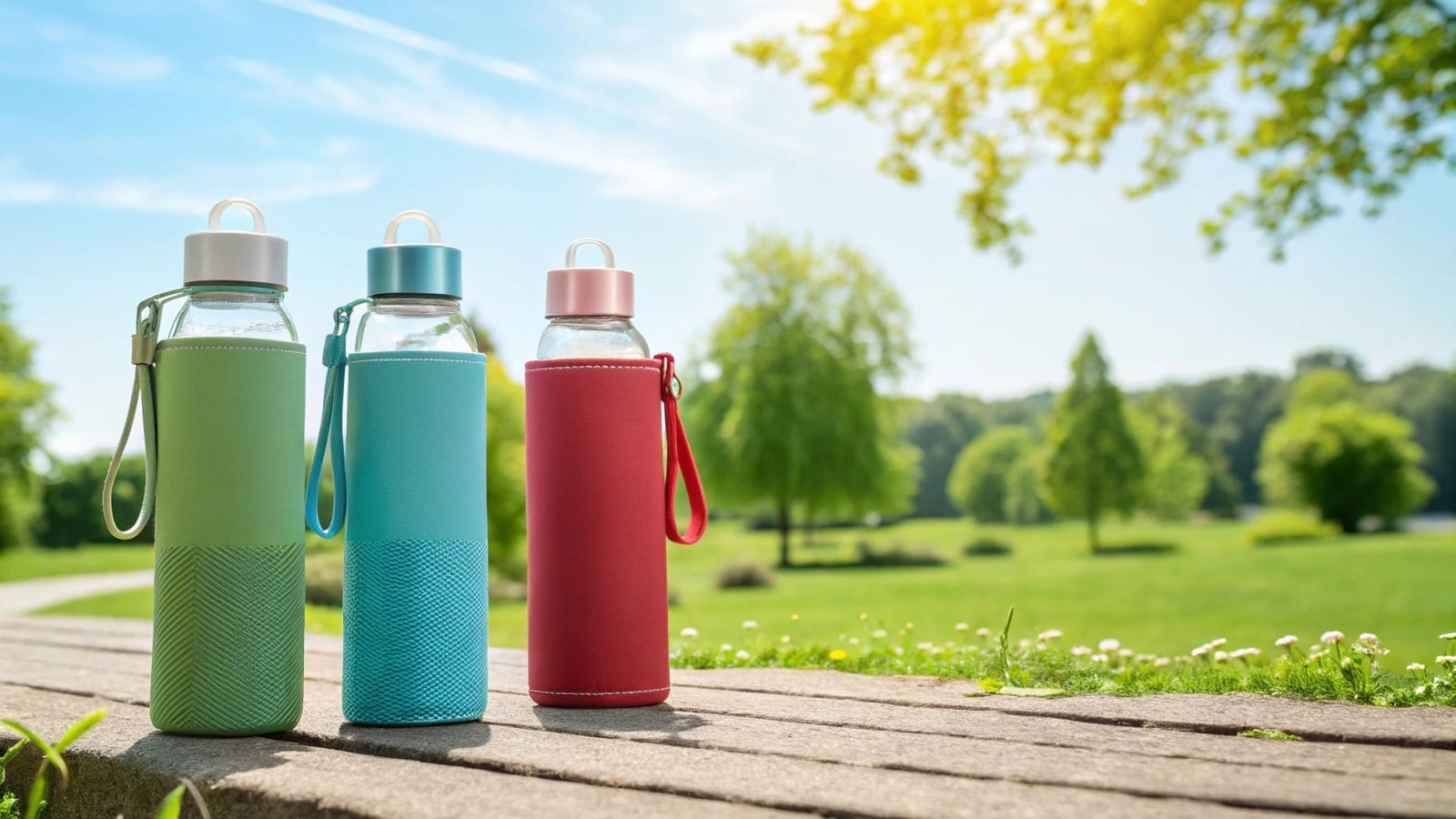
Last month, a Canadian distributor switched back to silicone after six months with neoprene. His return rate jumped from two percent to eleven percent. The material choice seemed small at the factory. It became huge at the retail level.
Are Silicone Cups Safe for Drinking?
Your retail customers ask this before they stock your products. They worry about chemicals leaching into drinks. One bad health scare can tank your entire product line overnight.
Medical-grade silicone has FDA approval for direct food contact. It stays stable from minus forty to two hundred degrees Celsius. No plasticizers leach into beverages. Neoprene lacks this certification standard.
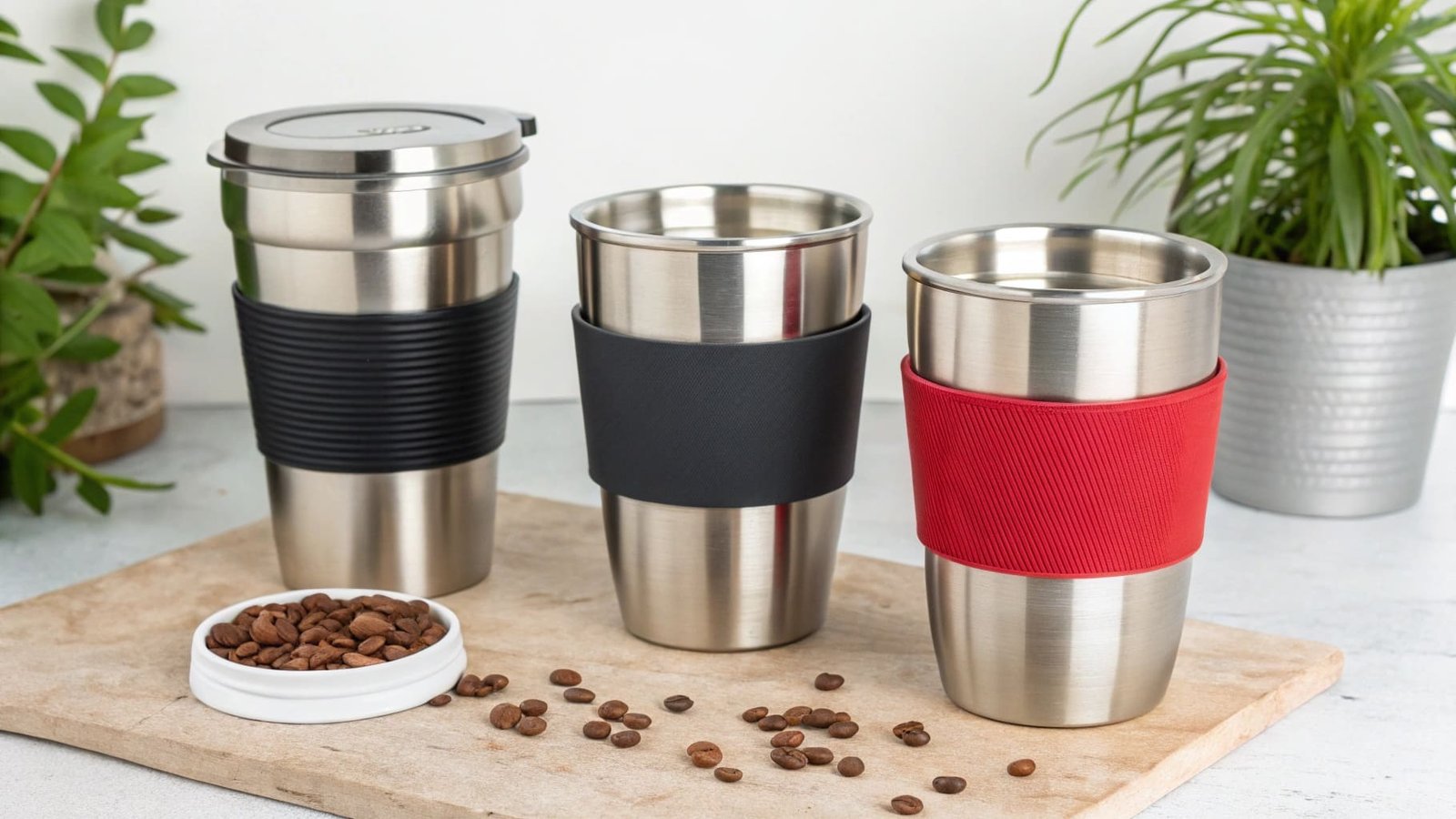
I manufacture silicone tumbler accessories at my facility in China. We test every batch for food safety compliance1. The testing costs money. But it saves you from much bigger problems later.
Medical-grade silicone uses platinum-curing processes2. This removes residual chemicals that cheaper materials leave behind. The certification paperwork protects you from liability claims. When customers file complaints about taste or smell, you have documentation proving your product meets safety standards.
Food-grade certification also opens distribution channels. Major retailers demand this paperwork before placing orders. Without proper certification, you cannot enter premium markets. Your product gets stuck in discount channels where margins stay thin.
The testing process takes two weeks. Labs check for heavy metals, volatile compounds, and migration rates. We provide these certificates with every wholesale order. This documentation becomes your shield when customers question product safety.
Is It Good to Drink Water in a Silicone Bottle?
I drink from a silicone bottle daily. My customers in America and Europe do the same. The material works perfectly for water storage when you source from manufacturers who understand quality control.
Pure silicone resists bacteria growth better than plastic alternatives. The non-porous surface prevents mold development. Daily washing keeps bottles fresh without chemical cleaners. These properties make silicone bottles practical for regular hydration needs.
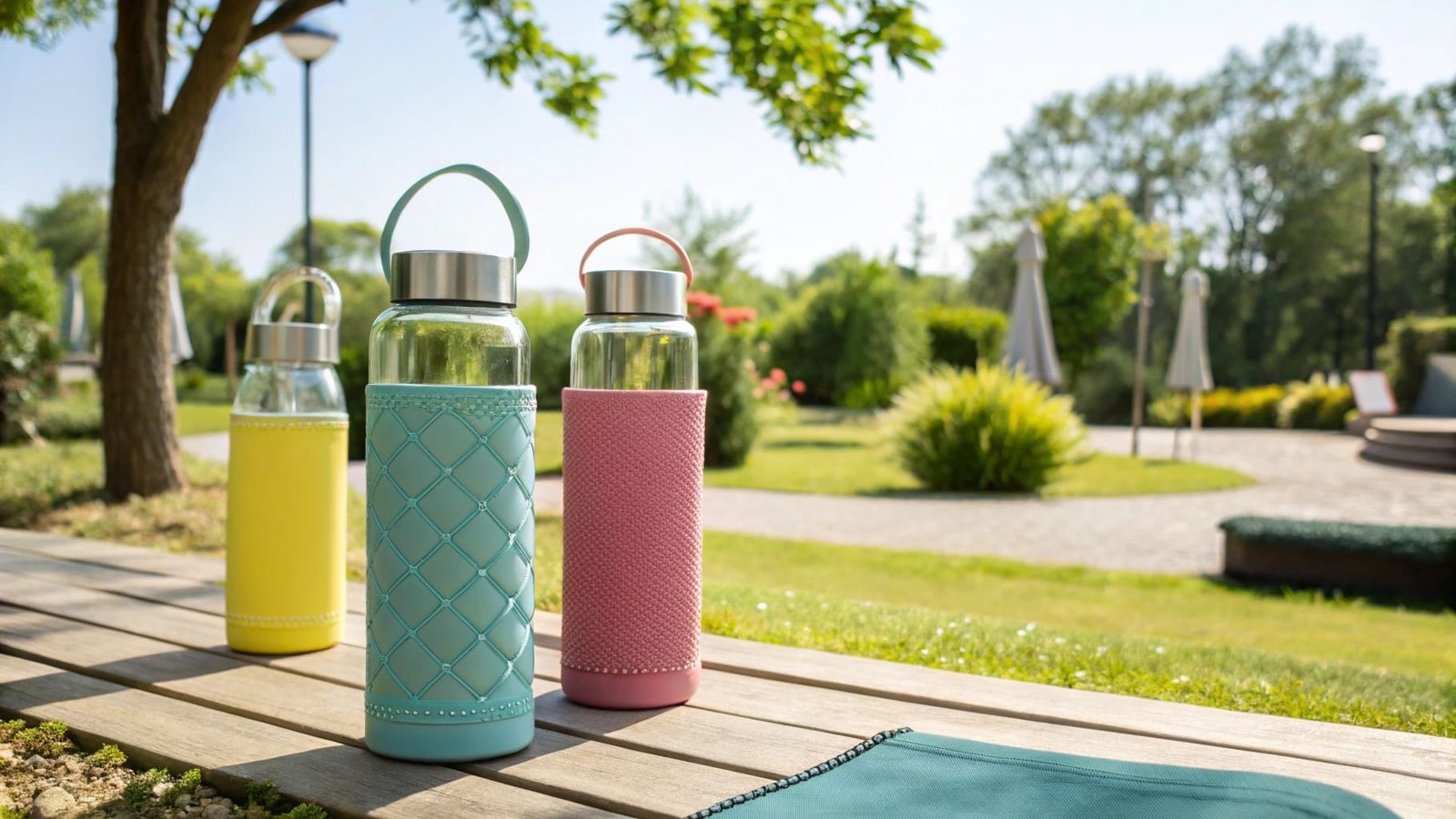
The key difference sits in material sourcing. Low-grade silicone contains fillers that create odor problems. These cheap materials absorb flavors from previous drinks. Coffee taste lingers in the bottle for weeks. This drives customers away from repeat purchases.
Our manufacturing process uses hundred percent platinum-cured silicone. This eliminates the rubber smell that cheap alternatives carry. The material maintains neutrality across thousands of fill cycles. Water tastes like water, not like the container.
Temperature tolerance matters for daily use. Silicone bottles handle boiling water without warping. They survive freezer storage without cracking. This flexibility lets users prep cold drinks or hot beverages in the same container.
Durability extends product lifespan beyond plastic competitors. Drop a silicone bottle on concrete and it bounces. Plastic bottles crack and leak. This resilience reduces replacement frequency. Your customers buy once and use the product for years. This builds brand loyalty that generates referral sales.
The collapsible feature adds practical value. Users fold empty bottles to save space in bags or vehicles. This convenience appeals to travelers and outdoor enthusiasts. The compressed size makes shipping more economical for your wholesale orders.
What Is the Best Insulated Water Bottle That Fits in a Cup Holder?
Cup holder compatibility determines whether bottles stay in vehicles or get left at home. I learned this from a distributor who lost a retail account because bottles kept tipping over in car cup holders.
Stainless steel vacuum-insulated bottles with silicone protective sleeves deliver optimal performance. The steel core maintains temperature for twelve hours. The silicone sleeve provides grip and prevents scratches. This combination meets both functional and aesthetic requirements.
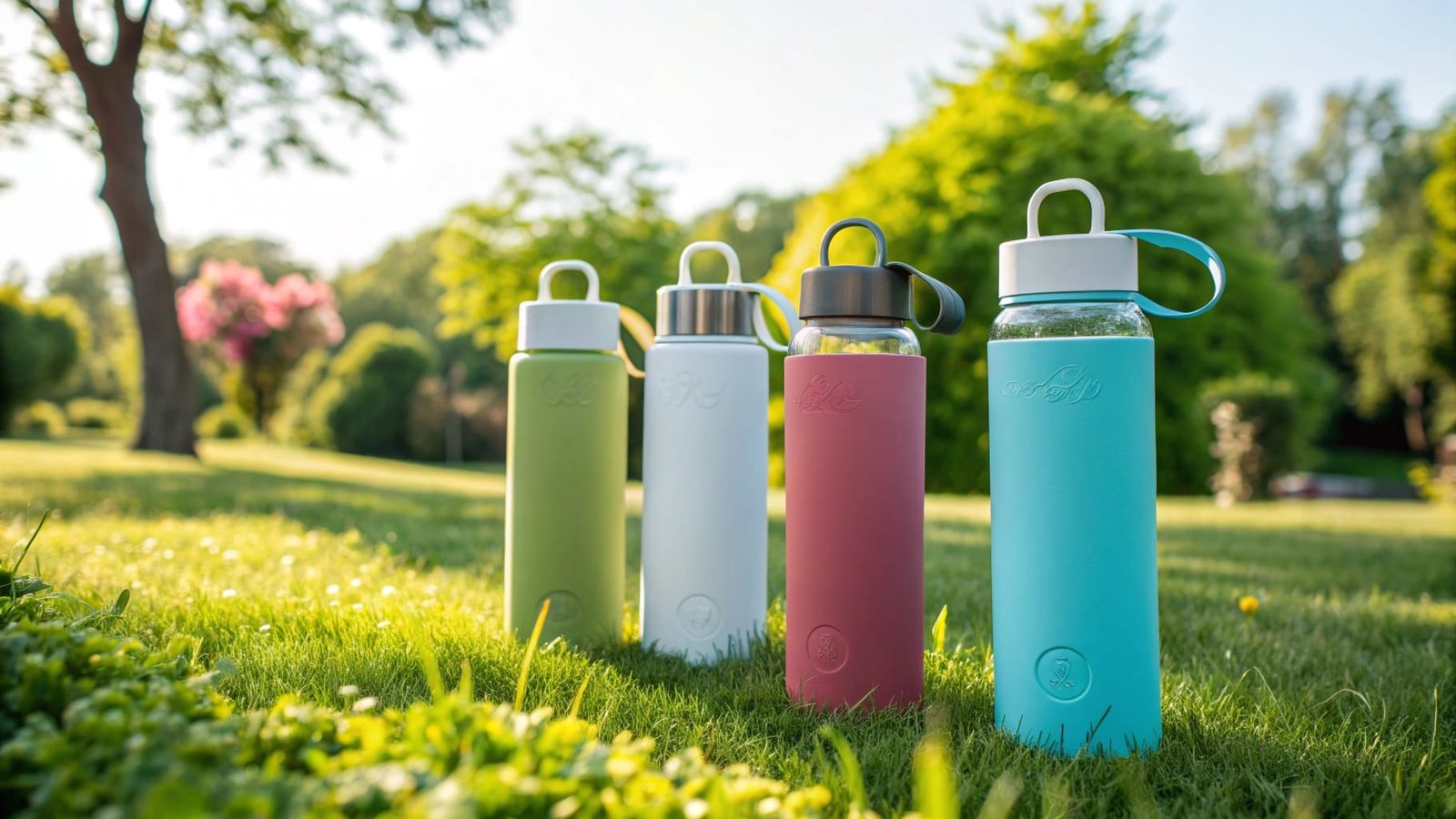
Standard cup holders measure three inches in diameter. Bottles need to stay within this dimension while maximizing capacity. Our silicone sleeves compress slightly when inserted. This creates a snug fit that prevents rattling during vehicle movement.
The silicone exterior prevents condensation rings on car interiors. Stainless steel bottles sweat heavily with cold drinks. This moisture damages vehicle upholstery and leaves stains. A proper silicone sleeve barrier blocks this moisture transfer completely.
Texture design affects user experience significantly. Smooth silicone sleeves look elegant but slip when hands get wet. We add subtle ribbing patterns to our sleeve designs. This texturing provides secure grip without appearing bulky or industrial.
Bottom protection extends bottle lifespan substantially. Metal bottles dent when dropped on hard surfaces. These dents compromise the vacuum seal. Silicone base covers absorb impact energy and preserve the insulation chamber integrity.
Color variety matters for retail appeal. We offer silicone sleeves in twenty-four standard colors. This lets distributors target different demographic segments. Pastel shades sell well in wellness stores. Bold colors move faster in sporting goods channels. The variety helps you capture multiple market segments with minimal SKU complexity.
Weight balance affects usability in cup holders. Top-heavy bottles tip easily during sharp turns. Our sleeve design adds stability through strategic thickness distribution. The base section uses thicker silicone to lower the center of gravity. This engineering detail reduces spill incidents that generate negative reviews.
Conclusion
Material choice impacts every aspect of your wholesale business. Silicone costs more initially but protects margins through reduced returns and premium positioning. Choose based on your target market, not just unit price.