How to Fix Rubber Water Bottle Bottom Protectors in Bulk Production Lines?
You order 50,000 bottle protectors. They arrive. Your assembly line stops because the protectors won't fit properly. I've seen this happen to buyers like you dozens of times in my years at silijoy.
The best way to fix rubber bottle protectors in bulk production is using compression-fit installation. This method skips adhesives completely. Your protectors snap onto bottles through precise tolerance control. The fit stays secure through temperature changes and rough handling during shipping.

I learned this the hard way when a Canadian distributor called me at 2 AM. His entire production line had shut down. The silicone boots1 kept slipping off bottles. We diagnosed the problem in 20 minutes over video call. The solution was simpler than he expected.
How to Fix Water Bottle Rubber?
Your production line moves fast. Bottles come down the conveyor. Workers or machines need to install protectors in seconds. Any delay costs you money. The wrong method costs you even more.
Fix water bottle rubber by using compression-fit installation with controlled interference. Your mold design determines everything. The protector internal diameter should be 0.2mm to 0.5mm smaller than your bottle diameter. This creates enough grip without cracking the silicone during installation.
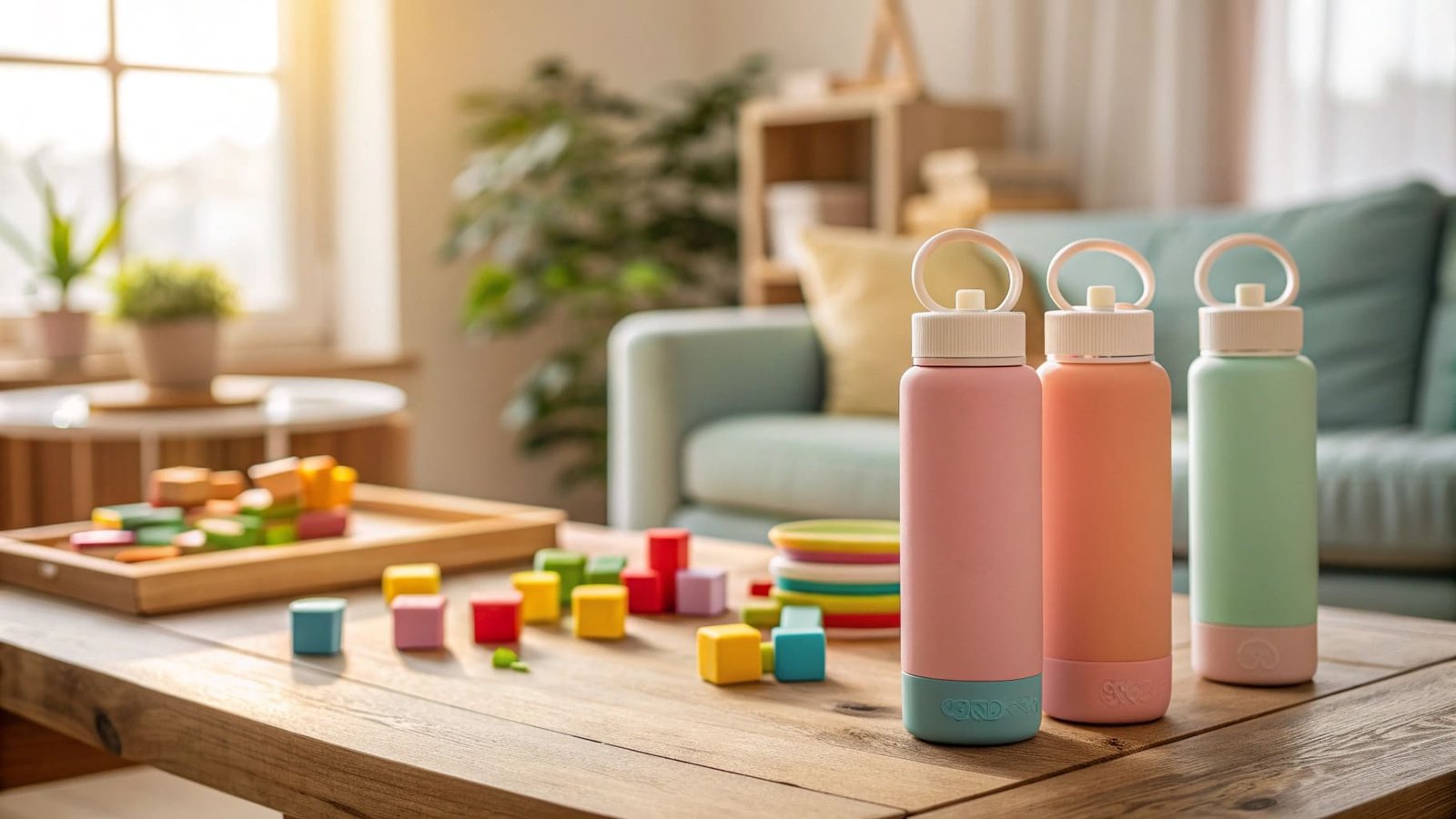
The compression-fit method works because silicone has memory. When you stretch it over a bottle, it wants to return to its original shape. This creates constant inward pressure. The pressure keeps the protector locked in place.
I always tell buyers to consider three factors. First is the silicone durometer2. Shore A 40-60 works best for most applications. Too soft and it tears during installation. Too hard and it won't grip properly. Second is the bottle material. Glass needs less interference than plastic because it doesn't flex. Third is the installation speed. Automated lines need wider tolerances than manual assembly.
Here's what works in real production:
| Bottle Diameter | Interference Fit | Durometer Range | Installation Method |
|---|---|---|---|
| 50-70mm | 0.2-0.3mm | Shore A 50-60 | Automated |
| 70-90mm | 0.3-0.4mm | Shore A 45-55 | Semi-automated |
| 90mm+ | 0.4-0.5mm | Shore A 40-50 | Manual assist |
I remember working with a buyer who wanted to use adhesive instead. He thought it would be faster. We ran tests. The adhesive added 8 seconds per bottle. It also failed quality checks when bottles went through cold storage. The compression-fit protectors passed every test.
How Do They Seal Bottle Caps?
Cap sealing protects your product from contamination. It also proves no one opened the bottle before the customer. Your buyers expect this. Your end customers demand it. Getting it wrong destroys your brand reputation.
Production lines seal bottle caps3 using induction sealing or pressure-sensitive liners. Induction sealing heats a foil layer through electromagnetic fields. The foil bonds to the bottle opening. This creates a tamper-evident seal that also blocks air and moisture completely.
Induction sealing runs at incredible speeds. Modern equipment seals 200 to 400 bottles per minute. The process takes milliseconds per bottle. An electromagnetic coil generates the field. The field passes through the cap and heats the foil liner. The liner melts and bonds to the bottle rim. The whole thing happens while the bottle moves down the line.
I've seen buyers choose the wrong sealing method. They pick pressure-sensitive liners because the equipment costs less upfront. But these liners fail in humid environments. The adhesive weakens. The seal peels off during shipping. Their customers receive bottles that look tampered with.
Here's how each method compares:
| Sealing Method | Speed | Cost | Best Use Case |
|---|---|---|---|
| Induction | 300+ bottles/min | Higher equipment cost | Long shelf life products |
| Pressure-sensitive | 150-250 bottles/min | Lower equipment cost | Short-term storage |
| Heat seal | 200-300 bottles/min | Medium cost | Standard applications |
The right choice depends on your product. Beverages need induction sealing. Supplements work fine with pressure-sensitive liners. Cosmetics often use heat seals. I help buyers match the method to their specific needs. This saves them from expensive mistakes later.
How to Put Seal Back on Water Bottle Lid?
Your customers remove the cap seal. They drink from the bottle. Then they want to reseal it for later. If your seal design makes this impossible, they get frustrated. Frustrated customers don't reorder from your buyers.
Put seals back on bottle lids by designing caps with replaceable silicone gaskets4 in grooves. The gasket sits in a precise groove on the lid interior. When users screw the cap back on, the gasket compresses against the bottle opening. This creates a leak-proof seal that works repeatedly.
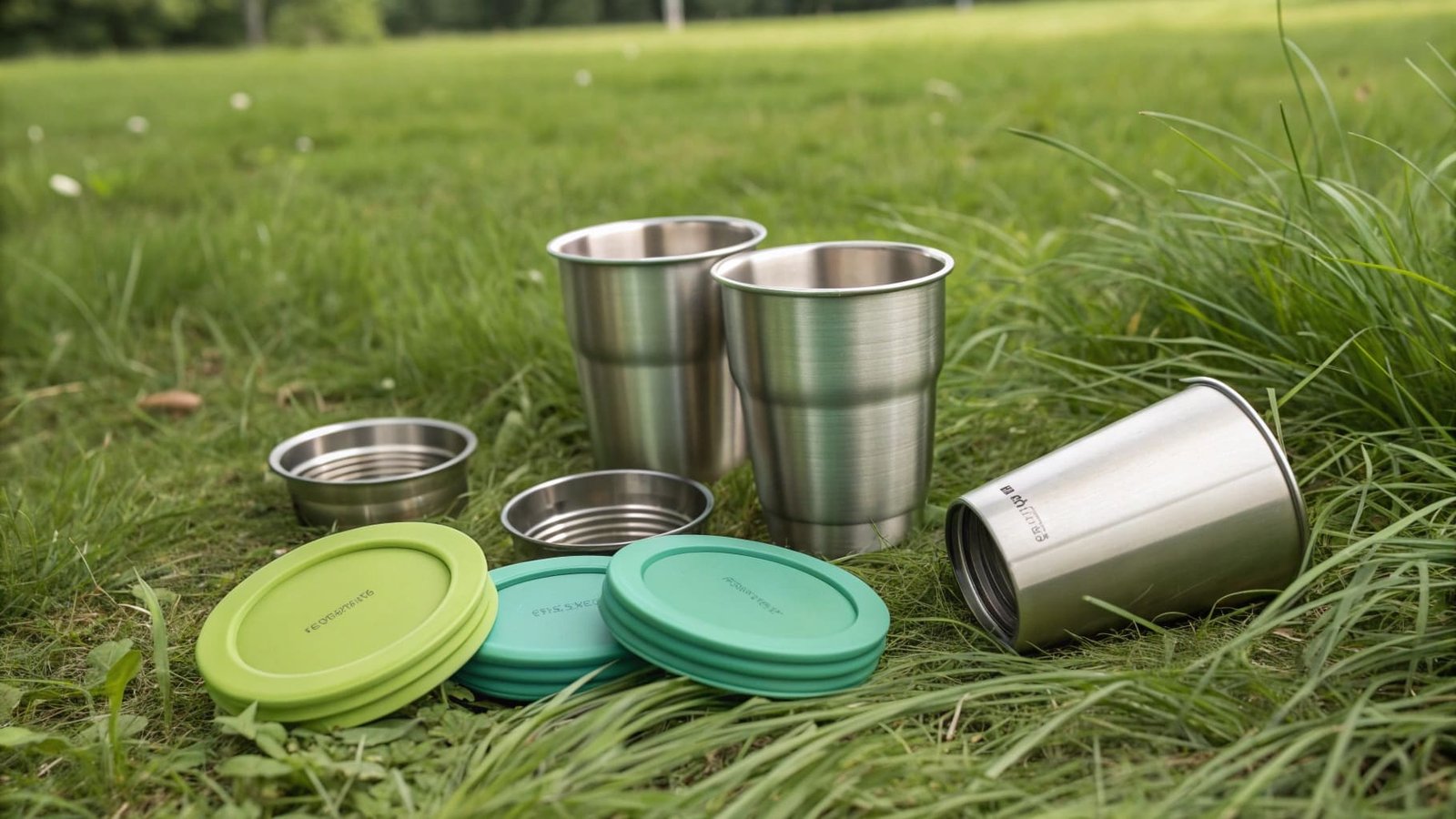
The groove design determines whether seals work properly. I manufacture these gaskets at silijoy. The groove depth must be 1.2 to 1.5 times the gasket thickness. Too shallow and the gasket pops out. Too deep and it won't compress enough to seal. The groove width should match the gasket width exactly. Even 0.1mm difference causes problems.
During production, automated machines place gaskets into cap grooves. The machines use vacuum suction or mechanical fingers. The gasket snaps into place. Some designs use a small lip on the groove to lock the gasket in. This prevents it from falling out before the cap reaches the bottle.
I worked with a startup founder last year. His caps leaked after the first opening. We examined his groove design. The depth was correct. But the width was 0.3mm too wide. The gasket moved around inside the groove. We adjusted the mold dimensions. The leak rate dropped from 12% to under 0.5%. His bulk orders went from 5,000 units to 50,000 units within six months.
The material matters too. Food-grade silicone gaskets work for beverages. EPDM rubber works for non-food products. NBR rubber handles oils and chemicals. I always ask buyers what their bottles will contain. Then I recommend the right gasket material. This prevents warranty claims and returns that eat into their profit margins.
Conclusion
Fixing rubber protectors in bulk production needs compression-fit methods with precise tolerances. Cap sealing requires choosing between induction and pressure-sensitive systems. Replaceable gaskets solve the resealing problem. Get these right and your production line runs smoothly.
-
Learn about silicone boots and their role in ensuring a secure fit for bottle protectors. ↩
-
Understanding silicone durometer can help you choose the right material for your production needs. ↩
-
Learn the best practices for sealing bottle caps to prevent contamination. ↩
-
Find out how replaceable silicone gaskets can enhance customer satisfaction with your products. ↩