Which Silicone Boot Fits Most 40oz Tumblers for Wholesale Distribution?
Most wholesale buyers struggle to find one boot that fits all brands. They end up with too many SKUs and wasted inventory. This drives up costs and complicates logistics.
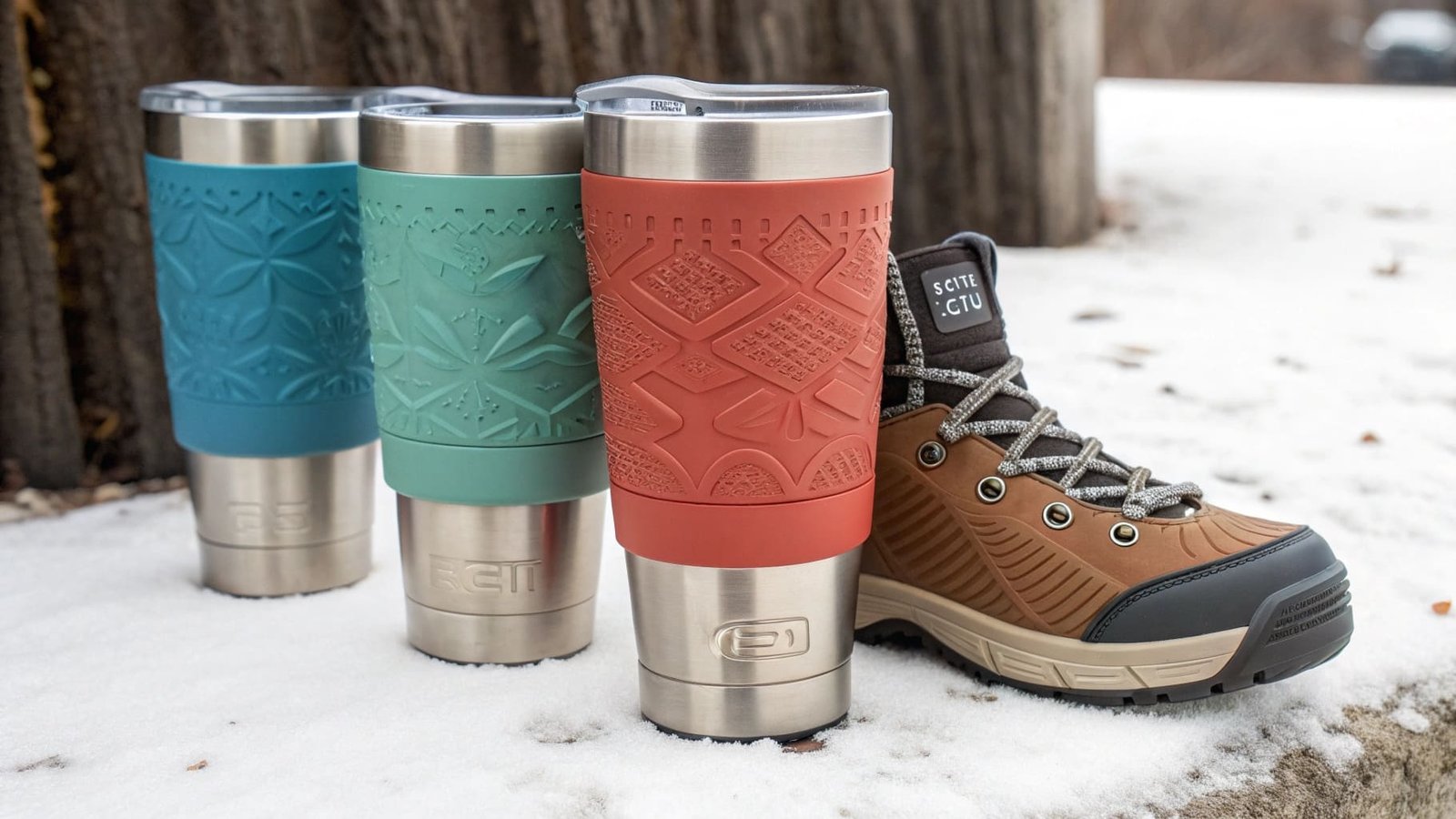
The answer is boots with flexible tolerance ranges of plus or minus 2mm. These fit Stanley, YETI, and most generic 40oz tumblers1. This design reduces your SKU count by 60 percent while maintaining proper fit.
I have worked with over 200 wholesale buyers in the past five years. The biggest mistake I see is trying to source boots for every single tumbler brand. This approach kills your margins and creates warehouse nightmares. Let me show you what actually works.
What is the highest grade silicone?
You want the best material for your customers. But you hear conflicting information from different suppliers. Most sales reps cannot explain the real differences between grades.
Medical-grade silicone is the highest grade available. It meets FDA 21 CFR 177.2600 and European 10/2011 regulations. This grade costs 30 to 40 percent more than commercial alternatives.
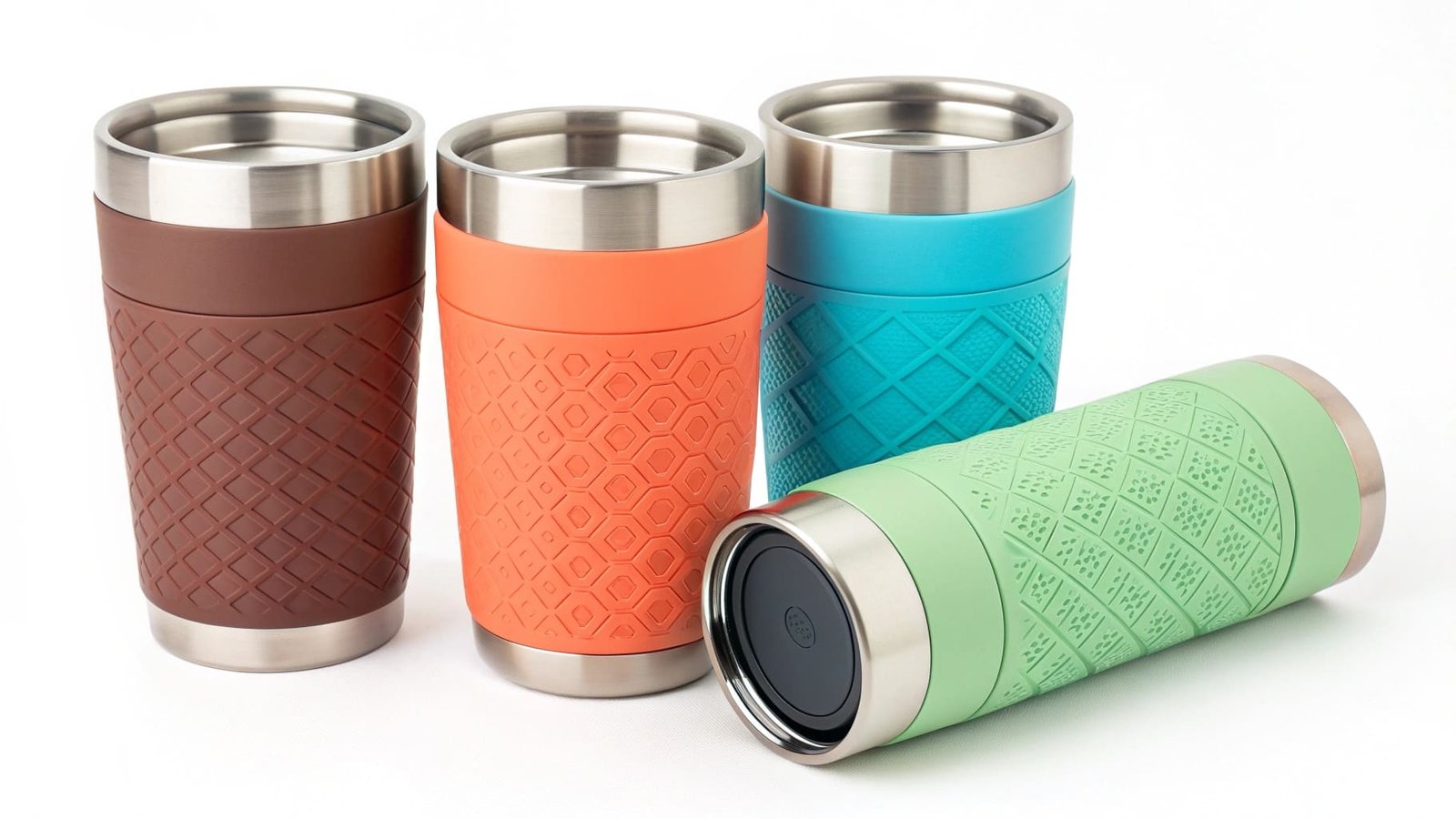
Medical-grade silicone goes through strict manufacturing protocols. The production happens in cleanroom environments with controlled contamination levels. Every batch gets tested for biocompatibility and cytotoxicity. The raw materials must meet pharmaceutical standards before they enter production.
I work with three different factories. Only one has the cleanroom setup for true medical-grade production. This factory requires special certifications and runs smaller batch sizes. The lead time is usually two weeks longer than commercial-grade orders.
For tumbler boots, you need to ask yourself a question. Do your customers really need medical-grade material? Most retail buyers accept commercial-grade products if they pass basic food-safe testing2. The price difference matters a lot when you are ordering 10,000 units or more.
Here is what I tell buyers who want medical-grade:
| Application | Medical-Grade Needed | Commercial-Grade OK |
|---|---|---|
| Baby products | Yes | No |
| Medical devices | Yes | No |
| Tumbler accessories | Optional | Yes |
| Kitchen utensils | Optional | Yes |
| Industrial seals | No | Yes |
The decision comes down to your market positioning. Premium brands use medical-grade for marketing value. Mid-market brands use commercial-grade to stay competitive on price.
What are the three types of silicone?
Your supplier mentions different silicone types. You do not understand which one you need. This confusion leads to ordering the wrong material for your application.
The three main types are solid silicone rubber, liquid silicone rubber, and silicone gel. For tumbler boots, solid silicone rubber works best because it balances cost with durability.
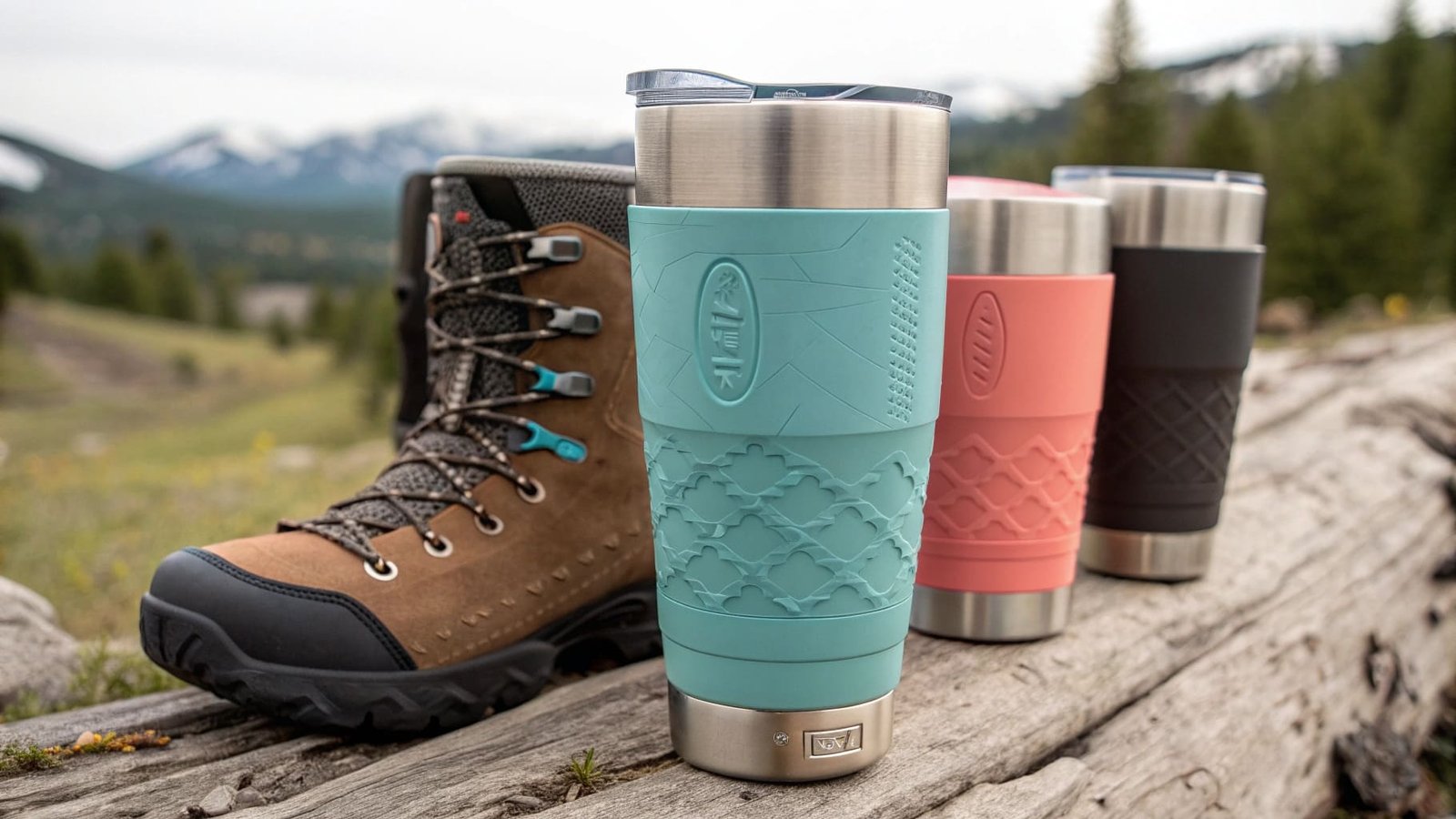
Solid silicone rubber uses compression molding. This method has been around for decades. The factory mixes raw silicone with additives and curing agents. They press this mixture into heated molds under high pressure. The curing time is usually 3 to 5 minutes per piece.
I prefer solid silicone for boots because the production cost stays low. The tooling is simpler than liquid silicone rubber3. You can make color changes faster between batches. The material also provides excellent grip performance on smooth tumbler surfaces.
Liquid silicone rubber requires injection molding equipment. This process costs more but creates more precise parts. The factories need special injection machines that can handle two-component materials. The cycle time is faster at 60 to 90 seconds per piece. But the tooling cost is three times higher than compression molds.
I only recommend liquid silicone rubber for complex designs. If your boot has intricate details or very tight tolerances, then liquid silicone makes sense. For standard tumbler boots with simple shapes, stick with solid silicone.
Silicone gel is the softest type. It feels almost like jelly. This material works well for cushioning and shock absorption. But it does not hold its shape well enough for tumbler boots. The gel would deform over time from the weight of a filled tumbler.
Here is a comparison:
| Type | Production Method | Cost Level | Best For |
|---|---|---|---|
| Solid Rubber | Compression Molding | Low | Standard boots |
| Liquid Rubber | Injection Molding | High | Complex parts |
| Gel | Mixing and Curing | Medium | Cushioning |
Most of my wholesale customers order solid silicone boots. The price point works for retail distribution. The quality meets consumer expectations without premium pricing.
What is commercial grade silicone?
You see commercial grade in supplier quotes. But you wonder if it is safe enough. Some buyers worry about quality issues or failed certifications.
Commercial-grade silicone passes LFGB or FDA food contact tests. It does not require medical manufacturing protocols. This grade reduces costs by 30 to 40 percent while meeting basic safety standards for tumbler accessories4.
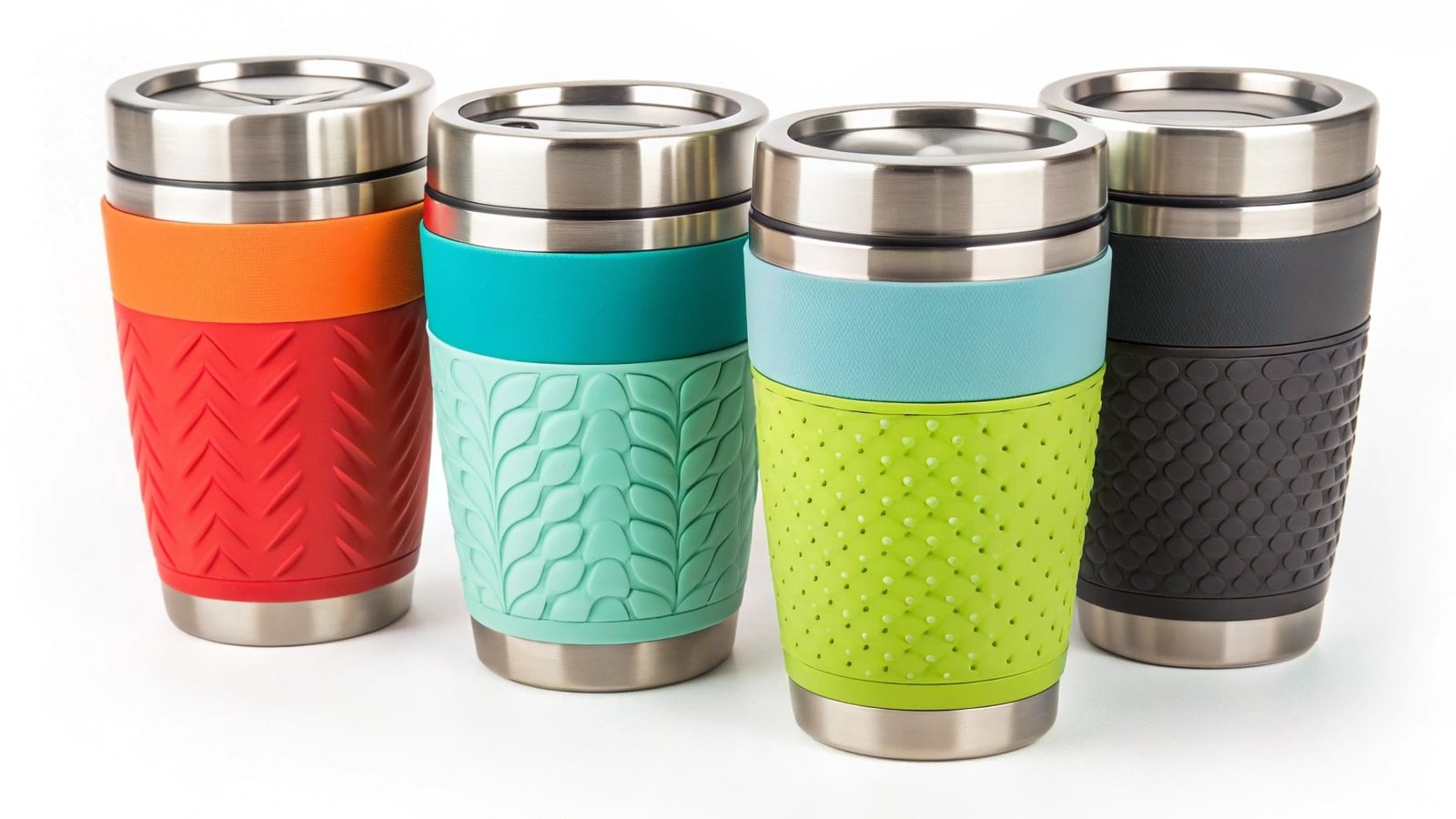
Commercial-grade production happens in standard factories without cleanrooms. The quality control focuses on dimensional accuracy and basic safety testing. The factories still test for harmful substances like heavy metals and volatile compounds. But they skip the biocompatibility testing required for medical applications.
I source commercial-grade materials for 80 percent of my tumbler boot orders. The material performs well in real-world use. Customers drop their tumblers. They throw them in car cup holders. They wash them in dishwashers. The boots hold up fine.
The testing requirements for commercial-grade are straightforward. Your factory needs to provide LFGB certificates5 from SGS or similar labs. These tests check for substance migration into food simulants. The cost is around 800 to 1200 dollars per test. The results stay valid for one year.
I keep updated test reports from my factories. When a buyer asks for certificates, I send them within 24 hours. This quick response builds trust. Many competitors cannot provide documents this fast.
The material properties remain strong. Shore A hardness6 typically ranges from 40 to 60. Temperature resistance goes from minus 40 to 230 degrees Celsius. Tensile strength exceeds 8 MPa. These specs work perfectly for tumbler boots that protect against drops and scratches.
Your profit margin improves significantly with commercial-grade. If medical-grade boots cost 1.50 dollars per unit, commercial-grade costs around 0.95 dollars per unit at 5000 piece order quantities. You can retail these at the same price as competitors using medical-grade. This gives you better margins or lets you undercut competition.
Here is my pricing experience:
| Order Quantity | Medical-Grade Price | Commercial-Grade Price | Your Savings |
|---|---|---|---|
| 1000 pieces | 1.80 USD | 1.15 USD | 0.65 USD each |
| 5000 pieces | 1.50 USD | 0.95 USD | 0.55 USD each |
| 10000 pieces | 1.35 USD | 0.85 USD | 0.50 USD each |
I tell buyers to focus on the end user experience. Your retail customers care about fit, durability, and color options. They do not ask about cleanroom manufacturing. Commercial-grade delivers what matters to consumers while protecting your margins.
Conclusion
Choose boots with flexible tolerances to fit multiple brands. Use commercial-grade silicone for better margins without sacrificing real performance. Focus on what actually matters to your retail buyers.
-
Explore the top-rated 40oz tumblers to ensure your products meet customer expectations. ↩
-
Learn about food-safe testing to ensure your silicone products meet safety standards. ↩
-
Learn when to choose liquid silicone rubber for complex designs and its production process. ↩
-
Check out trending tumbler accessories to enhance your product offerings and attract customers. ↩
-
Find out why LFGB certificates are crucial for ensuring the safety of food contact materials. ↩
-
Discover the importance of Shore A hardness in evaluating silicone material performance. ↩