How to Implement Quality Assurance Programs for Silicone Tumbler Boot Orders?
Last month, I received an angry email from Mark, one of my Canadian distributors. His customer returned 200 silicone tumbler boots because they didn't fit the bottles properly. This cost him both money and reputation during peak season.
A quality assurance program for silicone tumbler boots1 needs six core elements: material verification, dimensional tolerance checks, temperature testing, colorfastness assessment, drop impact evaluation, and documentation systems. These checkpoints prevent defects before shipment reaches your customers.
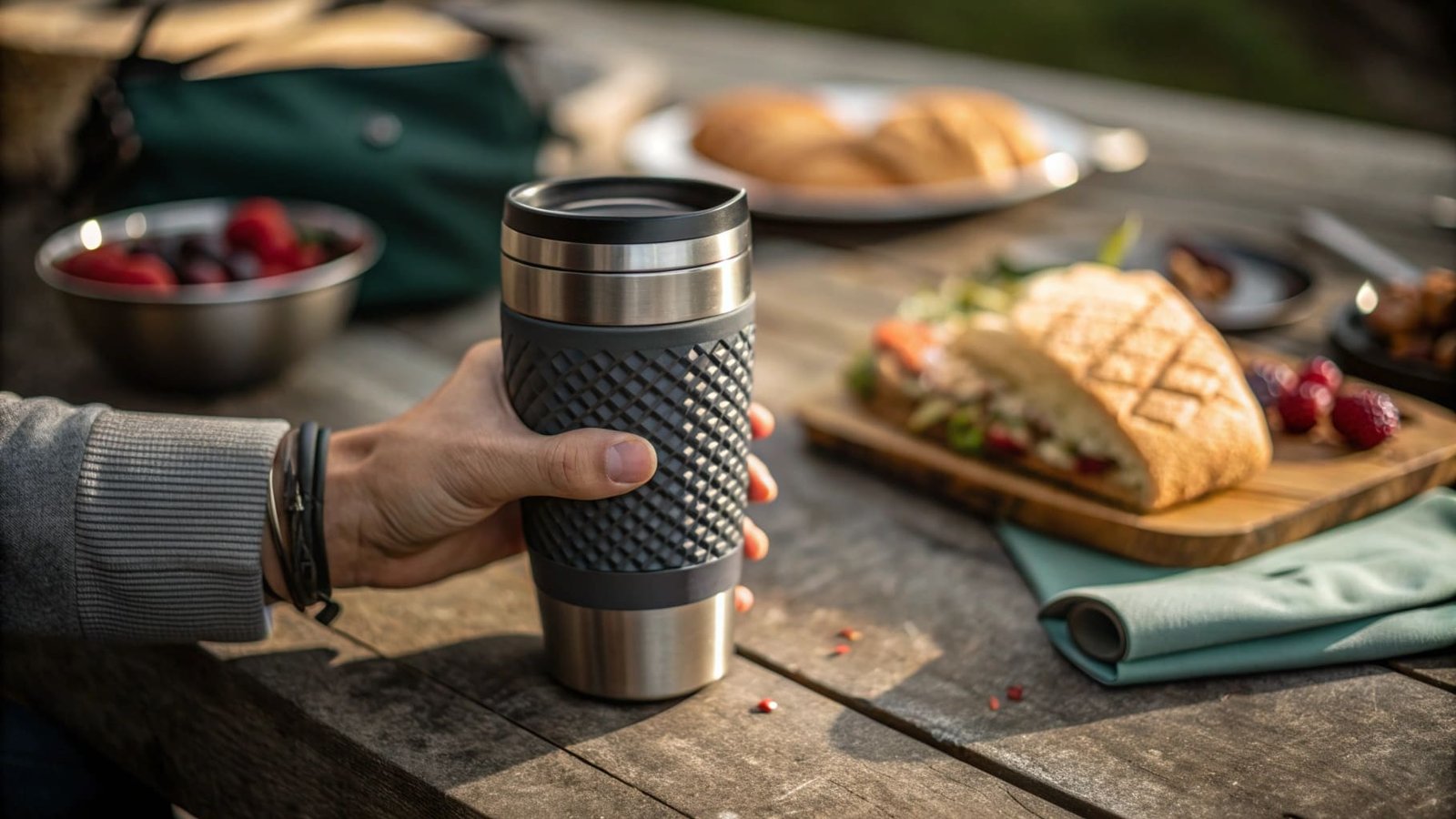
I learned this lesson the hard way. After the complaint from Mark, I rebuilt our entire quality control process at silijoy. The changes I made cut our defect rate from 3.2% to 0.4% within three months.
Why is Gen Z so obsessed with water bottles?
Gen Z treats water bottles differently than previous generations. I see this every time I visit trade shows in America and Europe. Young buyers don't just want hydration tools—they want status symbols.
Gen Z views water bottles as personal brands. They customize bottles with stickers, protective boots, and accessories to express identity. This obsession drives demand for quality protective sleeves that maintain appearance over time.
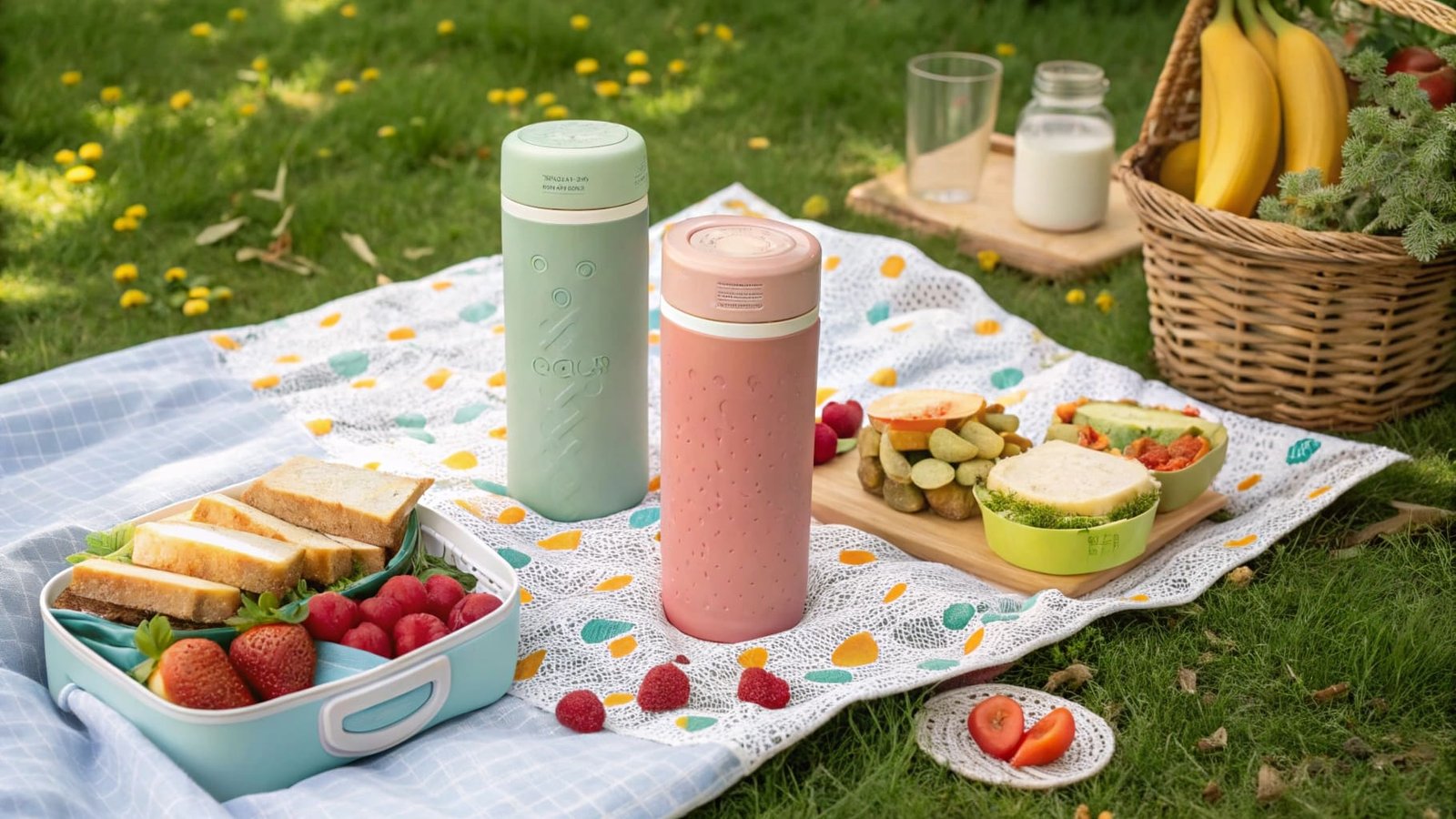
The psychology behind bottle attachment
I talked to Sarah, a 23-year-old procurement assistant at a retail chain. She explained something I hadn't considered. Gen Z grew up during climate crisis awareness campaigns. Reusable bottles represent their commitment to sustainability.
But there's more to it. Social media amplified bottle culture. Instagram and TikTok users show off their Stanley cups, Hydro Flasks, and YETI tumblers. The bottles become part of their digital identity.
This creates pressure on us as suppliers. The silicone boots we manufacture at silijoy can't just protect—they must enhance the bottle's aesthetic appeal. Color consistency matters as much as impact resistance.
What this means for B2B quality standards
I adjusted our quality metrics based on this insight. We now test color matching under different lighting conditions. We verify that boot designs complement popular tumbler styles. We check that silicone textures photograph well.
| Quality Aspect | Traditional Standard | Gen Z-Driven Standard |
|---|---|---|
| Color tolerance | ±5 Delta E | ±2 Delta E |
| Surface finish | Functional only | Instagram-worthy texture |
| Design variety | 3-5 basic colors | 20+ custom options |
| Protective function | Drop test only | Drop test + aesthetic durability |
I learned that buyers like Mark need assurance beyond basic functionality. His retail customers won't accept boots that fade after two weeks of sun exposure. They won't tolerate silicone that looks cheap or feels sticky.
Can silicone go in a 400 degree oven?
My customer Mark once asked me this question. He was confused because his end customer wanted to know if tumbler boots could survive dishwasher heat. The question revealed a common misconception about silicone temperature limits.
Food-grade silicone withstands temperatures from -40°F to 446°F. This means silicone tumbler boots handle dishwasher cycles, hot beverages, and accidental heat exposure without degrading. The 400-degree threshold sits safely within operating range.
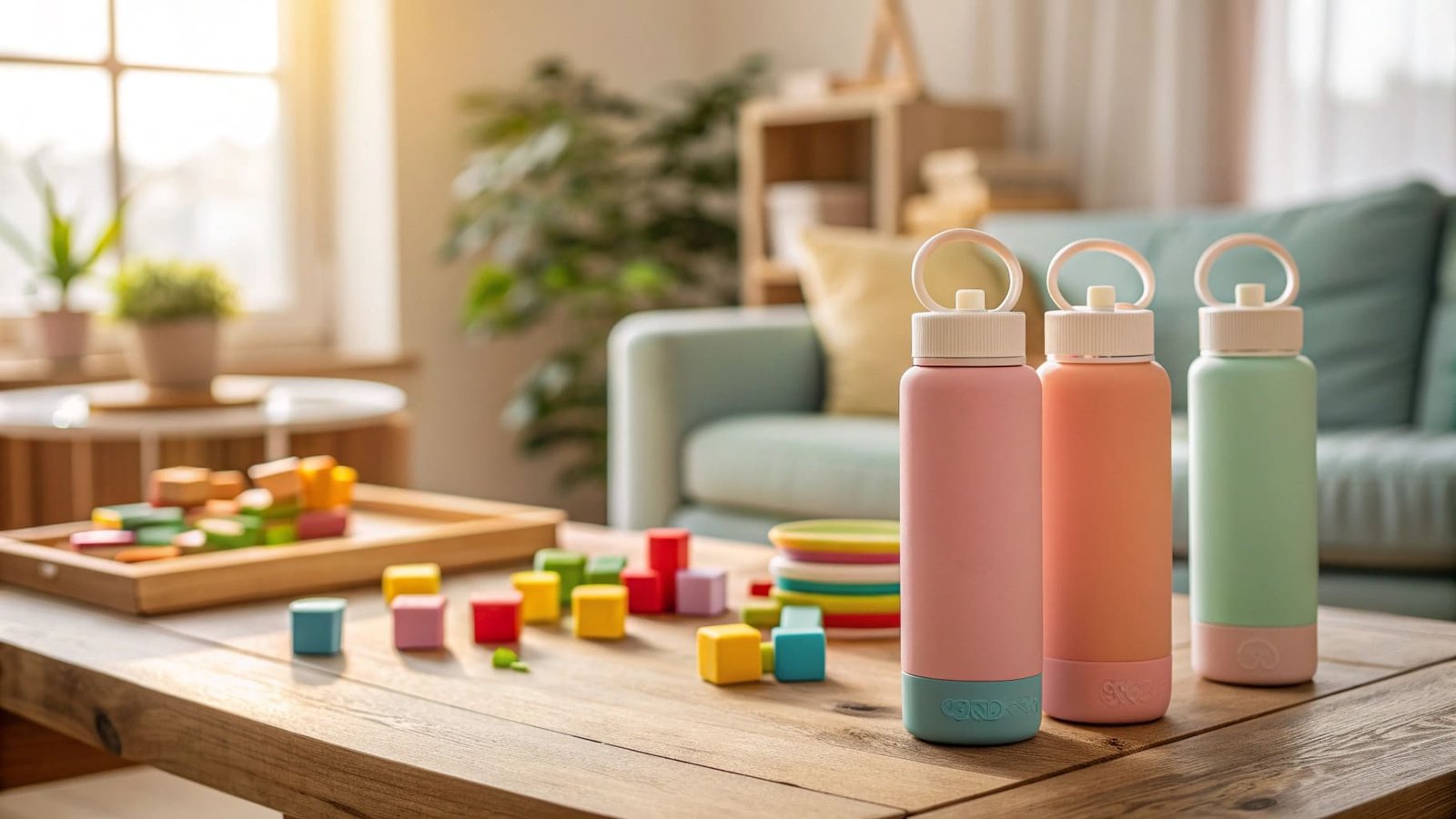
Understanding temperature specifications for tumbler accessories
I need to clarify something. The 400-degree oven question usually comes from people confusing baking mats with tumbler boots. But the temperature resistance still matters for protective sleeves.
At silijoy, we conduct thermal cycling tests. We expose boot samples to temperature extremes repeatedly. We heat them to 450°F, then cool to -50°F, then back again. We repeat this cycle 100 times.
Why do we test beyond normal use cases? I learned from a mistake three years ago. A customer in Texas left bottles in hot cars during summer. The interior temperature reached 180°F. Our boots at that time lost elasticity and became brittle.
Now I specify platinum-cured silicone2 for all tumbler boots. This material maintains flexibility across wider temperature ranges than peroxide-cured alternatives. The cost is 15% higher, but returns dropped by 80%.
Testing protocols you should require from suppliers
I recommend you ask your suppliers for specific thermal test data. Don't accept vague claims about "heat resistance." Request actual test reports.
| Test Parameter | Minimum Standard | Silijoy Standard |
|---|---|---|
| Maximum continuous temperature | 446°F | 460°F |
| Minimum temperature | -40°F | -60°F |
| Thermal cycles without degradation | 50 cycles | 100 cycles |
| Elasticity retention after heat exposure | 85% | 92% |
I also test for thermal shock resistance. We pour boiling water into tumblers wearing our boots, then immediately plunge them into ice water. The silicone must not crack or separate from the tumbler surface.
Mark now includes these specifications in his purchase orders. He sends me photos of the test reports he shows his retail customers. This transparency builds trust in his supply chain.
At what temperature do I need insulated boots?
This question helped me understand customer confusion about tumbler boots versus traditional insulated footwear. The terminology creates misconceptions about product function and quality requirements.
You need silicone tumbler boots when you want grip, protection, and temperature isolation for your hands. They work at any ambient temperature but become essential when handling beverages below 40°F or above 140°F.
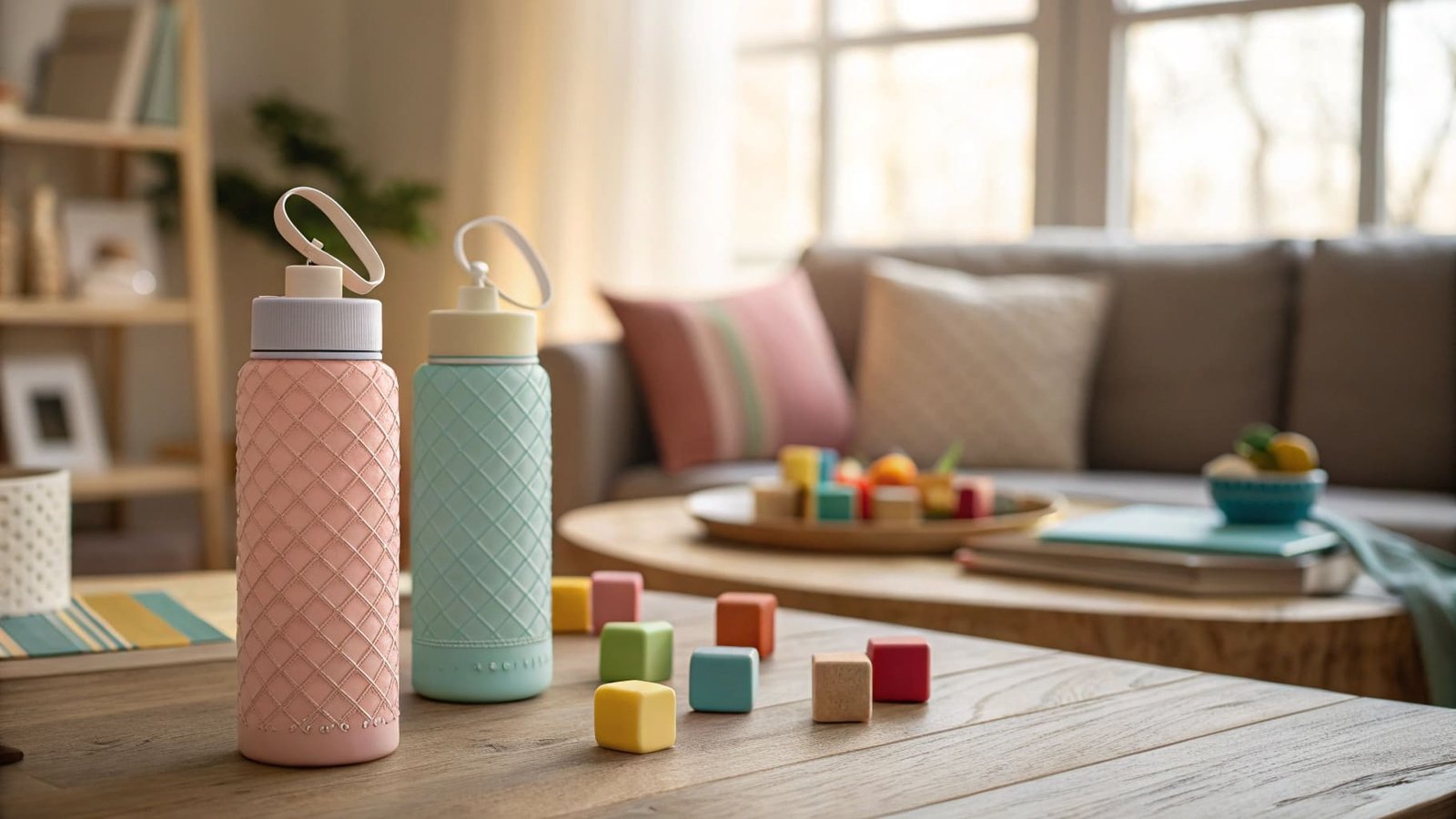
The difference between insulation and protection
I need to explain what silicone tumbler boots actually do. They don't insulate the beverage inside—that's the tumbler's job. The boots protect the tumbler from drops and provide a barrier between your hand and extreme temperatures.
At silijoy, we test what I call the "comfort temperature differential." We fill tumblers with liquid at various temperatures, apply our boots, and measure exterior surface temperature. A quality boot reduces heat transfer to your hand by 40-60%.
Here's what I discovered through testing. Silicone thickness matters more than most buyers realize. We manufacture boots ranging from 2mm to 4mm thickness. The thinner versions look sleeker but provide less thermal protection. The thicker versions can feel bulky but work better for extreme temperatures.
Quality checkpoints for thermal performance
I implement specific tests in our QA program. We fill tumblers with ice water at 32°F and measure how long someone can comfortably hold the cup. Without a boot, most people need to set the tumbler down after 45 seconds. With our boots, they can hold it indefinitely.
We do the same test with hot beverages at 180°F. The naked tumbler becomes uncomfortable in 20 seconds. Our boots extend this to over 5 minutes.
| Beverage Temperature | Naked Tumbler Comfort Time | With Silicone Boot |
|---|---|---|
| 32°F (ice water) | 45 seconds | Unlimited |
| 140°F (hot coffee) | 35 seconds | 3-4 minutes |
| 180°F (very hot tea) | 20 seconds | 5-6 minutes |
I share these test results with Mark and other distributors. They use this data in their marketing materials. Their retail customers appreciate knowing exactly what protection level they're getting.
The thermal protection function also affects our material selection. We use Shore A 40-60 hardness for most boots. Softer silicone provides better grip but less thermal barrier. Harder silicone improves insulation but reduces comfort. I balance these factors based on customer requirements.
Conclusion
Quality assurance for silicone tumbler boots requires understanding both technical specifications and market psychology. I test materials, dimensions, temperatures, and colors because each factor affects customer satisfaction. Mark's business grows because we implement these standards consistently.