Why Do OEM Buyers Require Silicone Hardness Testing Before Bulk Production?
You place a bulk order. The silicone products arrive. They feel wrong. Too soft or too hard. Your customers complain. Returns pile up. Your brand reputation takes a hit.
OEM buyers require silicone hardness testing1 before bulk production because hardness directly affects product performance, safety, and durability. Testing prevents costly mistakes and ensures the final product meets both technical specifications and market expectations.

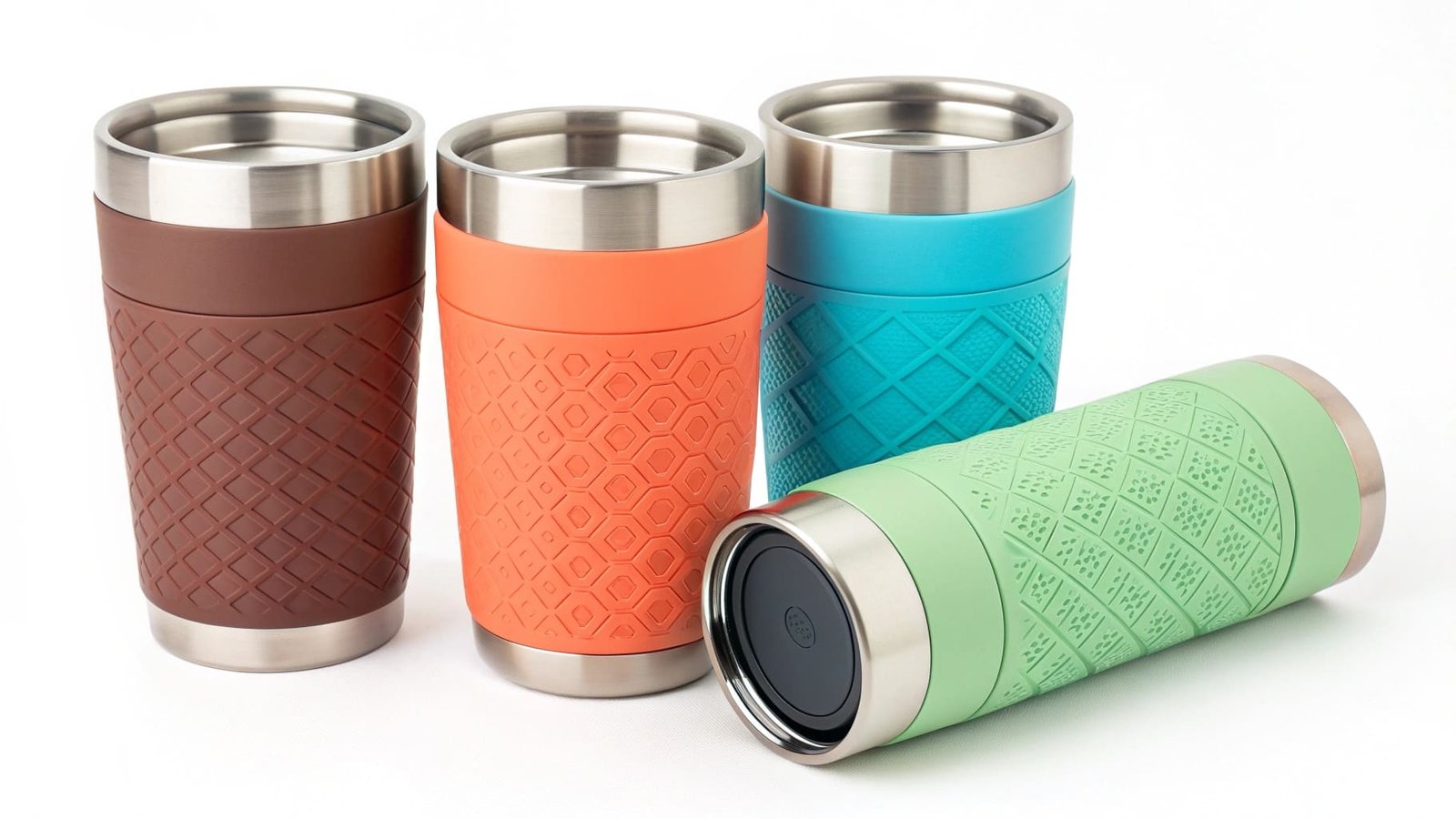
I learned this lesson the hard way years ago. A client ordered silicone tumbler boots without specifying hardness requirements. We delivered at 50A hardness. They needed 60A. The boots were too soft and kept slipping off. We had to remake the entire batch. That experience taught me why hardness testing is not optional—it is a business necessity.
How to Choose Silicone Hardness?
You need the right hardness. But the options feel overwhelming. Shore A, Shore D, different numbers. You worry about making the wrong choice. Your product performance depends on this decision.
Choose silicone hardness based on three factors: end-use application, user interaction needs, and environmental conditions. Each application requires specific hardness ranges to function properly and meet safety standards.
Understanding Shore Hardness Scales
I always explain Shore scales to new buyers. Shore A measures softer materials. Shore D measures harder materials. Most silicone products use Shore A. The scale runs from 0 to 100. Lower numbers mean softer. Higher numbers mean harder.
Baby products need soft silicone. Kitchen tools need medium hardness. Industrial parts need hard silicone. The difference matters for function and safety.
Application-Specific Hardness Requirements
| Product Type | Recommended Hardness (Shore A) | Reason |
|---|---|---|
| Baby Products | 20-40A | Soft for safety and comfort |
| Kitchen Utensils | 40-60A | Balance flexibility and heat resistance |
| Tumbler Boots | 50-70A | Grip and protection without slipping |
| Automotive Seals | 60-80A | Withstand mechanical stress |
| Industrial Gaskets | 70-80A | Maintain structural integrity |
I work with buyers who skip this step. They choose hardness randomly. The products fail in the field. One buyer ordered silicone cup sleeves at 30A. Too soft. The sleeves stretched out after one week. We redid them at 50A. Problem solved.
Environmental Factors
Temperature affects silicone behavior. Cold environments need softer grades. Soft silicone stays flexible in cold. Hard silicone becomes brittle. Hot environments need harder grades. Hard silicone resists deformation under heat.
A buyer from Canada ordered bottle seals. I suggested 40A for cold weather flexibility. They initially wanted 60A. We tested samples in a freezer. The 60A seals became too stiff. They switched to 40A. The seals worked perfectly.
What is the Hardness of Silicon?
You see "silicon" and "silicone" used interchangeably. This confuses you. You need to understand the actual material. The wrong terminology leads to wrong specifications. Your order might not match your needs.
Silicone rubber hardness typically ranges from 10A to 80A on the Shore A scale. Silicon is a chemical element and has different properties. Most flexible silicone products fall between 30A and 70A hardness.
Silicon vs. Silicone
I see this confusion often. Silicon is a hard, brittle element. It is used in computer chips. Silicone is a synthetic rubber. It is soft and flexible. When buyers talk about "silicon hardness" for rubber products, they mean silicone.
The terminology matters for communication. Using "silicon" when you mean "silicone" creates confusion. Suppliers might not understand your requirements. I always clarify this with new buyers.
Common Hardness Ranges for Silicone Products
Different products need different hardness levels. Here is what I see in daily work:
| Hardness Range | Feel/Texture | Typical Products |
|---|---|---|
| 10-20A | Very soft, gel-like | Medical implants, cushion pads |
| 30-40A | Soft, easily compressed | Baby nipples, phone cases |
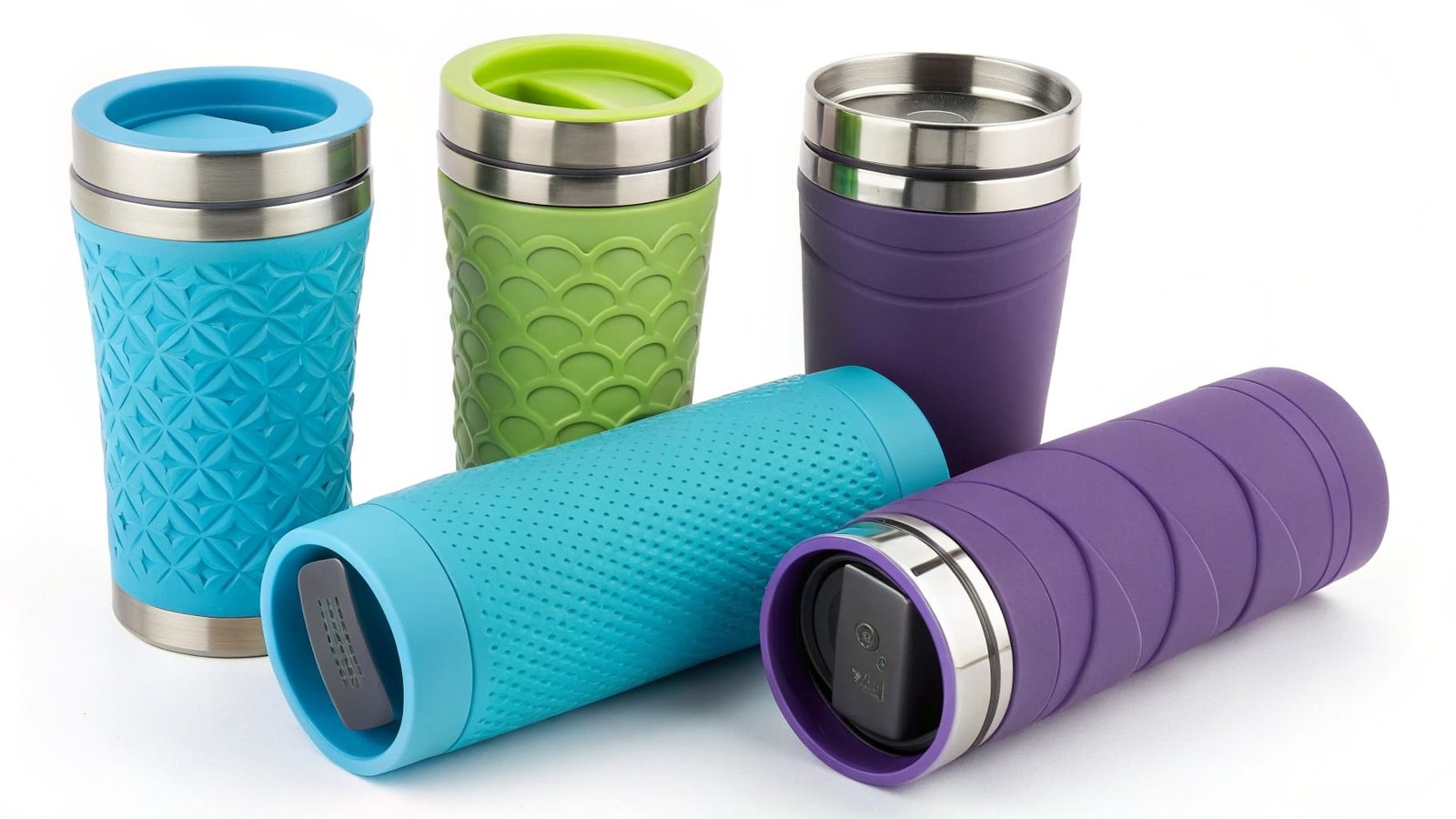
| 50-60A | Medium, rubber-like | Tumbler boots, cup sleeves |
| 70-80A | Firm, minimal give | O-rings, industrial seals |
I recommend testing actual samples. Numbers on paper feel different in hand. Touch the material. Squeeze it. Imagine your customer using it. This gives you a better sense than specifications alone.
Why Hardness Matters for Performance
Hardness affects everything. Too soft silicone tears easily. Too hard silicone cracks under pressure. The right hardness balances durability and flexibility. It determines how the product feels. It affects how long it lasts.
A startup founder contacted me. He needed silicone straw plugs. He asked for 70A because it sounded "premium." I explained that 70A would be too hard to remove. Users would struggle. We settled on 50A. The plugs were easy to use. His product reviews improved.
What are the Methods of Manufacturing Silicone?
You need consistent hardness. But manufacturing methods vary. Different processes give different results. You worry about quality consistency across batches. The wrong method means unpredictable hardness.
Silicone manufacturing methods2 include Liquid Silicone Rubber (LSR) injection molding, compression molding, and extrusion. LSR injection molding provides the tightest hardness control and consistency, making it the preferred method for precision applications.
LSR Injection Molding
LSR injection molding is my top recommendation for hardness control. The process mixes two liquid components. The mixture is injected into molds. Heat cures the material. The result is consistent hardness across all pieces.
This method controls catalyst ratios precisely. Temperature and pressure remain stable. Each piece comes out nearly identical. Buyers get predictable hardness batch after batch.
Comparison of Manufacturing Methods
| Method | Hardness Consistency | Best For | Limitations |
|---|---|---|---|
| LSR Injection Molding | High (±2 Shore A) | High-volume, precision parts | Higher tooling cost |
| Compression Molding | Medium (±5 Shore A) | Medium volume, simple shapes | More variation between batches |
| Extrusion | Low to Medium | Continuous profiles, tubes | Limited hardness control |
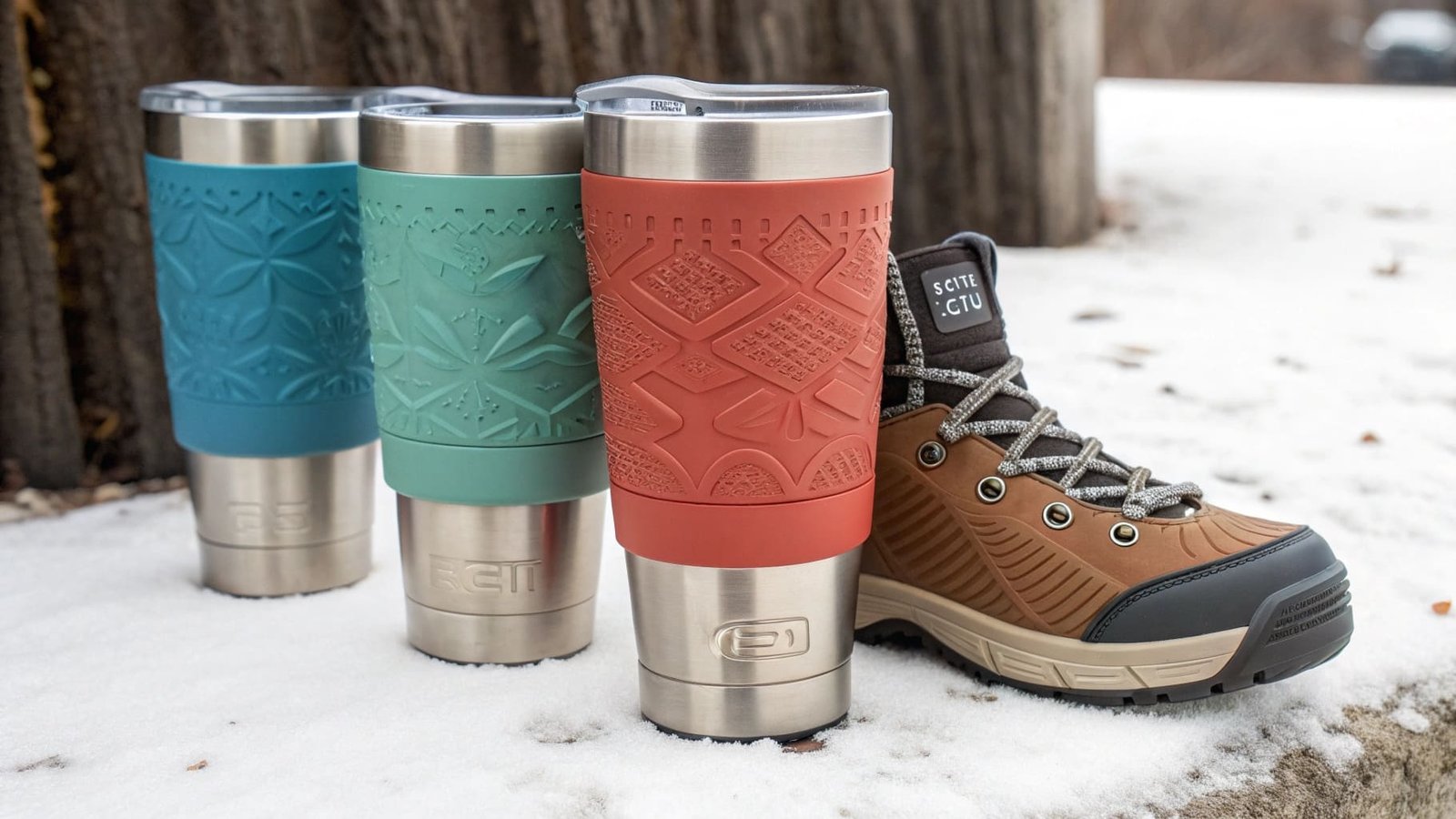
I work with buyers who choose based on price only. They pick compression molding to save money. The hardness varies between batches. Some pieces are 50A. Others are 55A. This causes problems for products where fit matters. For tumbler boots, even 5A difference affects grip.
The Curing Process Impact
Curing time affects final hardness. Under-cured silicone feels softer. Over-cured silicone becomes brittle. Professional suppliers monitor curing carefully. They use temperature sensors. They track timing precisely.
Post-curing matters too. Some products need secondary curing. This removes residual chemicals. It stabilizes hardness. Without proper post-curing, hardness might change over time. The product that tests at 50A today might measure 48A after three months.
Quality Control and Testing
Good suppliers test every batch. They use calibrated durometers. They measure multiple points on each sample. They record results. This data shows consistency. I always ask suppliers for their testing protocols. If they cannot show systematic testing, I look elsewhere.
Third-party testing provides extra confidence. Before bulk production, I send samples to independent labs. They verify hardness claims. This catches any discrepancies early. It protects buyers from receiving off-spec products.
Conclusion
Silicone hardness testing protects your investment and brand reputation. Choose hardness based on application needs. Work with suppliers who understand testing protocols and manufacturing consistency.