How to Join Cup Sleeve Events for B2B Networking in Asia Markets?
You want to break into Asian markets. But you don't know where to start. Cup sleeve events might be the entry point you've been missing.
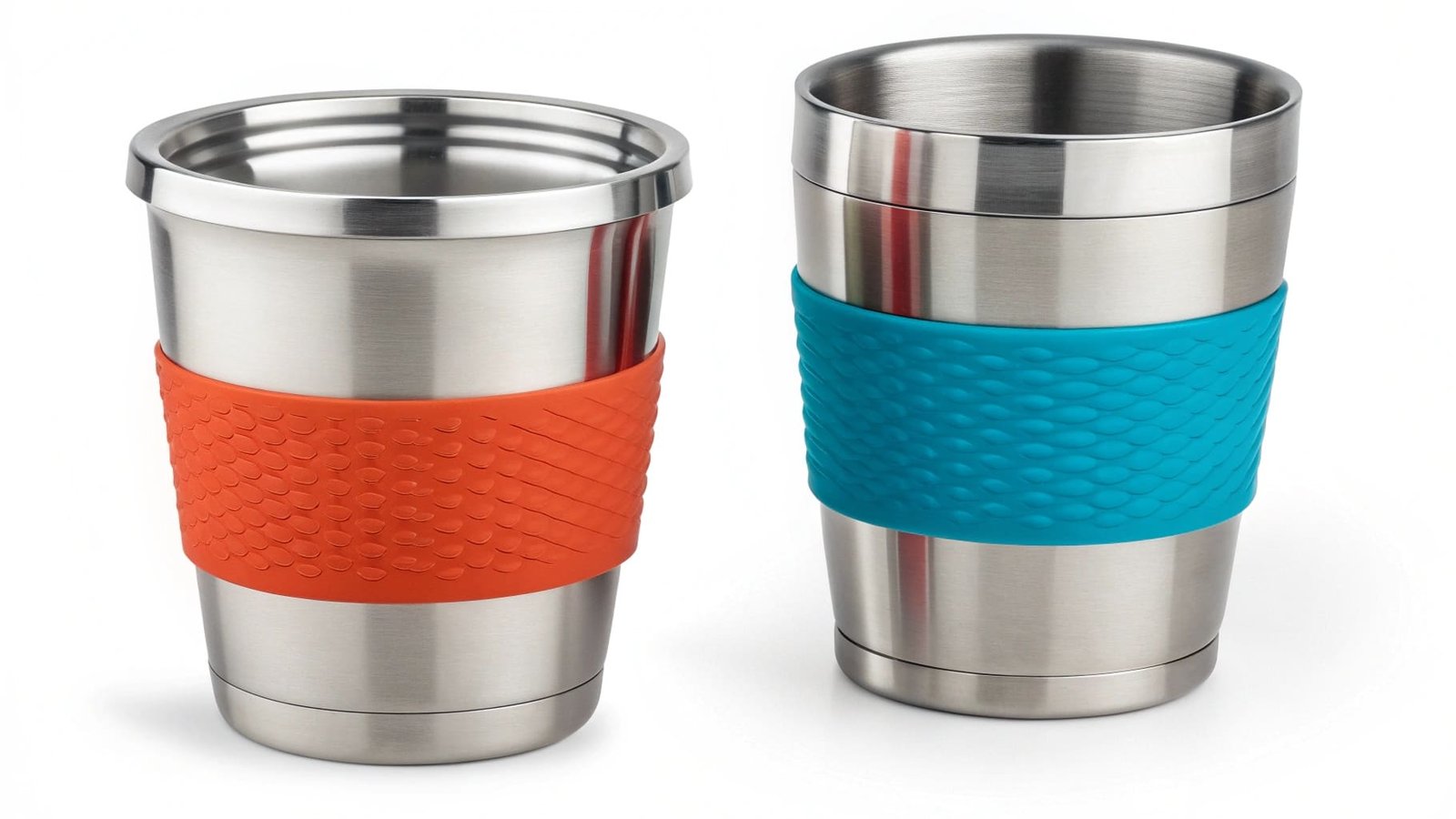
Cup sleeve events are brand activation gatherings where custom-printed silicone sleeves are given out at cafes or pop-up venues. They are common in South Korea, Japan, and China. They let B2B brands build real connections with local audiences at low cost.1
I've watched this format grow from a niche fan activity into a serious B2B tool. If you sell or source silicone products, you need to understand how this works. The next sections break it all down for you.
How Do You Set Up a Cup Sleeve Event?
Most people think setting up one of these events is simple. It's not. One wrong move in supplier selection or venue timing can cost you the entire campaign.
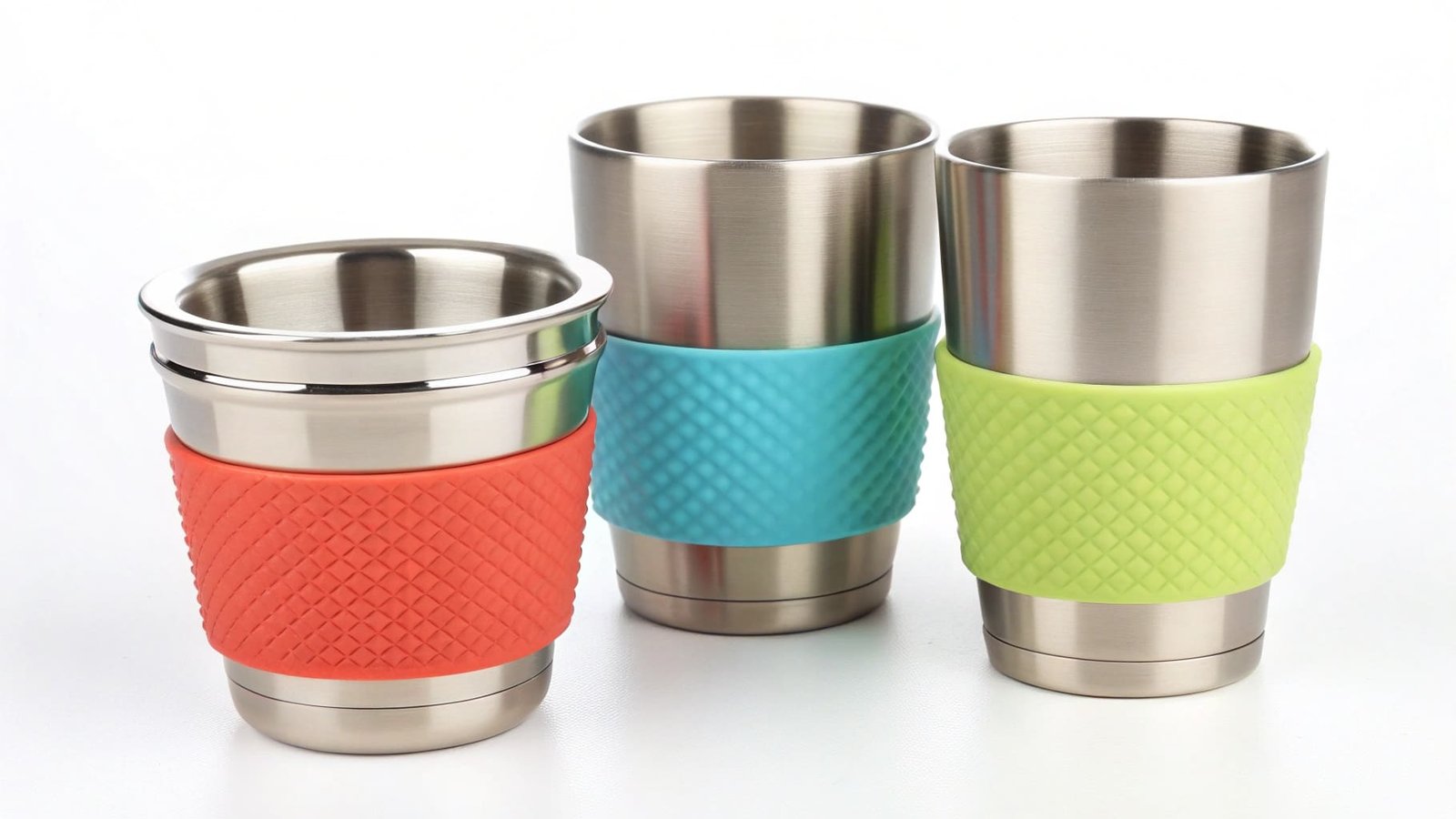
Setting up a cup sleeve event means choosing a venue near busy cafes, partnering with a local coffee shop, and finding a supplier who delivers quickly. Low MOQ suppliers work best for test runs. Food-grade silicone with a smooth surface gives the best print results.2
Venue and Partnership Selection
The venue is your first decision. You want foot traffic, but you also want the right crowd. High-traffic areas in cities like Seoul, Tokyo, or Shanghai work well.3 I always look for cafes that already have a loyal following. This gives your brand a built-in audience from day one.
Partnering with a local coffee shop is not just a nice touch. It is a necessity. The shop handles the drink side of the event. You handle the branded sleeve. This split model keeps your costs manageable. It also makes the experience feel natural rather than forced.
Here is a basic breakdown of what each party typically handles:
| Responsibility | Your Brand | Coffee Shop Partner |
|---|---|---|
| Custom silicone sleeves | ✓ | |
| Beverage provision | ✓ | |
| Venue space | Shared | Shared |
| Social media promotion | ✓ | ✓ |
| Staff and service | ✓ |
Supplier Selection and Timeline
This is where most B2B first-timers make their biggest mistake. They find a supplier too late. Asian events move fast. A supplier who cannot hit a two-week production window will leave you empty-handed on event day.
When I work with suppliers for this kind of project, I look for three things. First, they must offer low MOQs for test orders. Orders of 300 to 500 units are standard for a first event.4 Second, they must use food-grade silicone. This is not negotiable in most Asian markets, especially Japan and South Korea.5 Third, their surface finish must support clean logo printing. A rough or textured surface will blur fine design details and make your brand look cheap.
Asian buyers also care deeply about packaging. A well-presented sleeve inside a clean poly bag or small box signals quality before the recipient even touches the product. If your supplier only ships loose units in bulk bags, that is a red flag for premium market positioning.
Key Setup Checklist
| Step | Timeline Before Event |
|---|---|
| Confirm venue and coffee shop partner | 6 to 8 weeks out |
| Submit artwork to supplier | 5 to 6 weeks out |
| Approve sample from supplier | 3 to 4 weeks out |
| Confirm bulk production order | 3 weeks out |
| Arrange shipping and customs clearance | 2 weeks out |
| Receive and inspect goods | 1 week out |
Missing any step in this sequence creates a chain reaction. Late goods mean no event. No event means wasted venue deposits and missed seasonal windows.
What Makes Cup Sleeve Events So Popular?
You might be wondering why a silicone sleeve — a simple product — can drive this much attention. The answer is not obvious at first, but it makes complete sense once you look closer.
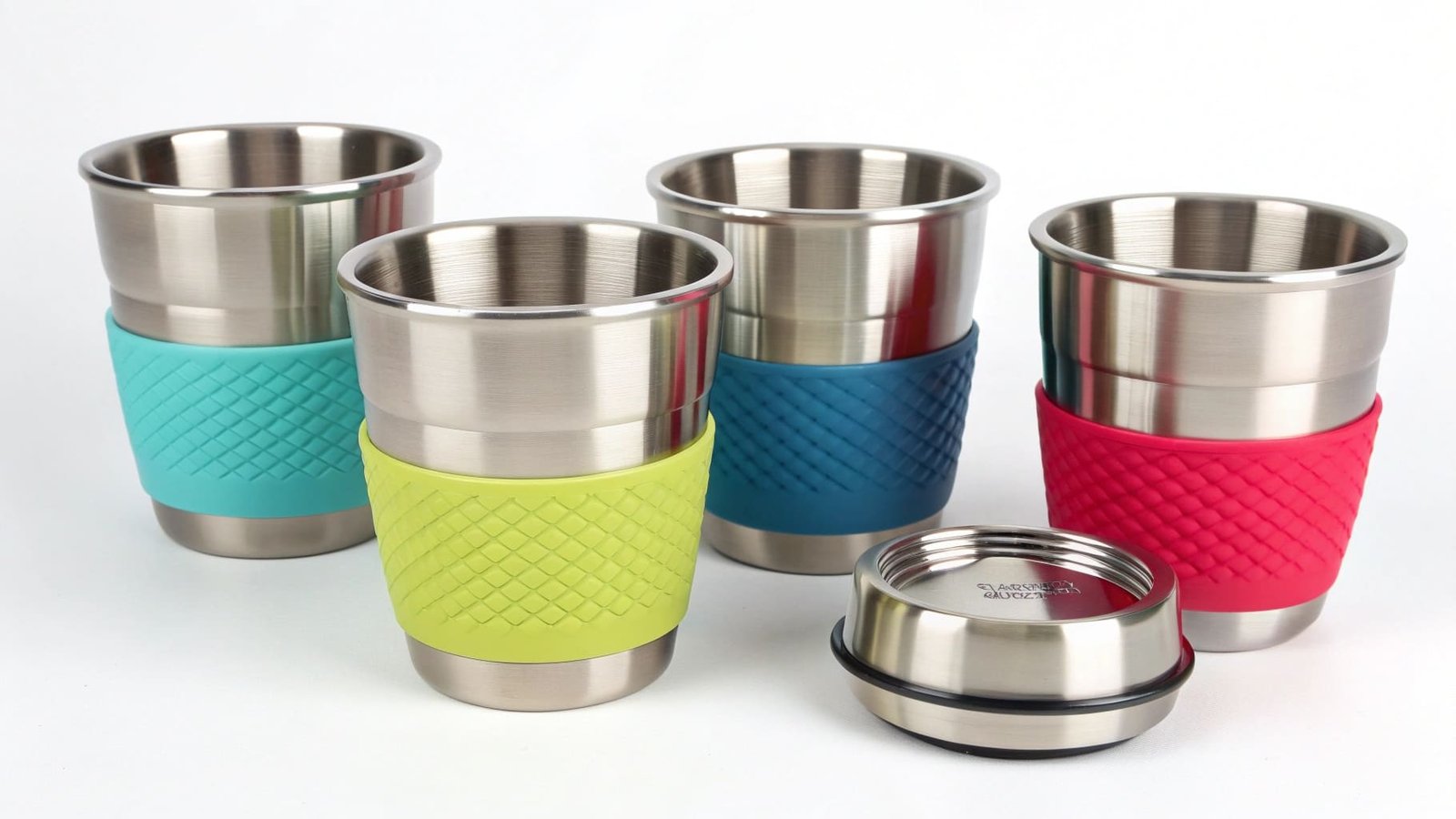
Cup sleeve events are popular because they turn a useful everyday item into a collectible brand experience. Asian consumers value practical gifts with visual appeal. These events generate strong social media content and extend brand visibility for months after the event ends.
The Shift From Digital to Physical Brand Touchpoints
Digital advertising fatigue is real. I see it in the numbers every year. Click rates drop. Ad costs rise. Audiences scroll past branded content without stopping. Physical brand touchpoints cut through this noise in a way that digital simply cannot.
A silicone cup sleeve sits on a person's drink every day.6 It travels with them. Other people see it. It becomes a small, quiet advertisement that works around the clock. For B2B brands trying to build name recognition in a new market, this kind of sustained visibility is very hard to buy through any other channel.
Asian consumers have also built a strong culture around collectible branded goods. Limited-edition sleeves tied to specific events create a sense of urgency. People attend events specifically to get the sleeve before it runs out. This is a behavior pattern that started in Korean fan culture and has since spread to general consumer marketing across the region.7
Why B2B Brands Benefit Specifically
For B2B decision-makers, the appeal goes beyond brand awareness. These events create real conversations. When your branded sleeve is on someone's cup, it opens a door. People ask about it. They look up your brand. If you are sourcing or distributing silicone products, that moment of curiosity can turn into a lead.
Here is a side-by-side comparison of cup sleeve events versus standard digital advertising for B2B brand building in Asian markets:
| Factor | Cup Sleeve Event | Digital Advertising |
|---|---|---|
| Cost per impression | Low | Medium to High |
| Brand visibility duration | Months | Hours to Days |
| Physical brand touchpoint | Yes | No |
| Audience engagement level | High | Low to Medium |
| Collectible or shareable appeal | Yes | Rarely |
| Suitable for market testing | Yes | Yes |
The event format also lets you test market reception before committing to a large campaign. You can read the room. If your sleeve design lands well, you scale up. If it doesn't, you adjust before spending more. That kind of low-risk market testing is something most B2B brands do not have access to through traditional channels.
How Much Does a Cup Sleeve Event Cost?
Budget conversations are uncomfortable, but they are necessary. Many B2B brands go into their first Asian market event without a clear picture of total costs, and they get surprised halfway through.
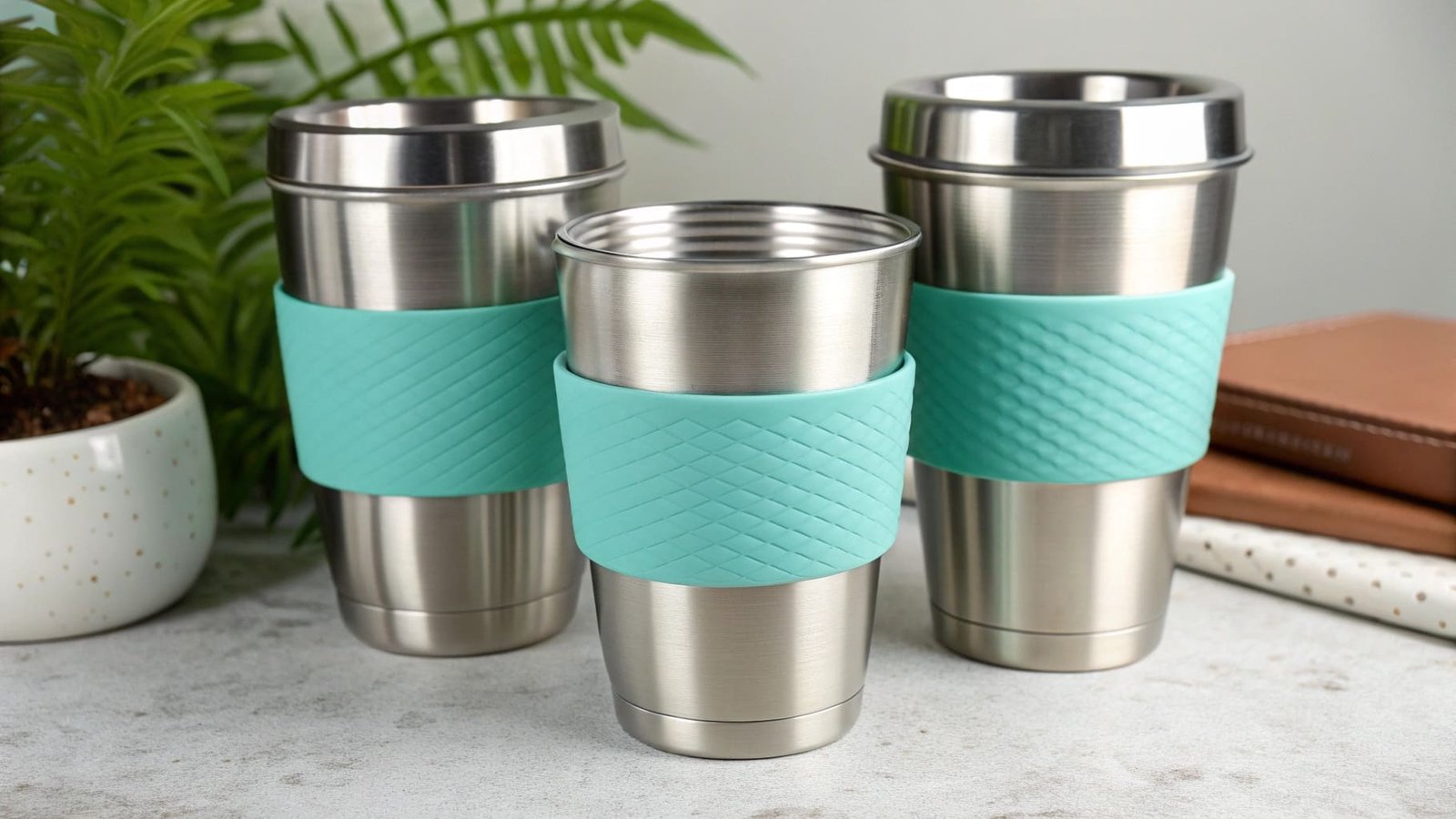
A professional cup sleeve event for around 300 attendees typically costs between $3,000 and $6,000 in total.8 This includes product, venue, beverages, and photography. Product unit costs run from $0.80 to $2.50 depending on sleeve complexity and order size.
Breaking Down the Cost Structure
There are two categories of costs you need to plan for. The first is product cost. The second is operational cost. Most first-time organizers only budget for the product. That is a mistake.
Product costs are the most straightforward to control. Working directly with a manufacturer, rather than a trading company, gives you better pricing and faster communication. For silicone cup sleeves, the price per unit drops significantly as order quantity increases.
| Order Quantity | Estimated Unit Cost |
|---|---|
| 300 to 500 units | $2.00 to $2.50 |
| 500 to 1,000 units | $1.50 to $2.00 |
| 1,000 to 3,000 units | $0.80 to $1.50 |
Operational costs are where budgets get out of control. Premium cafe locations in cities like Tokyo or Shanghai charge setup fees. Beverage vouchers add up quickly when you have hundreds of attendees. Professional photography is often treated as optional, but in Asian markets, social media content from the event is part of the return on investment. Skipping it means leaving value on the table.
Hidden Costs That Catch People Off Guard
I have seen experienced procurement managers get caught by costs they did not expect. Packaging is one of them. Asian markets expect polished presentation. Adding individual packaging per sleeve adds $0.30 to $0.60 per unit. That seems small, but on a 1,000-unit order, it adds $300 to $600 to your budget overnight.
Rush production is another hidden cost. If your artwork approvals run late, or if your first sample fails inspection, you may need expedited production. Some suppliers charge a premium of 15% to 30% for rush orders. The best way to avoid this is to lock in your supplier early and keep your design brief tight from the start.
Here is a full cost summary for a standard 300-person event:
| Cost Category | Estimated Range |
|---|---|
| Silicone sleeves (300 to 500 units) | $600 to $1,250 |
| Individual packaging | $90 to $300 |
| Venue setup fee | $500 to $2,000 |
| Beverage vouchers | $600 to $1,500 |
| Professional photography | $300 to $800 |
| Shipping and customs | $200 to $500 |
| Total Estimate | $2,290 to $6,350 |
The total investment looks significant. But compare it to a digital campaign targeting the same audience in South Korea or Japan. You would spend two to three times as much for far less brand recall.9 A physical product that someone uses daily is hard to compete with on a cost-per-impression basis.
The smartest approach I have seen from experienced buyers is to negotiate bundled pricing with suppliers upfront. This means agreeing on a package that includes design adjustments, a backup unit reserve, and expedited production as a fallback. It gives you cost certainty and protects you if anything goes wrong during production.
Conclusion
Cup sleeve events are a low-cost, high-impact way to enter Asian B2B markets. Pick the right supplier, plan your timeline early, and budget for hidden costs.
-
""Experiential Marketing, Customer Engagement, and Brand Loyalty ...", https://digitalcommons.kean.edu/keanpublications/439/. Studies of experiential and event marketing indicate that in-person branded experiences can foster consumer engagement and relationship formation, although this evidence supports the mechanism generally rather than proving the cost efficiency of cup sleeve events specifically. Evidence role: expert_consensus; source type: paper. Supports: Experiential and event marketing can increase engagement and relationship quality by creating direct interactions between brands and audiences.. Scope note: General support; not direct proof of B2B cup sleeve event ROI. ↩
-
"Effects of Surface Roughness on Direct Plasma Bonding between ...", https://pmc.ncbi.nlm.nih.gov/articles/PMC9753519/. Food-contact material guidance and printing-surface research support the use of compliant silicone materials and smooth substrate finishes for applications involving drinkware contact and printed graphics, although the evidence may address silicone materials and print mechanics separately rather than cup sleeves alone. Evidence role: mechanism; source type: government. Supports: Food-contact silicone is regulated for food-use applications, and smoother substrate surfaces generally improve print definition and adhesion.. Scope note: Contextual technical support; may require two sources for food-contact safety and print quality. ↩
-
"Data science for pedestrian and high street retailing as a framework ...", https://pmc.ncbi.nlm.nih.gov/articles/PMC9527144/. Retail-location studies associate higher pedestrian traffic and central urban locations with greater consumer exposure and visit potential, although this evidence supports venue selection principles rather than proving performance for cup sleeve events in Seoul, Tokyo, or Shanghai specifically. Evidence role: mechanism; source type: paper. Supports: Retail and event-location research links pedestrian traffic and urban centrality with exposure, customer visits, and commercial performance.. Scope note: General mechanism support; not event-format-specific. ↩
-
"What is the minimum order quantity for promotional products?", https://www.promobearsusa.com/knowledgebase/what-is-the-minimum-order-quantity-for-promotional-products/. Industry and institutional materials on promotional merchandise procurement commonly describe pilot or minimum-order quantities in the hundreds of units, which provides contextual support for a 300–500-unit first run but does not establish it as a universal standard for cup sleeve events. Evidence role: general_support; source type: institution. Supports: Small-batch promotional merchandise orders often use minimum order quantities in the hundreds of units for testing or pilot campaigns.. Scope note: Contextual support; supplier practices vary by product, country, and production method. ↩
-
"Japan Revises Specifications and Standards for Food Contact ... - SGS", https://www.sgs.com/en/news/2025/08/safeguards-11425-japan-revises-specifications-and-standards-for-food-contact-materials. Government food-contact material regulations in Japan and South Korea establish safety requirements for materials intended to contact food or beverages, supporting the need for compliant silicone in drinkware accessories while not necessarily naming cup sleeves as a separate product category. Evidence role: definition; source type: government. Supports: Japan and South Korea regulate food-contact materials, including synthetic resins or rubber-like materials used near food and beverages.. Scope note: Direct for food-contact compliance; product classification may vary. ↩
-
"Taking repeated exposure into account: An experimental study of ...", https://pmc.ncbi.nlm.nih.gov/articles/PMC9479315/. Research on advertising exposure and promotional products supports the mechanism that repeated encounters with a branded physical object can reinforce brand memory, although it does not prove that every recipient will use a silicone sleeve daily. Evidence role: mechanism; source type: research. Supports: Repeated exposure to branded physical items can contribute to brand recall and ongoing visibility.. Scope note: Mechanism support; actual usage frequency depends on recipient behavior. ↩
-
"The fan-led events challenging K-pop's commercial culture", https://www.thecitizen.org.au/articles/the-fan-led-events-challenging-k-pops-commercial-culture. Scholarship and educational sources on K-pop fandom document cafe-based cup sleeve events as fan-organized promotional practices, supporting the Korean fan-culture context while offering only indirect evidence for later adoption by commercial brands across Asia. Evidence role: historical_context; source type: education. Supports: K-pop fandom has used cafe-based cup sleeve events for idol birthdays and fan gatherings, providing a cultural precedent for later branded adaptations.. Scope note: Historical-context support; broader commercial diffusion may need additional market sources. ↩
-
"How Much Does a Corporate Event Cost Per Attendee in 2026?", https://www.greatevent.com/corporate-event-cost-per-attendee-usa-2026/. Event-planning cost benchmarks show that small professional events can incur several thousand dollars in combined venue, catering, production, and documentation expenses, although such sources provide contextual budgeting support rather than a verified average for cup sleeve events specifically. Evidence role: statistic; source type: institution. Supports: Small promotional events commonly include venue, beverage or catering, staffing, photography, and production costs that can plausibly total several thousand dollars.. Scope note: Contextual budget support; local city pricing can vary widely. ↩
-
"[PDF] Comparing Brand Placements And Advertisements on Brand Recall ...", https://scholarworks.calstate.edu/downloads/h415pg20d?locale=es. Advertising-effectiveness studies can show that tangible branded items may produce measurable recall through repeated exposure, and media-cost data can contextualize digital advertising expense, but a direct two-to-three-times cost and recall comparison for cup sleeve events in Japan or South Korea would require campaign-specific evidence. Evidence role: statistic; source type: paper. Supports: Comparative advertising research can support differences in brand recall between physical promotional products and digital advertising, while market reports can contextualize digital media costs.. Scope note: The exact multiplier is unlikely to be established by general sources and may need proprietary campaign data. ↩