What Are Cup Sleeve Events and How Do Korean Suppliers Participate?
You see a long line outside a small café. Everyone is holding a cup with a custom-printed sleeve. You have no idea what is happening. You are missing something big.
Cup sleeve events are fan-driven promotional gatherings where supporters celebrate a celebrity's milestone by distributing custom-designed cup sleeves at participating cafés1. These events are short, high-demand, and require fast-turnaround custom merchandise from B2B suppliers who can deliver small batches with complex designs on food-grade materials.
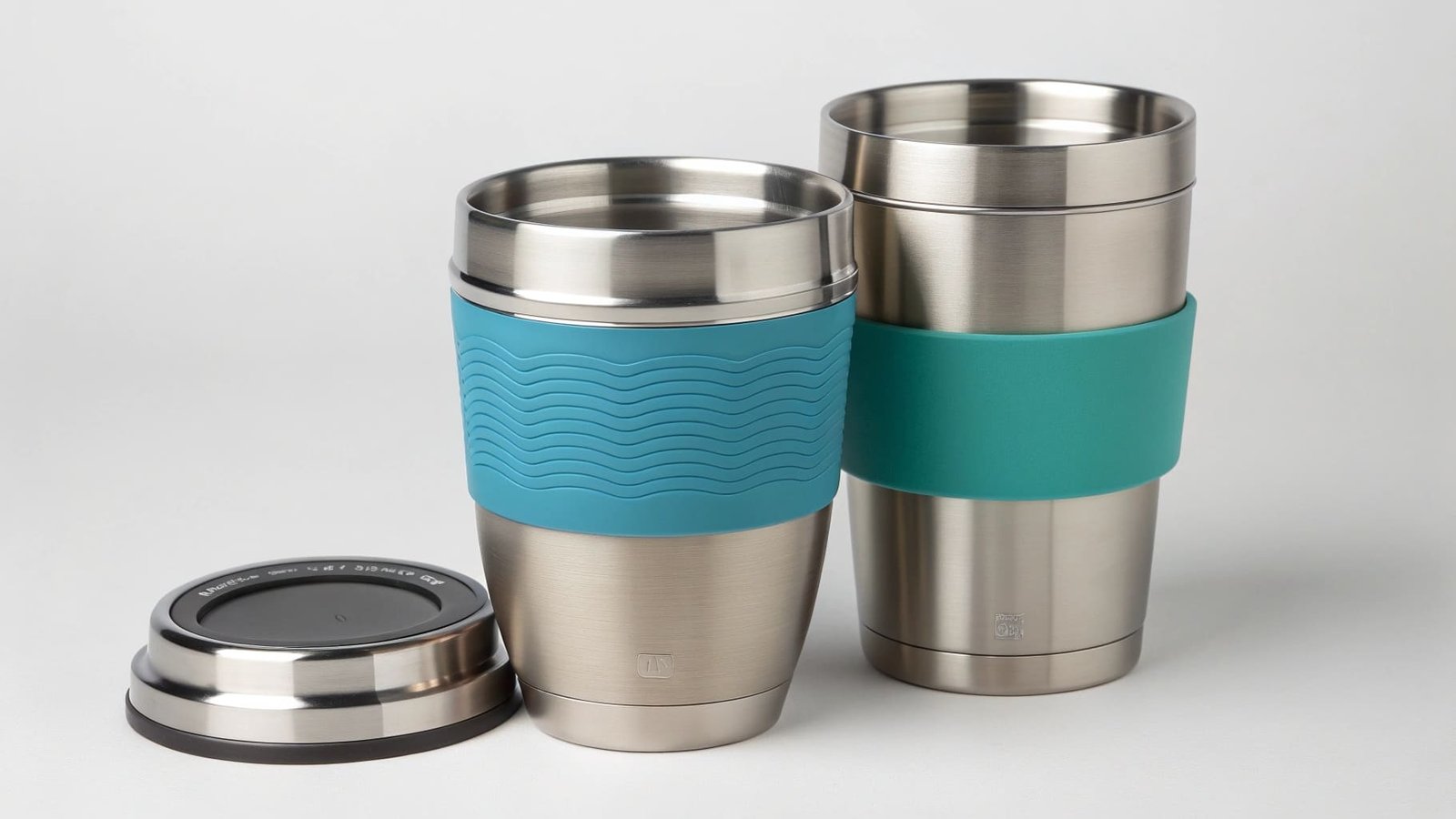
This started as a niche fan activity in South Korea. Now it has grown into a real B2B market. Brands, procurement officers, and startup founders are all paying attention. If you source drinkware accessories or promotional merchandise, this market is worth understanding. I will walk you through how it works and why Korean suppliers are leading it.
How Do Cup Sleeve Events Work?
You walk into a café. A fan group has taken over a corner. They hand you a custom-printed cup sleeve. You did not pay for it. This is a cup sleeve event.
A cup sleeve event happens when a fan community books space at a café on a celebrity's birthday or album release date.2 They pre-order custom cup sleeves printed with the celebrity's image or a unique design. They give these away free to visitors. The café gains foot traffic. The fans show their support publicly.
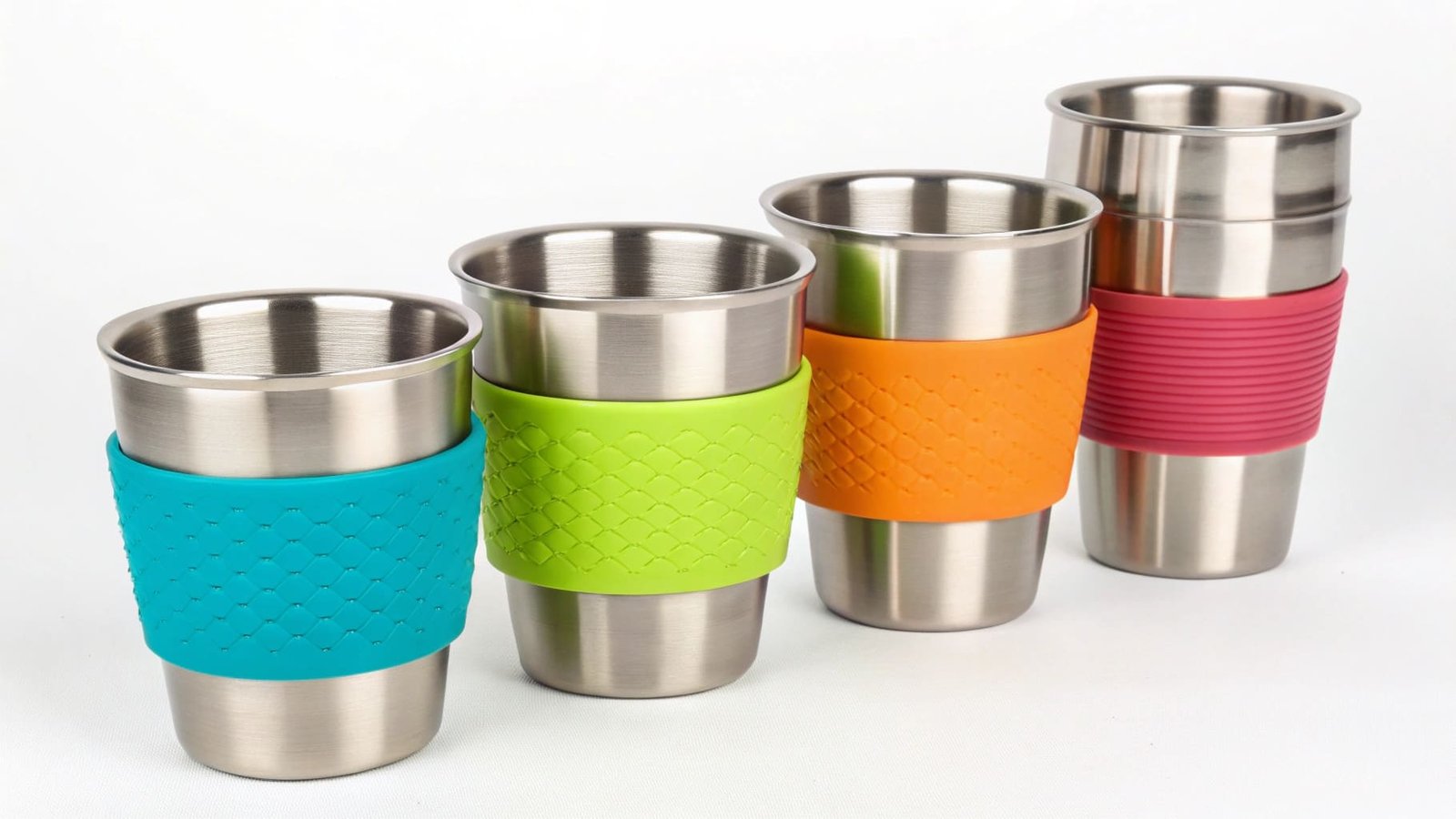
The mechanics behind a cup sleeve event are simple, but the supply chain behind it is not. Fan groups typically plan these events weeks in advance. They collect design files, confirm the café location, and then place a B2B order for the custom sleeves. The order size is usually small to medium. It is not a bulk factory run. It is a fast, design-heavy, deadline-sensitive production job.
Here is what makes the supply chain complicated:
| Requirement | Why It Matters |
|---|---|
| Low MOQ | Fan groups cannot commit to thousands of units |
| Fast turnaround | Events are tied to fixed dates like birthdays |
| Complex print quality | Designs often include detailed portraits and gradients |
| Food-grade material | Sleeves touch hot beverages and must meet safety standards3 |
| Reliable delivery | A late shipment means the event has no merchandise |
Most traditional silicone manufacturers are built for volume. They are not set up for 200-unit orders with a two-week lead time and a four-color portrait print. This is where specialized suppliers step in. I have seen buyers get burned by choosing the wrong supplier for this kind of job. The product arrives late, the print quality is flat, or the sleeve does not fit the cup size used by the café. Every one of these mistakes kills the event.
The fan community notices. Reputation spreads fast in this space. That is why procurement decisions here are not just about price. They are about speed, precision, and trust.
What Is the Point of a Cup Sleeve?
You think a cup sleeve just protects your hand from a hot drink. That is true. But that is not the whole story.
A cup sleeve serves a functional purpose, but in the context of cup sleeve events, it also serves as a physical piece of fan merchandise. It is collectible, shareable, and tied to a specific moment in time. It turns a disposable coffee accessory into a limited-edition keepsake.
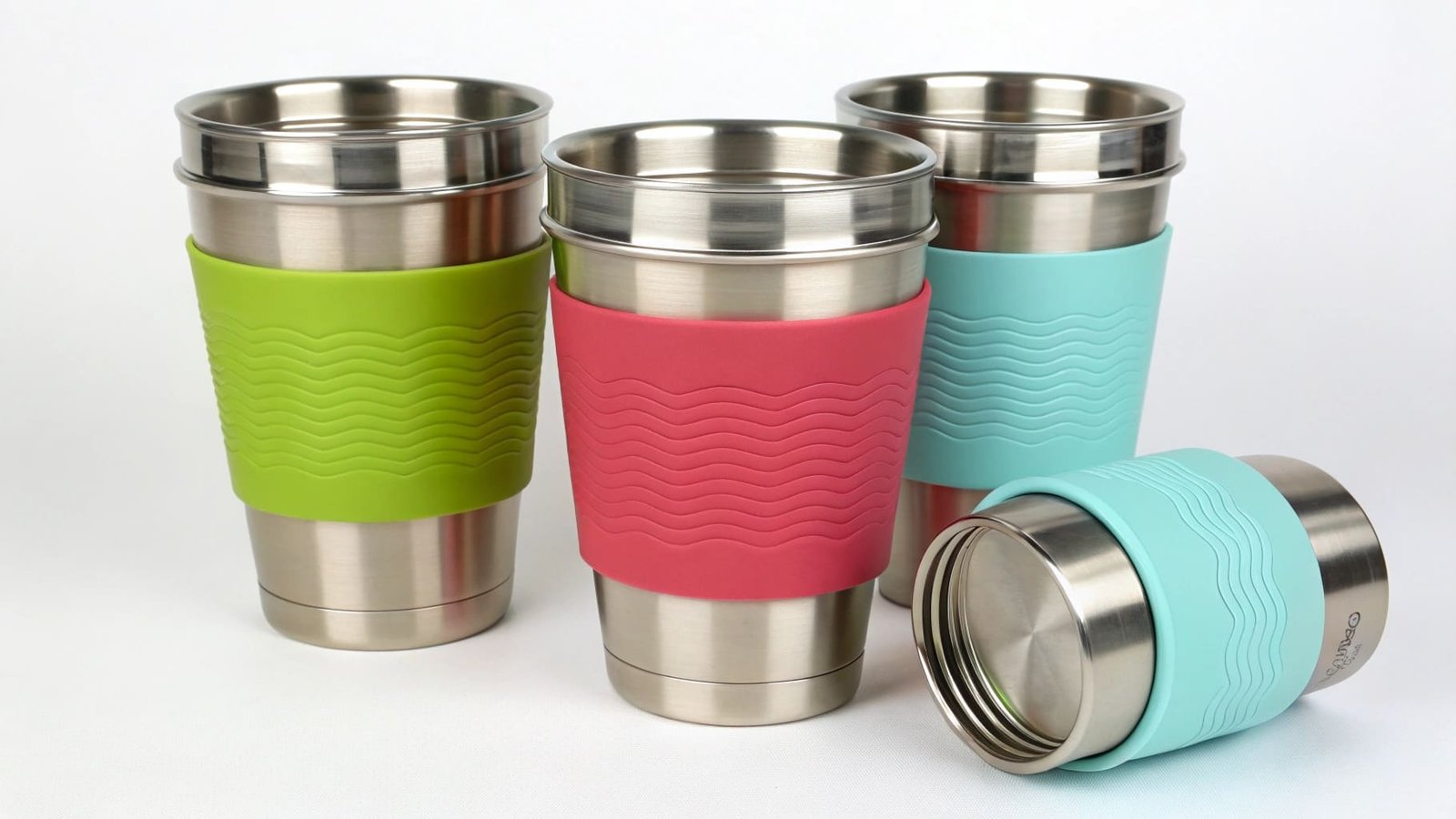
The functional value of a cup sleeve is straightforward. It insulates the hand from heat or cold. Silicone sleeves do this well because silicone is a poor conductor of heat. They also grip the cup and reduce the chance of dropping it. For café operators, sleeves can reduce the need for double-cupping hot drinks, which cuts material costs.
But the emotional value is different. In a cup sleeve event, the sleeve represents something. It is a sign that you were there. It connects you to a community. For brands that understand this, the cup sleeve becomes a marketing tool. It carries a logo, a message, or an image into a public space. Every person who walks out of that café holding the cup is carrying the brand.
Here is how the value of a cup sleeve breaks down across different use cases:
| Use Case | Primary Value | Secondary Value |
|---|---|---|
| Daily café use | Heat insulation | Branding for the café |
| Fan event merchandise | Collectible item | Community identity |
| Corporate promotion | Brand visibility | Reusable gifting |
| Product launch | Limited-edition appeal | Social media content |
| Wholesale resale | Margin on customization | Market differentiation |
For B2B buyers, this dual value is important. You are not just selling a functional product. You are selling a canvas. The buyer who understands this will ask different questions. They will ask about print durability. They will ask about color accuracy. They will ask whether the sleeve holds up after repeated washing. These are not the questions of someone buying a basic accessory. These are the questions of someone building a brand experience.
I work with buyers across North America and Europe. The ones who enter the cup sleeve market successfully are the ones who stop thinking about the sleeve as a product and start thinking about it as a communication tool. The sleeve says something. Your job as a supplier or buyer is to make sure it says it clearly.
What Is a Cup Sleeve?
You have seen them everywhere. You have used them. But do you actually know what separates a good cup sleeve from a bad one?
A cup sleeve is a band, usually made from silicone, neoprene, or paper, that wraps around the body of a beverage cup.4 It sits between the cup and the hand. Its job is to manage temperature transfer and provide a gripping surface. In the context of custom merchandise, it also acts as a print surface for branding or artwork.
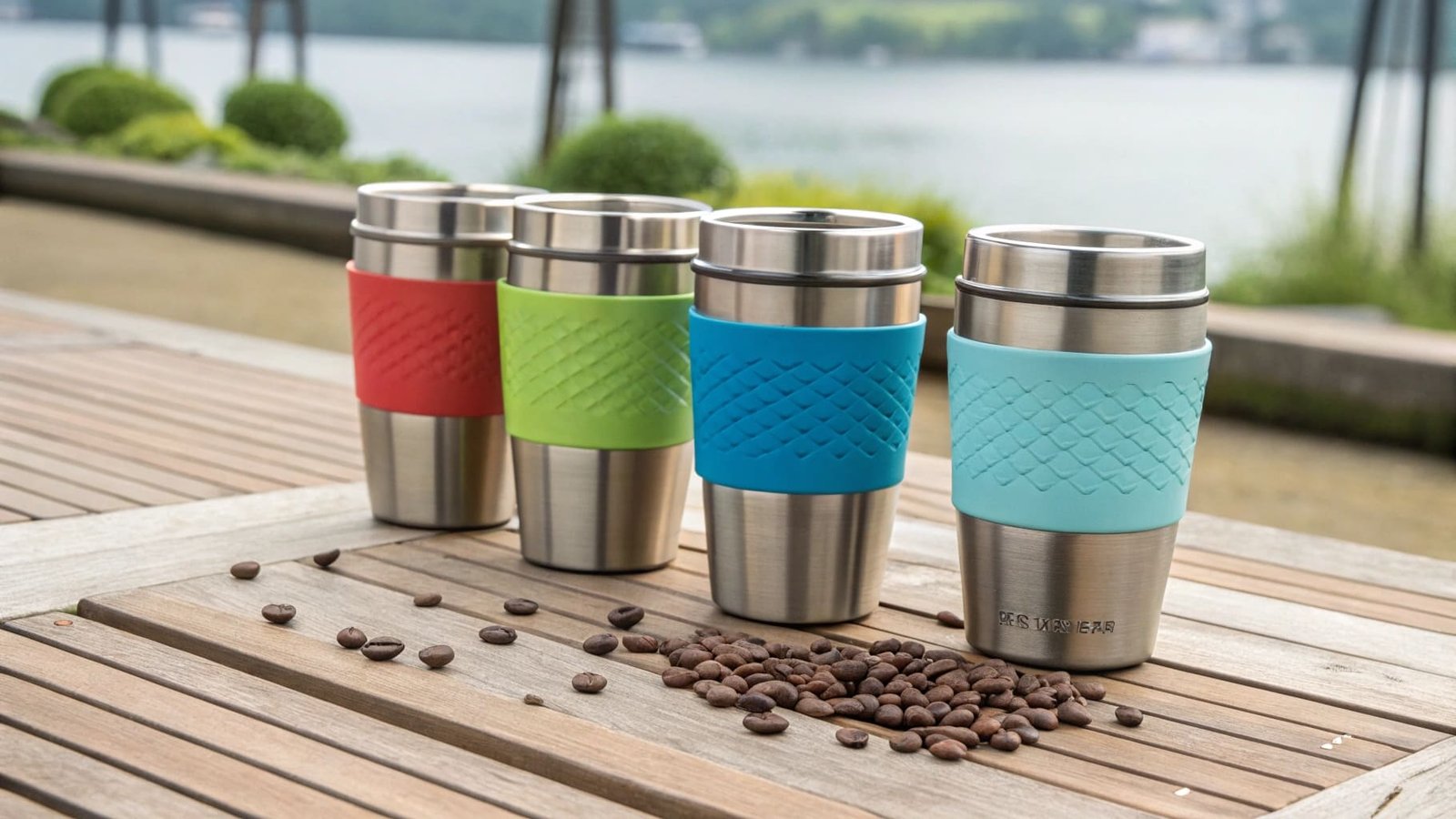
Not all cup sleeves are the same. The material choice changes everything. Paper sleeves are disposable and cheap. Neoprene sleeves offer good insulation but limited print resolution. Silicone sleeves offer the best combination of durability, heat resistance, food-safety compliance, and print quality.5 For cup sleeve events and promotional use, silicone is the standard that serious buyers choose.
Here is a breakdown of material types:
| Material | Durability | Print Quality | Food Safe | Reusable | Best For |
|---|---|---|---|---|---|
| Paper | Low | Low | Yes | No | Budget café use |
| Neoprene | Medium | Medium | Varies | Yes | Casual merchandise |
| Silicone | High | High | Yes | Yes | Premium events and branding |
Beyond material, fit matters. A sleeve that is too loose will slide off. A sleeve that is too tight will be difficult to put on. Standard cup sizes vary between markets. A 16oz cup in Canada is not the same diameter as a common café cup in South Korea. This is a sourcing detail that many first-time buyers miss. I have seen entire batches go to waste because no one checked the inner diameter against the actual cup used at the event.
Compliance is another layer. Silicone cup sleeves that come into contact with food and beverages must meet material safety standards. In the United States, that means FDA compliance. In Europe, that means food contact material regulations.6 Korean suppliers who export to these markets should provide documentation. If a supplier cannot show you a certificate, that is a red flag. I have seen certificate fraud in this space. Verify the document, check the issuing body, and ask for a test report, not just a certificate copy.
Finally, customization depth matters. A basic cup sleeve can carry a single-color logo. A premium cup sleeve can carry a photographic-quality portrait with gradient shading and multiple colors. The technology that makes the second option possible is not available at every factory. Digital printing on silicone requires specific equipment and process control. When you are evaluating a supplier for cup sleeve events, ask to see samples of their most complex print jobs. That tells you more than any product catalog.
Conclusion
Cup sleeve events are a fast-moving, design-driven market. Korean suppliers lead it because they built the right capabilities. Buyers who understand the product, the compliance requirements, and the supply chain will win.
-
"Cupsleeve Event - Fanlore", https://fanlore.org/wiki/Cupsleeve_Event. A neutral study or institutional account of K-pop fan culture describes cup-sleeve events as fan-organized café gatherings that distribute commemorative sleeves for idols or celebrities, supporting the article's definition of the practice. Evidence role: definition; source type: research. Supports: A source should describe fan-organized café cup-sleeve events associated with celebrity birthdays, album releases, or other milestones.. Scope note: Such sources may document common practice rather than provide a formal industry definition. ↩
-
"What is a Cupsleeve Event, what do you do at it and how ...", https://www.reddit.com/r/kpophelp/comments/or7hnj/what_is_a_cupsleeve_event_what_do_you_do_at_it/. A documented case study of K-pop fan café events describes fan communities arranging café spaces and distributing themed cup sleeves for idol birthdays or releases, supporting the article's account of how such events are staged. Evidence role: case_reference; source type: research. Supports: A source should document café-based fan events tied to idol birthdays, comebacks, album releases, or anniversaries.. Scope note: A case study would illustrate the practice but may not cover every event format. ↩
-
"Food Packaging & Other Substances that Come in Contact with Food", https://www.fda.gov/food/food-ingredients-packaging/food-packaging-other-substances-come-contact-food-information-consumers. Food-contact material regulations in the United States and European Union establish that materials intended for contact with food or beverages must meet safety requirements, supporting the article's statement that beverage sleeves require compliant materials. Evidence role: expert_consensus; source type: government. Supports: A regulatory source should explain that materials intended to contact food or beverages are subject to food-contact safety requirements.. ↩
-
"Coffee cup sleeve - Wikipedia", https://en.wikipedia.org/wiki/Coffee_cup_sleeve. An encyclopedic definition of the coffee cup sleeve identifies it as an insulating band placed around a cup, supporting the article's basic product description. Evidence role: definition; source type: encyclopedia. Supports: A source should define a coffee cup sleeve as an insulating band placed around a beverage cup and discuss common materials.. Scope note: The source may emphasize disposable paper sleeves more than silicone or neoprene variants. ↩
-
"Silicone rubber - Wikipedia", https://en.wikipedia.org/wiki/Silicone_rubber. Technical literature on silicone elastomers documents their heat resistance, durability, and use in food-contact applications, supporting the article's rationale for using silicone in reusable cup sleeves. Evidence role: general_support; source type: research. Supports: A technical source should support silicone's durability, heat resistance, and suitability for food-contact applications.. Scope note: The source would not necessarily prove that silicone has the highest print quality compared with every alternative material. ↩
-
"21 CFR 177.2600 -- Rubber articles intended for repeated use. - eCFR", https://www.ecfr.gov/current/title-21/chapter-I/subchapter-B/part-177/subpart-C/section-177.2600. The FDA's food-contact substance framework and the European Union's food-contact materials regulations establish safety requirements for materials intended to contact food or beverages, supporting the article's compliance distinction between U.S. and European markets. Evidence role: expert_consensus; source type: government. Supports: Government sources should identify the FDA framework for food-contact substances and the EU framework for food-contact materials.. ↩