How to Select Colored Cord Locks for B2B Apparel Manufacturing Needs?
Choosing the wrong cord lock can derail your entire production batch. One bad decision costs you time, money, and your client's trust. Here is what you need to know before you order.
Colored cord locks for B2B apparel manufacturing require you to balance three things: function, appearance, and supply chain reliability. The right lock type depends on your product category. Material compliance, color consistency, and minimum order quantities are the factors that will define your sourcing success.
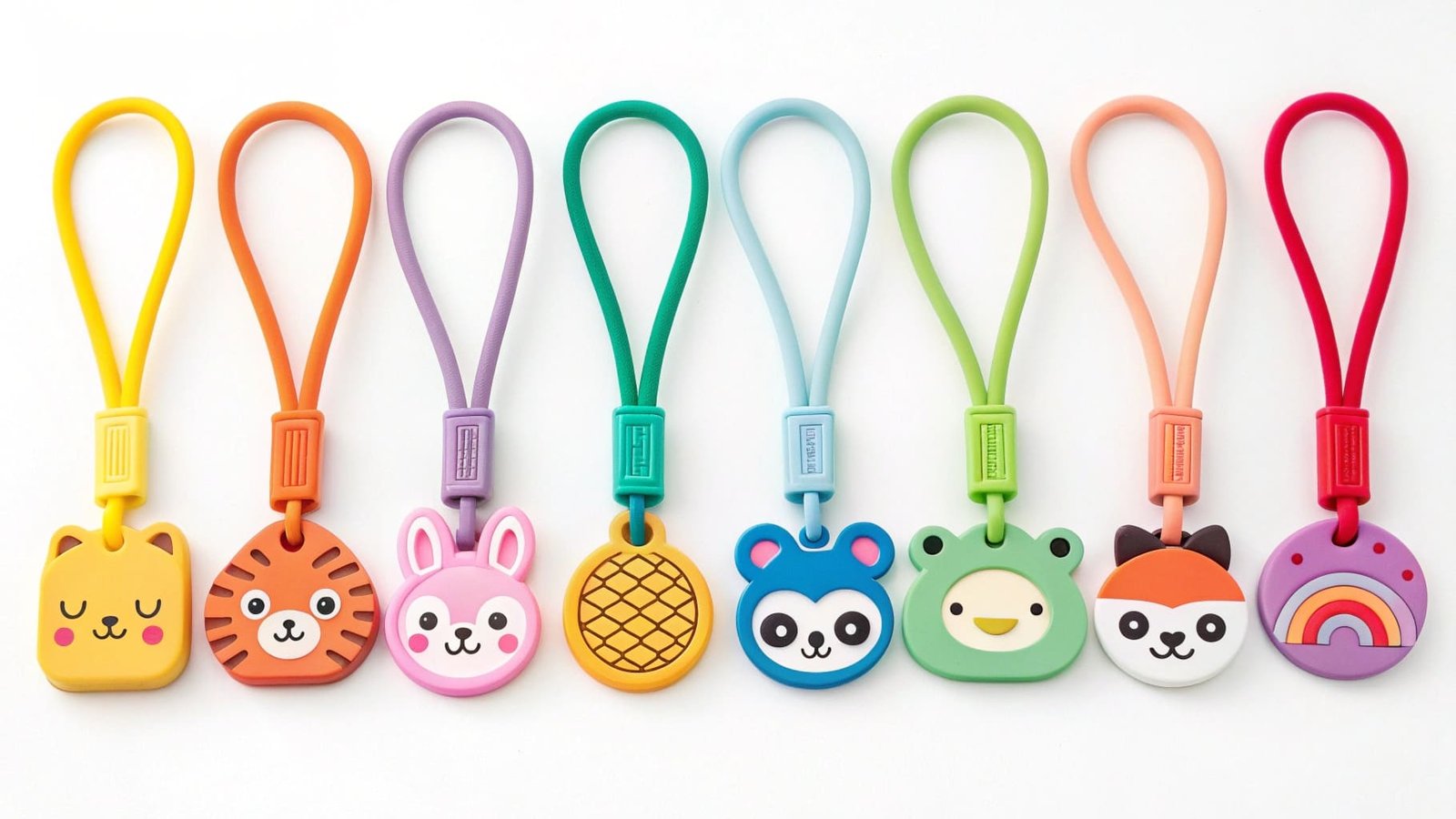
I have worked with apparel manufacturers across different markets, and the same problems come up again and again. A buyer locks in a supplier based on a sample, then gets inconsistent color matching on the bulk order. Or they find out too late that the material fails a regional compliance test. These are not small problems. They can hold up an entire season's production. So let me walk you through what actually matters when you are selecting colored cord locks for your line.
Which Type of Lock Is the Most Secure?
You need your cord lock to hold. But have you defined what "secure" actually means for your specific product?
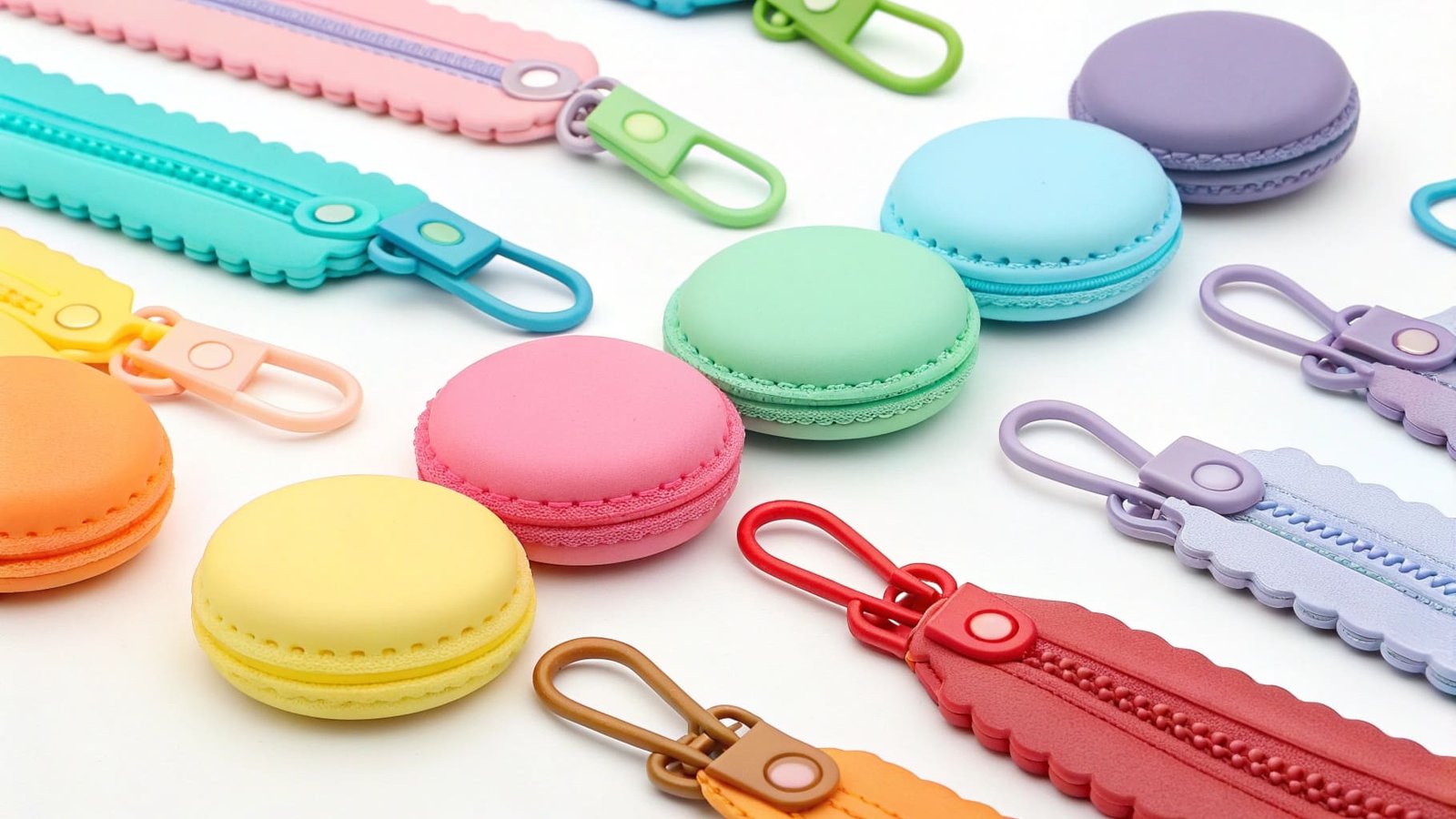
The most secure cord lock for your application depends on what you are making. Spring-loaded barrel locks give strong grip and handle repeated washing well. Toggle locks release quickly, which works better for activewear and children's clothing. Security here means consistent performance across thousands of units, not just grip strength on a single sample.
Let me break this down further, because "secure" is used loosely in this industry and it leads to poor buying decisions.
What Does Security Mean in a Production Context?
When I talk to procurement officers, they often focus on how tight the lock grips the cord. That is one part of security. The bigger part is how the lock performs after 50 wash cycles, or after a child pulls on it repeatedly, or after the product sits in a warehouse for six months in a humid climate.
Here is a simple comparison of the two most common lock types used in apparel:
| Lock Type | Best Use Case | Grip Strength | Wash Durability | Quick-Release |
|---|---|---|---|---|
| Spring-Loaded Barrel Lock | Outdoor wear, performance gear | High | High | No |
| Toggle Lock | Activewear, children's clothing | Medium | Medium-High | Yes |
What Else Should You Check Beyond Grip?
Material quality determines long-term performance. A lock that looks good on a sample but uses low-grade plastic will degrade after washing1. Ask your supplier for the specific plastic grade used. Request a wash test report if you are producing for outdoor or athletic wear markets.
Also check the spring mechanism inside barrel locks. Weak springs lose tension quickly. This is a hidden failure point that does not show up in basic quality checks but will show up in customer returns.
For children's wear, the stakes are higher. Loose parts and sharp edges become safety issues.2 In markets like North America and the EU, children's product regulations are strict. Always ask for compliance documentation before you commit to a supplier.
How to Secure a Cord End?
A fraying cord end makes even a premium cord lock look cheap. Are you treating this as a priority, or an afterthought?
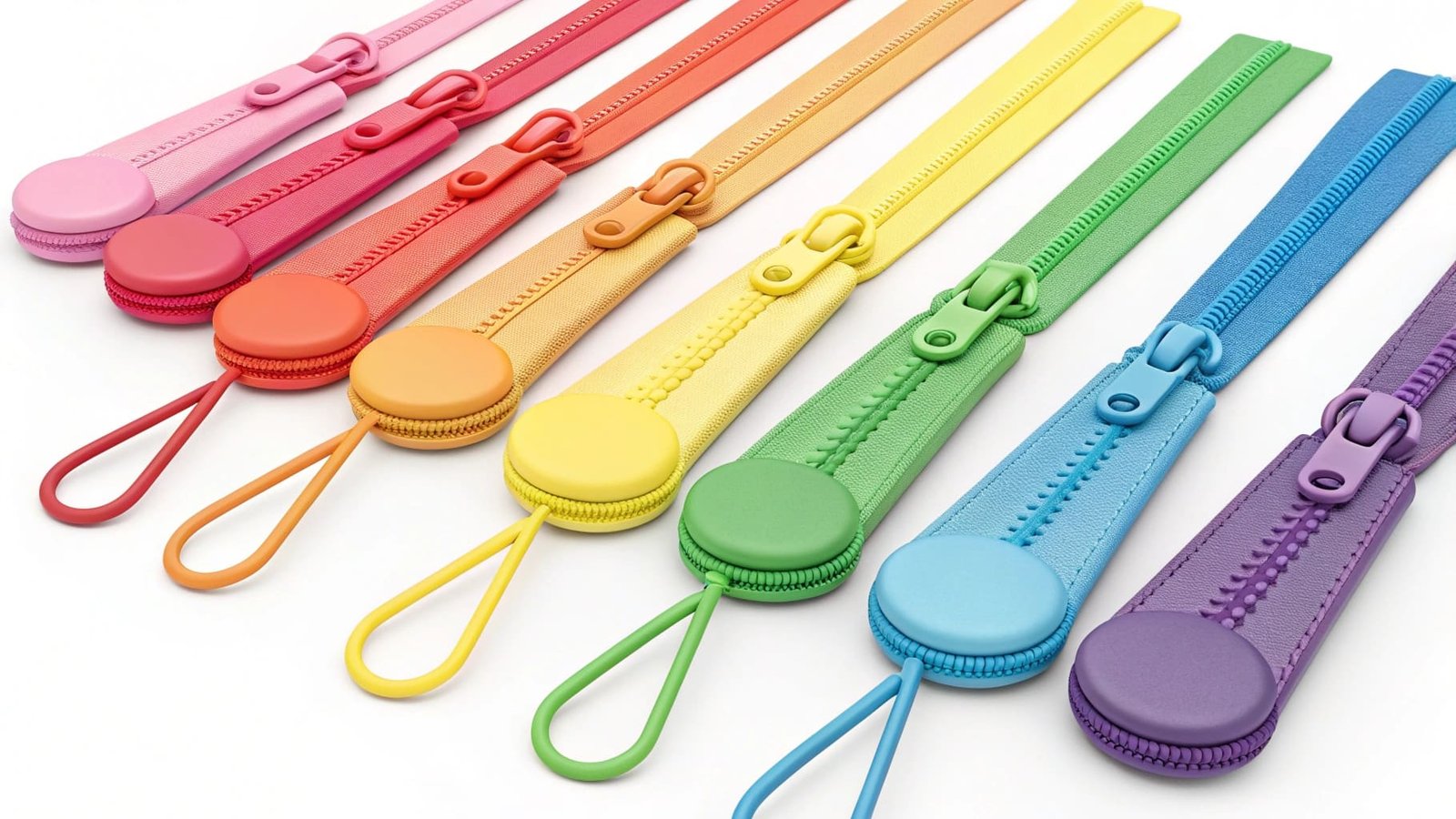
Securing a cord end correctly prevents fraying and protects the look of your finished product. Heat-sealing works for synthetic cords. Metal aglets add a premium finish. Silicone-tipped cord ends are a newer option that pairs well with colored cord locks and holds up well through washing.
This is a detail that many manufacturers skip until customers start complaining. I want to give you a clearer picture of your options so you can decide what fits your product and your budget.
Three Main Methods for Securing Cord Ends
Heat Sealing is the most basic method. You melt the tip of a synthetic cord to stop it from fraying. It is fast and cheap. The downside is that it can look rough, especially on premium products. It also only works on synthetic materials like polyester or nylon.
Metal Aglets are the metal tips you see on shoelaces. They give a clean, structured look. They work on most cord types. The trade-off is cost and weight. For lightweight activewear, added metal tips may not suit the product.
Silicone-Tipped Cord Ends are the option I see more manufacturers moving toward. They are flexible, durable, and available in colors that match or complement your cord locks. They do not crack over time the way some plastic tips do, and they hold up through repeated washing.3
Here is a side-by-side look at each method:
| Method | Material Compatibility | Visual Quality | Wash Durability | Cost Level |
|---|---|---|---|---|
| Heat Sealing | Synthetic only | Basic | High | Low |
| Metal Aglets | Most cord types | Premium | Medium | Medium-High |
| Silicone Tips | Most cord types | Premium | High | Medium |
Why Cord End and Lock Should Match
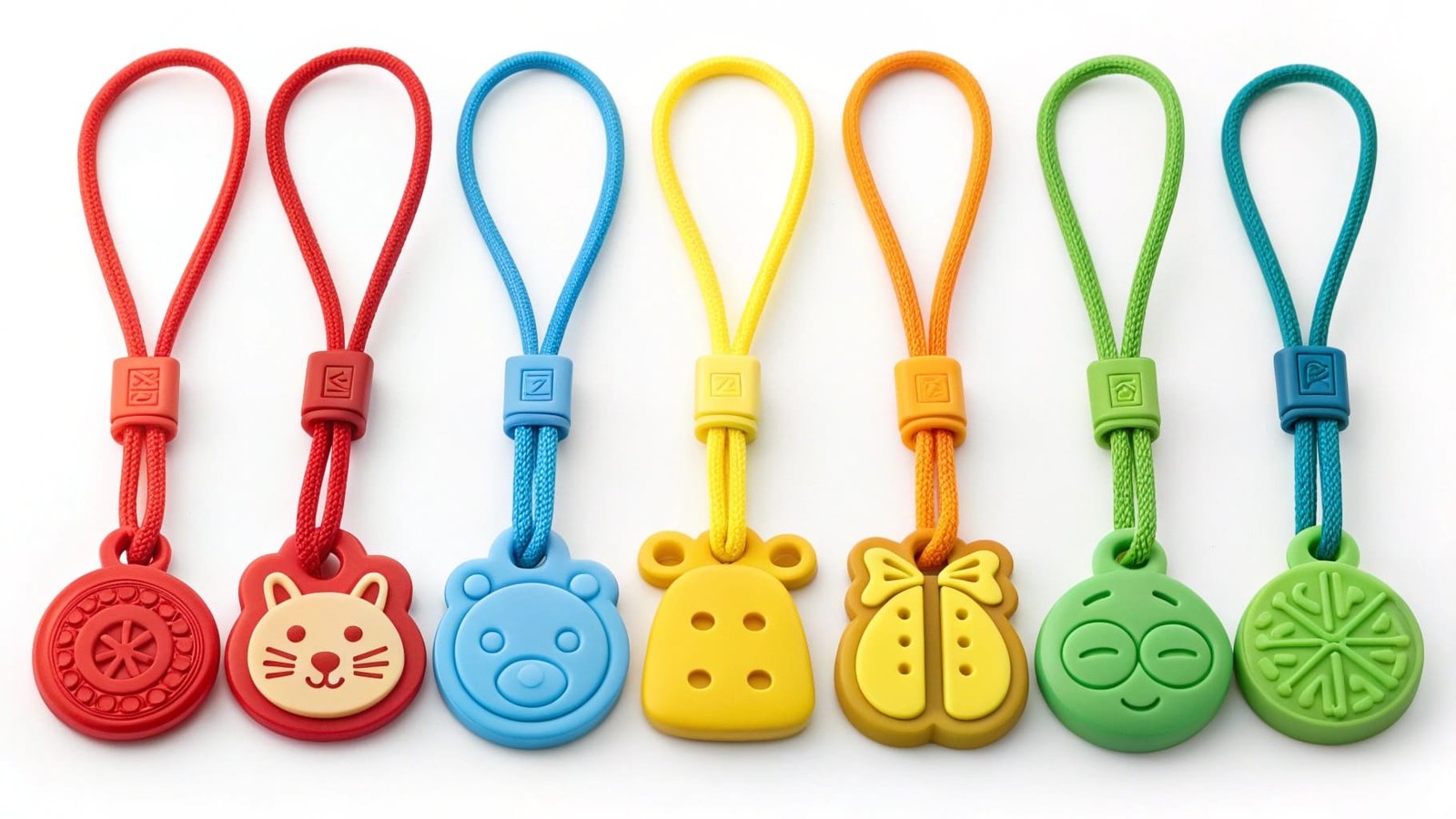
If you are using a colored cord lock, the cord end finish should complement it. A mismatched cord end undermines the full look of the product. Brand-conscious buyers notice this. If your client is selling a premium product, they will expect every detail to be consistent.
I recommend sourcing your cord locks and cord end solutions from the same supplier when possible. This makes color matching easier and reduces the number of vendors you need to manage.
How Does a 3-Digit Combination Lock Apply to Apparel?
You may have seen this question appear in sourcing searches. But does it actually apply to what you are making?
A 3-digit combination lock is a security mechanism used in luggage, lockers, and bags.4 It is not used in standard apparel cord lock applications. If you are in the business of making jackets, hoodies, or activewear, this type of lock is not relevant to your production needs.
I want to address this clearly because it comes up in supplier conversations and can lead buyers down the wrong path. Here is what you should actually be focused on instead.
What B2B Apparel Buyers Should Focus On Instead
The real questions in apparel cord lock sourcing are about color, compliance, and consistency. These three factors determine whether your supplier relationship will work long-term.
Color Customization and Pantone Matching
If your client has a brand color guide, you need a supplier who can match it precisely. Pantone matching is the standard. Ask your supplier directly: can they maintain consistent Pantone matching across separate production batches? Batch-to-batch color drift is a common problem5, and it is one of the most frustrating quality issues to manage after the fact.
Material Compliance
Different markets have different rules. The US market has CPSC requirements for children's products.6 The EU has REACH regulations covering chemical content in materials.7 If you are distributing in these markets, your cord locks need to meet these standards. Ask for test reports. If a supplier cannot provide them, treat that as a red flag.
MOQ and Production Alignment
Your minimum order quantity needs to align with your production schedule. A supplier with a very high MOQ may not work for you if you run smaller seasonal batches. On the other hand, a supplier who cannot scale up when your volume grows creates a different problem. Clarify this early.
Here is a checklist format for evaluating a cord lock supplier:
| Evaluation Factor | What to Ask | Why It Matters |
|---|---|---|
| Pantone Matching | Can you maintain color across batches? | Prevents visual inconsistency in production |
| Material Certification | Do you have REACH or CPSC test reports? | Required for regulated markets |
| MOQ Flexibility | What is your MOQ and can it scale? | Needs to fit your production volume |
| Lead Time | What is your standard and rush lead time? | Affects your ability to meet seasonal deadlines |
| Technical Support | Can you assist with integration into sewing lines? | Reduces production line problems |
The Supplier Quality Check You Cannot Skip
I always tell buyers to request a pre-production sample before committing to a bulk order. This is especially true for colored products. The sample you saw at a trade show or on a product page may not reflect what comes off the production line six weeks later.
Ask for a sample from actual production materials, not a custom-made presentation sample. This gives you a much more accurate picture of what you will receive at scale.
Conclusion
Selecting colored cord locks for B2B apparel comes down to lock type, cord end finish, material compliance, and supplier consistency. Get these right, and your production runs smoother.
-
"Plastic microfibre pollution: how important is clothes' laundering?", https://pmc.ncbi.nlm.nih.gov/articles/PMC8167216/. Polymer-degradation literature reports that thermoplastics can lose mechanical properties through hydrolysis, oxidation, heat, and chemical exposure, supporting the claim that plastic trim performance depends on material grade and laundering environment. Evidence role: mechanism; source type: paper. Supports: Plastic materials can lose mechanical or surface properties through exposure to heat, moisture, detergents, and chemical stressors.. Scope note: The source would support the degradation mechanism generally, not prove failure for a specific cord-lock resin or supplier. ↩
-
"Toy Safety Business Guidance | CPSC.gov", https://www.cpsc.gov/Business--Manufacturing/Business-Education/Toy-Safety. U.S. Consumer Product Safety Commission regulations address small parts and sharp points in children's products, supporting the statement that loose components and sharp edges can become safety issues in children's apparel. Evidence role: expert_consensus; source type: government. Supports: Children's product safety rules treat small parts and sharp points as regulated hazards.. ↩
-
"Modifications of Textile Materials with Functional Silanes, Liquid ...", https://pmc.ncbi.nlm.nih.gov/articles/PMC9611165/. Materials literature on silicone elastomers reports resistance to water, heat, and environmental aging, providing contextual support for the claim that silicone cord-end tips can remain durable during repeated washing. Evidence role: mechanism; source type: paper. Supports: Silicone elastomers generally show resistance to water, heat, and environmental aging, which can explain durability in laundering contexts.. Scope note: The source would support silicone's general material properties, not directly compare all commercial silicone cord tips with all plastic cord tips. ↩
-
"Luggage lock - Wikipedia", https://en.wikipedia.org/wiki/Luggage_lock. An encyclopedia entry on combination locks defines them as locks opened by a sequence or code and describes common uses such as luggage and lockers, supporting the distinction from apparel cord-lock components. Evidence role: definition; source type: encyclopedia. Supports: Combination locks are locking devices opened by a sequence or code and are commonly used on items such as luggage and lockers.. ↩
-
"Causes and remedies of batch to batch shade variation in dyeing ...", https://www.academia.edu/29057297/Causes_and_remedies_of_batch_to_batch_shade_variation_in_dyeing_textilefloor. Textile color-quality studies describe lot-to-lot shade variation and color-matching tolerances as recurring issues in dyeing and production control, supporting the article's concern about batch-to-batch color drift. Evidence role: general_support; source type: paper. Supports: Textile manufacturing literature recognizes lot-to-lot or batch-to-batch shade variation as a quality-control challenge.. Scope note: The evidence would support the broader textile color-control issue, not the frequency of color drift for a particular cord-lock supplier. ↩
-
"Children's Product Certificate | CPSC.gov", https://www.cpsc.gov/Business--Manufacturing/Testing-Certification/Childrens-Product-Certificate. U.S. Consumer Product Safety Commission guidance states that children's products must comply with applicable federal safety rules and, in many cases, testing and certification requirements, supporting the article's reference to CPSC obligations in the U.S. market. Evidence role: expert_consensus; source type: government. Supports: The CPSC regulates children's products and requires applicable testing, certification, and compliance with relevant safety rules.. ↩
-
"Registration, Evaluation, Authorisation and Restriction of Chemicals", https://en.wikipedia.org/wiki/Registration,_Evaluation,_Authorisation_and_Restriction_of_Chemicals. The European Chemicals Agency explains that REACH regulates chemical substances and imposes obligations for substances in articles placed on the EU market, supporting the article's statement that material chemical content is regulated in the EU. Evidence role: expert_consensus; source type: government. Supports: REACH creates obligations and restrictions for chemical substances, including substances present in articles and materials sold in the EU.. ↩