Which Bite Valve Hydration Bladder Fits Best for Military Supply Contracts?
Military procurement is not like regular B2B purchasing. One wrong choice in a supply contract can mean soldiers go thirsty in the field. That damage is hard to undo.
A bite valve hydration bladder that fits military supply contracts must meet MIL-SPEC standards. It needs TPU construction, a medical-grade silicone bite valve with auto shut-off, and a modular design for field replacement. Capacity should be 2L to 3L, with 3L as the standard for extended operations.1
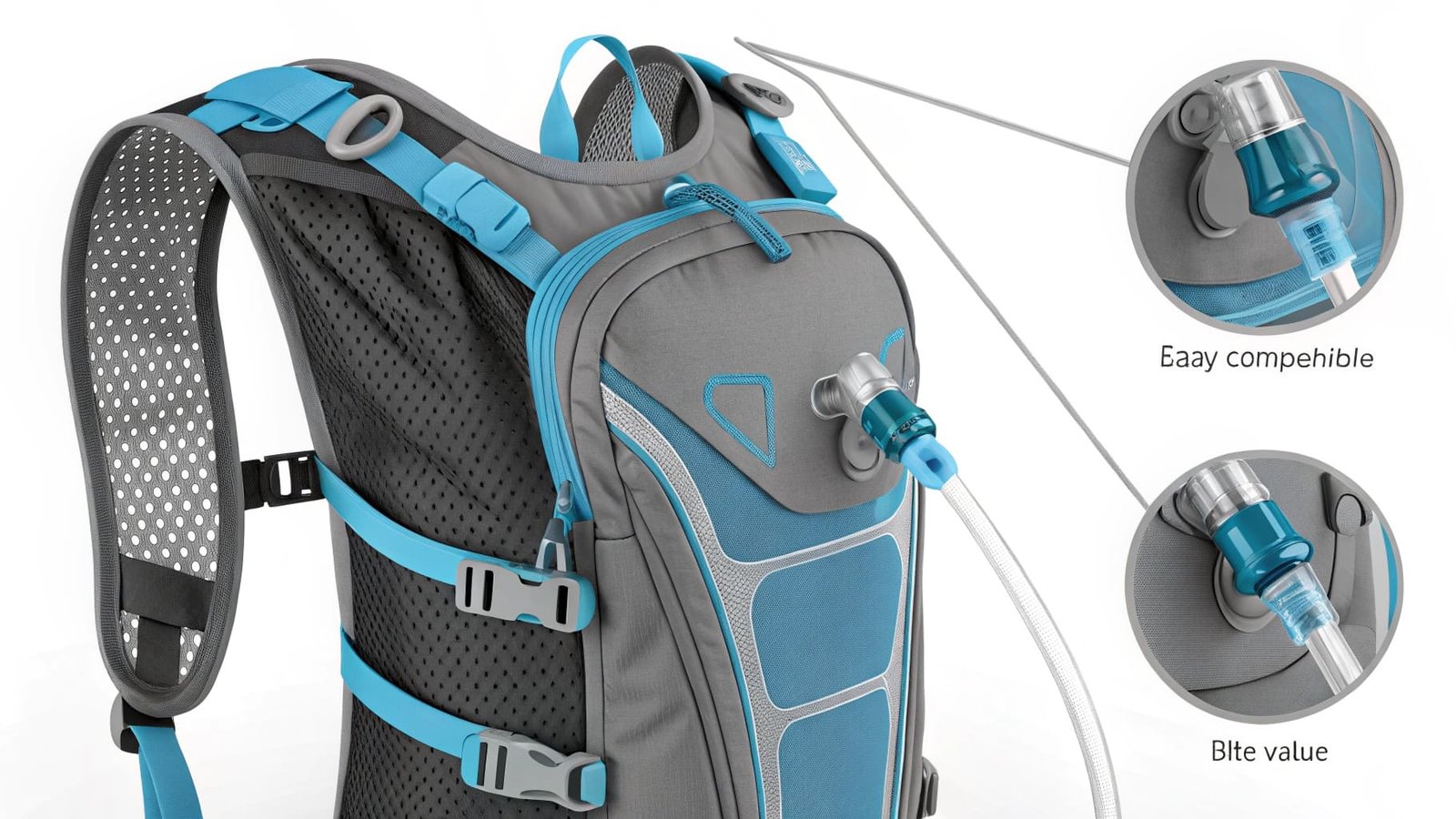
I have worked with procurement officers from North America for years. Most of them come to me with a list of products they need. But when it comes to military supply contracts, that list gets very specific, very fast. What surprised me early on was how different military buyers think compared to commercial buyers. They do not start with price. They start with failure scenarios. In this post, I want to walk through the key questions military procurement officers ask when sourcing hydration bladder systems, and give you clear answers to each one.
What Size Hydration Bladder Do I Need?
Pick the wrong size and soldiers either carry too much weight or run out of water mid-mission. Both outcomes are bad. Size is a decision with real operational consequences.
For military supply contracts, hydration bladder capacity typically falls between 2L and 3L. A 3L bladder is the standard for extended field missions. A 2L bladder works better for lighter load-out requirements. The right size depends on mission duration and the weight a soldier is already carrying.2
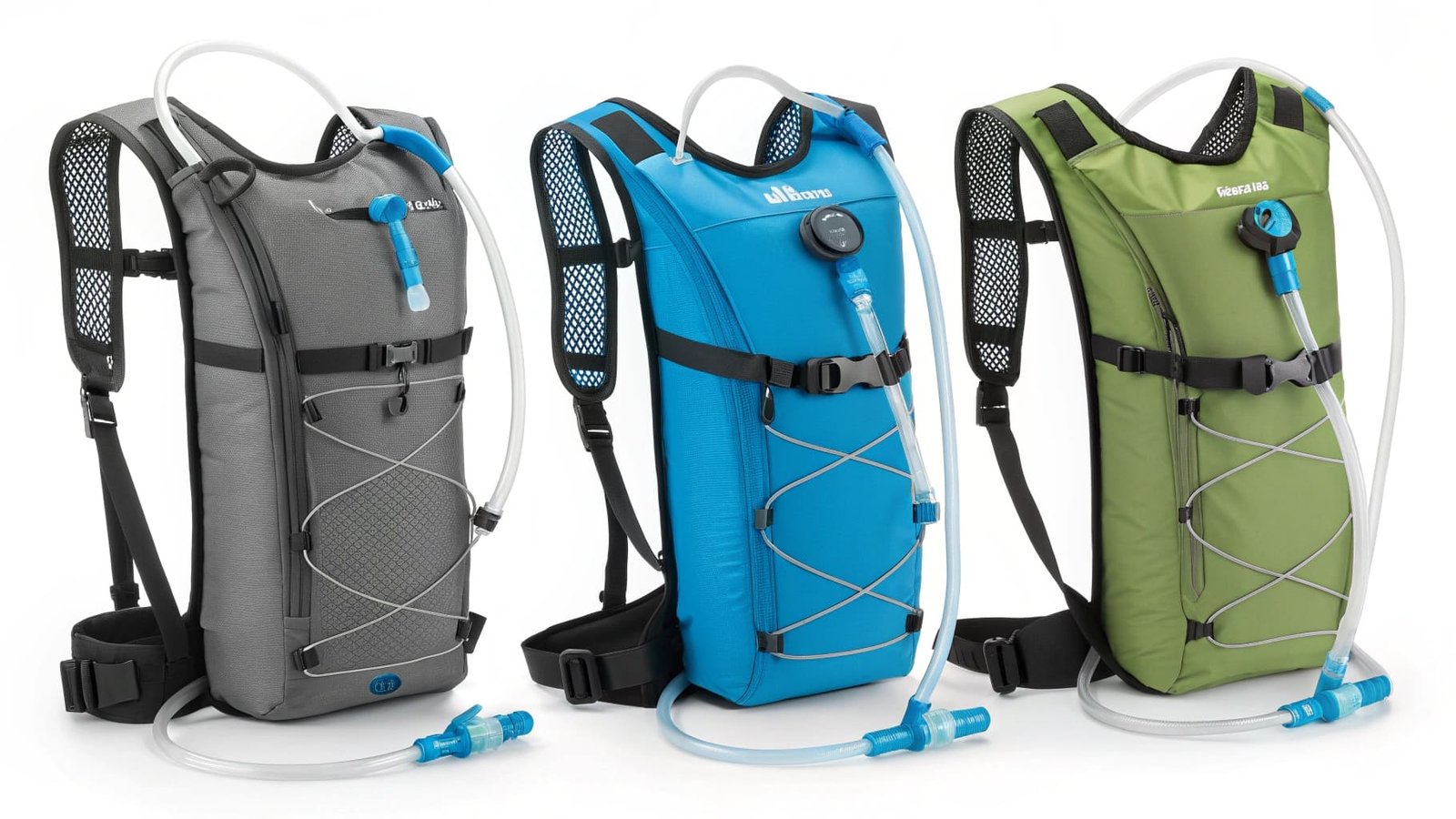
Size is not just about volume. It is about how that volume fits inside a military-grade pack, how the weight is distributed, and how easy it is to replace in the field. I have had procurement officers ask me to supply 3L bladders that also fit inside a standard MOLLE pack without modification. That is a real design constraint.
When I look at this from a supplier perspective, I think about three things:
The relationship between capacity and pack size
| Bladder Capacity | Recommended Pack Volume | Typical Mission Type |
|---|---|---|
| 1.5L | 15L - 20L | Short patrol, urban ops |
| 2L | 20L - 30L | Day missions, light infantry |
| 3L | 30L+ | Extended field ops, desert environments |
Military buyers often lock in on 3L because it covers the widest range of mission types. But some contracts for special operations or air assault units call for 2L specifically to reduce weight. I always ask the buyer about mission duration first before I recommend a size.
The role of bladder shape
A flat, wide bladder distributes weight better against a soldier's back.3 A narrow, tall bladder fits more easily into a dedicated hydration compartment. Military-grade packs usually have a sleeve designed for a specific bladder shape. If the bladder does not match the sleeve, it shifts during movement and creates discomfort over long operations.
Why modular design matters more than raw capacity
A bladder that can be separated from the hose and bite valve without tools gives procurement officers more flexibility. They can stock parts independently. They can replace only what breaks. This reduces the total cost of ownership over a contract period, which is something military buyers care about deeply.
Can You Replace the Bladder in a Hydro Pack?
A hydration system that cannot be repaired in the field is a liability. Soldiers cannot carry spare packs on every mission. If one component fails, the whole system has to be replaceable at the part level.
Yes, you can replace the bladder in a hydro pack, but only if the system is designed for it. Military-grade hydration systems use modular components. The bladder, hose, and bite valve connect and disconnect separately. This means a damaged bladder can be swapped out in minutes without replacing the entire pack.
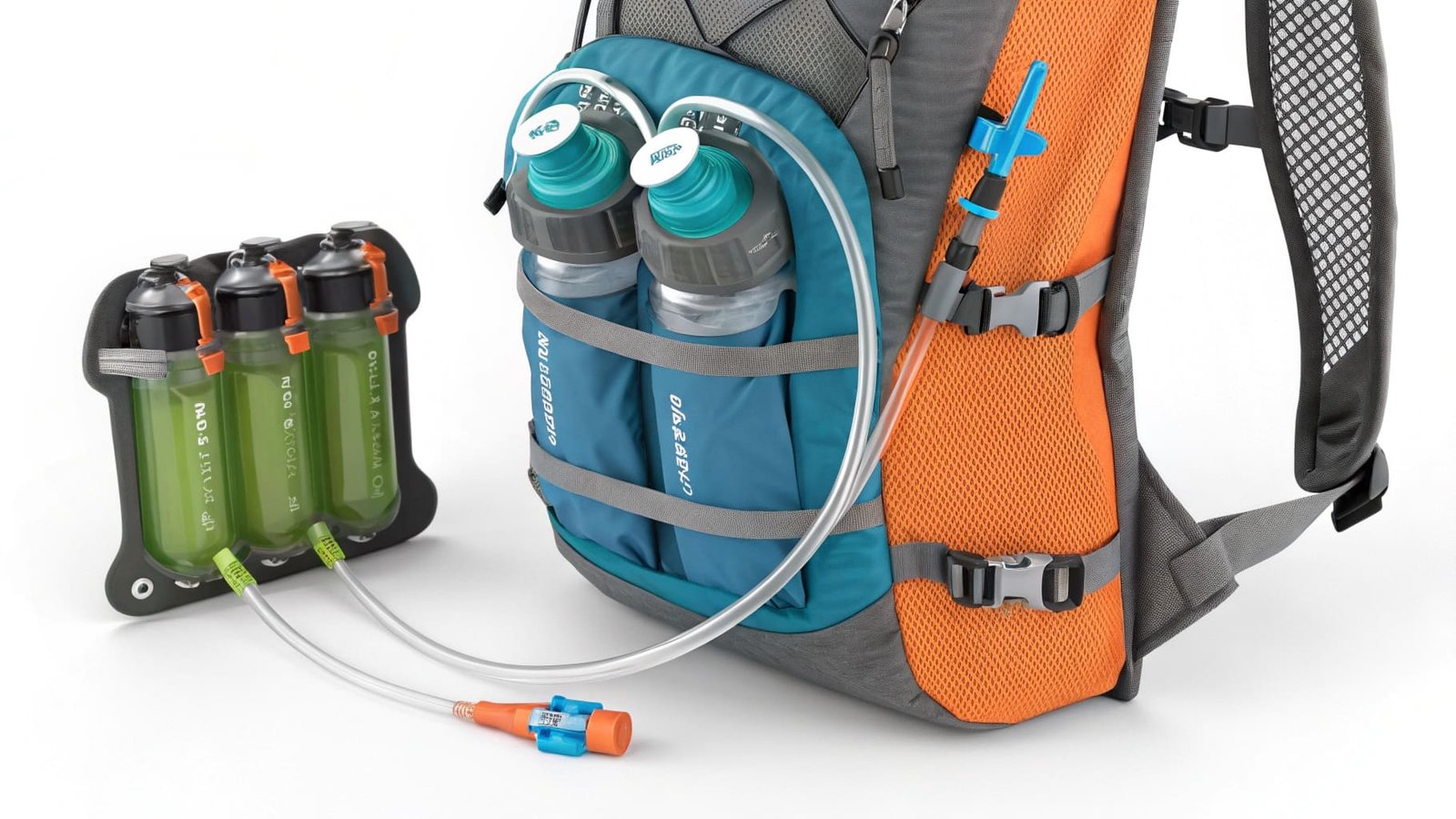
This is one of the most important points I make when I talk to procurement officers like Mark, who source products for distribution at scale. A system that looks good on paper but requires full replacement when one part fails is going to create supply chain problems downstream. Military buyers know this. They ask about it directly.
Let me break this down by component so it is clear what "replaceable" actually means in practice:
The bladder body
The bladder itself should detach from the hose at a standardized connection point. Most military-grade systems use a quick-disconnect fitting. The fitting must hold under pressure and not leak during movement. The bladder material should be TPU, not PVC. TPU holds up better over time and does not develop a plastic taste after extended use.
The hose
The hose connects the bladder to the bite valve. It should be long enough to reach over the shoulder when the pack is worn. Military contracts often specify a minimum hose length of 90cm.4 The hose should also be insulated for cold environments so water does not freeze inside it.5
The bite valve
This is the part that gets the most wear. Soldiers bite down on it repeatedly throughout the day. The valve must be medical-grade silicone. It must have an automatic shut-off so water does not drip when the soldier is not drinking. And it must be replaceable without tools. A spare bite valve should be small enough to carry in a pocket.
| Component | Replacement Method | Key Spec |
|---|---|---|
| Bladder body | Quick-disconnect fitting | TPU material, reinforced seams |
| Hose | Threaded or push-fit connection | Min 90cm length, insulated |
| Bite valve | Pull-off and push-on | Medical-grade silicone, auto shut-off |
When I supply bite valve components to B2B buyers targeting military contracts, I always include documentation showing how each part connects and disconnects. Procurement officers need to show this to their military clients as part of the product qualification process. If I cannot provide that documentation, the deal usually falls apart before it starts.
What Is the Toughest Hydration Bladder?
A hydration bladder that fails in the field is not just a product problem. It is a mission risk. Military buyers need to know a product will hold up before they commit to a large contract.
The toughest hydration bladders for military use are made from thermoplastic polyurethane, or TPU. They use high-frequency welded seams instead of stitched seams. They can handle temperatures from -20°F to 140°F. They resist punctures from rough handling in combat environments. And they carry certifications that prove these claims.
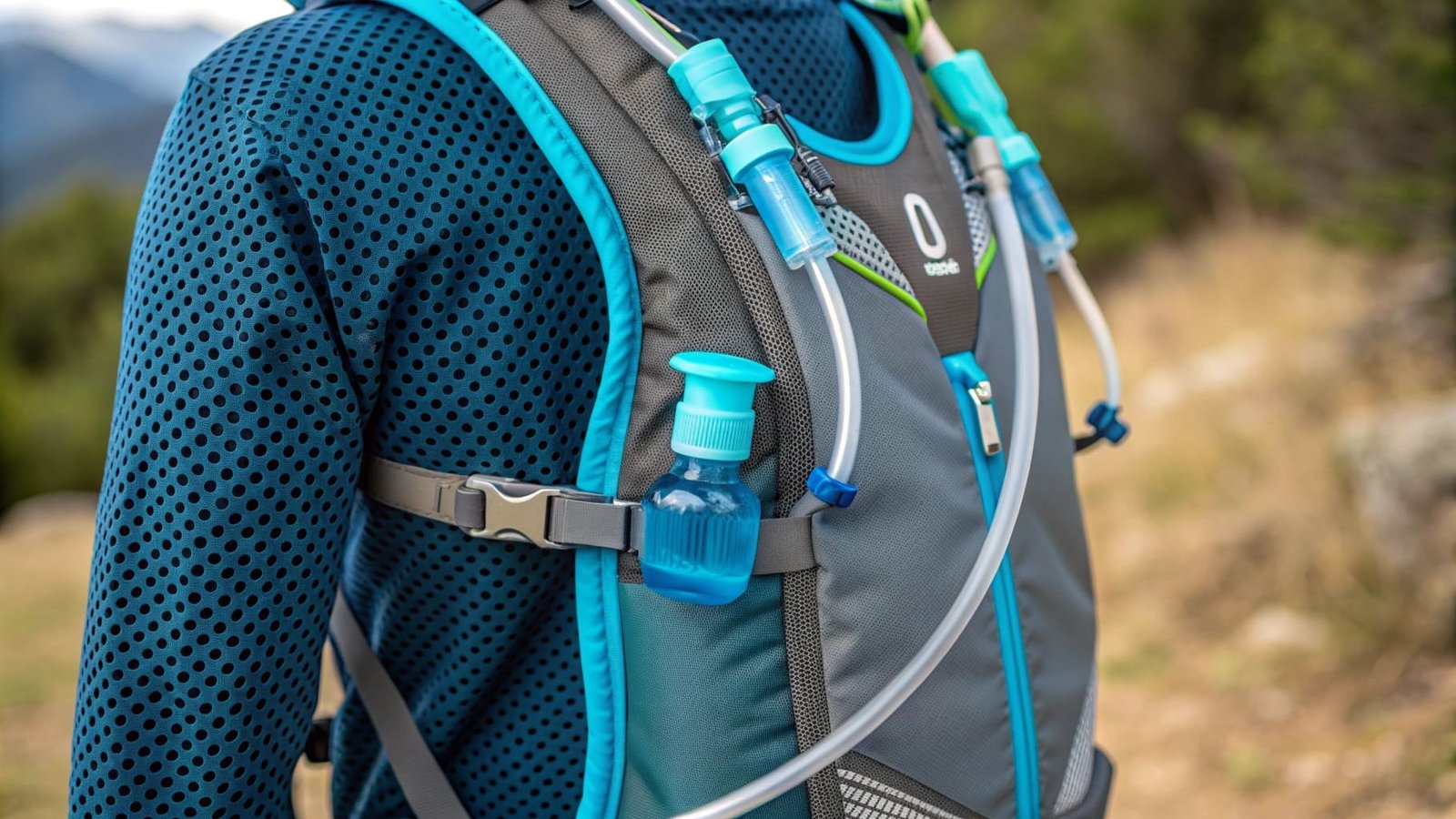
When procurement officers ask me this question, I do not just list materials. I walk them through what "tough" actually means for a product that will be used by people in extreme conditions. There are several layers to this.
Material construction
TPU is the baseline for military-grade bladders. It is more flexible than PVC at low temperatures. It does not crack when it gets cold. It also does not leach chemicals into the water, which matters for long-term use. Some bladders are made with multi-layer TPU, which adds an extra barrier against punctures.
Seam construction
Stitched seams are weak points. Water finds its way through stitching over time, especially under pressure. High-frequency welding fuses the material together without holes. The weld is often stronger than the material itself. Military contracts almost always specify welded seams for this reason.
Temperature tolerance
| Environment | Temperature Range | Bladder Requirement |
|---|---|---|
| Arctic operations | Down to -20°F | Flexible TPU, insulated hose |
| Desert operations | Up to 140°F | Heat-stable material, no taste transfer |
| Standard field use | 32°F to 100°F | Standard TPU, welded seams |
Certification requirements
This is where a lot of suppliers fall short. Military buyers do not just want a tough product. They want proof. They ask for test reports, material certifications, and documentation showing the product meets relevant standards. I have seen contracts fall through because a supplier could not provide a simple material safety data sheet. At silijoy, I make sure every product I supply comes with full documentation. That is not a nice-to-have. It is a requirement.
Bite valve durability specifically
The bite valve is a small component but it gets a lot of use. A military-grade bite valve must withstand repeated biting without tearing. Medical-grade silicone handles this well. It is soft enough to be comfortable, firm enough to hold its shape after thousands of uses, and resistant to bacteria buildup. The auto shut-off mechanism inside the valve must also hold up over time. A valve that starts leaking after three months of field use will not be ordered again.
Conclusion
Military hydration bladder contracts demand TPU construction, modular field-replaceable parts, and full certification documentation. Size, durability, and bite valve quality are the three things that win or lose the deal.
-
"Farmworker Acceptability of Backpack Hydration Systems - PMC - NIH", https://pmc.ncbi.nlm.nih.gov/articles/PMC11160487/. Military hydration-system descriptions and procurement materials commonly specify reservoirs in the two- to three-liter range, with three-liter carriers used for sustained field hydration. Evidence role: general_support; source type: government. Supports: A source should show that military hydration systems commonly use 2L or 3L reservoirs and that 3L systems are associated with longer-duration field use.. Scope note: Such sources may show common practice rather than a universal standard across all armed forces or mission types. ↩
-
"Soldier Load Carriage, Injuries, Rehabilitation and Physical ... - PMC", https://pmc.ncbi.nlm.nih.gov/articles/PMC8069713/. Military load-carriage research identifies both water requirements and total carried mass as operational planning factors, supporting capacity selection based on mission duration and existing soldier load. Evidence role: expert_consensus; source type: research. Supports: A source should support the relationship between mission duration, water needs, and the burden of carried weight in soldier load planning.. Scope note: This provides planning context rather than prescribing a single bladder size for every mission. ↩
-
"Impact of Backpacks on Ergonomics: Biomechanical and ... - PMC", https://pmc.ncbi.nlm.nih.gov/articles/PMC9180465/. Backpack ergonomics research shows that load placement and contact area influence pressure distribution on the back, providing a biomechanical basis for favoring flatter reservoir shapes in pack sleeves. Evidence role: mechanism; source type: education. Supports: A source should explain how backpack load placement and surface contact affect pressure distribution and perceived comfort.. Scope note: The evidence is likely indirect unless the source tests hydration bladders specifically. ↩
-
"SAM.gov", https://sam.gov/opp/6ae762960363545773998c9682d984e0/view. A government solicitation or specification listing a 90 cm hydration hose requirement would substantiate the article's statement that this dimension appears in military procurement language. Evidence role: case_reference; source type: government. Supports: A source should provide contract or specification language listing hose length requirements for military hydration systems.. Scope note: Unless multiple contracts are cited, the source would establish that the requirement exists in some procurements, not that it is frequent across all contracts. ↩
-
"An Investigation into Freezing and Bursting Water Pipes in ... - IDEALS", https://www.ideals.illinois.edu/items/54859. Cold-weather military guidance notes that water carried in exposed containers or tubes can freeze and that insulation helps delay freezing, supporting the need for insulated hydration hoses in low-temperature operations. Evidence role: mechanism; source type: government. Supports: A source should explain that cold-weather hydration systems require measures such as insulation to limit freezing in hoses or tubes.. Scope note: Insulation reduces freezing risk but may not prevent freezing under all exposure times and temperatures. ↩