How to Select Food Grade O-Rings for Beverage Production Line Compliance?
Last month, I got a call from a buyer whose entire production batch got rejected. The problem was not the beverage formula. It was the O-rings. They failed compliance testing.
Food grade O-rings must meet FDA CFR 177.2600 and EU Regulation 1935/2004 standards.1 The right choice depends on your beverage type, temperature range, and cleaning process. Material composition and durometer rating directly affect seal performance and safety.
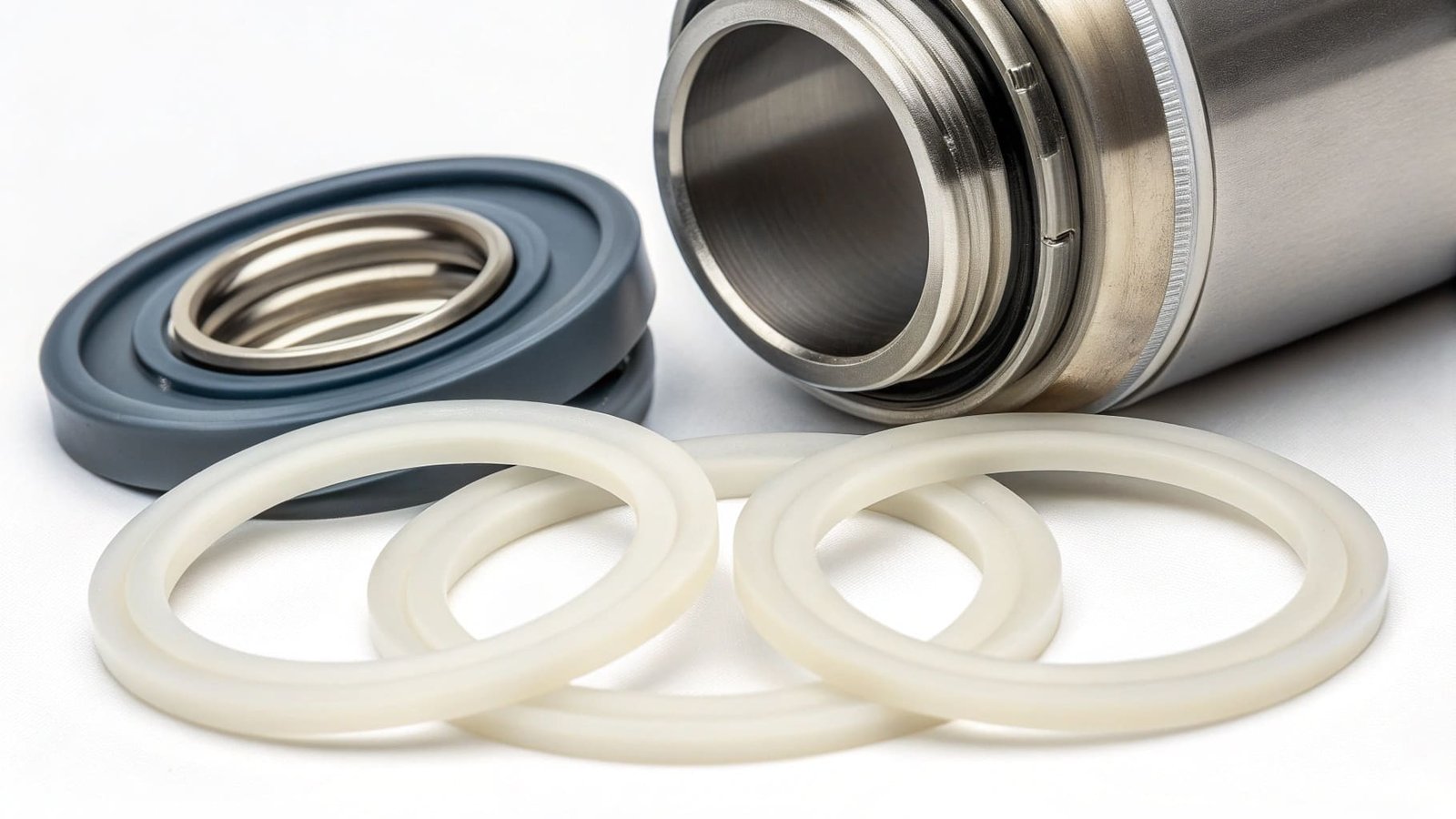
I have worked with beverage producers for years. The O-ring selection process looks simple on paper. But I see buyers make the same mistakes repeatedly. They focus only on price or assume all food grade seals work the same way. This thinking leads to production delays, contamination risks, and failed audits. Let me walk you through what actually matters.
What Makes an O-Ring Food Grade?
You might think a food grade label means the O-ring is safe for all food contact. That assumption costs companies thousands in rejected shipments and compliance violations. The reality is more complex than a simple yes or no.
Food grade status requires specific certifications and material purity standards. The base polymer must pass migration tests. No toxic substances can leach into the beverage during contact or cleaning cycles.
The Foundation: Material Composition
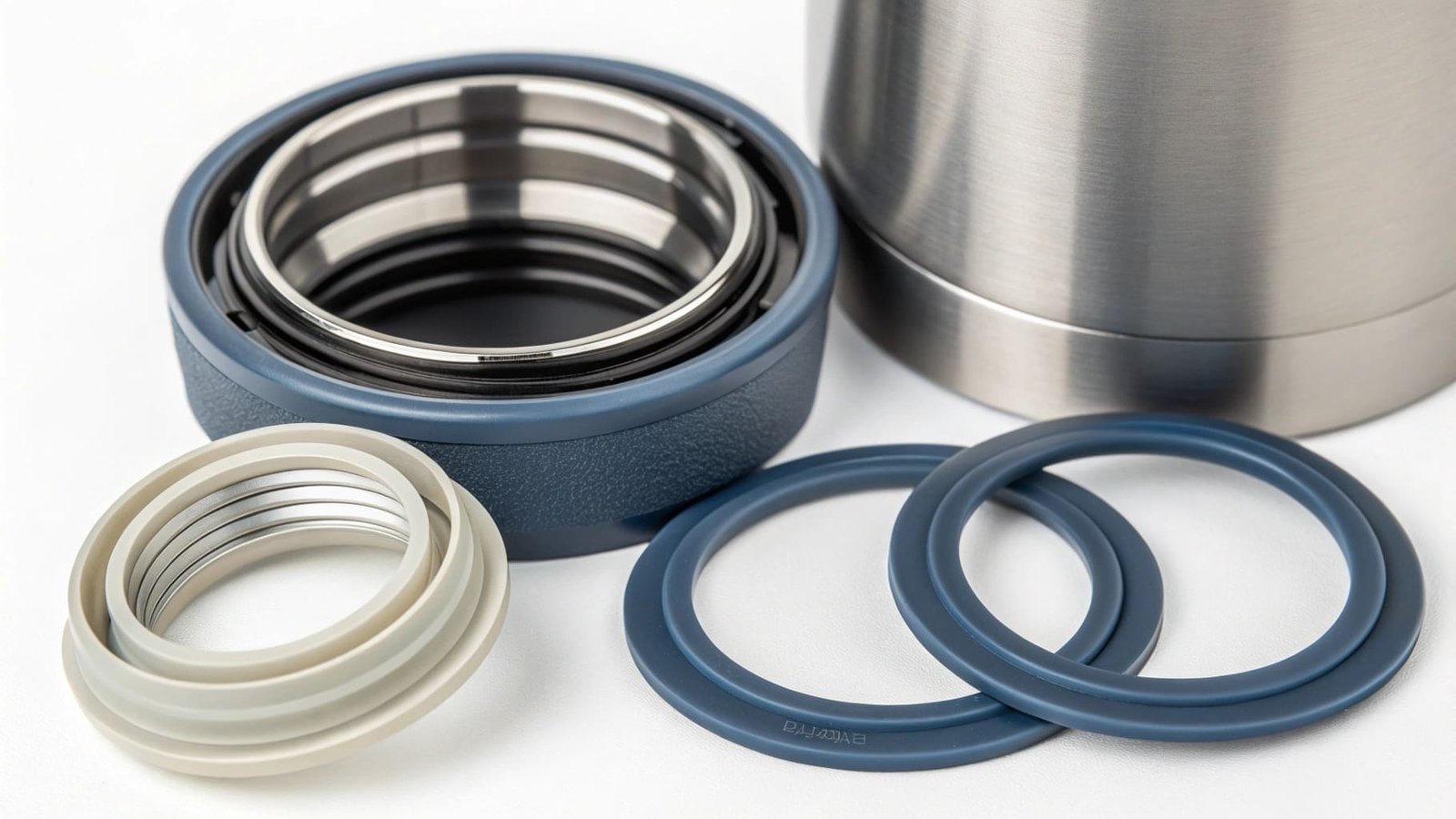
I always tell buyers to start with the polymer type. Silicone rubber dominates beverage applications for good reasons. It handles temperature swings without degrading. The material stays flexible from -40°C to +200°C. This range covers cold filling and hot CIP cleaning cycles.
But here is what most people miss. Two silicone O-rings can look identical yet perform very differently. The curing process makes the difference. Peroxide-cured silicone leaves residues that can migrate into liquids.2 Platinum-cured silicone contains no such residues. For beverage lines, platinum-cured is the only option I recommend.
The certification stack tells the real story. Your O-rings need multiple approvals, not just one. FDA CFR 177.2600 covers US markets. EU Regulation 1935/2004 handles European distribution. German buyers often require LFGB certification as well.3 Each standard tests different aspects of material safety and migration potential.
Testing Requirements You Cannot Skip
| Test Type | Purpose | Standard |
|---|---|---|
| Migration Test | Measures substance transfer to liquid | EN 1186 series |
| Cytotoxicity | Checks for cell damage potential | ISO 10993-5 |
| Heavy Metals | Screens for toxic elements | FDA guidelines |
| Sensory Evaluation | Detects taste or odor transfer | ISO 13302 |
I request these test reports from every supplier. The documents show batch-specific results, not generic claims. A supplier who hesitates to provide detailed test data raises immediate red flags. Quality manufacturers maintain complete documentation and update it regularly.
How to Pick the Right O-Ring?
Choosing an O-ring feels overwhelming when you face hundreds of options. Buyers focus on dimensions and ignore the factors that actually determine success or failure in beverage production.
Selection depends on three main factors: the beverage chemistry, operating temperatures, and cleaning protocols. Each factor narrows down suitable materials and compound formulations.
Matching Material to Beverage Type
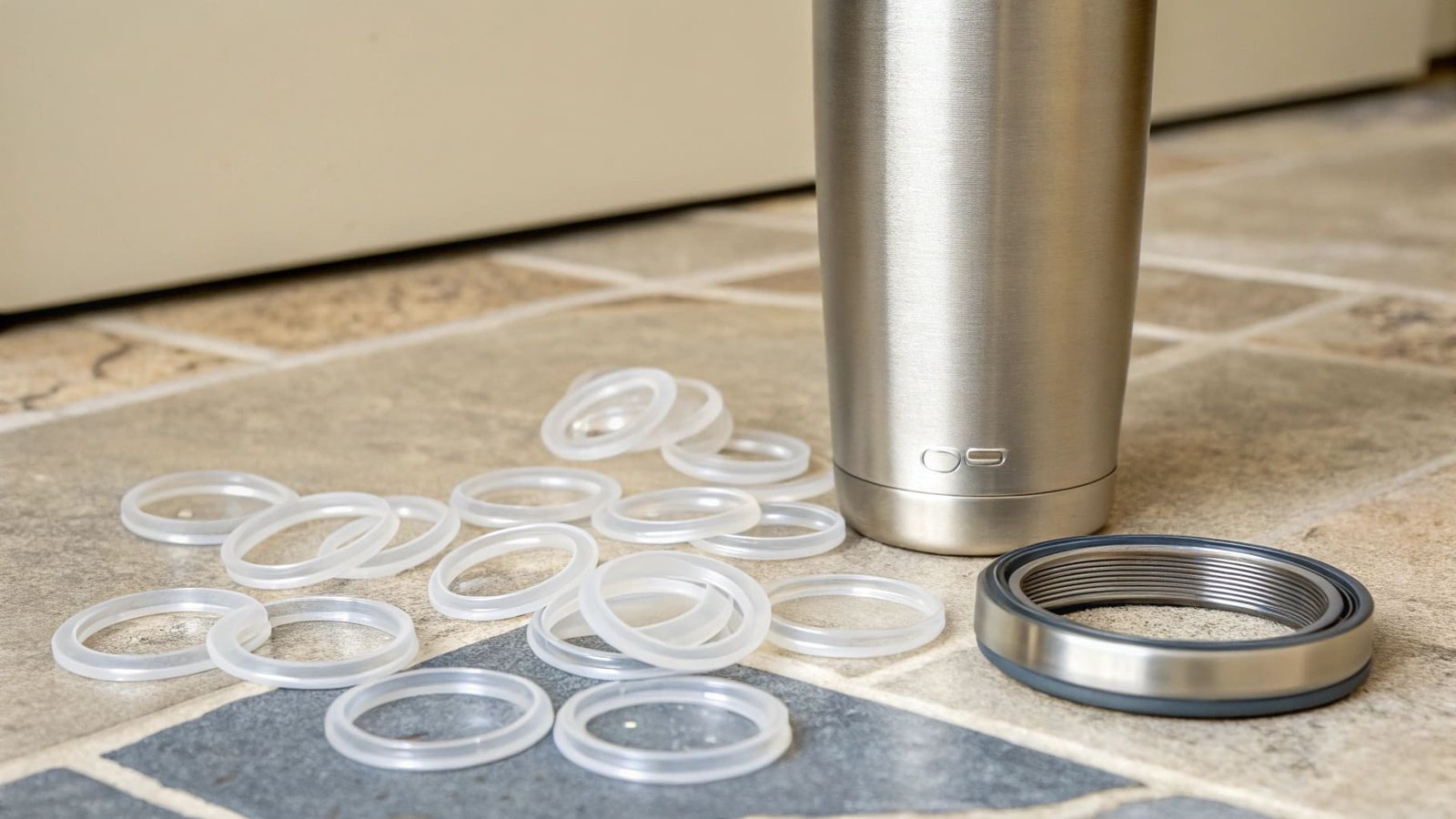
I learned this lesson the hard way. A client bought standard food grade silicone O-rings for their citrus juice line. Within weeks, the seals started swelling. The acidic juice attacked the compound. Production stopped while we sourced acid-resistant formulations.
Different beverages create different challenges. Water and neutral pH drinks work with most food grade silicone compounds. Acidic beverages like juice or soda need specially formulated materials.4 Alcohol-based products require compounds with enhanced chemical resistance. Dairy products demand materials that withstand aggressive alkaline cleaning agents.
The temperature profile matters just as much. Cold filling at 4°C followed by CIP cleaning at 85°C creates extreme stress on seals. The O-ring must maintain its sealing force across this entire range. Poor quality materials become brittle in cold or lose elasticity in heat. Either condition leads to leaks and contamination risks.
Evaluating Cleaning Compatibility
Modern beverage lines use intensive cleaning cycles. These CIP systems expose O-rings to harsh conditions multiple times daily. The cleaning chemicals, not the beverage, often determine seal lifespan.5
Standard alkaline cleaners attack some rubber compounds. Acid rinses can cause swelling in others. Sanitizing agents with chlorine or peroxide add another layer of chemical challenge. Your O-ring compound must resist all cleaning agents in your specific protocol.
I always ask buyers for their complete CIP recipe. This includes chemical concentrations, temperatures, contact times, and cycle frequency. With this data, we can select compounds proven to survive those exact conditions. Guessing leads to premature seal failure and unplanned downtime.
How to Choose an O-Ring Durometer?
Durometer selection confuses buyers more than any other specification. They assume softer equals better sealing. This misconception leads to compression set problems and frequent seal replacement.
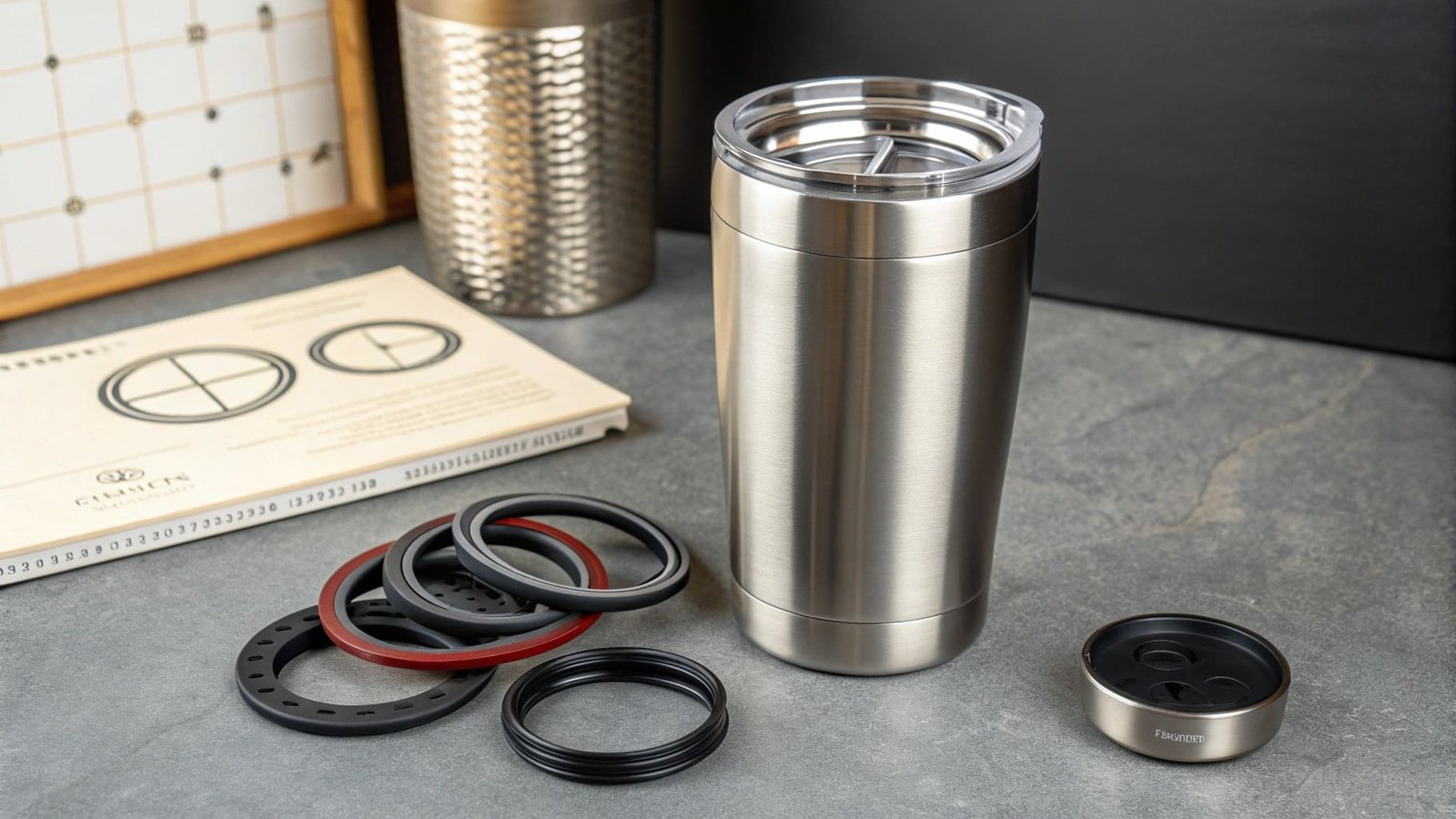
The durometer scale measures rubber hardness. For beverage O-rings, the range typically runs from 40 to 70 Shore A. The right choice balances sealing effectiveness against compression resistance.
Understanding the Durometer Trade-offs
Softer O-rings compress easily and fill surface irregularities better. This characteristic helps with rough or imperfect mating surfaces. But soft materials also suffer from faster compression set. The seal loses its spring-back ability over time. In high-pressure applications or frequent thermal cycling, soft O-rings fail quickly.
Harder compounds maintain their shape under stress. They resist compression set and last longer in demanding applications. However, they require more compression force to seal properly. If your equipment cannot provide sufficient squeeze, a harder O-ring will leak from the start.
For beverage production lines, I recommend 60-70 Shore A as the sweet spot. This range provides reliable sealing without excessive compression set. The material maintains elasticity through repeated CIP cycles. It handles pressure variations during filling operations. And it survives thermal cycling from cold product to hot cleaning.
Application-Specific Durometer Selection
| Application Type | Recommended Durometer | Reasoning |
|---|---|---|
| Static seals, low pressure | 50-60 Shore A | Soft enough for easy installation |
| Dynamic seals | 60-70 Shore A | Resists wear and abrasion |
| High temperature CIP | 65-70 Shore A | Maintains shape under heat stress |
| Cold filling lines | 55-65 Shore A | Stays flexible at low temperatures |
Some buyers try to use one durometer for everything. This approach saves on inventory but creates problems. A 50 Shore A O-ring that works perfectly on a low-pressure static seal will fail quickly on a dynamic valve stem. Match the durometer to each application's specific demands.
Temperature cycling demands special attention. An O-ring that feels perfect at room temperature might become too stiff in a cold filler or too soft during hot CIP. Test the material properties at your actual operating temperature range, not just at ambient conditions.
Conclusion
Food grade O-ring selection requires matching material certifications, chemical compatibility, and mechanical properties to your specific beverage production requirements. The right choice prevents contamination and reduces downtime.
-
"21 CFR 177.2600 -- Rubber articles intended for repeated use. - eCFR", https://www.ecfr.gov/current/title-21/chapter-I/subchapter-B/part-177/subpart-C/section-177.2600. Official U.S. and EU legal texts identify 21 CFR §177.2600 as the FDA provision for rubber articles intended for repeated food-contact use and Regulation (EC) No. 1935/2004 as the EU framework requiring food-contact materials not to endanger health or alter food composition under normal use. Evidence role: definition; source type: government. Supports: The source should establish that 21 CFR 177.2600 covers rubber articles for repeated food-contact use and that Regulation (EC) No 1935/2004 provides the EU framework for food-contact materials.. ↩
-
"Chemistry Recommendations for Submissions of Food Contact ...", https://www.fda.gov/regulatory-information/search-fda-guidance-documents/guidance-industry-preparation-premarket-submissions-food-contact-substances-chemistry. Polymer and food-contact materials literature reports that peroxide curing of silicone can leave residual decomposition products or extractables, providing a mechanistic basis for concern about migration into contacting liquids. Evidence role: mechanism; source type: paper. Supports: The source should explain that peroxide curing can generate residual by-products or volatile extractables and that these may migrate unless adequately removed.. Scope note: The presence and amount of residues depend on the exact peroxide system, post-curing process, and analytical detection limits. ↩
-
"LFGB Certification | Food Contact Materials | LFGB Test Standard", https://aqiservice.com/product-testing/lfgb-certification-testings/. German official food-law materials identify the LFGB as the national legal framework covering food and consumer articles, including materials intended to contact food, explaining why German purchasers may request LFGB-related documentation. Evidence role: historical_context; source type: government. Supports: The source should establish that Germany regulates food-contact articles under LFGB and that LFGB is a relevant compliance framework for materials intended to contact food.. Scope note: The source would support regulatory relevance in Germany but may not quantify how often individual buyers require LFGB certification. ↩
-
"Characterisation of Elastomers as Food Contact Materials-Part 1", https://pubmed.ncbi.nlm.nih.gov/33478042/. Elastomer-compatibility literature shows that acid exposure can affect rubber compounds through swelling, property changes, or degradation, supporting the need to match beverage acidity with an appropriate food-contact seal formulation. Evidence role: mechanism; source type: paper. Supports: The source should show that acidic liquids can interact differently with elastomers and that compound selection affects swelling, degradation, or mechanical performance.. Scope note: Compatibility varies by acid type, concentration, temperature, exposure time, and exact elastomer formulation. ↩
-
"What is Clean in Place (CIP)? - Oklahoma State University Extension", https://extension.okstate.edu/fact-sheets/what-is-clean-in-place-cip. Research and technical literature on CIP sanitation and elastomer aging indicate that repeated exposure to alkaline, acidic, or oxidizing cleaning agents can alter seal properties and shorten service life, supporting the article’s emphasis on cleaning compatibility. Evidence role: mechanism; source type: paper. Supports: The source should support that repeated exposure to alkaline cleaners, acids, oxidizing sanitizers, temperature, and contact time can degrade elastomer seals.. Scope note: The source may establish cleaning chemicals as a significant factor, but not necessarily prove they are more important than the beverage in every production line. ↩